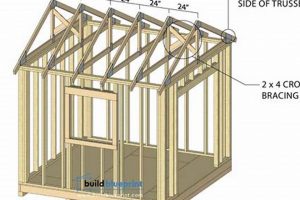
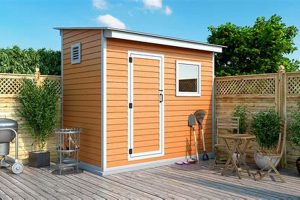
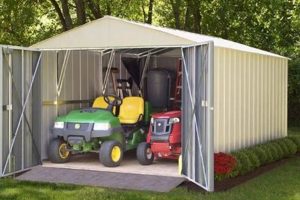
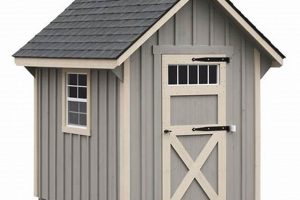
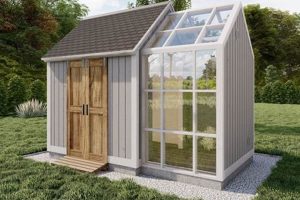
Structures that integrate plant cultivation and storage spaces have gained traction in residential settings. These dual-purpose constructions provide an environment suitable for nurturing plants alongside an area for keeping gardening tools and supplies. An example of such a structure would be a building where one section is glass-paneled for sunlight exposure to grow seedlings, while the other has solid walls and a door for storing pots, soil, and equipment.
The appeal of combining these functionalities lies in space optimization and increased gardening efficiency. Historically, gardeners often required separate buildings for these purposes, leading to increased costs and land usage. Integrated designs consolidate these requirements, reducing expenses and simplifying gardening tasks. The combined structure promotes ease of access to both plants and necessary implements, saving time and effort for the user.
The subsequent discussion will delve into various design considerations, material options, and practical applications pertinent to constructing and utilizing these integrated structures. Furthermore, it will explore the long-term benefits and challenges associated with this innovative gardening solution, offering comprehensive insights for potential adopters.
Optimizing an Integrated Gardening Structure
The following are recommendations for those considering or currently utilizing a combined gardening and storage building. These guidelines aim to maximize functionality, longevity, and overall benefit from such a structure.
Tip 1: Foundation Integrity: A solid, level foundation is critical. Concrete slabs or properly constructed wooden frames prevent settling, moisture damage, and structural instability over time. Prioritize a level and well-drained base to mitigate potential issues.
Tip 2: Strategic Orientation: Position the structure to maximize sunlight exposure for the greenhouse portion. Southern or eastern facing orientations are generally preferred, although local climate and landscape features should be considered for optimal plant growth.
Tip 3: Ventilation Implementation: Adequate airflow is essential for temperature regulation and humidity control within the greenhouse area. Incorporate vents, operable windows, or automated ventilation systems to prevent overheating and fungal diseases.
Tip 4: Durable Material Selection: Employ weather-resistant materials for both the greenhouse and storage sections. Pressure-treated lumber, polycarbonate panels, and metal roofing extend the lifespan of the structure and minimize maintenance requirements.
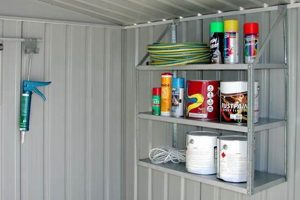
Tip 5: Internal Organization: Design the storage area with efficiency in mind. Shelving, hooks, and tool racks optimize space utilization and ensure easy access to gardening implements. Consider dedicated spaces for potting soil, fertilizers, and other consumables.
Tip 6: Pest and Rodent Control: Implement preventative measures to deter pests and rodents from both sections. Seal gaps, use wire mesh, and consider installing traps to protect plants and stored materials from damage.
Tip 7: Water Management: Install a rainwater collection system or ensure easy access to a water source for irrigation. Proper drainage around the structure’s perimeter prevents water accumulation and potential damage to the foundation.
Effective planning and execution are vital for maximizing the advantages of an integrated gardening and storage structure. Attention to detail during construction and ongoing maintenance contributes to a functional and productive gardening environment.
With these considerations addressed, further sections will explore case studies and practical applications for specific plant types and gardening techniques within such integrated facilities.
1. Space Optimization

Space optimization is a central tenet in the design and utilization of integrated gardening and storage structures. The fundamental rationale driving the adoption of these facilities is the efficient consolidation of gardening functions within a limited footprint. The combination inherently conserves land resources by vertically and horizontally integrating two distinct needs: plant cultivation and equipment storage.
The effects of space optimization extend beyond mere land conservation. Efficient design minimizes travel distances between stored tools and growing plants, enhancing workflow. Consider a homeowner with a small urban backyard. Absent an integrated structure, both a separate shed and greenhouse would be required, consuming valuable recreational space. The integrated structure, conversely, allows for the continuation of both activities while preserving yard area for other uses, such as outdoor dining or play areas. Furthermore, optimized organization within the storage component of the structure reduces clutter and improves inventory management of gardening supplies. This organized structure maximizes usable space and contributes to a more efficient and enjoyable gardening experience.
In conclusion, the drive for space optimization represents a primary factor in the increasing popularity of integrated gardening and storage solutions. The efficient combination of functions not only conserves land, but also enhances the practical utility of the structure, leading to streamlined gardening processes. While challenges remain in adapting designs to specific site constraints and user needs, the core benefit of spatial efficiency remains a defining characteristic of this evolving garden structure.
2. Material Durability

Material durability is a paramount consideration in the construction and longevity of integrated gardening and storage structures. The selected materials directly influence the structure’s resistance to environmental stressors, impacting its lifespan and the cost of ongoing maintenance. Material choice must account for both the greenhouse and storage components, each presenting distinct challenges.
- Structural Integrity and Weather Resistance
The primary function of materials in this application is to provide structural support and protection from the elements. For framing, pressure-treated lumber or metal alternatives resist rot, insect infestation, and corrosion. Greenhouse glazing requires impact-resistant materials such as polycarbonate or tempered glass to withstand hail, wind, and accidental damage. Inadequate material selection in these areas can lead to structural failure and compromised protection for plants and stored equipment.
- Thermal Performance and Insulation
Material properties significantly affect temperature regulation within the greenhouse section. Materials with high thermal mass, such as concrete or stone, can store heat during the day and release it at night, moderating temperature fluctuations. In colder climates, insulated glazing or double-walled panels reduce heat loss, minimizing energy consumption for heating. Conversely, in warmer regions, reflective materials can mitigate overheating. The appropriate balance between thermal mass and insulation is crucial for maintaining a stable growing environment.
- Resistance to Moisture and Chemical Degradation
The greenhouse environment is characterized by high humidity and potential exposure to fertilizers and pesticides. Materials used in interior surfaces must be resistant to moisture damage, mold growth, and chemical degradation. Untreated wood is particularly susceptible to rot and decay, while certain plastics can become brittle or discolored over time. Selecting non-reactive and moisture-resistant materials ensures the longevity of the structure and prevents contamination of the growing environment.
- Long-Term Cost-Effectiveness and Sustainability
While initial material costs are a factor, long-term cost-effectiveness necessitates consideration of maintenance requirements and replacement frequency. Durable materials, though potentially more expensive upfront, reduce the need for repairs and replacements, resulting in lower lifecycle costs. Additionally, selecting sustainable materials, such as recycled plastics or sustainably harvested wood, minimizes the environmental impact of the structure. A comprehensive assessment of material durability should therefore encompass both economic and environmental considerations.
The interplay between these durability facets shapes the overall value proposition of an integrated gardening and storage structure. Prioritizing long-lasting, weather-resistant, and environmentally conscious materials contributes to a more reliable and sustainable gardening solution, minimizing both financial and environmental costs over the structure’s lifespan. Further exploration into specific material options and their associated performance characteristics is essential for informed decision-making.
3. Thermal Regulation

Thermal regulation constitutes a critical factor in the successful operation of combined gardening and storage structures. The greenhouse component necessitates precise temperature control to optimize plant growth and prevent environmental stress. Effective thermal management minimizes energy expenditure, reduces plant mortality, and extends the growing season. The integration of storage and cultivation areas complicates thermal regulation strategies, requiring careful consideration of design and operational parameters.
- Ventilation Strategies
Ventilation serves as a primary mechanism for temperature management. Natural ventilation, achieved through strategically placed vents and operable windows, facilitates airflow, dissipating excess heat during warmer periods. Forced ventilation, utilizing fans and automated control systems, provides greater precision in temperature regulation, particularly in enclosed environments. Inadequate ventilation results in overheating, promoting disease and inhibiting plant development. Conversely, excessive ventilation can lead to rapid temperature drops, stressing plants and increasing heating costs.
- Insulation and Material Selection
The thermal properties of building materials directly influence heat gain and loss. Insulated glazing, double-walled panels, and insulated walls reduce heat transfer, maintaining stable temperatures. High thermal mass materials, such as concrete or stone, absorb and release heat, moderating temperature fluctuations. Selecting materials with appropriate thermal characteristics minimizes the need for supplemental heating and cooling, reducing energy consumption and promoting a more stable growing environment.
- Shading and Light Management
Excessive solar radiation can lead to overheating and plant damage. Shading systems, including shade cloth, blinds, and reflective coatings, reduce light intensity and heat buildup. Orientation of the structure relative to the sun’s path influences light exposure and temperature profiles. Strategic placement of deciduous trees or vines provides seasonal shading, reducing heat gain during the summer months and allowing sunlight penetration during the winter. Effective light management minimizes the risk of overheating and optimizes light distribution for plant growth.
- Heating and Cooling Systems
Supplemental heating and cooling systems provide precise temperature control in environments where passive strategies are insufficient. Greenhouse heaters, typically fueled by gas, electricity, or propane, maintain minimum temperatures during colder periods. Evaporative coolers and air conditioning systems reduce temperatures during hot weather. The selection and operation of these systems must consider energy efficiency, plant requirements, and the overall climate. Over-reliance on active heating and cooling increases energy costs and environmental impact, underscoring the importance of optimizing passive strategies first.
Effective thermal regulation within an integrated gardening and storage structure requires a holistic approach, combining passive design principles with active control systems. By optimizing ventilation, material selection, shading, and supplemental heating/cooling, it is possible to create a stable and productive growing environment while minimizing energy consumption. Continued advancements in greenhouse technology and building materials offer opportunities to further enhance thermal performance and sustainability in these integrated facilities.
4. Structural Integrity

Structural integrity is fundamental to the viability and longevity of any integrated gardening and storage structure. The inherent combination of a greenhouse and shed necessitates a robust framework capable of withstanding diverse environmental stressors and operational loads. Compromised structural integrity precipitates a cascade of negative consequences, ranging from diminished functionality to catastrophic failure. The selection of appropriate materials, meticulous construction techniques, and proactive maintenance protocols are essential for ensuring the sustained stability of the combined structure. For example, a poorly constructed frame may buckle under heavy snow loads, compromising the glazing and potentially damaging stored equipment and plants.
The design of the structure must account for specific regional climatic conditions. In areas prone to high winds, reinforced framing, secure anchoring, and wind-resistant glazing materials are imperative. Similarly, in regions with heavy snowfall, roof designs must incorporate adequate load-bearing capacity to prevent collapse. The integration of storage and greenhouse components introduces unique structural considerations. The weight of stored items, the potential for moisture accumulation within the greenhouse, and the need for adequate ventilation all impact structural design. A failure to address these factors can lead to premature deterioration, increased maintenance costs, and potential safety hazards. Consider, for instance, a situation where inadequate ventilation leads to excessive humidity, accelerating rot in wooden structural members. The subsequent weakening of the frame would compromise the overall stability of the entire structure.
In summary, structural integrity is not merely a desirable attribute, but an indispensable prerequisite for the successful implementation of integrated gardening and storage solutions. A comprehensive understanding of load-bearing requirements, material properties, and construction best practices is critical for ensuring a durable and safe structure. Ongoing inspections and timely repairs are essential for maintaining structural integrity throughout the structure’s service life, thus safeguarding the investment and ensuring the continued functionality of both the gardening and storage components.
5. Integrated Design
Integrated design is not merely an aesthetic consideration but a fundamental principle underpinning the functionality and efficiency of a combined gardening and storage structure. It represents the deliberate and cohesive blending of the greenhouse and shed components, ensuring that each element complements the other to create a unified and optimized gardening solution. Integrated design considers the spatial relationship between growing and storage areas, optimizing workflow and minimizing redundant structural elements. The absence of such integration can result in a disjointed and inefficient structure, negating the benefits of combining these functions. A real-life example of poor integration is a design where the shed section obstructs sunlight from reaching the greenhouse, severely limiting plant growth potential. In contrast, a well-integrated design might incorporate the shed roof as a rainwater collection surface, channeling water into a storage tank for irrigation.
Furthermore, integrated design extends to the selection of materials and construction techniques. The materials chosen must be compatible across both sections of the structure, ensuring consistent aesthetic appeal and minimizing potential conflicts in thermal expansion or contraction. Construction methods should optimize structural integrity across the entire structure, preventing weak points or vulnerabilities at the interface between the greenhouse and shed. From a practical standpoint, integrated design streamlines the building process, reducing material waste and labor costs. Moreover, it facilitates easier maintenance and repairs, as the combined structure can be addressed as a single unit rather than two disparate entities. For example, an integrated design might incorporate a shared foundation, simplifying construction and improving overall structural stability.
In conclusion, integrated design is the linchpin of a successful combined gardening and storage structure. It fosters efficiency, enhances functionality, and ensures structural cohesion. While the implementation of integrated design presents challenges in balancing competing demands and optimizing spatial arrangements, the benefits in terms of improved gardening productivity and resource utilization are undeniable. Neglecting the principles of integrated design undermines the core value proposition of combined gardening and storage structures, rendering them less effective and potentially more costly in the long run.
6. Accessibility
Accessibility, in the context of integrated gardening and storage structures, encompasses the ease with which individuals, regardless of physical ability, can utilize the facilities for both plant cultivation and equipment management. Its importance stems from fostering inclusivity and maximizing the practical utility of the structure for a diverse range of users. The following facets elaborate on the key elements that contribute to accessibility within these combined spaces.
- Threshold and Pathway Design
The design of entry points and pathways significantly impacts accessibility. Thresholds should be minimal or eliminated to prevent tripping hazards, while pathways must be wide enough to accommodate wheelchairs or other mobility aids. Firm, level surfaces are essential for safe and easy navigation throughout the structure. Inadequate pathway design restricts access for individuals with mobility impairments, limiting their ability to fully participate in gardening activities.
- Work Surface Height and Reach
The height of work surfaces, such as potting benches, and the reach required to access plants and tools influence usability for individuals with limited mobility or reach. Adjustable-height work surfaces provide flexibility to accommodate users of varying statures. Shelving and storage systems should be designed to ensure that frequently used items are within easy reach. Non-optimized work surfaces pose challenges for individuals with disabilities, hindering their ability to perform gardening tasks comfortably and safely.
- Tool and Equipment Storage
The organization and accessibility of tools and equipment contribute significantly to the overall user experience. Storage systems should be designed to allow for easy retrieval and replacement of items, even for individuals with limited strength or dexterity. Clearly labeled storage containers and accessible racking systems minimize the need for bending, reaching, or lifting heavy objects. Inaccessible storage solutions create barriers to participation, increasing the risk of injury and frustration.
- Lighting and Visual Cues
Adequate lighting and clear visual cues enhance safety and usability for all individuals, particularly those with visual impairments. Well-lit pathways, work areas, and storage spaces improve visibility and reduce the risk of accidents. Contrasting colors and tactile markers can aid in wayfinding and identifying key features. Insufficient lighting and unclear visual cues compromise safety and limit the usability of the structure, especially for individuals with visual impairments.
Integrating these accessibility considerations into the design and construction of combined gardening and storage structures ensures that these facilities are usable and enjoyable for a wider range of individuals. By prioritizing accessibility, these structures can become valuable resources for promoting inclusive gardening practices and fostering community engagement.
7. Functional Versatility
Functional versatility defines the capacity of an integrated gardening and storage structure to adapt to varied user needs and environmental conditions. This adaptability is a key factor in maximizing the long-term value and utility of such a facility, allowing it to serve multiple purposes beyond basic plant cultivation and equipment storage.
- Adaptive Growing Environments
An essential aspect of functional versatility lies in the ability to modify the greenhouse environment to accommodate diverse plant species and cultivation techniques. This includes adjusting temperature, humidity, and light levels to suit the specific requirements of different plants. For instance, a structure might incorporate adjustable shading systems to protect delicate seedlings from intense sunlight or utilize supplemental lighting to extend the growing season for light-sensitive crops. Structures equipped with these adaptive capabilities can support a wider range of horticultural endeavors, increasing their overall utility.
- Multi-Purpose Storage Configuration
The storage component of the structure benefits from a flexible design that accommodates a variety of tools, supplies, and equipment. This can be achieved through adjustable shelving, modular storage units, and designated spaces for different categories of items. A versatile storage configuration allows the structure to adapt to changing gardening needs and prevent clutter, promoting a more efficient and organized workspace. For example, the storage area could be reconfigured to accommodate seasonal items such as holiday decorations or outdoor furniture during the off-season.
- Integration of Ancillary Functions
Functional versatility also encompasses the integration of ancillary functions beyond basic gardening and storage. This could include incorporating a potting station, a rainwater harvesting system, or a composting area. These additions enhance the self-sufficiency of the structure and reduce reliance on external resources. For instance, a rainwater harvesting system provides a sustainable source of irrigation water, while a composting area allows for the recycling of organic waste into valuable soil amendments.
- Seasonal Adaptability
The ability to adapt to changing seasonal conditions is another critical aspect of functional versatility. This could involve modifying the greenhouse to provide winter protection for tender plants or converting the storage area into a temporary workspace for indoor projects during inclement weather. Structures designed for seasonal adaptability offer year-round utility, maximizing their value and minimizing periods of disuse. A well-designed structure might incorporate removable insulation panels to provide added winter protection or convertible doors that allow for increased ventilation during the summer months.
In conclusion, functional versatility is a defining characteristic of successful integrated gardening and storage structures. The capacity to adapt to diverse user needs, environmental conditions, and seasonal changes enhances the long-term value and utility of these facilities, making them a valuable asset for any gardener or homeowner.
Frequently Asked Questions
This section addresses common inquiries regarding integrated gardening and storage structures. The information presented aims to provide clarity and informed decision-making for prospective adopters.
Question 1: What are the primary benefits of opting for an integrated gardening and storage structure instead of separate units?
The primary benefit lies in space optimization, consolidating gardening functions into a single footprint. Cost efficiency is also realized through shared structural elements and reduced material expenditures. Furthermore, workflow is streamlined by minimizing distances between plant cultivation and equipment storage areas.
Question 2: What key factors should be considered when selecting a location for an integrated gardening and storage building?
Optimal sunlight exposure is paramount, generally favoring southern or eastern orientations. Protection from prevailing winds is also crucial, mitigating potential structural damage. Adequate drainage prevents water accumulation, safeguarding the foundation and mitigating moisture-related issues.
Question 3: What are the material options for the greenhouse portion and what factors influence that selection?
Common material choices include polycarbonate panels, tempered glass, and polyethylene film. Polycarbonate offers impact resistance and insulation, while glass provides superior light transmission and aesthetic appeal. Polyethylene film is a cost-effective option but has a shorter lifespan and lower insulation value. Material selection should consider climate, budget, and desired longevity.
Question 4: How can ventilation be effectively managed within an integrated gardening and storage structure?
Ventilation can be achieved through natural or forced methods. Natural ventilation relies on strategically placed vents and operable windows to facilitate airflow. Forced ventilation utilizes fans and automated control systems to regulate temperature and humidity. The chosen approach should balance energy efficiency with the specific needs of the plants being cultivated.
Question 5: What are the common challenges associated with maintaining an integrated gardening and storage structure?
Challenges include managing temperature fluctuations within the greenhouse, preventing pest infestations, and maintaining structural integrity over time. Proactive monitoring, regular maintenance, and appropriate pest control measures are essential for mitigating these challenges.
Question 6: Can an integrated gardening and storage structure increase property value?
While definitive data is lacking, anecdotal evidence suggests that a well-designed and maintained structure can enhance property value, particularly in areas with a strong gardening culture. Aesthetically pleasing designs and functional features contribute to curb appeal and perceived value.
In summary, integrated gardening and storage structures offer numerous advantages, but careful planning and ongoing maintenance are essential for realizing their full potential. Understanding these aspects is vital for making sound decisions.
The subsequent section will explore case studies of successful installations, illustrating practical applications and demonstrating the versatility of these integrated gardening solutions.
Conclusion
The preceding exploration of the “garden shed greenhouse combo” concept has illuminated its multifaceted benefits and inherent complexities. The advantages of space optimization, cost-effectiveness, and streamlined gardening practices are counterbalanced by the necessity for meticulous planning, informed material selection, and ongoing maintenance. A comprehensive understanding of thermal regulation, structural integrity, and accessibility considerations is paramount for realizing the full potential of these integrated structures.
The integration of gardening and storage functionalities represents a viable solution for maximizing resource utilization and enhancing horticultural productivity. As urbanization continues and land resources become increasingly scarce, such innovative approaches to gardening will likely gain further prominence. Prospective adopters are encouraged to carefully evaluate their specific needs, site constraints, and budgetary limitations before embarking on the construction or acquisition of a “garden shed greenhouse combo.” Further research and consultation with experienced professionals are recommended to ensure a successful and sustainable implementation.