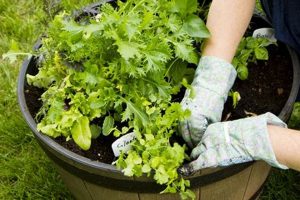
Containers specifically designed for cultivating culinary and medicinal plants offer a controlled environment for growth. These receptacles, available in diverse materials, shapes, and sizes, allow for the cultivation of basil, mint, rosemary, and other flavorful additions to one’s diet, regardless of available yard space.
The use of designated planting vessels for these aromatics promotes efficient resource management, prevents invasive spread in established gardens, and provides accessibility for individuals with limited mobility. Historically, the practice of growing such useful plants in portable containers dates back to ancient civilizations, allowing for ease of transport and protection from adverse weather conditions.
The selection criteria for suitable receptacles will encompass material composition, drainage considerations, size appropriateness for specific varieties, and aesthetic integration with existing landscapes. Further discussion will address optimal soil mixes, watering techniques, and placement strategies to maximize yield and plant health.
Cultivating Aromatic Plants in Containers
Optimizing the growth and vitality of culinary and medicinal plants within designated vessels requires adherence to specific horticultural best practices. Proper planning and execution will yield a bountiful and aesthetically pleasing display.
Tip 1: Container Material Selection: Opt for materials that provide adequate insulation and drainage. Terracotta, while aesthetically pleasing, can dry out quickly. Plastic and resin options retain moisture more effectively, but may require careful monitoring to prevent waterlogging.
Tip 2: Drainage Imperative: Ensure ample drainage holes are present. Amend the potting mix with perlite or vermiculite to improve aeration and prevent root rot. Consider adding a layer of gravel at the base to further facilitate drainage.
Tip 3: Substrate Formulation: Utilize a well-draining potting mix formulated for container gardening. Avoid using garden soil, which can compact and impede root development. A blend of peat moss, perlite, and compost provides an optimal balance of moisture retention and drainage.
Tip 4: Plant Selection and Spacing: Research the mature size and growth habits of selected species. Provide adequate spacing to prevent overcrowding and competition for resources. Consider companion planting strategies to deter pests and improve pollination.
Tip 5: Sunlight Optimization: Position containers in locations that receive adequate sunlight, typically a minimum of six hours of direct sunlight per day. Rotate containers regularly to ensure even light exposure and prevent lopsided growth.
Tip 6: Watering Regimen: Water thoroughly when the top inch of soil feels dry to the touch. Avoid overwatering, which can lead to root rot. Water early in the morning to allow foliage to dry before nightfall, minimizing the risk of fungal diseases.
Tip 7: Fertilization Protocol: Supplement the potting mix with a balanced, slow-release fertilizer. Alternatively, use a liquid fertilizer diluted to half strength every two to three weeks during the growing season. Monitor plants for signs of nutrient deficiencies.
Implementation of these techniques will foster a thriving environment, maximizing the potential for flavorful and aromatic yields. Careful attention to detail ensures healthy root systems, robust growth, and prolonged productivity.
Subsequent discussion will address integrated pest management strategies and overwintering techniques to further enhance the longevity and productivity of potted collections.
1. Material Composition

The selection of materials for constructing containers directly influences the microclimate and growing conditions experienced by culinary and medicinal plants. This choice affects moisture retention, temperature regulation, and the overall health of the root system, ultimately impacting plant vitality and yield.
- Terracotta Porosity
Terracotta’s porous nature allows for excellent aeration and drainage, reducing the risk of overwatering and root rot. However, this porosity also leads to rapid moisture loss, necessitating more frequent watering, particularly in hot or windy conditions. The rustic aesthetic is a common design choice, but the functional implications must be considered.
- Plastic Durability and Inertness
Plastic offers durability and resistance to weathering, making it a long-lasting option. It is also generally inert, minimizing the risk of leaching harmful chemicals into the soil. However, plastic can retain heat, potentially overheating the root zone in direct sunlight. The choice of plastic type, such as UV-resistant polyethylene, can mitigate some of these issues.
- Wood Thermal Properties and Biodegradability
Wooden structures provide good insulation, protecting roots from extreme temperature fluctuations. Untreated wood is biodegradable, offering an environmentally friendly option. However, untreated wood is susceptible to rot and decay, requiring regular maintenance or the use of naturally rot-resistant species like cedar. Treated wood may leach chemicals into the soil, requiring a barrier liner.
- Metal Heat Absorption and Potential Toxicity
Metal offers durability and can add a contemporary aesthetic. However, metal can absorb and retain heat, potentially damaging roots in hot climates. Furthermore, certain metals, such as lead or copper, can leach into the soil and become toxic to plants. The use of food-grade stainless steel or powder-coated metal can minimize these risks.
These material-specific characteristics demand careful consideration when establishing a thriving botanical environment. The interplay between material properties and environmental conditions dictates watering schedules, fertilization strategies, and overall plant health within the confines of the chosen receptacle. Therefore, thoughtful evaluation is paramount.
2. Drainage Efficiency

Drainage efficiency, the rate at which excess water is removed from the soil within a planting receptacle, constitutes a critical factor in the successful cultivation of culinary and medicinal plants. Insufficient or excessive water retention can lead to detrimental physiological effects, impacting overall plant health and productivity.
- Prevention of Root Rot
Stagnant water within a container fosters anaerobic conditions, creating an environment conducive to the proliferation of root-rotting pathogens, such as Pythium and Phytophthora. Efficient drainage mitigates this risk by allowing oxygen to penetrate the soil, supporting healthy root respiration and limiting pathogen activity. For example, containers lacking adequate drainage h
oles are prone to waterlogged soil, increasing the likelihood of root rot and subsequent plant decline. - Nutrient Availability and Uptake
Waterlogged soil impedes the absorption of essential nutrients by plant roots. Aerobic conditions are required for the mineralization of organic matter and the efficient uptake of nutrients such as nitrogen, phosphorus, and potassium. Proper drainage facilitates the movement of nutrients in the soil solution, ensuring adequate availability for plant growth. Conversely, poor drainage can lead to nutrient deficiencies, manifesting as stunted growth and chlorosis.
- Maintenance of Soil Structure
Consistently waterlogged soil can lead to soil compaction, reducing pore space and hindering root penetration. Efficient drainage helps maintain a loose, friable soil structure, promoting healthy root development and aeration. A well-drained soil provides an optimal balance of air and water, supporting microbial activity and nutrient cycling within the root zone. Compacted soil, resulting from poor drainage, restricts root growth and reduces water infiltration.
- Regulation of Soil Salinity
In arid and semi-arid regions, irrigation water can contain high levels of dissolved salts. Insufficient drainage can lead to the accumulation of these salts in the topsoil, creating saline conditions that are toxic to many plants. Efficient drainage leaches excess salts from the root zone, maintaining a favorable osmotic balance for water uptake. The accumulation of salts, due to poor drainage, can result in leaf burn, reduced growth, and ultimately, plant death.
These interconnected factors underscore the vital role of drainage efficiency in ensuring the healthy development of culinary and medicinal plants within a controlled environment. By prioritizing drainage, cultivators can mitigate the risk of disease, optimize nutrient availability, maintain soil structure, and regulate soil salinity, ultimately fostering a thriving and productive botanical yield.
3. Size Appropriateness

The dimensional characteristics of planting receptacles directly correlate with the successful cultivation of culinary and medicinal plants. Inadequate volume restricts root development, leading to stunted growth and reduced yields. Conversely, excessively large containers can retain excessive moisture, predisposing plants to root rot and fungal diseases. Selecting dimensions commensurate with the mature size and growth habits of specific varieties constitutes a foundational aspect of successful horticulture.
For instance, mint, known for its vigorous rhizomatous spread, requires a significantly larger container than thyme, a more compact and slow-growing herb. Planting mint in a small pot restricts its growth, resulting in a limited harvest and potential root binding. Alternatively, planting thyme in an oversized container increases the risk of waterlogged soil, particularly in poorly draining substrates. The practical implication involves researching the mature size and root system characteristics of each herb species prior to container selection. Moreover, consider utilizing multiple smaller pots for individual herbs to prevent aggressive species from overwhelming more delicate companions.
In summation, the correct dimensional sizing of garden receptacles is crucial for promoting healthy root systems, maximizing nutrient uptake, and preventing disease. Overlooking this aspect can compromise plant vitality and diminish productivity. Furthermore, strategic container selection facilitates efficient resource management, optimizes space utilization, and contributes to the overall aesthetic appeal of the cultivated environment. Addressing the challenges of limited space or specific plant needs with appropriate container dimensions allows for the creation of thriving and sustainable aromatic gardens.
4. Light Exposure
Light exposure represents a critical environmental factor governing the photosynthetic efficiency and overall health of culinary and medicinal plants cultivated within designated containers. The quantity, quality, and duration of incident light directly influence plant growth, essential oil production, and flavor intensity. Insufficient illumination leads to etiolation, reduced vigor, and diminished aromatic properties, while excessive exposure can cause leaf scorching and stress.
- Photosynthetic Requirements and Herb-Specific Needs
Different species exhibit varying light requirements based on their evolutionary adaptation and photosynthetic pathways. Mediterranean herbs such as rosemary and thyme, adapted to full sun conditions, necessitate a minimum of six hours of direct sunlight daily. Conversely, shade-tolerant species like mint and parsley thrive in partial shade, requiring protection from intense afternoon sun. Providing appropriate light levels optimizes photosynthetic rates, promoting robust growth and maximizing the production of desirable secondary metabolites.
- Impact on Essential Oil Production and Flavor Profiles
Light intensity significantly influences the synthesis and accumulation of essential oils in aromatic plants. Higher light levels generally correlate with increased essential oil concentration, enhancing flavor and fragrance. For example, basil grown under full sun exhibits a more pronounced and complex aroma compared to basil grown in shaded conditions. However, excessive exposure to ultraviolet (UV) radiation can degrade certain essential oil components, potentially altering the flavor profile. A balanced approach is therefore essential for optimizing both yield and quality.
- Container Placement and Light Management Strategies
Strategic container placement is crucial for maximizing light exposure. Positioning containers on south-facing balconies or patios ensures optimal sunlight penetration. Utilizing reflective surfaces, such as white walls or reflective films, can augment light levels in shaded areas. Furthermore, rotating containers regularly ensures even light distribution, preventing lopsided growth and promoting uniform development. In regions with intense sunlight, employing shade cloth or relocating containers during peak hours can mitigate the risk of leaf scorching.
- Artificial Lighting for Indoor Cultivation
In indoor environments, artificial lighting provides a supplemental or primary light source. Full-spectrum LED grow lights offer a energy-efficient and customizable solution for replicating natural sunlight. Adjusting the light intensity, spectrum, and photoperiod (duration of light exposure) allows for precise control over plant growth and development. For example, blue light promotes vegetative growth, while red light stimulates flowering and essential oil production. Implementing a tailored lighting strategy maximizes the potential for successful indoor herb cultivation.
These factors collectively underscore the intricate relationship between light exposure and the successful cultivation of culinary and medicinal plants within designated receptacles. By meticulously managing light levels, cultivators can optimize photosynthetic rates, enhance essential oil production, and promote vigorous growth, ultimately yielding a bountiful and flavorful harvest. Furthermore, understanding species-specific light requirements allows for informed container placem
ent and the implementation of effective light management strategies, both indoors and outdoors.
5. Watering Consistency

The correlation between irrigation regularity and the health of herbs cultivated within specified containers is substantial. Fluctuations in soil moisture content induce physiological stress, impacting nutrient uptake and overall plant vigor. Maintaining consistent soil hydration, without inducing waterlogging, is a central element in successful potted herb cultivation. For instance, erratic watering schedules applied to basil can manifest as leaf wilting, reduced essential oil production, and heightened susceptibility to fungal pathogens. Conversely, a consistent watering regime, tailored to the specific environmental conditions and the plant’s transpiration rate, promotes robust growth and maximizes aromatic qualities.
Different container materials affect the rate of moisture loss, thereby influencing watering frequency. Terracotta, due to its porous nature, dries out more rapidly compared to plastic or glazed ceramic. Consequently, herbs grown in terracotta receptacles necessitate more frequent watering. Furthermore, environmental factors such as temperature, humidity, and wind speed affect evapotranspiration rates, impacting the duration between watering events. Monitoring soil moisture levels using a moisture meter or by manual assessment allows for precise adjustments to the irrigation schedule, preventing both drought stress and anaerobic conditions. A rosemary plant, when subjected to drought stress, may exhibit needle drop, while overwatering can result in root rot.
Effective irrigation management in the context of potted aromatics requires diligence and an understanding of plant-specific needs. The selection of appropriate watering techniques, such as drip irrigation or hand watering, minimizes water waste and ensures uniform soil saturation. Moreover, mulching the soil surface with organic matter reduces evaporation, conserving moisture and moderating soil temperature. The establishment of a predictable and appropriate watering routine forms a foundational element in the overall health and productivity of potted botanical specimens.
Frequently Asked Questions Regarding Herb Planters
The following section addresses common inquiries related to selecting and utilizing vessels for cultivating culinary and medicinal plants. The information presented aims to provide clarity and guidance for optimizing horticultural practices.
Question 1: What container material is best suited for cultivating rosemary?
Terracotta offers excellent drainage, essential for rosemary, which is susceptible to root rot. However, it requires more frequent watering. Plastic retains moisture better but can lead to waterlogging if drainage is insufficient. The optimal choice depends on environmental conditions and watering habits.
Question 2: How large should a container be for growing mint?
Mint is an aggressive grower with spreading rhizomes. A container at least 12 inches in diameter is recommended to accommodate its growth. Alternatively, planting mint in a smaller, contained pot placed within a larger ornamental container prevents invasive spread.
Question 3: Does drainage truly matter for container-grown herbs?
Adequate drainage is paramount. Insufficient drainage leads to waterlogged soil, creating an anaerobic environment conducive to root rot and hindering nutrient uptake. Ensure containers have drainage holes and consider adding a layer of gravel at the base.
Question 4: What type of soil is appropriate for herb planters?
A well-draining potting mix specifically formulated for containers is recommended. Avoid using garden soil, which compacts easily. A blend of peat moss, perlite, and compost provides an optimal balance of moisture retention and aeration.
Question 5: How much sunlight do herbs in containers require?
Most culinary and medicinal plants need at least six hours of direct sunlight daily. Position containers in locations that receive ample sunlight. Rotate containers regularly to ensure even light exposure.
Question 6: How often should container herbs be fertilized?
Supplement the potting mix with a balanced, slow-release fertilizer at planting. Alternatively, use a liquid fertilizer diluted to half strength every two to three weeks during the growing season. Monitor plants for signs of nutrient deficiencies.
In summary, the success of container herb gardening hinges on appropriate material selection, adequate drainage, suitable soil composition, sufficient sunlight, and consistent watering and fertilization. Careful attention to these factors will promote healthy growth and abundant yields.
The subsequent section will address integrated pest management strategies for container-grown culinary and medicinal species.
Concluding Observations on Garden Planters for Herbs
This exploration has underscored the significance of selecting appropriate garden planters for herbs. Material composition, drainage efficiency, size appropriateness, light exposure, and watering consistency directly influence plant health and productivity. Neglecting these considerations undermines cultivation efforts, potentially resulting in diminished yields or plant mortality. Successful herb gardening necessitates a comprehensive understanding of horticultural best practices and their application to container cultivation.
Therefore, meticulous planning and execution are essential for achieving optimal results. The informed selection and conscientious management of garden planters for herbs represents a commitment to sustainable cultivation and a pathway to maximizing the potential of culinary and medicinal plants.