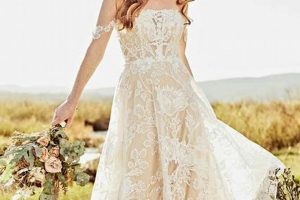
Attire suitable for outdoor social gatherings hosted in a garden setting typically involves light, breathable fabrics and comfortable silhouettes. Examples include floral dresses, linen suits, and separates in pastel or bright colors. Consideration is given to practicality, such as sun protection via hats or accessories, and footwear appropriate for walking on grass or uneven surfaces.
Appropriate sartorial choices for al fresco events contribute significantly to personal comfort and enjoyment. The selection of suitable garments also demonstrates respect for the occasion and the host’s efforts. Historically, such apparel has reflected seasonal trends and evolving social customs regarding outdoor leisure activities, often incorporating elements of nature in design and ornamentation.
The subsequent discussion will delve into specific garment options, accessory considerations, and styling tips that effectively balance aesthetic appeal with the practical demands of an outdoor environment. Detailed analysis of fabric choices and color palettes will also be presented, providing a framework for informed decision-making when selecting appropriate ensembles.
Selecting Appropriate Attire for Garden Parties
The following guidelines provide assistance in choosing suitable garments for garden party settings, emphasizing considerations of comfort, style, and practicality.
Tip 1: Prioritize Breathable Fabrics: Opt for materials such as linen, cotton, or silk, which allow for air circulation and minimize discomfort in warm outdoor environments. Synthetic fabrics may trap heat and are generally less suitable.
Tip 2: Choose Light and Reflective Colors: Select lighter shades and pastels, which reflect sunlight and help to maintain a cooler body temperature. Darker colors absorb heat and can contribute to overheating.
Tip 3: Consider Appropriate Footwear: Select footwear suitable for walking on grass or uneven surfaces. Wedges, flats, or block heels are preferable to stilettos, which may sink into the ground.
Tip 4: Incorporate Sun Protection: Employ accessories such as hats, sunglasses, and lightweight shawls to protect against sun exposure. Sunscreen application remains crucial.
Tip 5: Select Comfortable Silhouettes: Choose garments that allow for ease of movement and do not restrict circulation. Flowing dresses, skirts, or wide-leg trousers are often appropriate choices.
Tip 6: Accessorize Thoughtfully: Consider the overall aesthetic and practicality of accessories. Jewelry should be understated, and bags should be lightweight and functional.
Tip 7: Account for Weather Contingencies: Monitor weather forecasts and prepare for potential changes. A light jacket or wrap may be necessary in case of cooler temperatures or unexpected precipitation.
Adherence to these guidelines promotes both comfort and an appropriate aesthetic presentation, enhancing the overall experience of attending a garden party.
The following sections will explore specific garment categories and styling options in greater detail, providing further guidance for creating a cohesive and appropriate ensemble.
1. Floral Patterns

The incorporation of floral patterns in attire intended for garden parties reflects a long-standing association between fashion and the natural environment. These patterns, ranging from subtle botanical prints to bold, vibrant designs, contribute significantly to the overall aesthetic of the occasion.
- Historical Context and Symbolic Representation
Floral motifs have historically symbolized growth, beauty, and renewal, aligning thematically with the celebratory nature of garden parties. The selection of specific flower types within the pattern can further convey nuanced meanings or reflect the seasonal context of the event. Victorian-era garden parties, for example, frequently featured floral patterns that mirrored popular garden blooms of the time.
- Aesthetic Harmony with the Environment
Floral patterns create visual harmony with the surrounding garden landscape. The integration of these patterns into attire enhances the immersive experience of the event, blurring the boundaries between clothing and environment. Considerations of scale and color palette are crucial to ensuring that the pattern complements, rather than clashes with, the natural backdrop.
- Versatility and Style Adaptability
Floral patterns exhibit considerable versatility, lending themselves to a wide range of garment styles, from flowing maxi dresses to tailored separates. The adaptability of these patterns allows for personal expression while adhering to the general aesthetic expectations of garden party attire. Modern interpretations may incorporate abstract or stylized floral designs, demonstrating the pattern’s enduring relevance to contemporary fashion.
- Impact on Visual Perception and Mood
The presence of floral patterns in clothing can influence visual perception and mood. Bright, colorful floral prints often evoke feelings of joy and optimism, contributing to the overall celebratory atmosphere. Conversely, more muted or monochromatic floral patterns can create a sense of understated elegance and sophistication.
The enduring popularity of floral patterns in attire suitable for garden parties underscores their capacity to enhance the aesthetic experience and reflect the values associated with outdoor social gatherings. The careful selection of floral motifs, considering factors such as historical context, environmental harmony, and personal style, contributes significantly to the overall success of an ensemble.
2. Lightweight fabrics

The selection of lightweight fabrics is a foundational element in determining appropriate attire for garden parties. The causal relationship between the outdoor setting of these events and the need for comfortable clothing necessitates the prioritization of materials that facilitate breathability and minimize heat retention. High temperatures and direct sunlight, common characteristics of garden party environments, directly impact individual comfort levels. Garments constructed from heavier, less breathable fabrics can lead to overheating and discomfort, thereby detracting from the overall experience. The importance of lightweight fabrics stems from their ability to mitigate these adverse effects.
Examples of suitable lightweight fabrics include linen, cotton, silk, and rayon. Linen, derived from flax fibers, offers excellent breathability and moisture-wicking properties. Cotton, a widely available and affordable option, provides a soft and comfortable feel against the skin while allowing for air circulation. Silk, known for its luxurious texture and natural sheen, is a suitable choice for more formal garden parties, offering both elegance and
comfort. Rayon, a semi-synthetic fabric, mimics the properties of natural fibers, providing a cost-effective alternative with good drape and breathability. In contrast, synthetic fabrics like polyester or nylon, while durable and wrinkle-resistant, often lack the necessary breathability, making them less ideal for extended wear in warm outdoor conditions. The practical significance of understanding these fabric properties lies in enabling informed decision-making when selecting or purchasing apparel for garden party settings.
In summary, the connection between lightweight fabrics and garden party wear is intrinsically linked to comfort and environmental appropriateness. The selection of suitable materials directly impacts an individual’s ability to comfortably enjoy the event, mitigating potential discomfort caused by heat and humidity. The understanding of fabric properties, as well as the associated benefits, allows for the optimization of attire choices, aligning practicality with aesthetic considerations. Prioritizing lightweight fabrics contributes significantly to the overall success and enjoyment of any garden party engagement.
3. Comfortable Footwear

The selection of appropriate footwear is critical for attire intended for garden parties. These events typically occur outdoors, often on uneven surfaces such as grass, gravel pathways, or patios. Consequently, footwear that prioritizes stability and comfort is essential to ensure ease of movement and prevent potential injuries. Unsuitable footwear, such as high heels or shoes with inadequate support, can lead to discomfort, instability, and an increased risk of falls. For instance, stilettos may sink into soft ground, rendering them impractical and potentially hazardous. Conversely, footwear with a wider base, such as wedges, flats, or block heels, distributes weight more evenly, providing greater stability and comfort. Real-life examples demonstrate the practical significance of this consideration; attendees navigating garden parties in ill-suited footwear often experience discomfort and reduced mobility, detracting from their overall enjoyment of the event.
Further analysis reveals that footwear choice extends beyond mere practicality; it also contributes to the overall aesthetic of the ensemble. While comfort is paramount, the selected footwear should complement the formality and style of the chosen attire. For example, elegant flats or low-heeled sandals in neutral tones can provide both comfort and sophistication, pairing well with dresses or skirts. Alternatively, loafers or boat shoes may be appropriate for a more casual garden party setting. Practical applications include considering the predicted weather conditions; if rain is anticipated, waterproof or water-resistant footwear options become essential. Additionally, the events duration should factor into the decision-making process, as prolonged periods of standing or walking necessitate footwear with adequate cushioning and arch support. Ignoring these factors can result in foot fatigue, blisters, or other discomforts that detract from the event experience.
In summary, the connection between comfortable footwear and garden party attire is inextricably linked to both practicality and aesthetic considerations. Footwear selection impacts mobility, comfort, and overall safety, while also contributing to the cohesive style of the ensemble. The challenges inherent in navigating outdoor terrain necessitate careful consideration of footwear design, materials, and support features. Understanding this relationship allows attendees to make informed decisions, ensuring their attire is both stylish and functional, thereby enhancing their overall enjoyment of the garden party experience. The integration of comfortable, yet aesthetically appropriate, footwear is a key element in successful garden party attire.
4. Sun protection

Exposure to ultraviolet (UV) radiation during outdoor events, such as garden parties, necessitates the integration of sun protection measures into appropriate attire. Prolonged exposure to UV rays increases the risk of skin damage, premature aging, and skin cancer. Therefore, the incorporation of sun protection elements into garden party wear is not merely an aesthetic consideration but a health imperative. Real-life examples underscore the importance of this connection; individuals attending outdoor events without adequate sun protection often experience sunburn, discomfort, and long-term skin damage. Understanding this cause-and-effect relationship emphasizes the practical significance of selecting attire that mitigates UV exposure.
Practical applications of sun protection within garden party wear include selecting garments with tightly woven fabrics, which provide a higher Ultraviolet Protection Factor (UPF). Wide-brimmed hats offer shade for the face, neck, and ears, areas particularly susceptible to sun damage. Lightweight, long-sleeved shirts and dresses can further minimize exposed skin. The use of accessories such as sunglasses protects the eyes from harmful UV radiation, reducing the risk of cataracts and other eye-related conditions. Consideration should also be given to the color of garments; darker colors generally provide better UV protection than lighter shades. Choosing sun-protective clothing and accessories represents a proactive approach to mitigating the risks associated with prolonged sun exposure during outdoor events.
In summary, the relationship between sun protection and garden party wear is directly linked to health and well-being. The challenges inherent in outdoor events, specifically exposure to UV radiation, necessitate the implementation of protective measures through appropriate clothing and accessories. This understanding underscores the importance of prioritizing sun protection as an integral component of garden party attire. By selecting garments and accessories with UV-protective properties, individuals can minimize their risk of skin damage and enjoy outdoor events safely. The integration of sun protection into garden party wear aligns practicality with health consciousness, ensuring a comfortable and safe outdoor experience.
5. Relaxed silhouette

The selection of a relaxed silhouette in attire for garden parties is a deliberate choice that reflects both the informal nature of the event and the desire for comfort in an outdoor setting. The silhouette serves as a foundational element, influencing overall comfort and aesthetic presentation.
- Freedom of Movement
A relaxed silhouette prioritizes ease of movement, crucial for navigating garden environments and engaging in social activities. Garments with looser cuts, such as flowing dresses or wide-leg trousers, allow for unrestricted mobility. Constricting clothing can impede movement and cause discomfort, particularly in warm weather. Real-world examples include attendees freely mingling and participating in lawn games without feeling constrained by their attire. The relaxed silhouette directly supports this level of activity.
- Breathability and Ventilation
Garments with a looser fit promote air circulation, enhancing breathability and ventilation. This is particularly important in outdoor settings where temperatures can f
luctuate and sunlight can be intense. A relaxed silhouette prevents the trapping of heat and moisture, contributing to overall comfort. Conversely, form-fitting attire can restrict airflow, leading to overheating and discomfort. Therefore, the choice of a relaxed silhouette is intrinsically linked to managing thermal comfort in a garden party environment. - Aesthetic Alignment with Informality
The relaxed silhouette often aligns with the informal and celebratory nature of garden parties. Garments with softer lines and less structured shapes project an image of effortless elegance and approachability. This aesthetic choice complements the ambiance of the event, fostering a sense of ease and conviviality. Examples include flowing maxi dresses or linen separates, which convey a sense of relaxed sophistication. The silhouette serves as a visual cue, signaling an appropriate level of formality for the occasion.
- Adaptability to Diverse Body Types
A relaxed silhouette often proves more forgiving and adaptable to diverse body types. Garments with looser cuts can accommodate a wider range of shapes and sizes, promoting inclusivity and comfort. This adaptability is particularly relevant in social settings where individuals may feel self-conscious about their appearance. By selecting attire with a relaxed silhouette, attendees can prioritize comfort and confidence, allowing them to fully enjoy the event without feeling constrained by rigid sartorial expectations.
The relaxed silhouette, therefore, represents a deliberate choice that balances practicality with aesthetic considerations. Its contribution to freedom of movement, breathability, aesthetic alignment, and adaptability underscores its relevance in the context of garden party attire. The thoughtful selection of garments incorporating this silhouette enhances both comfort and the overall experience of attending such events.
Frequently Asked Questions
The following section addresses common inquiries regarding appropriate attire for garden party settings. The information is intended to provide clarity and guidance in selecting suitable ensembles.
Question 1: What fabrics are most suitable for garden party attire?
Lightweight, breathable fabrics such as linen, cotton, silk, and rayon are generally preferred. These materials facilitate air circulation and minimize discomfort in warm outdoor environments. Avoid synthetic fabrics that trap heat and restrict airflow.
Question 2: Is there a recommended color palette for garden party outfits?
Lighter colors and pastel shades are often favored, as they reflect sunlight and help to maintain a cooler body temperature. Brighter colors, such as floral tones, are also appropriate. Darker colors absorb heat and may be less comfortable in direct sunlight.
Question 3: What type of footwear is appropriate for a garden party?
Footwear suitable for walking on grass or uneven surfaces is recommended. Wedges, flats, or block heels provide greater stability and comfort compared to stilettos. Consider the potential for damp conditions and select footwear accordingly.
Question 4: How can sun protection be incorporated into garden party wear?
Incorporate accessories such as wide-brimmed hats, sunglasses, and lightweight shawls to protect against sun exposure. Select garments with tightly woven fabrics that offer a higher Ultraviolet Protection Factor (UPF). Sunscreen application remains crucial.
Question 5: What level of formality is generally expected at a garden party?
Garden parties typically range from semi-formal to casual. Consider the specific event invitation and host’s preferences when determining the appropriate level of formality. Opt for elegant yet comfortable ensembles that reflect the outdoor setting.
Question 6: How should weather contingencies be addressed when selecting garden party attire?
Monitor weather forecasts and prepare for potential changes in temperature or precipitation. A light jacket, wrap, or umbrella may be necessary to ensure comfort and protection from the elements.
In summary, the selection of appropriate garden party attire involves careful consideration of fabric, color, footwear, sun protection, formality, and weather conditions. The principles outlined above will contribute to informed decision-making and enhanced comfort.
The subsequent discussion will delve into specific styling tips and ensemble suggestions, providing further guidance for creating a cohesive and appropriate garden party look.
Conclusion
This exploration of “garden party wear” has underscored the importance of selecting attire that balances aesthetic appeal with practical considerations. Emphasis has been placed on fabric choice, silhouette, footwear, and sun protection, all of which contribute to comfort and well-being in an outdoor environment. Understanding the nuances of each element is essential for making informed decisions.
The continued relevance of garden party attire lies in its ability to reflect evolving social customs and personal expression. Attendees are encouraged to apply the principles outlined herein, ensuring that their sartorial choices enhance their experience and respect the occasion. Thoughtful selection contributes not only to individual comfort but also to the overall atmosphere of the event.