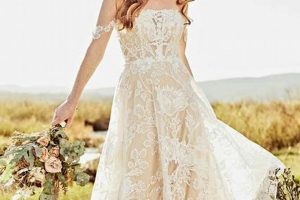
Clothing choices suitable for nuptial celebrations held in outdoor, garden-like settings often involve considerations of comfort, style, and appropriateness for the environment. These events typically suggest a dress code that is less formal than black tie but more elevated than casual everyday wear. For example, floral dresses, linen suits, and dressy separates are common selections.
Selecting appropriate garments for such occasions offers benefits including comfort in potentially varying weather conditions and conveying respect for the hosts and the significance of the event. Historically, dressing for outdoor events has evolved with societal norms, reflecting a shift towards more relaxed yet still refined standards. The specific environment often dictates the level of formality deemed suitable.
This understanding of dress code nuances sets the stage for a more detailed discussion of appropriate fabrics, styles, and accessories. Further, practical considerations such as footwear choices and potential weather contingencies should inform final selections.
Selecting attire for outdoor nuptial events requires careful consideration of several factors. Adherence to suggested guidelines demonstrates respect for the occasion and ensures comfort throughout the event.
Tip 1: Prioritize Breathable Fabrics: Opt for natural materials such as linen, cotton, or silk blends. These fabrics allow for air circulation, mitigating discomfort in warm or humid conditions.
Tip 2: Consider the Time of Day: Daytime events often permit lighter colors and less formal styles. Evening events may warrant darker hues and more structured silhouettes.
Tip 3: Evaluate the Terrain: Footwear should be practical for walking on grass or uneven surfaces. Wedges, block heels, or dressy flats are preferable to stilettos.
Tip 4: Accessorize Appropriately: A wide-brimmed hat or sunglasses can provide sun protection during daytime events. A light shawl or jacket may be necessary for cooler evenings.
Tip 5: Respect the Invitation’s Guidance: Pay close attention to any specific instructions provided on the invitation regarding dress code. Err on the side of formality if uncertain.
Tip 6: Consider the Color Palette: While vibrant colors and floral patterns are often suitable, avoid choices that might clash with the wedding party’s attire or the overall aesthetic of the event.
Tip 7: Prioritize Comfort over Trend: A well-fitting garment that allows for ease of movement is more desirable than a trendy outfit that restricts comfort.
By thoughtfully applying these guidelines, individuals can select garments that are both stylish and appropriate for outdoor nuptial celebrations. The key is balancing personal style with the expectations of the event.
With these tips in mind, individuals can confidently navigate the often-perplexing world of wedding dress codes. The subsequent sections will address common pitfalls and alternative style choices.
1. Fabric Breathability

The selection of fabrics for events held outdoors is paramount, particularly when considering attire for a nuptial celebration. The breathability of a fabric directly impacts the wearer’s comfort level, influencing their overall experience. The following details elucidate key facets of this connection.
- Air Permeability and Comfort
Air permeability, the fabric’s ability to allow air to pass through it, directly correlates with comfort in warm weather. Fabrics with high air permeability facilitate the evaporation of perspiration, preventing the buildup of heat and moisture against the skin. Examples include linen and loosely woven cotton, which are frequently favored for their inherent cooling properties in outdoor settings. Implications include enhanced comfort and reduced risk of overheating.
- Moisture Wicking Properties
Moisture-wicking fabrics, often synthetic blends, are designed to draw moisture away from the skin’s surface. While less traditional for formal occasions, these fabrics can offer superior comfort in humid environments. Examples include certain types of rayon or modal blends, chosen for their ability to manage moisture without sacrificing drape or style. The benefits are a drier and more comfortable experience, especially during prolonged outdoor events.
- Natural Fiber Advantages
Natural fibers, such as linen and silk, offer inherent breathability due to their structure. Linen, with its loose weave, allows for maximum airflow. Silk, while delicate, provides a degree of temperature regulation, keeping the wearer cool in warm weather and warm in cooler temperatures. Examples include linen suits and silk dresses, which are both elegant and practical choices for outdoor wedding events. The impact includes a combination of style and functionality, making them suitable for celebratory occasions.
- Weave Density and Airflow
The density of the weave significantly affects a fabric’s breathability. Tightly woven fabrics restrict airflow, while loosely woven fabrics promote ventilation. Examples include voile and gauze, which are lightweight and breathable options for warm-weather events. The implications are a tangible difference in comfort levels, particularly in direct sunlight or humid conditions. Choosing a looser weave can enhance overall well-being.
The interplay between fabric breathability and overall comfort is a critical factor in garment selection for outdoor nuptial celebrations. Considerations should extend beyond mere aesthetics to incorporate functional properties that enhance the wearer’s experience. The examples provided offer a practical guide for choosing fabrics that are both stylish and suitable for the environment.
2. Appropriate Formality
The correlation between prescribed formality and garment choice for a garden wedding necessitates discernment. The level of formality, typically conveyed through the invitation, dictates the range of acceptable attire. Deviation from this expected standard may indicate disrespect for the hosts and the significance of the event. Consider, for instance, an invitation specifying “cocktail attire.” In this instance, floor-length gowns are generally considered excessively formal, while casual sundresses are insufficiently formal. The result of misinterpreting or disregarding the stipulated level of formality can lead to social awkwardness and a diminished sense of belonging.
Practical examples further illustrate this relationship. A garden wedding with a “semi-formal” designation typically suggests options such as knee-length dresses, dressy separates, or lightweight suits. Selecting fabrics like linen or silk blends aligns with both the outdoor set
ting and the required level of elegance. Conversely, attending a “black-tie optional” garden wedding demands a higher degree of formality, potentially involving floor-length gowns or dark suits. The significance of understanding this connection lies in conveying respect and ensuring comfort and suitability within the given environment.
In summary, the concept of appropriate formality serves as a critical component of garment selection for garden weddings. Challenges may arise from ambiguous or poorly defined dress codes; in such instances, erring on the side of slightly more formal attire is generally advisable. Understanding this correlation not only demonstrates respect for the occasion but also contributes to a cohesive and aesthetically pleasing atmosphere for all attendees.
3. Footwear Practicality
The selection of footwear for a garden wedding represents a critical component of overall attire, directly impacting mobility, comfort, and safety. The inherent unevenness of garden terrain, characterized by grass, gravel pathways, or potentially soft soil, necessitates careful consideration beyond mere aesthetic appeal. Inappropriate footwear choices can lead to discomfort, difficulty navigating the venue, and an increased risk of injury, such as twisted ankles or falls. Therefore, footwear practicality is intrinsically linked to the successful enjoyment of the event. The type of ground surface is an important determination when choosing footwear.
Examples illustrating this principle are abundant. Stiletto heels, while visually elegant, are frequently impractical for walking on grass, often sinking into the ground and impeding movement. Conversely, flat sandals, while comfortable, may lack the support required for prolonged standing or walking, potentially leading to foot fatigue. More suitable alternatives include wedges, block heels, or dressy flats that provide stability and adequate support without compromising style. Furthermore, factoring in potential weather conditions is advisable. For instance, closed-toe shoes might be preferred in case of unexpected rain or damp conditions. There may be pathways that require a more durable sole.
In conclusion, the practicality of footwear constitutes an indispensable element of attire for garden weddings. This consideration transcends mere fashion, directly influencing the wearer’s comfort, mobility, and safety. Addressing this element thoughtfully ensures a more enjoyable and secure experience for all attendees. Considering the entire event when choosing footwear is important to balance aesthetic appeal and practicality.
4. Weather Adaptability
Weather adaptability is a critical factor when selecting garments for outdoor nuptial celebrations. Unpredictable atmospheric conditions can significantly impact comfort and overall experience. Garments chosen without consideration for potential weather fluctuations can lead to discomfort ranging from overheating in direct sunlight to chilling in sudden temperature drops. The connection between garment selection and weather adaptability, therefore, has direct implications for attendees’ well-being and their ability to fully participate in the event.
Examples of this connection are readily observable. A sleeveless dress, while stylish, may prove inadequate if a cool breeze arises. Conversely, a heavy wool suit, while appropriate for a formal indoor setting, could induce overheating in warm, sunny conditions. Practical applications of this understanding involve selecting garments that allow for layering. A light shawl or jacket can be added or removed as needed. The use of breathable fabrics like linen or cotton can mitigate the effects of humidity. Similarly, accessories such as hats or umbrellas provide protection against sun or rain, respectively. Such preparation is essential for ensuring comfort throughout the event, regardless of unexpected weather changes.
In summation, weather adaptability constitutes a fundamental element of selecting suitable attire for outdoor garden weddings. Neglecting this aspect can lead to diminished comfort and overall dissatisfaction. By prioritizing garments and accessories that accommodate potential weather variations, attendees can proactively mitigate discomfort and more fully appreciate the occasion. Addressing potential challenges such as unexpected showers or drastic temperature swings is paramount for a positive experience. This understanding directly links to the broader theme of informed garment selection for outdoor events.
5. Color Palette
The selection of a color palette exerts a significant influence on the appropriateness and aesthetic harmony of attire worn at garden weddings. The choice of hues can either complement or clash with the natural surroundings, the time of day, and the overall formality of the event. A poorly chosen color palette may detract from the celebratory atmosphere, while a well-considered one can enhance the visual appeal and create a cohesive, sophisticated impression. For instance, the decision to wear a neon-colored dress to a daytime garden wedding, characterized by pastel florals, can result in a discordant visual experience. The vibrant, artificial hue may appear out of place against the softer, natural tones.
Conversely, selecting colors that echo or complement the garden’s existing palette fosters a sense of visual unity. Examples include choosing dresses in shades of lavender, sage green, or blush pink for a wedding held in a garden abundant with similarly colored flowers. For evening events, deeper jewel tones like emerald green or sapphire blue can create a more dramatic and elegant effect, while still maintaining a connection to the natural environment. Additionally, considering the season is crucial. Lighter, brighter colors are generally more suitable for spring and summer weddings, whereas richer, warmer tones align better with autumn and winter celebrations. The impact of these choices extends beyond mere aesthetics, influencing the perceived formality and sophistication of the attire.
In summary, the careful consideration of a color palette is a pivotal aspect of selecting appropriate garments for garden weddings. This consideration necessitates an awareness of the surrounding environment, the time of day, and the overall formality of the event. Challenges may arise when navigating unconventional or ambiguous dress codes, but erring on the side of complementary and harmonious hues is generally advisable. This understanding contributes to a more visually pleasing and cohesive event, demonstrating respect for the hosts and the occasion. In broader terms, it emphasizes the importance of thoughtful and deliberate sartorial choices in enhancing social experiences.
Frequently Asked Questions
This section addresses common inquiries regarding appropriate clothing choices for nuptial celebrations held in garden or outdoor settings. The following questions and answers aim to provide clarity and guidance for attendees.
Question 1: Is there a single, universally accepted definition of suitable garments for outdoor wedding events?
No. The appropriate level of formality is typically determined by the explicit dress code stated on the invitation, as well as im
plicit factors such as the time of day and the overall tone of the event.
Question 2: What fabrics are generally considered most appropriate for a wedding taking place outdoors?
Breathable, lightweight fabrics such as linen, cotton, silk blends, and voile are generally preferred due to their comfort in potentially warm or humid conditions.
Question 3: Are stilettos an acceptable footwear choice for a garden wedding?
Stiletto heels are generally discouraged due to the likelihood of sinking into soft ground. Wedges, block heels, or dressy flats offer greater stability and practicality.
Question 4: How should potential weather fluctuations be accommodated in attire selection?
Layering is recommended. A light shawl, jacket, or wrap can provide warmth if temperatures drop. Umbrellas or hats may offer protection against sun or light rain.
Question 5: Is it acceptable to wear black to a garden wedding?
While traditionally associated with mourning, black attire is increasingly acceptable, particularly for evening events. However, it is advisable to temper the somberness with lighter accessories or fabrics.
Question 6: What level of formality is expected if the invitation does not specify a dress code?
In the absence of explicit instructions, “semi-formal” or “cocktail attire” are reasonable assumptions. It is often prudent to err on the side of slightly more formal rather than casual attire.
These answers provide a foundational understanding of appropriate clothing selections for outdoor wedding events. By adhering to these guidelines, attendees can ensure they are both stylish and respectful of the occasion.
Having addressed these common concerns, the subsequent section will examine specific style recommendations and potential pitfalls to avoid.
Conclusion
This exploration of clothing suitable for outdoor nuptial events emphasizes the importance of considering factors beyond mere aesthetics. The key points discussedfabric breathability, appropriate formality, footwear practicality, weather adaptability, and color palettedemonstrate that informed decision-making significantly enhances the wearer’s comfort and the overall atmosphere of the occasion. This is to make sure everyone enjoys the wedding while respecting the wedding couples.
Ultimately, the careful selection of garments for outdoor weddings reflects a commitment to both personal style and social decorum. By prioritizing practicality and thoughtful consideration, individuals contribute to a more enjoyable and memorable experience for themselves and others. Future attire choices should continue to emphasize a balance between aesthetic expression and situational awareness, ensuring that clothing selections enhance, rather than detract from, significant life events.