



These represent a deliberate style of gardening that emphasizes informality and dense planting. Characterized by a mix of ornamental and edible plants, they often include self-seeding annuals and perennials that create a relaxed and abundant aesthetic. Examples include foxgloves, lavender, and hollyhocks, traditionally grown in close proximity to create a vibrant, overflowing display.
This approach to planting offers several advantages. Historically, it provided a practical source of food and medicinal herbs, while simultaneously enhancing the visual appeal of the home. Modern gardens designed in this style promote biodiversity, attracting pollinators and beneficial insects. The informal nature reduces the need for rigid maintenance and allows for a more natural and evolving landscape.
The following sections will delve into the specific characteristics of plants suitable for achieving this style, exploring optimal growing conditions, common design principles, and practical tips for establishing and maintaining a thriving and visually appealing outdoor space. Further discussion will cover the historical evolution and enduring appeal of this gardening tradition.
Cultivating Thriving Blooms
The successful establishment and maintenance of these cultivated spaces necessitate careful consideration of several factors. The following provides key guidelines to maximize plant health and aesthetic impact.
Tip 1: Soil Preparation: Prioritize well-draining soil enriched with organic matter. Amend heavy clay soils with compost or aged manure to improve drainage and aeration. Conduct soil testing to determine pH levels and nutrient deficiencies, adjusting accordingly with appropriate amendments.
Tip 2: Plant Selection: Choose a diverse range of annuals, biennials, and perennials suited to the local climate. Consider bloom times to ensure continuous color throughout the growing season. Prioritize heirloom varieties and self-seeding plants to perpetuate the informal and abundant aesthetic.
Tip 3: Sunlight Requirements: Evaluate the amount of sunlight available in the intended planting area. Select plants appropriate for full sun (6+ hours), partial shade (4-6 hours), or full shade (less than 4 hours) conditions. Consider the changing angle of the sun throughout the year.
Tip 4: Dense Planting: Embrace close spacing between plants to create a full and overflowing effect. This method also helps suppress weed growth and retain soil moisture. Be mindful of mature plant size to avoid overcrowding in the long term.
Tip 5: Deadheading and Maintenance: Regularly remove spent flower heads to encourage continued blooming and prevent excessive self-seeding. Provide adequate support for tall or sprawling plants to maintain an upright form and prevent damage from wind or rain.
Tip 6: Watering Practices: Implement consistent watering, especially during dry periods. Employ soaker hoses or drip irrigation to deliver water directly to the root zone, minimizing water loss through evaporation and reducing the risk of foliar diseases. Avoid overwatering, which can lead to root rot.
Successful implementation of these guidelines contributes to a flourishing environment, characterized by vibrant colors, diverse textures, and a continuous display of blooms. The resulting visual appeal and ecological benefits enhance the overall landscape.
The next section will address design considerations for optimizing the layout and structure of a space featuring this planting style, ensuring a harmonious and visually captivating arrangement.
1. Informality

Informality, as a central tenet, dictates the aesthetic and structural composition. This characteristic deviates from strict, regimented garden layouts, favoring a naturalistic, less contrived appearance. The deliberate lack of rigid symmetry and structured design contributes significantly to the overall charm and appeal.
- Unstructured Layout
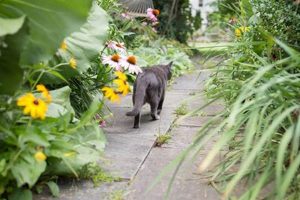
The absence of formal geometric patterns defines the unstructured layout. Pathways meander rather than follow straight lines. Plants are arranged seemingly at random, creating a sense of spontaneity and natural growth. This lack of rigid structure enhances the feeling of a relaxed and inviting outdoor space.
- Planting Style
The planting style embraces a mix of various plants, often blurring the lines between ornamental and edible species. Plants are allowed to self-seed and spread naturally, creating a dense and interwoven tapestry of foliage and blooms. This contrasts with the more controlled and curated planting schemes of formal gardens.
- Material Choices
Materials employed often have a rustic and unrefined quality. Stone pathways, weathered wood fences, and repurposed containers contribute to the informal character. Elements that appear naturally aged or imperfect are favored over pristine and manufactured materials.
- Lack of Defined Boundaries
Boundaries between different sections within the garden are typically blurred or nonexistent. Plants are allowed to spill over pathways and soften edges, creating a sense of continuity and seamless integration. The absence of clear delineations enhances the feeling of immersion within a natural landscape.
These facets of informality collectively contribute to the unique appeal. The absence of rigid structure and controlled design fosters a sense of spontaneity, natural abundance, and relaxed beauty, distinguishing them from more formal garden styles.
2. Dense Planting

Dense planting represents a fundamental design principle integral to the aesthetic and functional characteristics. This technique, characterized by the close proximity of various plant species, directly contributes to the visual abundance and ecological dynamics associated with this gardening style.
- Suppression of Weed Growth
Dense planting inherently reduces available sunlight and physical space for weed establishment. The close proximity of desired plants effectively crowds out opportunistic weeds, minimizing the need for chemical herbicides or manual weeding. This suppression of weed growth contributes to reduced maintenance and healthier growing conditions for the intended flora.
- Moisture Retention and Soil Temperature Regulation
The dense foliage canopy created through close planting acts as a natural mulch, reducing evaporation from the soil surface. This enhanced moisture retention benefits plant health, particularly during periods of drought. Furthermore, the canopy provides shade, moderating soil temperature fluctuations and protecting roots from extreme heat or cold.
- Visual Abundance and Aesthetic Appeal
The deliberate overcrowding of plants creates a sense o
f overflowing abundance, a hallmark of the style. The resulting tapestry of colors, textures, and forms contributes to the visual richness and charm. This aesthetic contrasts sharply with the more sparse and controlled planting schemes found in formal gardens. - Support and Intertwining of Species
Dense planting allows for a natural support system among plants. Taller or more robust species can provide support for weaker or sprawling varieties. This intertwined growth enhances the naturalistic aesthetic and creates dynamic visual interest, fostering a sense of collaboration within the plant community.
The implementation of this planting strategy yields significant benefits for both the visual appeal and ecological health. The suppression of weeds, retention of moisture, and natural support systems, all contribute to a thriving and sustainable environment, exemplifying the inherent advantages associated with this form of landscape design.
3. Mixed Varieties

The defining characteristic of a space styled as a “cottage garden flowers” display is the deliberate inclusion of a diverse assortment of plants. This mixing extends beyond mere aesthetics; it influences the overall health, resilience, and ecological value of the space. The absence of plant monoculture inherently fosters biodiversity, attracting a wider range of pollinators, beneficial insects, and other wildlife. For example, a combination of roses, foxgloves, and herbs provides a variety of nectar sources, bloom times, and habitats that benefit diverse species.
The selection of varied species directly impacts the functionality of the garden. Different plants occupy different niches, utilizing resources in complementary ways. Deep-rooted plants can access water unavailable to shallow-rooted species. Nitrogen-fixing plants, such as legumes, enrich the soil, benefitting neighboring non-nitrogen-fixing plants. Combining plants with varying disease and pest resistances creates a buffer against widespread outbreaks, minimizing the need for chemical interventions. Practical application includes strategic placement of insect-repelling herbs like marigolds near susceptible plants to deter pests naturally.
Understanding the importance of a diverse mix is paramount for establishing a sustainable and thriving garden. Challenges include carefully selecting compatible species with similar environmental needs and managing potential competition for resources. However, the ecological benefits, aesthetic appeal, and overall resilience gained from embracing a wide array of plant life far outweigh the challenges, solidifying the integral role of diverse species within the broader concept.
4. Self-Seeding
Self-seeding plays a vital role in perpetuating the informal and abundant nature that characterizes “cottage garden flowers”. This process, by which plants naturally disperse their seeds and germinate without human intervention, ensures a continuous cycle of renewal and expansion. Its importance lies in its contribution to the garden’s dynamic and evolving aesthetic. For example, plants like poppies, foxgloves, and forget-me-nots readily self-seed, creating a spontaneous and ever-changing display from year to year. This characteristic contrasts with more formal gardening styles, which rely on planned planting and controlled propagation.
The practical significance of understanding self-seeding extends to both the design and maintenance. Gardeners can strategically allow certain plants to self-seed in designated areas, fostering a naturalized effect. Conversely, unwanted self-seeding can be managed through selective removal of seed heads before dispersal. The ability to predict and control self-seeding patterns allows for the creation of dynamic, yet manageable, landscapes. Furthermore, the cost-effectiveness of this natural propagation method reduces reliance on purchased plants, contributing to a sustainable gardening practice. Specific techniques, such as leaving seed heads intact over winter and providing loose soil for germination, can enhance self-seeding success.
While self-seeding is a desirable attribute, its uncontrolled nature can present challenges. Invasive species or overly aggressive self-seeders may outcompete desirable plants, requiring careful monitoring and intervention. Moreover, the genetic variability inherent in self-seeding may lead to changes in flower color or plant form over time. Despite these challenges, the benefits of self-seeding, including its contribution to the garden’s natural aesthetic, reduced maintenance, and enhanced sustainability, make it an integral component of the broader “cottage garden flowers” style.
5. Continuous Bloom
Continuous bloom, defined as the sustained presence of flowering plants throughout an extended period, constitutes a pivotal design objective. The deliberate selection and arrangement of plants with staggered bloom times ensures visual interest and ecological support for pollinators across multiple seasons. Its strategic implementation is crucial for achieving the quintessential aesthetic associated with “cottage garden flowers”.
- Succession Planting
Succession planting involves the intentional selection of annuals, biennials, and perennials that bloom at different times. Early-blooming bulbs, followed by spring-blooming perennials, summer annuals, and late-season asters, creates a seamless transition of floral display. The systematic arrangement of plants, based on anticipated bloom periods, delivers sustained color and texture throughout the growing season. This is in direct contrast to landscapes that peak in a single period and then fade.
- Deadheading and Pruning Techniques
Regular removal of spent flower heads, known as deadheading, encourages repeat blooming in many species. Selective pruning promotes new growth and subsequent flowering, extending the bloom period of individual plants. Correct application of these techniques amplifies the overall impact of succession planting. Regular maintenance prevents the formation of seed heads, redirecting the plant’s energy toward continued flower production. Example: Deadheading roses consistently will encourage new flower flushes all season.
- Strategic Plant Placement
Careful consideration of microclimates within the space, along with the sunlight and soil requirements of each selected species, is crucial for maximizing bloom potential. Placing plants in optimal conditions ensures robust growth and abundant flowering. Positioning early-blooming plants near later-blooming species creates visual anticipation and sustained interest as the season progresses. This technique directly contributes to the continuous display.
- Incorporating Foliage and Textural Elements
Integrating plants with diverse foliage colors and textures provides visual interest even when blooms are absent. The inclusion of ornamental grasses, silver-leaved plants, and bold foliage textures enhances the overall aesthetic. This strategic incorporation of non-flowering elements ensures that the space remains visually appealing even during periods of reduced bloom, contributing to the perception of continuous visual r
ichness.
The successful integration of succession planting, deadheading, strategic placement, and varied foliage guarantees that the spaces are dynamic. The aesthetic is consistent. These design techniques contribute to a sustained visual richness, aligning directly with the core principles of the “cottage garden flowers” aesthetic.
Frequently Asked Questions About Cottage Garden Flowers
The following addresses common inquiries and clarifies misconceptions regarding the establishment, maintenance, and overall design of these gardens.
Question 1: What are the defining characteristics that differentiate this garden style from other garden types?
This style distinguishes itself through its emphasis on informality, dense planting, mixed varieties of ornamental and edible plants, self-seeding, and a focus on achieving continuous bloom throughout the growing season. Formal gardens typically feature structured layouts and controlled plant arrangements, contrasting sharply with the naturalistic appearance.
Question 2: How can the challenges associated with dense planting be effectively managed?
Challenges such as overcrowding and increased susceptibility to disease can be mitigated through careful plant selection, ensuring adequate spacing based on mature plant size, and providing proper air circulation. Regular monitoring for signs of disease or pest infestation is essential.
Question 3: What are the key considerations for selecting plants to ensure continuous bloom?
Selecting plants with staggered bloom times is crucial. This requires careful planning, taking into account the bloom periods of different annuals, biennials, and perennials. Implementing succession planting, where one plant’s bloom period transitions seamlessly into another’s, maximizes the duration of floral display.
Question 4: How does the practice of self-seeding impact the long-term maintenance requirements?
While self-seeding contributes to the garden’s dynamic nature and reduces reliance on purchased plants, it can also lead to uncontrolled spread and the potential displacement of desired species. Regular monitoring and selective removal of seedlings are necessary to manage self-seeding effectively.
Question 5: What strategies can be employed to minimize the need for chemical pesticides and herbicides?
Promoting biodiversity through the inclusion of a wide variety of plants attracts beneficial insects and pollinators that naturally control pests. Implementing companion planting, utilizing insect-repelling herbs, and practicing proper sanitation techniques further reduces the reliance on chemical interventions.
Question 6: Are there specific soil requirements that are critical for the success?
Well-draining soil enriched with organic matter is essential for most species. Conducting a soil test to determine pH levels and nutrient deficiencies allows for appropriate amendments. The addition of compost or aged manure improves soil structure and fertility, providing optimal growing conditions.
Successfully navigating the complexities of establishing and maintaining requires a thorough understanding of key principles, from plant selection to soil management. The careful application of these principles will ensure the creation of a thriving and visually captivating outdoor space.
The subsequent section explores specific design considerations for optimizing layout and structure.
Conclusion
This exploration has delineated the core elements and practical considerations for successfully cultivating “cottage garden flowers”. The discussion emphasized the importance of informality, dense planting strategies, species diversification, the role of self-seeding in maintaining a dynamic aesthetic, and the critical achievement of continuous bloom. By understanding these principles, one can create a landscape that reflects the aesthetic and ecological benefits.
The ongoing relevance of “cottage garden flowers” is ensured by their inherent adaptability and ecological contributions. Further investigation into sustainable practices and regionally appropriate plant selections will continue to enhance the functionality and aesthetic appeal. Consistent application of the knowledge outlined ensures the ongoing vitality and preservation for years to come.



![Over The Garden Wall T Shirts: [The Unknown] + [Styles] | The Ultimate Gardening Guide: Grow a Thriving Garden Year-Round](https://MyGardenPatch.com/wp-content/uploads/2025/07/th-9366-300x200.jpg "Over The Garden Wall T Shirts: [The Unknown] + [Styles] The Ultimate Gardening Guide: Grow a Thriving Garden Year-Round")