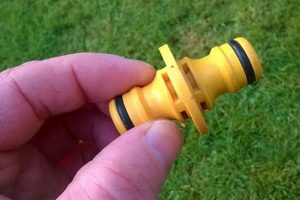
A device attached to a standard outdoor water spigot that removes impurities from the water as it passes through the connected hose and into a swimming pool. This attachment commonly employs filtration media such as activated carbon or sediment screens to capture debris and chemicals. As an example, a homeowner might use this type of filtration to eliminate rust particles or chlorine compounds from municipal water before it enters their newly filled pool.
Utilizing a filtration system during pool filling protects the pool’s surfaces and equipment. Clean water reduces the likelihood of staining or discoloration on the pool liner and minimizes the introduction of particulate matter that can clog filters and damage pumps. Historically, individuals have often relied on unfiltered water sources, leading to increased maintenance requirements and reduced longevity of pool components. The implementation of these filters represents a proactive approach to maintain water quality and extend the lifespan of pool systems.
The subsequent sections will delve into specific types of filtration media used, the installation and maintenance procedures involved, and the criteria for selecting the most appropriate device based on pool size and water source characteristics.
Essential Filtration Practices
The following are recommended practices to ensure optimal performance and longevity of a swimming pool when filling with water.
Tip 1: Pre-Filter Inspection. Before initial use, inspect the filter housing for any signs of damage sustained during shipping or storage. A compromised housing may lead to leaks and ineffective filtration.
Tip 2: Identify Water Source Impurities. Analyze the water source for prevalent contaminants. High iron content, for instance, necessitates a filter specifically designed for iron removal to prevent staining.
Tip 3: Monitor Water Pressure. Observe the water pressure during filling. A significant drop in pressure may indicate a clogged filter. Replace or clean the filter media as needed to maintain adequate flow.
Tip 4: Priming the Filter. Before connecting the hose to the pool, allow water to flow through the filter for a short period. This removes any loose particles or air bubbles that might be present within the filter media.
Tip 5: Consider a Two-Stage Filtration System. For water sources with high levels of sediment or organic matter, utilize a two-stage system involving a sediment filter followed by an activated carbon filter for enhanced purification.
Tip 6: Regular Filter Replacement. Adhere to the manufacturer’s recommended replacement schedule for the filter cartridge. Overextended use reduces filtration effectiveness and may introduce contaminants into the pool.
Tip 7: Post-Fill Water Testing. After filling the pool, conduct a comprehensive water test to verify water balance and identify any remaining impurities requiring chemical treatment.
Implementing these strategies ensures the delivery of cleaner water, ultimately contributing to a healthier and more visually appealing swimming pool environment, and minimizing the need for extensive chemical treatments post-fill.
The subsequent section will explore troubleshooting common issues encountered with these devices and provide guidance on selecting the appropriate filter for specific needs.
1. Sediment Particle Removal

Sediment particle removal is a primary function of a garden hose filter for filling a pool. The influent water from a garden hose often contains suspended solids such as dirt, sand, rust, and other particulate matter. Without effective sediment filtration, these particles are introduced directly into the pool water, resulting in turbidity and reduced clarity. This necessitates increased chemical treatment and potentially more frequent backwashing of the pool’s primary filtration system. A practical example is evident in areas with aging municipal water infrastructure, where dislodged rust particles from pipes commonly contaminate the water supply. A garden hose filter equipped with a sediment removal element, such as a spun-polypropylene cartridge, physically captures these particles, preventing their introduction into the pool.
The effectiveness of sediment particle removal depends on the micron rating of the filter element. A lower micron rating indicates the filter can capture smaller particles. For pool filling applications, a filter with a rating between 5 and 20 microns is typically sufficient to remove visible sediment. It is also important to consider the filter’s capacity, or the amount of sediment it can hold before becoming clogged. High sediment loads may require more frequent filter replacement or the use of a pre-filter to extend the life of the primary sediment filter. The absence of effective sediment removal not only compromises water clarity but also increases the wear and tear on the pool’s circulation pump and filter, potentially leading to costly repairs and replacements.
In summary, sediment particle removal is an integral component of a garden hose filter’s function when filling a pool. Its effective implementation directly impacts water clarity, minimizes chemical usage, and prolongs the lifespan of pool equipment. Choosing a filter with an appropriate micron rating and capacity based on the anticipated sediment load of the water source is critical for achieving optimal results. The challenge lies in accurately assessing the sediment load and selecting a filter that balances effective removal with manageable maintenance requirements. The failure to prioritize sediment removal leads to a cascade of negative effects on pool water quality and equipment longevity.
2. Chemical Contaminant Reduction
Chemical contaminant reduction is a critical function of specialized garden hose filters used when filling swimming pools. Municipal water supplies, while treated, often contain residual chlorine, chloramines, and other disinfection byproducts such as trihalomethanes (THMs). These chemicals, though present at levels deemed safe for drinking, can contribute to skin and eye irritation for swimmers, exacerbate existing respiratory conditions, and impart an unpleasant odor to the pool water. Furthermore, certain metals and organic compounds present in the water source can negatively impact the effectiveness of pool sanitizers and lead to staining of pool surfaces. A garden hose filter incorporating activated carbon or other specialized media serves to adsorb or chemically react with these undesirable substances, mitigating their introduction into the pool environment. Failure to address these contaminants can result in increased chemical demand for balancing the pool water, reduced swimmer comfort, and accelerated degradation of pool liners and equipment.
The efficiency of
chemical contaminant reduction is directly related to the type and quality of the filtration media employed, as well as the contact time between the water and the media. Activated carbon, for instance, is highly effective at removing chlorine, chloramines, and many organic compounds. However, its effectiveness diminishes as the media becomes saturated. Therefore, regular replacement of the filter cartridge, as per the manufacturer’s recommendations, is crucial. Similarly, filters designed for heavy metal removal may utilize ion exchange resins or other specialized materials tailored to specific contaminants prevalent in the water source. The selection of an appropriate filter requires consideration of the known chemical composition of the water supply. Public water utilities often provide water quality reports that detail the levels of various contaminants present. Analysis of these reports enables informed decisions regarding the necessary level and type of chemical contaminant reduction.
In conclusion, chemical contaminant reduction is an essential aspect of using a garden hose filter for filling a pool, contributing to improved swimmer experience, reduced chemical consumption, and protection of pool infrastructure. The choice of filter should be guided by a thorough understanding of the water source’s chemical profile and adherence to recommended maintenance schedules to ensure continued effectiveness. Addressing this aspect proactively mitigates potential long-term costs associated with water imbalances, equipment damage, and increased chemical demand, solidifying the value of employing appropriate filtration during the pool filling process.
3. Filter Flow Rate

Filter flow rate, measured in gallons per minute (GPM) or liters per minute (LPM), represents a critical parameter in the context of garden hose filters used for filling swimming pools. It dictates the speed at which water passes through the filtration media and, consequently, the time required to fill the pool. Selecting a filter with an appropriate flow rate balances filling efficiency with effective contaminant removal. An inadequate flow rate prolongs the filling process, while an excessively high flow rate may compromise the filter’s ability to capture impurities effectively.
- Impact on Filling Time
A lower flow rate directly translates to a longer pool-filling duration. For example, a filter with a flow rate of 5 GPM will take significantly longer to fill a 10,000-gallon pool than a filter rated at 10 GPM. The inconvenience of extended filling times must be weighed against the potential for improved filtration quality, as slower flow rates can increase contact time between the water and the filter media, thereby enhancing contaminant removal.
- Pressure Drop Considerations
The flow rate is inversely related to the pressure drop across the filter. As water passes through the filter media, resistance is encountered, resulting in a reduction in water pressure. A higher flow rate increases this pressure drop. If the source water pressure is insufficient, the filter may not achieve its rated flow rate, leading to a further lengthening of the filling process. Selecting a filter with a design that minimizes pressure drop is therefore important, particularly in areas with low water pressure.
- Filtration Efficiency Trade-offs
While a higher flow rate allows for faster pool filling, it can also reduce the filter’s effectiveness in removing contaminants. At higher flow rates, water spends less time in contact with the filtration media, potentially allowing smaller particles or dissolved chemicals to pass through unfiltered. Some filter designs incorporate features to mitigate this effect, such as increased media surface area or tortuous flow paths, but these often come at the expense of increased pressure drop.
- Filter Capacity and Longevity
The flow rate also influences the overall capacity and lifespan of the filter cartridge. Higher flow rates can accelerate the depletion of the filter media’s adsorption capacity, particularly when dealing with heavily contaminated water sources. Conversely, operating a filter below its rated flow rate can lead to inefficient utilization of the media and potentially encourage the growth of bacteria or algae within the filter housing. Maintaining the filter within its specified flow rate range is crucial for optimal performance and longevity.
Therefore, the selection of a garden hose filter for filling a pool necessitates careful consideration of the filter flow rate in relation to the pool size, source water pressure, and desired level of filtration. The ideal flow rate represents a compromise between minimizing filling time and maximizing contaminant removal, ensuring both convenience and water quality. Failing to properly account for these factors can result in inefficient filling, inadequate filtration, and ultimately, compromised pool water quality.
4. Housing Material Durability

Housing material durability is a pivotal factor in the longevity and performance of a garden hose filter used for filling pools. The housing protects the internal filtration components from external elements and sustains water pressure during operation. Compromised housing integrity can lead to leaks, reduced filtration efficiency, and premature filter failure.
- UV Resistance
Prolonged exposure to ultraviolet (UV) radiation from sunlight can degrade certain plastic materials, causing them to become brittle and prone to cracking. Filters used outdoors are susceptible to this degradation. Materials with inherent UV resistance, or those treated with UV stabilizers, are essential to prevent premature housing failure. For instance, polypropylene housings without UV inhibitors will degrade faster than those made with UV-resistant polycarbonate.
- Pressure Tolerance
The filter housing must withstand the water pressure supplied by the garden hose. Exceeding the housing’s pressure rating can lead to ruptures or leaks, rendering the filter ineffective and potentially causing water damage. Housings constructed from reinforced plastics or metals exhibit higher pressure tolerance. Municipal water systems often have varying pressure levels, necessitating a housing material capable of withstanding fluctuations and surges.
- Chemical Resistance
Exposure to pool chemicals, cleaning agents, or even naturally occurring minerals in the water can corrode or degrade certain housing materials. Housings made from chemically resistant materials, such as polypropylene or stainless steel, are necessary to prevent deterioration and maintain structural integrity. This is particularly important in areas with hard water or where aggressive pool chemicals are used.
- Impact Resistance
The filter housing should be able to withstand physical impacts that may occur during handling, installation, or storage. Accidental drops or bumps can crack or damage housings made from brittle materials, compromising their ability to maintain a pressure seal. Housings constructed from impact-resistant materials, such as reinforced polymers or metals, provide greater protection against physical damage.
The durability of the housing material directly impacts the reliability and lifespan of a garden hose filter. Selecting a fil
ter with a housing material appropriate for the anticipated environmental conditions and water pressure is crucial for ensuring effective and long-lasting filtration performance. Failure to consider these factors can result in premature filter failure, increased maintenance costs, and compromised pool water quality.
5. Cartridge Replacement Frequency

Cartridge replacement frequency is a crucial aspect of maintaining the effectiveness of a garden hose filter used for filling pools. The lifespan of a filter cartridge is finite, and its performance degrades over time due to the accumulation of contaminants. Understanding the factors that influence cartridge replacement frequency is essential for ensuring consistent water quality and preventing damage to pool equipment.
- Water Source Quality
The quality of the water source significantly impacts the lifespan of a filter cartridge. Water sources with high levels of sediment, organic matter, or chemical contaminants will necessitate more frequent cartridge replacements. For example, a well water source with elevated iron levels will rapidly deplete the capacity of a sediment filter designed to remove rust particles, requiring more frequent changes compared to a municipal water source with lower iron concentrations. The specific contaminants present in the water source dictate the rate at which the filter media becomes saturated, ultimately determining the replacement schedule.
- Filter Usage Volume
The volume of water processed through the filter directly correlates with cartridge lifespan. Filters used to fill larger pools or those used more frequently will require more frequent cartridge replacements. A homeowner who fills their pool multiple times per season, or uses the filter to pre-fill a hot tub regularly, will need to replace the cartridge more often than someone who only fills their pool once a year. The total gallons of water filtered before cartridge replacement is needed is a key factor.
- Filter Cartridge Type
The type of filter cartridge used influences its lifespan. Sediment filters, carbon filters, and specialized filters for specific contaminants have varying capacities and lifespans. A high-capacity carbon filter designed for chlorine removal will typically last longer than a standard carbon filter. Similarly, a pleated sediment filter offers greater surface area and longer lifespan compared to a spun-polypropylene filter. Choosing the appropriate filter cartridge type for the specific water source and application can optimize cartridge replacement frequency.
- Manufacturer Recommendations
Following the manufacturer’s recommendations for cartridge replacement is essential. Manufacturers typically provide guidelines based on water quality, usage volume, and filter performance. These recommendations are based on extensive testing and are designed to ensure optimal filtration and prevent damage to the filter housing. Ignoring manufacturer recommendations can lead to reduced filtration efficiency, increased pressure drop, and potential damage to the filter unit.
In conclusion, cartridge replacement frequency is a critical factor in the effective use of a garden hose filter for filling pools. Water source quality, filter usage volume, cartridge type, and manufacturer recommendations all play a role in determining the optimal replacement schedule. Adhering to a proactive maintenance plan that includes regular cartridge replacements ensures consistent water quality and protects pool equipment from damage, ultimately extending the lifespan of the pool and reducing the need for costly repairs.
6. Water Source Compatibility
Water source compatibility is a foundational consideration when selecting a garden hose filter for filling a pool. The chemical composition and particulate content of the water source directly impact the filter’s efficiency and lifespan. A filter designed for municipal water, characterized by relatively low sediment and specific chemical additives, may perform inadequately when used with well water containing high levels of iron, manganese, or organic matter. This incompatibility results in reduced filtration effectiveness, premature filter clogging, and potentially, the introduction of undesirable contaminants into the pool. For instance, using a standard carbon filter with well water high in iron may lead to rapid iron oxide buildup on the filter media, drastically shortening its lifespan and potentially causing staining of the pool surface.
The implications of water source incompatibility extend beyond mere filter inefficiency. Introducing untreated well water into a pool, even with a filter designed for municipal water, can necessitate increased chemical treatment to achieve proper water balance and sanitation. This increases operational costs and can lead to imbalances that affect swimmer comfort and pool equipment longevity. Furthermore, some specialized filter media, such as those designed for heavy metal removal, can actually release contaminants back into the water if the water chemistry is incompatible. Therefore, a comprehensive water test of the source water is essential before selecting and deploying a garden hose filter. This analysis should identify prevalent contaminants, pH levels, and other relevant parameters to ensure the chosen filter is specifically designed to address the water’s unique characteristics.
In summary, water source compatibility is paramount for effective and economical pool filling. A mismatch between the filter’s design and the water source’s composition not only diminishes filtration performance but can also introduce contaminants, increase chemical demand, and compromise swimmer safety. The selection process must begin with a thorough water analysis to identify specific contaminants and ensure the chosen filter is engineered to effectively address those challenges, preventing costly and potentially harmful consequences.
Frequently Asked Questions
The following addresses common inquiries regarding the utilization and benefits of garden hose filters when filling swimming pools, emphasizing proper usage and expected outcomes.
Question 1: What distinguishes a garden hose filter for pool filling from a standard water filter?
Garden hose filters designed for pool filling are typically engineered to handle larger water volumes and target contaminants prevalent in water sources used for filling pools. These filters often incorporate multiple filtration stages, addressing sediment, chemicals, and metals, unlike standard household filters focused primarily on potable water treatment.
Question 2: How frequently should the filter cartridge be replaced?
Cartridge replacement frequency depends on water source quality and usage volume. A visual inspection for sediment buildup and a reduction in water flow rate serve as indicators for replacement. Adhering to the manufacturer’s recommended replacement schedule, typically ranging from one to three months of continuous use, is paramount.
Question 3: Can a garden hose filter eliminate the need for pool chemicals?
A garden hose filter reduces, but does not eliminate, the necessity for pool chemicals. While the filter removes certain contaminants, proper chemical balancing remains e
ssential for sanitation, algae prevention, and maintaining water clarity. Regular testing and adjustment of chemical levels are still required.
Question 4: Is a specific filter type required for well water versus municipal water?
Yes, a specialized filter is generally recommended for well water due to the higher likelihood of sediment, iron, and other mineral content. Filters designed for well water often incorporate pre-filtration stages and specialized media for iron removal, whereas filters for municipal water primarily address chlorine and chemical byproducts.
Question 5: Does filter flow rate affect its contaminant removal capabilities?
Yes, filter flow rate influences contaminant removal. Exceeding the filter’s recommended flow rate can reduce contact time between the water and filtration media, compromising its ability to effectively capture contaminants. Maintaining the flow rate within the manufacturer’s specified range is crucial for optimal performance.
Question 6: What are the signs of a malfunctioning or ineffective filter?
Signs of a malfunctioning or ineffective filter include a noticeable decrease in water flow rate, discoloration of the filtered water, an unusual odor, or a failure to achieve the desired water clarity. Any of these indicators suggests the need for filter replacement or inspection of the filter housing for damage.
Proper implementation and consistent maintenance are key to leveraging the benefits of these filtration devices.
The next section will delve into real-world case studies where these filters made a difference.
Conclusion
The preceding discussion has outlined the critical aspects of a garden hose filter for filling pool applications. Effective implementation requires careful consideration of water source characteristics, filtration media, flow rates, housing material durability, and maintenance schedules. Selecting an appropriate filter, tailored to the specific needs of the pool and water source, is essential for optimizing water quality and protecting pool equipment.
The diligent application of these principles promotes a healthier and more sustainable pool environment. Further investigation into emerging filtration technologies and evolving best practices will undoubtedly refine the process and enhance the benefits derived from this essential tool. Ongoing assessment and adaptation remain critical to achieving optimal results in pool water management.
![Best 2 Inch Garden Hose For [X] & Reviews | The Ultimate Gardening Guide: Grow a Thriving Garden Year-Round](https://MyGardenPatch.com/wp-content/uploads/2025/07/th-5631-300x200.jpg "Best 2 Inch Garden Hose For [X] & Reviews The Ultimate Gardening Guide: Grow a Thriving Garden Year-Round")