



This device is a component designed to remove particulate matter from water flowing through a flexible tube used for irrigation or cleaning. Typically constructed from mesh or a similar porous material, it prevents debris such as sand, leaves, and sediment from entering the hose and potentially damaging connected equipment or reducing water flow.
The utilization of such a component offers multiple advantages. It safeguards irrigation systems from clogging, prolonging their lifespan and maintaining optimal performance. Clean water delivery also contributes to healthier plant growth and more efficient cleaning. Historically, these filters represent an evolution in water management, reflecting a growing awareness of the impact of water quality on both domestic and agricultural applications.
Understanding the different types, installation procedures, maintenance requirements, and selection criteria is crucial for maximizing the benefits of this essential gardening tool. The following sections will delve into these aspects, providing a comprehensive overview for informed decision-making.
Optimizing Performance with Inlet Filtration
Proper utilization of an inlet filtration device ensures efficient and prolonged operation of watering systems. The following tips offer guidance on maximizing its effectiveness.
Tip 1: Select the Appropriate Mesh Size: The size of the mesh should correspond to the type of debris commonly found in the water source. Finer mesh offers greater protection against smaller particles, but may require more frequent cleaning.
Tip 2: Regular Inspection is Crucial: Periodically examine the filter for clogs or damage. A blocked component reduces water pressure and can strain the connected hose and equipment.
Tip 3: Implement a Routine Cleaning Schedule: Adhere to a regular cleaning schedule based on the frequency of use and the water quality. This prevents buildup of sediment and ensures optimal flow.
Tip 4: Correct Installation Prevents Leaks: Ensure the filter is properly seated and tightened to prevent water leakage. Leaks not only waste water, but can also reduce water pressure.
Tip 5: Winterization Procedures are Necessary: Before freezing temperatures arrive, remove the filter and drain any remaining water to prevent cracking or damage to the component.
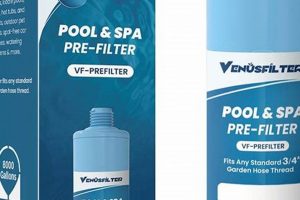
Tip 6: Consider a Pre-Filter for Heavily Contaminated Sources: If the water source contains significant sediment, consider using a pre-filter to extend the lifespan of the main filter.
Tip 7: Replace Damaged Components Promptly: If the filter element is torn or damaged, replace it immediately to maintain its effectiveness.
By adhering to these guidelines, one can ensure the effective and prolonged functionality of watering equipment, maximizing its utility and minimizing potential problems.
The following section will summarize the key benefits and explore some common troubleshooting techniques related to this component.
1. Sediment Removal

Sediment removal is a primary function of a garden hose screen filter. The device’s design directly addresses the challenge of particulate matter present in water sources. Without effective sediment removal, these particles, including sand, silt, and rust, can accumulate within irrigation systems, causing blockages and reduced water flow. This, in turn, diminishes the efficiency of sprinklers, drip lines, and other connected equipment. For example, well water, often containing higher concentrations of sediment, necessitates a screen filter to protect sensitive irrigation components. The inability to remove this sediment leads to premature wear and tear, requiring more frequent repairs or replacements.
The screen filter’s role extends beyond simple blockage prevention. By removing abrasive particles, it protects the internal components of pumps and other water-handling devices from damage. The presence of sediment in irrigation water can also negatively impact plant health. The abrasive action of sediment can damage plant leaves and stems, hindering growth and reducing crop yields. Furthermore, sediment-laden water can clog soil pores, impeding water absorption and potentially leading to root rot. The implementation of a screen filter mitigates these risks by providing a clean water supply for optimal plant health and growth.
In conclusion, sediment removal is not merely an ancillary benefit but a core operational function of a garden hose screen filter. Its effectiveness directly impacts the lifespan and performance of watering systems, the health of irrigated plants, and the overall efficiency of water usage. Addressing the challenge of sediment in water is a critical aspect of responsible water management in both residential and agricultural settings.
2. Flow Rate Maintenance

Flow rate maintenance is intrinsically linked to the functionality of a garden hose screen filter. The filters primary purpose is to prevent debris from entering the water stream. However, the accumulation of trapped particles within the filter obstructs the flow path, directly diminishing the water flow rate. Reduced flow can impact the performance of sprinklers and other downstream devices, leading to uneven watering patterns and decreased efficiency. Therefore, maintaining an optimal flow rate relies heavily on the filter’s ability to efficiently remove particulate matter and the implementation of routine cleaning protocols.
The selection of an appropriate mesh size is crucial for effective flow rate maintenance. Finer mesh filters capture smaller particles but are more susceptible to clogging, necessitating more frequent cleaning. Conversely, coarser mesh filters allow larger particles to pass through, potentially compromising the protection of downstream equipment but reducing the risk of flow restriction. A practical example involves comparing the performance of two identical irrigation systems, one equipped with a properly maintained screen filter and the other without. The system lacking a functional filter will exhibit reduced flow rates over time due to accumulating debris within the pipes and sprinkler heads, while the system with the filter will maintain a more consistent flow rate.
In conclusion, the relationship between flow rate maintenance and garden hose screen filters highlights the importance of regular maintenance and appropriate filter selection. Neglecting filter cleaning leads to reduced water pressure, uneven water distribution, and potential damage to connected equipment. Understanding this connection enables informed decisions regarding filter types and maintenance schedules, ultimately optimizing water usage and preserving the longevity of irrigation systems. Addressing the challenges associated with maintaining consistent flow rates through filtration systems requires a balanced approach that considers both water quality and desired fl
ow characteristics.
3. System Protection

The installation of a garden hose screen filter serves as a primary line of defense against damage to irrigation and water distribution systems. Without such a protective barrier, particulate matter, ranging from minute sand granules to larger organic debris, enters the system. These contaminants abrade internal components, obstruct nozzles, and reduce the overall efficiency of water delivery. Pumps, in particular, are susceptible to damage from abrasive particles, leading to premature failure. Sprinkler heads and drip emitters, designed for precise water distribution, become clogged, resulting in uneven watering patterns and plant stress. Consequently, the investment in a screen filter translates directly to extended system lifespan and reduced maintenance costs.
Consider the scenario of a residential irrigation system relying on well water. Well water often contains higher concentrations of sediment and mineral deposits. Without filtration, these abrasive substances accelerate the wear and tear on pump impellers, sprinkler nozzles, and other critical components. The result is decreased performance, increased energy consumption, and ultimately, the need for costly repairs or replacements. In contrast, a system equipped with a properly maintained screen filter significantly mitigates these risks, ensuring consistent water pressure, uniform distribution, and prolonged equipment longevity. The practical application of this understanding lies in the proactive selection and maintenance of appropriate filter types tailored to specific water quality conditions.
In summation, system protection is a fundamental benefit derived from the deployment of a garden hose screen filter. This proactive approach safeguards sensitive components, ensures efficient water distribution, and minimizes the financial burden associated with equipment repair and replacement. The challenges inherent in maintaining effective system protection are addressed through regular filter inspection and cleaning, ensuring the continuous removal of harmful contaminants and the sustained performance of the entire water delivery infrastructure. The implications extend beyond cost savings, encompassing environmental stewardship through efficient water usage and reduced resource consumption.
4. Mesh Size Selection

Mesh size selection is a critical determinant of a garden hose screen filter’s effectiveness. Mesh size, measured in microns or mesh count (number of openings per inch), dictates the size of particulate matter the filter captures. A smaller mesh size provides finer filtration, removing a greater range of contaminants. However, a finer mesh also restricts water flow more significantly and requires more frequent cleaning to prevent clogging. Therefore, the optimal mesh size selection necessitates a balanced consideration of water source quality and desired flow rate.
The practical significance of proper mesh size selection is evident in various applications. For example, a system drawing water from a well with high sediment content benefits from a finer mesh filter to protect downstream components. Conversely, a municipal water source, generally cleaner, may function effectively with a coarser mesh that maintains a higher flow rate. The inappropriate selection can lead to several adverse outcomes: a filter with too coarse a mesh will allow damaging particles to pass through, while one with too fine a mesh will quickly clog and reduce water pressure. Consider an agricultural setting where drip irrigation is employed. Clogged emitters due to inadequate filtration result in uneven water distribution, leading to reduced crop yields and increased water waste.
In conclusion, mesh size selection is not a trivial aspect of garden hose screen filter utilization. It requires a thorough assessment of water quality and a clear understanding of the trade-offs between filtration efficiency and flow rate maintenance. The consequences of improper selection range from compromised system protection to diminished operational efficiency. Therefore, a proactive approach to mesh size selection, informed by water source analysis and system requirements, is essential for maximizing the benefits of a screen filter. The ongoing challenge lies in adapting filter selection to varying water conditions and optimizing maintenance schedules to ensure sustained performance.
5. Regular Cleaning
Regular cleaning constitutes a fundamental component of garden hose screen filter maintenance. The filter’s primary function is to capture particulate matter, preventing its entry into the water distribution system. This capture process, however, inevitably leads to the accumulation of debris on the filter screen. Over time, this accumulation restricts water flow, reduces system pressure, and diminishes the filter’s overall effectiveness. Without regular cleaning, the filter becomes a bottleneck, hindering system performance rather than enhancing it. A clear cause-and-effect relationship exists: accumulated debris causes reduced water flow, necessitating regular cleaning to restore optimal performance. For instance, a drip irrigation system relying on unfiltered well water will quickly experience emitter clogging if the screen filter is not routinely cleaned. This clogging results in uneven water distribution, stressing plants and potentially reducing crop yields.
The frequency of cleaning depends on the water source’s quality and the system’s usage. Sources with high sediment levels require more frequent cleaning intervals. Visual inspection provides a practical method for determining when cleaning is necessary. Reduced water pressure or noticeable debris accumulation on the screen are indicators that cleaning is overdue. The cleaning process itself typically involves removing the filter element and rinsing it thoroughly with water. In some cases, a brush may be necessary to dislodge stubborn particles. Neglecting regular cleaning not only diminishes water flow but also shortens the filter’s lifespan. Excessive debris buildup places strain on the filter material, potentially leading to tears or damage. A torn filter becomes ineffective, allowing unfiltered water to enter the system and negating the purpose of the device.
In summary, regular cleaning is not an optional add-on but an indispensable element of garden hose screen filter maintenance. It directly impacts water flow, system pressure, filter lifespan, and overall system performance. The challenges associated with maintaining optimal filtration efficacy are addressed through diligent cleaning practices tailored to specific water quality conditions. Failing to prioritize regular cleaning undermines the filter’s benefits and increases the risk of system damage, ultimately compromising the efficiency and longevity of the entire water distribution infrastructure.
6. Material Durability

The operational effectiveness and longevity of a garden hose screen filter are directly correlated with the durability of its constituent materials. The
filter is constantly exposed to environmental stressors, including fluctuating water pressure, temperature variations, and the abrasive effects of particulate matter. Therefore, the selection of robust materials is paramount to ensuring reliable performance over an extended period. Inferior materials are prone to degradation, leading to filter failure, reduced water flow, and potential damage to connected irrigation systems. For example, a filter constructed from low-grade plastic may become brittle and crack under pressure, while a screen made from a non-corrosion-resistant metal will degrade when exposed to chemically treated water.
The materials commonly employed in the construction of these filters include various grades of plastic (polypropylene, polyethylene), stainless steel, and brass. Stainless steel screens offer superior resistance to corrosion and abrasion, making them suitable for demanding applications involving well water or irrigation systems with high sediment content. Plastic housings, while generally less expensive, must possess sufficient strength and UV resistance to withstand prolonged outdoor exposure. The practical consequence of prioritizing material durability is a reduction in maintenance frequency and replacement costs. A well-constructed filter, using durable materials, provides years of reliable service, minimizing the need for repairs or replacements.
In summary, material durability is a crucial factor determining the overall value and performance of a garden hose screen filter. The selection of appropriate materials, based on the specific operating conditions and water quality, is essential for maximizing filter lifespan and minimizing the risk of system failure. The challenge lies in balancing cost considerations with the long-term benefits of enhanced durability, ensuring that the chosen filter provides reliable and cost-effective filtration for the intended application. This understanding extends beyond mere product selection, informing responsible water management practices and promoting the sustainable use of irrigation equipment.
7. Prevent Clogging
The capacity to prevent clogging stands as a central and defining characteristic of a garden hose screen filter. Its design and implementation directly address the issue of particulate matter accumulation, which, if unmanaged, severely impedes the efficiency and functionality of connected water systems.
- Maintenance of Optimal Flow Rate
Clogging directly reduces the water flow rate through the hose and connected devices. The filter, by trapping debris, maintains a consistent flow, ensuring proper operation of sprinklers, spray nozzles, and other water-delivery components. For instance, a clogged drip irrigation system delivers uneven water distribution, stressing plants and reducing yields. Regular filter maintenance prevents this.
- Protection of Downstream Equipment
Clogging not only reduces flow but introduces abrasive particles into the water stream. These particles can damage pumps, valves, and sprinkler heads, leading to premature wear and costly repairs. A screen filter shields these components, extending their lifespan. As an example, a pump impeller damaged by sediment requires replacement, an expense avoided through effective filtration.
- Prevention of Mineral Buildup
Certain water sources contain dissolved minerals that precipitate and solidify over time, forming scale. While a screen filter cannot remove dissolved minerals, it can prevent larger mineral flakes from entering the system and accelerating scale buildup in pipes and nozzles. In locations with hard water, the filter plays a role in mitigating the impact of mineral deposits.
These interrelated facets underscore the critical role of a garden hose screen filter in preventing clogging. By maintaining flow rate, protecting equipment, and reducing mineral buildup, the filter contributes to the overall efficiency and longevity of water distribution systems. The investment in and proper maintenance of such a filter translates to long-term cost savings and enhanced system performance.
Frequently Asked Questions
The following questions address common concerns and misconceptions regarding the utilization and maintenance of this essential component for water systems.
Question 1: What is the primary function?
The primary function is to remove particulate matter, such as sediment, sand, and debris, from water flowing through a garden hose. This prevents clogging and damage to connected equipment.
Question 2: How does mesh size affect performance?
Mesh size determines the size of particles captured. Finer mesh filters remove smaller particles but may reduce water flow and require more frequent cleaning. Coarser mesh filters offer higher flow rates but may not capture all contaminants.
Question 3: How often should a garden hose screen filter be cleaned?
Cleaning frequency depends on the water source’s quality and usage. Inspect the filter regularly. Reduced water pressure or visible debris accumulation indicates the need for cleaning.
Question 4: What materials are commonly used in the construction?
Common materials include various grades of plastic (polypropylene, polyethylene), stainless steel, and brass. Stainless steel offers superior resistance to corrosion and abrasion.
Question 5: Can a garden hose screen filter remove dissolved minerals?
No, a garden hose screen filter removes particulate matter but does not remove dissolved minerals from the water.
Question 6: What are the consequences of neglecting filter maintenance?
Neglecting maintenance leads to reduced water flow, potential damage to connected equipment, decreased system efficiency, and shortened filter lifespan.
Proper implementation and regular maintenance of this filter extends the lifespan and optimizes the performance of irrigation systems and connected water-using devices.
The subsequent sections will explore common troubleshooting techniques to address specific issues related to garden hose screen filter functionality.
Conclusion
The preceding discussion has detailed the function, benefits, and maintenance requirements associated with the garden hose screen filter. This component serves as a critical barrier against particulate contamination, safeguarding irrigation systems and connected devices from potential damage and reduced efficiency. Proper implementation and consistent upkeep are essential to realizing its intended advantages.
Recognizing the importance of water quality and employing appropriate filtration methods represent responsible resource management. Continued diligence in maintaining the garden hose screen filter ensures optimal system performance, contributes to water conservation, and promotes the longevity of valuable equipment.
![Best 2 Inch Garden Hose For [X] & Reviews | The Ultimate Gardening Guide: Grow a Thriving Garden Year-Round](https://MyGardenPatch.com/wp-content/uploads/2025/07/th-5631-300x200.jpg "Best 2 Inch Garden Hose For [X] & Reviews The Ultimate Gardening Guide: Grow a Thriving Garden Year-Round")