



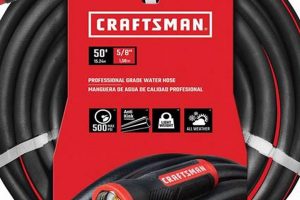
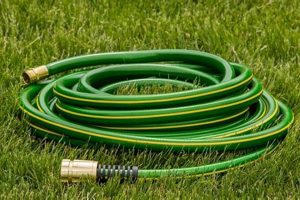
A flexible conduit designed for transporting water, typically constructed from rubber and extending to a length of one hundred feet, serves as a vital tool for irrigation, cleaning, and various outdoor tasks. This particular configuration provides extended reach, enabling users to access distant areas within a garden or landscape without repositioning the water source. For example, it can facilitate watering plants at the far end of a yard from a single spigot location.
The utility of such a device stems from its durability, flexibility, and extended length. The rubber composition allows it to withstand varying weather conditions and resist kinks, while the length provides ample coverage. Historically, these conduits have evolved from simpler irrigation methods, offering a more convenient and efficient way to distribute water than manual carrying or shorter, less durable alternatives. Their introduction significantly improved the ease and effectiveness of gardening and landscaping practices.
Considering the practical advantages detailed above, a deeper examination into the selection criteria, maintenance requirements, and optimal usage techniques of this tool becomes increasingly relevant. The subsequent sections will explore these aspects, providing a comprehensive guide to maximizing the lifespan and performance of this essential gardening implement.
Optimizing Usage and Longevity
The following guidelines aim to maximize the performance and extend the lifespan of a specific watering implement, ensuring efficient and reliable operation across diverse applications.
Tip 1: Storage Considerations: Proper storage is crucial. When not in use, this item should be fully drained and coiled neatly. Direct sunlight and extreme temperatures can degrade the rubber, leading to cracks and reduced flexibility. Ideal storage locations include garages, sheds, or covered areas.
Tip 2: Avoid Kinking: Kinking restricts water flow and can weaken the structural integrity over time. When uncoiling, ensure that the entire length is free of twists and bends. If a kink does occur, straighten it gently to avoid permanent damage.
Tip 3: Regulate Water Pressure: Excessive water pressure can stress the material, potentially causing bursts or leaks. Utilizing a pressure regulator at the spigot can help maintain a safe and consistent water flow.
Tip 4: Inspect Regularly: Conduct routine inspections to identify potential issues early. Look for cracks, blisters, or areas of discoloration. Addressing minor problems promptly can prevent them from escalating into major repairs or replacements.
Tip 5: Avoid Dragging on Abrasive Surfaces: Repeated dragging across rough surfaces, such as concrete or gravel, can wear down the outer layer. Lift and carry the item when moving it across such terrains to minimize abrasion.
Tip 6: Utilize a Hose Reel: Employing a hose reel facilitates organized storage and prevents kinking. Reels also protect the item from direct sunlight and other environmental factors, contributing to increased longevity.
Tip 7: Seasonal Maintenance: Before winter, drain completely to prevent freezing and expansion, which can cause irreversible damage. Store indoors or in a climate-controlled environment during freezing temperatures.
By adhering to these recommendations, users can ensure optimal performance, minimize potential damage, and significantly extend the operational lifespan of this valuable gardening accessory.
The concluding section will summarize the key benefits and address common misconceptions regarding the use and care of this particular garden implement.
1. Material Durability

Material durability is a critical factor influencing the performance and lifespan of a hundred-foot rubber water conduit. The ability of the rubber compound to withstand environmental stressors, physical strain, and prolonged use directly impacts its overall utility and cost-effectiveness.
- Resistance to UV Degradation
Prolonged exposure to ultraviolet (UV) radiation can degrade rubber compounds, leading to cracking, brittleness, and reduced flexibility. A durable material will incorporate UV inhibitors to mitigate this effect, preserving the integrity of the conduit even under continuous sunlight exposure. For example, hoses used in arid climates or locations with intense sun exposure require a higher level of UV resistance to prevent premature failure.
- Abrasion Resistance
The external surface of a water conduit is subjected to abrasion from contact with various surfaces, such as concrete, rocks, and soil. A durable rubber compound will exhibit high abrasion resistance, preventing thinning and punctures that can lead to leaks and reduced water pressure. Hoses dragged across rough surfaces require particularly robust abrasion resistance to maintain their functionality.
- Resistance to Temperature Extremes
Rubber’s properties can be significantly affected by temperature fluctuations. Extreme heat can cause softening and expansion, while extreme cold can lead to hardening and cracking. A durable material will maintain its flexibility and structural integrity across a wide temperature range. For example, hoses used in regions with freezing winters must be capable of withstanding low temperatures without becoming brittle and prone to breakage.
- Resistance to Chemical Degradation
Exposure to certain chemicals, such as fertilizers, pesticides, and detergents, can degrade rubber compounds over time. A durable material will exhibit resistance to these chemicals, preventing swelling, discoloration, and loss of flexibility. Hoses used in agricultural or industrial settings, where chemical exposure is common, require a higher level of chemical resistance.
The interplay of these facets directly influences the long-term performance and reliability of a hundred-foot rubber water conduit. Selecting a product constructed from a durable rubber compound optimized for these factors ensures prolonged functionality and reduces the need for frequent replacements, ultimately providing a more cost-effective and sustainable solution for water conveyance.
2. Kink Resistance

Kink resistance is a critical attribute for a hundred-foot rubber water conduit, directly influencing its functionality and lifespan. A kink, or sharp bend, obstructs water flow, reducing pressure at the nozzle and potentially damaging the hose material. The extended length exacerbates this issue; a longer conduit is inherently more susceptible to kinking due to increased surface area and potential entanglement. The composition of the rubber material directly impacts kink resistance. Inferior rubber compounds lack the necessary flexibility and rebound properties, leading to per
manent deformation at the kink point. This deformation weakens the structure, increasing the likelihood of bursts or leaks. For example, a homeowner attempting to water a garden experiences a significantly diminished water stream due to a kinked hose, requiring constant manual intervention to straighten the line. This not only reduces efficiency but also puts unnecessary stress on the material.
The practical implications of poor kink resistance extend beyond mere inconvenience. In professional settings, such as landscaping or construction, a consistently kinked hose can disrupt workflow, leading to delays and increased labor costs. Consider a construction crew needing to wash down equipment; a hose that frequently kinks reduces water pressure, prolonging the cleaning process and impacting project timelines. Furthermore, repeated kinking accelerates wear and tear, necessitating more frequent replacements and increasing long-term expenses. The design also matters; ribbing, or layering, can reinforce the pipe and prevent kinks from occurring.
In conclusion, kink resistance is an indispensable characteristic of a hundred-foot rubber water conduit, dictating its usability, efficiency, and longevity. Prioritizing this attribute during selection minimizes flow restrictions, prevents material damage, and reduces operational costs. The combination of proper material selection, thoughtful design, and conscientious handling ensures optimal performance and extends the lifespan of this essential garden implement, making it a more reliable solution.
3. Water Pressure Tolerance

Water pressure tolerance represents a crucial performance characteristic for any water conveyance device, especially a hundred-foot rubber water conduit. This attribute defines the maximum internal pressure the conduit can withstand before experiencing failure, such as bursts or leaks. The relationship between water pressure tolerance and a hundred-foot length is particularly significant due to the increased stress exerted on the material over a longer span.
- Material Composition and Construction
The type of rubber compound and the reinforcement layers within the conduit directly determine its pressure tolerance. Higher-grade rubber, often reinforced with braided nylon or polyester, can withstand significantly greater pressure than lower-quality alternatives. A hundred-foot length of inferior material is far more susceptible to bursting under standard household water pressure than a shorter length or a higher-quality conduit. Consider a scenario where municipal water pressure spikes unexpectedly; a robustly constructed conduit is more likely to remain intact, preventing water damage and ensuring uninterrupted water supply.
- Diameter and Wall Thickness
The internal diameter and wall thickness of the conduit influence its ability to manage water pressure. A smaller diameter can increase pressure within the conduit, while a thinner wall provides less resistance to bursting. Conversely, a larger diameter reduces pressure, and a thicker wall provides greater strength. A hundred-foot rubber water conduit with an inadequate wall thickness for its diameter and intended pressure rating is prone to failure, particularly near the connection points. For instance, a conduit used for power washing applications requires both a high-pressure tolerance and appropriate wall thickness to prevent ruptures during operation.
- Connection Point Integrity
The connections at the ends of the conduit represent potential weak points under pressure. The method of attachment and the materials used in the couplings must be capable of withstanding the same pressure as the conduit itself. A hundred-foot length places greater strain on these connections due to the increased weight of the water and the potential for dragging or twisting. A poorly secured or corroded coupling on a long rubber water conduit is a common source of leaks and failures, necessitating frequent repairs or replacements. A properly crimped, high-quality coupling ensures a secure and leak-proof connection, contributing to the overall reliability of the system.
- Environmental Factors and Aging
Environmental factors, such as prolonged exposure to sunlight, extreme temperatures, and chemical contact, can degrade the rubber material over time, reducing its pressure tolerance. Aging processes can cause the rubber to become brittle and less flexible, making it more susceptible to cracking and bursting under pressure. A hundred-foot length of rubber water conduit left exposed to the elements is likely to experience accelerated degradation compared to one that is properly stored and maintained. Regular inspection and protective measures, such as covering the conduit when not in use, can help mitigate these effects and extend its lifespan.
The interplay of these facets significantly impacts the operational lifespan and safety of a hundred-foot rubber water conduit. Selection of a conduit with appropriate water pressure tolerance, coupled with proper maintenance and storage practices, ensures reliable performance and minimizes the risk of failure. Prioritizing these considerations translates to long-term cost savings and a more sustainable approach to water management. Water pressure that exceeds its rating, either continuously or intermittently, will certainly shorten its lifespan. Using high-quality products with high ratings will provide optimal performance.
4. Storage Protocols

Storage protocols are critical determinants of the longevity and operational efficiency of a hundred-foot rubber water conduit. Neglecting proper storage practices accelerates material degradation, increasing the likelihood of leaks, bursts, and reduced water flow. The extended length of the conduit exacerbates these issues, demanding meticulous adherence to established storage guidelines.
- Draining and Drying
Residual water within a stored conduit promotes mold growth and, in freezing conditions, expansion and structural damage. Thoroughly draining and drying the interior after each use prevents these issues. For example, failing to drain the conduit before winter storage in regions with sub-zero temperatures invariably leads to cracks and diminished flexibility. This renders the conduit unusable and necessitates replacement, increasing operational costs. Proper drainage is essential for long-term preservation.
- Coiling Techniques
Improper coiling induces kinks and twists, weakening the rubber material and restricting water flow in subsequent uses. Employing a figure-eight or circular coiling method minimizes stress on the material, preventing permanent deformation. A haphazardly coiled hundred-foot rubber water conduit is prone to kinking at multiple points, significantly reducing water pressure and necessitating manual straightening before each use. Organized coiling practices, ideally on a reel or hanger, mitigate these problems.
- Protection from Environmental Exposure
Prolonged exposure to direct sunlight, extreme temperatures, and corrosive chemicals degrades the rubber compound, leading to cracking, brittleness, and reduced elasticity. Storing the conduit in a shaded, climate-controlled environment shields it from these damaging elements. A hundred-foot rubber water conduit left exposed to UV radiation for extended periods exper
iences accelerated aging and diminished performance. Storing it in a garage, shed, or under a protective cover prolongs its lifespan. - Elevation and Support
Storing a coiled hundred-foot rubber water conduit directly on the ground exposes it to moisture, pests, and potential abrasion. Elevating the conduit on a rack, hanger, or reel promotes air circulation and reduces contact with damaging elements. A conduit left lying on damp soil attracts insects and is susceptible to mold growth, compromising its integrity. Proper elevation ensures both cleanliness and prolonged material durability.
These storage protocols collectively contribute to the preservation of a hundred-foot rubber water conduit, mitigating the detrimental effects of environmental factors and improper handling. Adherence to these practices translates directly into extended lifespan, reliable performance, and reduced operational costs. Regular implementation of these guidelines ensures the continued utility of the device, maximizing its value over time.
5. Extended Reach

Extended reach is a primary determinant of the utility derived from a hundred-foot rubber water conduit. The inherent length provides users with the capacity to access areas distant from the water source, a capability that significantly enhances efficiency and convenience in various applications. This section explores the facets of extended reach and its implications for practical use cases.
- Accessibility of Remote Areas
The primary advantage of a hundred-foot length is the ability to reach areas that are physically distant from the water supply. This includes watering gardens at the far end of a property, washing vehicles parked on the street, or cleaning outdoor equipment stored away from the spigot. For instance, a homeowner with a large yard can water plants without needing to relocate the water source, reducing the effort and time required for irrigation. The capacity to reach remote areas directly translates into enhanced usability and expanded functionality.
- Coverage of Large Landscapes
For professional landscapers or groundskeepers maintaining expansive properties, a hundred-foot length ensures comprehensive coverage. This facilitates efficient watering of lawns, flowerbeds, and shrubs across substantial areas without the need for multiple connections or relocations. Consider a municipal park with scattered flowerbeds; a hundred-foot conduit allows a single worker to water multiple areas from a central water source, streamlining the maintenance process and reducing labor costs. This level of coverage is essential for efficient landscape management.
- Flexibility in Task Performance
The extended reach afforded by a hundred-foot length provides users with increased flexibility in how they perform various tasks. It allows for greater maneuverability around obstacles, such as trees, buildings, or other landscaping features, without requiring constant adjustments or repositioning of the water source. A construction worker washing down equipment on a job site can navigate around various obstacles without needing to move the water spigot, enhancing workflow and reducing potential disruptions. This inherent flexibility contributes to a more seamless and efficient user experience.
- Minimization of Spigot Relocation
Frequent relocation of the water spigot can be time-consuming and inconvenient. A hundred-foot length minimizes the need for such relocations, allowing users to complete tasks more efficiently. A car wash detailer washing multiple cars in a driveway benefits from the extended reach by avoiding the time-consuming need to reposition the spigot as the job continues. This reduction in repositioning translates directly into time savings and enhanced productivity.
In summary, the extended reach of a hundred-foot rubber water conduit significantly enhances its utility, providing users with increased accessibility, coverage, flexibility, and convenience. The ability to access remote areas, cover large landscapes, perform tasks with greater maneuverability, and minimize spigot relocation makes it an indispensable tool for a wide range of applications, from residential gardening to professional landscaping and construction. These benefits collectively underscore the value and practical advantages of this extended length.
6. Seasonal Protection

Seasonal protection is a critical element influencing the lifespan and functionality of a hundred-foot rubber water conduit. The extended length, while advantageous for reach, also presents increased vulnerability to environmental stressors associated with seasonal changes. Improper seasonal protection leads to premature material degradation, diminished performance, and ultimately, the need for replacement. Consider the impact of freezing temperatures: residual water within the conduit expands as it freezes, exerting significant pressure on the rubber walls. This can result in cracks, bursts, and a permanent loss of flexibility. Similarly, prolonged exposure to intense summer sunlight degrades the rubber compounds, causing them to become brittle and prone to leaks. Failing to implement appropriate seasonal protection measures undermines the durability of the conduit, negating the initial investment and requiring frequent replacements.
The application of suitable seasonal protection strategies directly mitigates these risks. In preparation for winter, thoroughly draining all water from the conduit is paramount. Coiling the conduit loosely and storing it in a sheltered location, such as a garage or shed, protects it from freezing temperatures and excessive sunlight. Conversely, during periods of intense heat, shading the conduit and avoiding prolonged exposure to direct sunlight minimizes UV degradation. In regions with fluctuating temperatures, periodic inspections for signs of cracking or weakening allow for timely intervention, preventing minor issues from escalating into major failures. These proactive measures preserve the integrity of the rubber material, ensuring consistent performance throughout the year.
Therefore, seasonal protection is not merely an ancillary consideration but an integral component of responsible conduit management. The challenges of seasonal impacts, compounded by the vulnerabilities inherent in the hundred-foot length, necessitate diligent application of appropriate protection protocols. By understanding and addressing these seasonal risks, users can significantly extend the lifespan of their rubber water conduit, maximizing its utility and reducing the economic and environmental burden associated with frequent replacements. Ignoring the necessity of seasonal protection diminishes its value.
Frequently Asked Questions
This section addresses common inquiries and concerns regarding the selection, usage, and maintenance of a specific water conveyance device, offering factual and objective answers.
Question 1: What constitutes the optimal storage method for a hundred-foot rubber water conduit during the winter months?
Optimal winter storage involves complete drainage of all residual water, followed by coiling the conduit loosely. The coiled conduit should then be stored in a climate-controlled environment, such as a garage or basement, shielded from freezing temperatures. This minimizes the risk of expansion-ind
uced damage.
Question 2: How does the material composition affect the overall durability of a hundred-foot rubber water conduit?
The rubber compound employed significantly influences durability. Higher-quality rubber exhibits greater resistance to UV degradation, abrasion, chemical exposure, and temperature extremes, thereby extending the lifespan of the conduit. Reinforced compounds, such as those incorporating nylon or polyester braiding, offer enhanced pressure tolerance and structural integrity.
Question 3: What are the primary indicators of potential damage or wear in a hundred-foot rubber water conduit?
Key indicators of damage include cracks, blisters, discoloration, kinks, and leaks. Regular inspection of the conduit for these signs allows for timely intervention and prevents minor issues from escalating into significant problems.
Question 4: How does water pressure affect the longevity of a hundred-foot rubber water conduit?
Excessive water pressure places undue stress on the conduit material, potentially leading to bursts or leaks. Adhering to the manufacturer’s recommended pressure limits, or employing a pressure regulator, minimizes this risk and prolongs the lifespan of the conduit.
Question 5: What measures can be taken to prevent kinking in a hundred-foot rubber water conduit?
Kinking is preventable through proper coiling techniques, such as the figure-eight or circular method, and the avoidance of sharp bends during use. Utilizing a hose reel or hanger for storage also minimizes the likelihood of kinking.
Question 6: How does exposure to sunlight affect the performance and lifespan of a hundred-foot rubber water conduit?
Prolonged exposure to ultraviolet (UV) radiation degrades the rubber compound, causing it to become brittle and prone to cracking. Storing the conduit in a shaded location or utilizing a UV-resistant protective coating mitigates this effect.
In summary, the careful application of appropriate usage and maintenance protocols ensures the extended lifespan and reliable performance of this particular gardening implement. The above questions represent common pitfalls when dealing with conduits.
The following section will provide further insights and clarifications related to this subject matter.
Concluding Remarks on the Hundred Foot Rubber Garden Hose
This exposition has elucidated the multifaceted aspects of the 100 foot rubber garden hose, examining its material properties, performance characteristics, storage requirements, and the influence of environmental factors. The extended length of this device presents unique challenges and opportunities, demanding careful consideration of these elements to ensure optimal utility and longevity. Proper maintenance, adherence to recommended usage guidelines, and proactive measures to mitigate environmental degradation are essential for maximizing the lifespan and effectiveness of this tool.
Recognizing the inherent limitations and vulnerabilities of the 100 foot rubber garden hose is paramount for informed decision-making and responsible stewardship. Continued awareness and implementation of best practices in storage, handling, and seasonal protection will yield long-term benefits, reducing the economic and environmental impact associated with premature replacements. This diligent approach not only enhances the value of the tool but also promotes sustainable resource management in water distribution practices.
![Best 2 Inch Garden Hose For [X] & Reviews | The Ultimate Gardening Guide: Grow a Thriving Garden Year-Round](https://MyGardenPatch.com/wp-content/uploads/2025/07/th-5631-300x200.jpg "Best 2 Inch Garden Hose For [X] & Reviews The Ultimate Gardening Guide: Grow a Thriving Garden Year-Round")