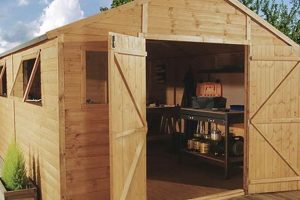
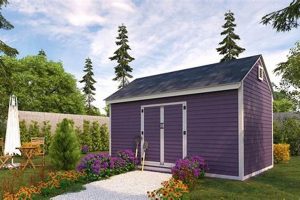
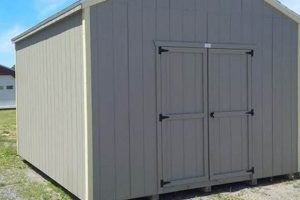
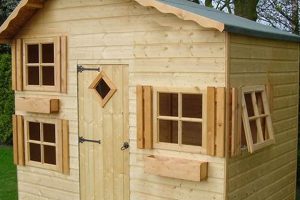
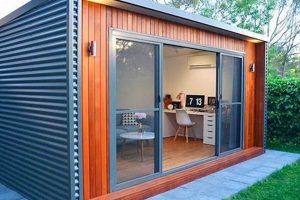
A structure commonly found in residential gardens, often utilized for storage or workspace, characterized by a skeletal framework composed of heavy timbers joined with traditional mortise and tenon joinery. These buildings offer a distinct aesthetic compared to conventional sheds, often exhibiting exposed framing and a rustic appearance. An example would be a homeowner constructing a small outbuilding to house gardening tools and equipment, electing for this construction method to enhance the property’s visual appeal.
The inherent strength and durability of the framework provides a structure capable of withstanding significant environmental stressors, contributing to longevity. The method represents a sustainable construction choice, employing renewable resources and reducing reliance on manufactured materials. Historically, this building method reflects a time-honored tradition of craftsmanship, resulting in buildings that offer not only functional utility but also architectural merit. The aesthetic character can significantly enhance the overall landscape design of a property, providing a focal point and a sense of timeless charm.
Understanding the components and assembly techniques associated with this type of building is crucial. Factors such as wood species selection, joint design, and weatherproofing considerations play a vital role in the success of the project. The ensuing discussion will delve into the specifics of material selection, design considerations, construction processes, and maintenance requirements for these garden buildings.
Timber Frame Garden Shed
Constructing and maintaining a timber framed garden building requires careful planning and execution to ensure longevity and structural integrity. The following guidelines offer crucial advice for those undertaking such a project.
Tip 1: Foundation Preparation: A solid, level foundation is paramount. Consider a concrete slab, gravel bed, or pier system, ensuring proper drainage to prevent wood rot. For example, a concrete slab should extend beyond the footprint of the structure to deflect water away from the timber frame.
Tip 2: Wood Species Selection: Choose wood species known for their resistance to decay and insect infestation. Durable hardwoods, such as oak or cedar, are often preferred. Ensure that the selected wood is properly seasoned or kiln-dried to minimize warping and cracking after construction.
Tip 3: Joint Design and Execution: The strength of this construction relies heavily on the integrity of its joints. Employ traditional mortise and tenon joinery, secured with wooden pegs, for optimal structural stability. Precision in cutting and fitting the joints is crucial to prevent movement and potential failure points.
Tip 4: Weatherproofing Considerations: Protect the wood from moisture damage through proper sealing and finishing. Apply a high-quality exterior wood preservative and sealant to all exposed surfaces. Regularly inspect and reapply sealant as needed to maintain protection.
Tip 5: Roof Design and Construction: A well-designed roof is essential for shedding water and preventing leaks. Ensure adequate overhangs to protect the walls from rain. Use durable roofing materials, such as cedar shingles or metal roofing, and properly flash around penetrations to prevent water intrusion.
Tip 6: Ventilation: Adequate ventilation helps to prevent moisture buildup inside the structure, reducing the risk of mold and mildew growth. Install vents near the roof and floor levels to promote air circulation.
Tip 7: Regular Maintenance: Conduct routine inspections to identify and address any potential problems early. Check for signs of wood rot, insect damage, or structural weakness. Promptly repair or replace any damaged components to maintain the integrity of the structure.
Adhering to these recommendations will contribute significantly to the long-term performance and aesthetic appeal of the constructed building. Prioritizing proper construction techniques and ongoing maintenance ensures a durable and aesthetically pleasing addition to any garden.
The subsequent sections will explore the architectural design aspects and legal considerations associated with erecting such a structure.
1. Structural Integrity

Structural integrity is paramount to the long-term performance and safety of this type of garden building. The framework must withstand environmental loads such as wind, snow, and seismic activity, as well as the weight of the roofing materials and any stored contents. Compromised structural integrity can lead to premature failure, posing a safety risk and incurring significant repair costs.
- Joint Strength and Stability
The joints connecting the timbers represent critical points of structural stress. Traditional mortise and tenon joints, secured with wooden pegs, are commonly employed. The precision of the joint construction directly influences its ability to resist racking and shear forces. A poorly executed joint can introduce a weak point, potentially leading to deformation or failure of the overall frame. Example: Over time, improper joinery may loosen. This may allow water to seep into the wood and weaken it causing structural damage and expensive repairs. This may cause long term problems in the timbers and overall foundation.
- Timber Size and Spacing
The dimensions of the timbers and their spacing within the frame are crucial factors in determining the load-bearing capacity. Thicker timbers and closer spacing generally result in a stronger structure. Engineering calculations should be performed to ensure that the timber sizes and spacing are adequate to support the anticipated loads. Insufficient timber size or excessive spacing can lead to deflection or even collapse. In example, a larger than expected snowfall can damage a structure that is not built with the correct timbers. For instance, failure to account for expected snow loads can result in roof collapse.
- Foundation Interface
The connection between the timber frame and the foundation is vital for transferring loads from the frame to the ground. A robust and properly designed foundation interface prevents settling, shifting, and other forms of movement that can compromise the structural integrity of the frame. The interface should be designed to resist uplift forces caused by wind and lateral forces generated by seismic activity. Without it, the damage may cause irreparable and expensive damage to the frame and foundation.
- Material Quality and Condition
The inherent strength and durability of the timber are directly influenced by the quality of the wood and its condition. Wood with significant defects, such as knots, splits, or decay, should be avoided. Proper seasoning or kiln-drying of the timber minimizes warping and cracking, enhancing its long-term stability. Regular inspections and maintenance are necessary to identify and address any signs of deterioration, such as wood rot or insect infestation. An example would be an early detection of wood rot can allow a homeowner to avoid a complete structural failure. These inspections can also help maintain the overall health of the building.
The structural soundness is not merely an abstract concept but a fundamental requirement for ensuring safety, durability, and long-term value. By carefully considering and implementing the principles of sound engineering and construction practices, the risk of structural failure can be significantly reduced. The combination of stable joints, suitable timber size, robust foundation, and quality materials will result in a garden building that will last a lifetime.
2. Wood Selection

Wood selection is a critical determinant of a garden building’s longevity, structural integrity, and aesthetic appeal. The choice directly impacts the building’s resistance to decay, insect infestation, and weathering. For instance, using untreated pine in a damp environment leads to rapid rot and structural failure, while naturally decay-resistant species like cedar or redwood significantly extend the structure’s lifespan. This selection affects maintenance frequency; a building made with durable wood requires less frequent treatment and repair.
Different wood species offer varying levels of workability and aesthetic characteristics. Hardwoods, such as oak or maple, provide exceptional strength but can be challenging to work with hand tools. Softwoods, like pine or fir, are easier to cut and shape but are generally less durable. The decision must balance structural requirements, aesthetic preferences, and construction skill. Consider a structure meant to evoke a rustic charm; reclaimed timbers might be employed. Conversely, a modern design might favor the clean lines of select grade cedar.
The long-term performance and overall cost-effectiveness relies heavily on informed wood selection. The selection represents a crucial design decision. By understanding the properties of various wood species and aligning them with the specific requirements of the project, one can enhance the durability, functionality, and aesthetic value. This minimizes future maintenance and replacements.
3. Joint Craftsmanship
In the context of a framework building, joint craftsmanship transcends mere assembly; it embodies the very essence of structural integrity and aesthetic appeal. The quality of the joints directly dictates the longevity, stability, and visual character of the garden structure. Imprecise or poorly executed joints introduce inherent weaknesses, compromising the frame’s ability to withstand environmental stressors and undermining its overall durability.
- Mortise and Tenon Precision
The mortise and tenon joint, a cornerstone of construction, exemplifies the criticality of precision. The tenon must fit snugly within the mortise, ensuring optimal load transfer and resistance to racking forces. Deviations from precise dimensions can lead to joint instability and potential failure. An example is a tenon that is too loose will allow movement, while one that is too tight may cause splitting of the surrounding timber.
- Peg Placement and Fit
Wooden pegs serve to secure mortise and tenon joints, preventing separation and enhancing their overall strength. The peg holes must be accurately aligned and the pegs themselves properly sized and fitted. Oversized pegs can cause the timber to split, while undersized pegs offer inadequate shear resistance. Consider the impact of improperly placed pegs, which could create stress concentrations and weaken the joint.
- Surface Preparation and Finishing
Proper surface preparation of the timber before joint assembly is essential for ensuring a tight and durable connection. Surfaces must be clean, smooth, and free of debris. The application of appropriate finishes, such as linseed oil or sealant, can protect the wood from moisture and insect damage, further enhancing joint longevity. Untreated surfaces are susceptible to weathering and degradation, potentially leading to premature joint failure.
- Tool Selection and Technique
The use of appropriate tools and techniques is paramount for achieving high-quality joint craftsmanship. Sharp chisels, precise saws, and accurate measuring instruments are essential for creating well-fitted joints. Skilled artisans employ time-honored techniques to ensure optimal joint strength and aesthetic appeal. Inferior tools or improper techniques can result in poorly executed joints that compromise the structural integrity of the structure.
The significance of joint craftsmanship in defining the quality of such a building cannot be overstated. From the selection of appropriate tools to the meticulous execution of traditional joinery techniques, every aspect contributes to the creation of a structure that is both aesthetically pleasing and structurally sound. The investment in skilled craftsmanship ensures a long-lasting and visually appealing addition to any garden landscape.
4. Weather Resistance
The ability to withstand environmental elements directly influences the lifespan, functionality, and aesthetic integrity of a garden building. Protecting the framework from moisture, sunlight, temperature fluctuations, and biological threats is crucial for preserving its structural soundness and visual appeal. Failure to address weather resistance adequately can lead to wood rot, insect infestation, warping, cracking, and discoloration, ultimately compromising the building’s value and requiring costly repairs.
- Roofing Materials and Design
The roof serves as the primary defense against precipitation. The selection of durable, weather-resistant roofing materials, such as cedar shingles, metal roofing, or asphalt shingles, is essential. The roof’s pitch and overhangs also play a crucial role in shedding water and preventing moisture from reaching the walls. A properly designed roof diverts water away from the timber frame, reducing the risk of water damage and prolonging the building’s lifespan. Consider a shallow roof pitch which can cause water to pool and seep into the structure.
- Exterior Sealants and Finishes
Exterior sealants and finishes provide a protective barrier against moisture, UV radiation, and insect infestation. Applying high-quality wood preservatives, stains, or paints can significantly enhance the wood’s resistance to weathering. Regular reapplication of these finishes is necessary to maintain their effectiveness. An example includes the use of penetrating oil-based sealants, which offer superior water repellency compared to surface coatings. Over time, if these sealants are not reapplied, the timber frame will be exposed and susceptible to damage.
- Foundation Drainage and Moisture Barriers
Proper drainage around the foundation prevents water from pooling and seeping into the structure from below. Installing drainage systems, such as French drains or gravel beds, can effectively divert water away from the foundation. Moisture barriers, such as polyethylene sheeting, can be used to prevent ground moisture from wicking into the wood. Lack of these measures will cause ground moisture to wick into the frame which causes wood rot.
- Ventilation and Airflow
Adequate ventilation is crucial for preventing moisture buildup inside the structure. Allowing air to circulate freely helps to dry out any moisture that may accumulate, reducing the risk of mold, mildew, and wood rot. Installing vents near the roof and floor levels can promote airflow and prevent stagnant air pockets. Poor ventilation causes moisture to become trapped, creating a breeding ground for mold and decay organisms, ultimately damaging the structure.
These considerations, are indispensable for ensuring the long-term durability and aesthetic appeal of the garden building. By carefully selecting appropriate materials, employing sound construction techniques, and implementing proactive maintenance measures, the detrimental effects of weather can be mitigated, preserving its value for years to come. The proactive design accounts for climate as well, creating a better, longer lasting, and overall healthier building.
5. Design Aesthetics
Design aesthetics, in the context of a garden building, encompasses the visual attributes that contribute to its overall appeal and integration within the surrounding landscape. It considers elements of style, form, materials, and detailing to create a structure that is not only functional but also visually harmonious with its environment. This harmony significantly enhances property value and elevates the overall experience of the outdoor space.
- Proportion and Scale
Proportion and scale dictate the visual relationship between the structure, its components, and the surrounding landscape. A well-proportioned building complements its setting without overwhelming it. For example, a small garden benefits from a building with a low profile and delicate details, while a larger property can accommodate a more substantial structure with bolder features. A failure to consider proportion can result in a building that appears either dwarfed or imposing, disrupting the visual balance of the outdoor space.
- Material Palette and Texture
The selection of materials and their textures significantly influences the aesthetic character of the building. Natural materials, such as wood, stone, and brick, often lend a sense of warmth and authenticity. The texture of the materialssmooth, rough, or patternedadds depth and visual interest. The use of reclaimed timbers, for instance, can impart a rustic charm, while smooth, painted surfaces offer a more contemporary look. A cohesive material palette unifies the design and ensures a harmonious relationship with the surrounding environment.
- Architectural Style and Detailing
The chosen architectural style and the level of detailing contribute to the building’s unique identity and visual appeal. A traditional style, such as Victorian or Craftsman, often features intricate trim, decorative brackets, and ornate hardware. A modern style emphasizes clean lines, minimalist forms, and unadorned surfaces. The detailingwindow trim, door styles, roofing materialsshould complement the overall architectural style and enhance the building’s visual interest. Mismatched or poorly executed detailing can detract from the overall aesthetic quality.
- Color and Light
Color plays a vital role in shaping the building’s visual impact and its integration within the landscape. Natural tones and earth colors often blend seamlessly with the surrounding environment. The interplay of light and shadow on the building’s surfaces adds depth and dimension. The orientation of the building relative to the sun, as well as the size and placement of windows, influences the interior lighting and contributes to the overall ambiance. Strategic use of color and light can enhance the building’s visual appeal and create a welcoming and inviting atmosphere.
These facets underscore the importance of considering design aesthetics when planning the construction of a garden building. A well-designed structure not only enhances the functionality of the outdoor space but also contributes to its overall beauty and value. By carefully attending to proportion, materials, style, and color, it is possible to create a building that is both aesthetically pleasing and seamlessly integrated within the landscape.
6. Foundation Stability
Foundation stability constitutes a critical factor in the longevity and structural integrity of any building, including a structure characterized by a timber framework within a garden setting. The foundation serves as the load-bearing interface between the structure and the ground, transferring the weight of the building and its contents to the underlying soil. Any instability or settling in the foundation can lead to significant structural problems, compromising the safety and functionality of the entire building.
- Soil Bearing Capacity
The soil’s ability to support the building’s weight, or its bearing capacity, directly impacts the foundation’s stability. Different soil types exhibit varying bearing capacities. For example, sandy soil possesses less load-bearing capacity than compacted clay. Exceeding the soil’s bearing capacity leads to foundation settlement, potentially resulting in cracked walls, uneven floors, and structural damage. Soil analysis is crucial to ensure adequate load support for the specific structure.
- Frost Heave Protection
In regions prone to freezing temperatures, frost heave presents a significant threat to foundation stability. Water in the soil expands upon freezing, exerting upward pressure on the foundation. This pressure causes heaving and cracking, ultimately compromising the structural integrity of the timber frame. Proper frost heave protection involves constructing foundations below the frost line, using insulating materials, or implementing drainage systems to minimize soil moisture content.
- Drainage and Moisture Control
Excessive moisture in the soil surrounding the foundation can lead to hydrostatic pressure and soil expansion, both of which can destabilize the structure. Poor drainage allows water to accumulate, saturating the soil and increasing the risk of foundation settlement or heaving. Effective drainage systems, such as French drains or properly graded landscaping, divert water away from the foundation, minimizing moisture-related problems. Additionally, moisture barriers can prevent water from wicking into the wood members of the structure, mitigating rot and decay.
- Proper Compaction and Construction Techniques
The method and quality of foundation construction directly impact its long-term stability. Thorough soil compaction is essential to minimize settlement and prevent voids beneath the foundation. Using appropriate construction techniques, such as reinforcing concrete slabs with steel rebar or employing proper footing designs, enhances the foundation’s ability to withstand loads and resist movement. Failure to adhere to sound construction practices can lead to premature foundation failure, necessitating costly repairs or even complete reconstruction.
These aspects of foundation stability are intertwined with the structural integrity and longevity of garden buildings with timber frameworks. Careful consideration of soil conditions, climate factors, and construction practices is paramount for ensuring that the foundation provides a solid and stable base for the structure. The resulting stability minimizes the risk of structural damage, preserves the building’s aesthetic appeal, and safeguards the investment in the garden structure.
Frequently Asked Questions
This section addresses common inquiries regarding the construction, maintenance, and practical considerations associated with timber frame garden sheds. It aims to provide clear and concise answers to assist individuals in making informed decisions about incorporating such structures into their properties.
Question 1: What distinguishes a timber frame garden shed from a conventional shed?
A timber frame garden shed utilizes a skeletal framework of heavy timbers joined with traditional mortise and tenon joinery, whereas a conventional shed typically employs dimensional lumber or prefabricated panels. The timber frame construction method offers superior strength, durability, and a distinct aesthetic character.
Question 2: Is specialized expertise required for constructing a timber frame garden shed?
Yes, constructing a timber frame garden shed necessitates specialized skills in joinery and timber framing techniques. While DIY kits may be available, professional consultation or assistance is advisable to ensure structural integrity and adherence to building codes.
Question 3: What are the primary advantages of utilizing this specific construction method for a garden building?
Key benefits include enhanced structural strength, resistance to environmental stressors, sustainable material usage, and the creation of an aesthetically pleasing and architecturally distinct structure. These buildings often exhibit increased longevity compared to conventionally constructed sheds.
Question 4: What wood species are most suitable for constructing a timber frame garden shed?
Durable and decay-resistant wood species are preferred. Options include oak, cedar, redwood, and Douglas fir. The selection should consider local climate conditions, availability, and budget constraints.
Question 5: What maintenance requirements are associated with a timber frame garden shed?
Regular inspections are essential to identify any signs of wood rot, insect infestation, or structural damage. Periodic reapplication of exterior sealants and finishes is necessary to protect the wood from moisture and UV radiation. Proper ventilation is also crucial for preventing moisture buildup.
Question 6: Are timber frame garden sheds subject to local building codes and regulations?
Yes, these structures are typically subject to local building codes and zoning regulations. It is imperative to obtain the necessary permits and ensure compliance with all applicable requirements prior to commencing construction.
In summary, timber frame garden sheds represent a durable, aesthetically pleasing, and potentially sustainable option for garden structures. However, careful planning, skilled craftsmanship, and adherence to building codes are essential for realizing a successful project.
The subsequent section will delve into case studies and real-world examples of successful applications of timber frame garden sheds, offering practical insights and inspiration for prospective builders.
Conclusion
The preceding discussion has illuminated the multifaceted nature of the timber frame garden shed. From foundational considerations and material selection to joint craftsmanship, design aesthetics, and ongoing maintenance, a comprehensive understanding is crucial for successful implementation. The structural integrity and long-term performance are directly linked to adherence to established construction principles and judicious material choices.
The careful selection and execution associated with a timber frame garden shed project contribute to a lasting and valuable addition to any property. Prospective builders should prioritize thorough research, skilled craftsmanship, and diligent maintenance practices to ensure the realization of a durable, aesthetically pleasing, and structurally sound garden building. This careful building should result in a valuable lasting structure.