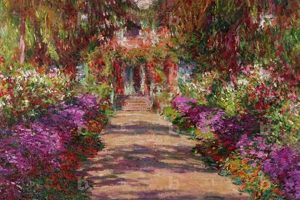
The aesthetic in question pertains to ornamentation and structural elements designed for outdoor spaces, drawing inspiration from the Gothic era and subsequent interpretations of its visual characteristics. This style often incorporates dark colors, intricate designs, and a sense of mystery, observable in features such as wrought iron fencing, statues of gargoyles or other mythical creatures, and the strategic use of shadow and light within the landscape.
The appeal of this distinctive landscaping approach lies in its ability to create a unique and evocative atmosphere. It provides a counterpoint to more conventional garden designs, offering a space for contemplation and reflection. Historically, aspects of this design philosophy reflect an interest in the sublime, a concept prominent during the Romantic and Victorian periods, which valued grandeur, awe, and a sense of the macabre. This can be traced to certain architectural design elements, such as pointed arches and imposing structures that draw upon gothic art design aesthetics.
Further discussion will explore specific elements commonly employed to achieve this aesthetic. Detail will be given to plant selection, the incorporation of architectural salvage, and methods for creating a desired ambience through strategic placement and design principles. This will include examinations of outdoor lighting, the selection of suitable furniture, and the use of hardscaping to complement the overall vision of a personalized outdoor sanctuary.
Essential Considerations for Gothic-Inspired Outdoor Spaces
Achieving a successful outdoor space reflective of a gothic aesthetic requires careful planning and attention to detail. The following considerations can assist in developing a coherent and visually impactful design.
Tip 1: Prioritize Dark Hues: Embrace a palette dominated by blacks, deep reds, purples, and greens. Dark-colored paints for structures and fences, coupled with plants featuring deep foliage, establishes a foundational gothic tone.
Tip 2: Integrate Wrought Iron Elements: Incorporate wrought iron fencing, gates, and furniture. The intricate designs and durable nature of wrought iron contribute significantly to the desired aesthetic.
Tip 3: Utilize Stone and Concrete Structures: Employ stone pathways, concrete planters, and similar elements to introduce texture and a sense of permanence. Weathered or aged finishes enhance the gothic sensibility.
Tip 4: Incorporate Statuary and Sculptures: Introduce sculptures of gargoyles, angels, or other mythical creatures. These objects function as focal points and reinforce the theme. Placement should be deliberate to maximize visual impact.
Tip 5: Emphasize Verticality: Utilize climbing plants, trellises, and tall, slender structures to draw the eye upward. This accentuates the sense of grandeur and creates a more imposing atmosphere.
Tip 6: Implement Strategic Lighting: Employ subdued lighting techniques, such as lanterns, spotlights, and pathway lighting. The goal is to create dramatic shadows and highlight key features, contributing to an atmosphere of mystery.
Tip 7: Select Appropriate Plant Life: Choose plants with dark foliage, unique textures, and interesting shapes. Examples include weeping willows, ivy, ferns, and certain varieties of roses. Avoid overly vibrant or brightly colored blooms.
These strategies, when implemented thoughtfully, will contribute to a cohesive and compelling outdoor space. The key is balance, creating a space that is both visually striking and functional.
Subsequent sections will delve deeper into specific examples of successful design, offering further inspiration for creating a unique and personalized outdoor environment.
1. Dark Palette
The deliberate employment of a predominantly dark color scheme stands as a foundational element in achieving an authentic aesthetic. The strategic use of dark hues shapes the mood and visual identity of the space. These muted tones evoke a sense of mystery, melancholy, and timelessnessqualities central to the character of such outdoor spaces.
- Foliage Selection for Depth
Plant choices significantly contribute to the overall darkness. Species featuring deep green, purple, or even near-black foliage are favored. Examples include Japanese maples with dark red leaves, varieties of Hellebore with dusky blooms, and evergreen shrubs with dense, dark green needles. These choices establish the visual foundation of the design.
- Structural Elements and Shading
Dark-stained wood, wrought iron, or painted metal for fences, arbors, and other structures augment the palette. Positioning these elements to create shaded areas enhances the effect. Shadows deepen the colors of the plants and hardscape, adding layers of visual interest and reinforcing the somber atmosphere.
- Hardscape Materials and Textural Contrast
Stone, gravel, or mulch in darker shades provide a grounded and textured backdrop. Black or charcoal-colored gravel pathways, dark slate paving stones, or shredded bark mulch not only serve a practical purpose but also contribute to the overall chromatic scheme. The contrast between these materials and the plants adds visual complexity.
- Accents and Ornamental Details
Dark-colored pots, statuary, and other decorative elements complete the palette. Antique bronze or cast iron urns, weathered stone sculptures, and black metal lanterns serve as focal points and reinforce the theme. The careful selection and placement of these accents amplify the design.
In essence, the dark palette is not merely about using black; it is about creating a rich and nuanced visual experience through the careful selection and combination of materials, plants, and design elements. This strategic approach enhances the aesthetic and contributes to an outdoor space that evokes a sense of drama, mystery, and timelessness.
2. Ironwork Intricacy

Ironwork, characterized by its intricate designs and robust material properties, holds a prominent position in the construction of authentic gothic outdoor environments. It is not merely an aesthetic choice but a functional component that embodies the architectural spirit and adds to the visual richness of the setting.
- Gates and Fencing as Architectural Statements
Wrought iron gates and fences define the boundaries of these spaces, offering both security and visual drama. The designs often feature pointed arches, quatrefoils, and elaborate scrollwork, mirroring the architectural motifs found in Gothic cathedrals. These structures establish the thematic tone of the entire design.
- Furniture as Functional Sculpture
Benches, chairs, and tables crafted from ironwork serve a dual purpose: providing s
eating and serving as sculptural elements within the landscape. Their designs frequently incorporate gothic tracery, animalistic figures, or stylized floral patterns, transforming functional items into pieces of art. The weight and solidity of iron lend a sense of permanence and gravitas to the outdoor space. - Arbors and Trellises for Vertical Emphasis
Ironwork arbors and trellises support climbing plants, adding verticality and creating enclosed or sheltered areas. The intricate designs of these structures frame views and cast patterned shadows, enhancing the sense of mystery and enclosure. Climbing roses, ivy, and wisteria are often trained on these structures to soften the hard edges of the metal and add color and texture.
- Lighting Fixtures as Ambient Enhancers
Lanterns, sconces, and chandeliers crafted from ironwork illuminate outdoor spaces while reinforcing the gothic aesthetic. The designs often incorporate stained glass panels, filigree details, and candle-like bulbs to create a warm, atmospheric glow. The play of light and shadow cast by these fixtures enhances the drama and mystery of the environment.
In summary, the use of ironwork in gothic outdoor environments is a deliberate and multifaceted design choice. It contributes to the architectural integrity, enhances the visual richness, and reinforces the overall theme of the space. The durability and timelessness of iron ensure that these elements will continue to define and enhance the aesthetic for years to come. It serves as an integral part of the decorative style that captures the essence of gothic design.
3. Stone Textures

Stone textures are foundational in actualizing an outdoor space defined by gothic characteristics. The material’s inherent propertiesweight, permanence, and natural variationcontribute significantly to the desired atmosphere. The deliberate incorporation of stone elements serves not merely as surface treatment but as a means of grounding the design in a perceived historical context. Consider the effect of a weathered limestone path, its surface subtly eroded by time and elements, juxtaposed against the sharp lines of wrought iron fencing. This contrast reinforces the gothic sensibility, creating a sense of age and mystery. The selection of stone, therefore, necessitates careful consideration of its color, grain, and weathering patterns, as these factors collectively influence the overall aesthetic.
Practical applications of stone textures in a gothic context extend beyond pathways and walls. Rubble stone retaining walls, for instance, provide structural support while introducing visual complexity. The irregular shapes and sizes of the stones create a rough, organic surface that contrasts with more refined elements, such as precisely cut stone copings or meticulously crafted ironwork. Furthermore, the use of crushed stone or gravel as ground cover around planting beds offers a practical solution for weed control and drainage while simultaneously enhancing the aesthetic. The color and size of the gravel should be carefully chosen to complement the overall palette and texture of the space. For example, dark, angular gravel can mimic the appearance of slate chippings, further reinforcing the gothic theme. The presence of stone in the garden makes the entire design more organic and natural to the observer’s eye.
In summary, stone textures function as integral components, shaping the aesthetic and contributing to an atmosphere of somber grandeur. Challenges in their application include sourcing appropriate materials, ensuring structural stability, and integrating the stone elements seamlessly with the surrounding landscape. Understanding the role of stone textures is practically significant for any designer or homeowner seeking to create an authentic and compelling outdoor sanctuary. The proper usage of these stone elements creates a gothic garden of artful and functional beauty.
4. Sculptural Elements

Sculptural elements are integral to outdoor environments, serving as focal points that reinforce the overarching aesthetic. Their inclusion dictates the atmosphere through form, material, and placement. The integration of statuary, reliefs, and three-dimensional objects establishes a dialogue between the natural and artificial, enriching the visual narrative.
In examples, consider the strategic deployment of a weathered limestone gargoyle positioned atop a stone pillar. Its presence immediately invokes visual elements, contributing to the design’s thematic consistency. Similarly, the installation of a cast-iron statue depicting a classical figure adds a layer of sophistication and cultural reference. These are not merely decorative additions, they are actively shaping the viewer’s experience of the space. A garden devoid of such objects lacks the potential for narrative depth and remains incomplete in its expression.
Effective implementation of sculptural components presents challenges. Scale, proportion, and material compatibility must be carefully considered to avoid disrupting the balance. The long-term maintenance and protection from weathering require consistent upkeep. However, despite these challenges, the judicious use of sculpture remains a cornerstone of this approach. This ensures the realization of a cohesive and evocative outdoor environment, as it brings elements of drama and the sublime to a carefully manicured and artfully designed landscape.
5. Vertical Emphasis

Vertical emphasis, as a design principle, is particularly relevant to creating outdoor spaces. This technique uses elements to draw the eye upward, enhancing the perceived height and creating a sense of grandeur. This is crucial in establishing an authentic atmosphere and aligning with architectural and design sensibilities.
- Trellises and Arbors: Structural Ascent
Trellises and arbors introduce verticality through structured frameworks that support climbing plants. These structures not only provide a growing medium for vines but also establish distinct visual lines that guide the eye upward. Wrought iron trellises, for instance, offer a gothic aesthetic while supporting climbing roses or ivy, creating an impression of height and intricate detail.
- Obelisks and Pillars: Symbolic Elevation
Obelisks and pillars serve as standalone vertical elements that add height and symbolic weight to the outdoor area. Constructed from stone or concrete, these structures evoke a sense of antiquity and monumentality. Their placement at strategic points within the area can create focal points and contribute to the overall sense of scale and importance.
- Tall, Slender Plants: Natural Verticality
The selection of plant species with inherent vertical growth habits is critical. Cypress trees, spires of delphiniums, or stands of bamboo contribute to the verticality. These plants not only add height but also introduce natural textures and movement, softening the architectural elements while reinforcing the upward visual flow.
- Tiered Structures: Layered Ascent
Tiered fountains, raised planting beds, or stepped pathways create a layered vert
icality. These structures provide a sense of depth and visual complexity. A tiered fountain, for instance, directs the eye upward through the cascading water, while stepped pathways create a dynamic experience of ascent and descent within the space.
In conclusion, the strategic integration of vertical elements enhances the spatial dynamics, contributing to the desired atmosphere. When harmonized, these components create an outdoor environment that reflects design principles. The result is a personalized outdoor sanctuary that captures the essence of gothic-inspired design.
6. Shadow Play

The deliberate manipulation of light and shadow constitutes a crucial design element in gothic outdoor environments. The creation of contrast between illuminated areas and deep shade enhances the inherent drama and mystery, fundamental to the aesthetic. Strategic placement of structures and foliage is essential to orchestrate these patterns. The interplay of light and dark can transform familiar forms into evocative silhouettes, imbuing the space with a sense of intrigue. For example, a vine-covered archway casting intricate shadows on a stone path creates a visual effect that is both captivating and distinctly aligned with the style.
The practical implementation of “shadow play” involves careful consideration of light sources, both natural and artificial. Overhanging trees, strategically pruned, can filter sunlight, creating dappled patterns on the ground. Similarly, the placement of lanterns or spotlights can highlight specific features, such as statues or architectural details, while leaving surrounding areas in shadow. This technique serves to emphasize key elements and create a sense of depth and dimension. The design should also account for seasonal variations in sunlight, adjusting the placement of elements to ensure that desired shadow patterns are maintained throughout the year. The angle of sunlight and its consequent shadows is always varying across the seasons.
In summary, the strategic manipulation of “shadow play” is a critical component in actualizing a truly outdoor space. The integration of appropriately scaled architectural elements and foliage ensures an environment that is both visually compelling and emotionally evocative. Overcoming challenges related to light management and seasonal variations is crucial to realizing the full potential of this design approach. It elevates the aesthetic, contributing to a refined and authentic outdoor design.
Frequently Asked Questions
The following addresses common inquiries regarding elements, design, and maintenance considerations.
Question 1: What distinguishes authentic ornamentation from generic dark-themed outdoor designs?
Authenticity lies in the adherence to specific historical and stylistic cues derived from architecture and art. This includes the incorporation of pointed arches, wrought ironwork, somber colors, and sculptural elements reminiscent of the era. A mere application of dark paint or vaguely “spooky” accouterments does not constitute a genuine design.
Question 2: Is this aesthetic limited to large properties or can it be adapted to smaller spaces?
Adaptation to smaller spaces is feasible through careful scaling of elements and prioritization of key features. A small courtyard, for instance, can incorporate a wrought iron gate, a single well-placed statue, and a limited selection of dark foliage plants to achieve a scaled-down but stylistically consistent design.
Question 3: What are the challenges associated with plant selection and maintenance in such a garden?
Challenges include identifying plant species that thrive in shaded conditions and possess dark or muted foliage. Maintenance requires vigilant pruning to maintain desired shapes and prevent overgrowth, as well as regular monitoring for pests and diseases that may be exacerbated by the damp, shaded environments often associated with this garden type.
Question 4: How can hardscaping contribute to the overall aesthetic?
Hardscaping plays a significant role through the incorporation of stone pathways, gravel surfaces, and architectural salvage. Weathered stone, in particular, adds a sense of age and authenticity. The careful arrangement of these elements can define spatial boundaries and create a framework for the planting scheme.
Question 5: What are some common misconceptions regarding the design?
A common misconception is that the aesthetic is inherently morbid or macabre. While elements of the sublime and a sense of mystery are often present, the design is primarily about creating a visually dramatic and evocative outdoor space, not necessarily one focused on death or horror.
Question 6: How does one balance historical accuracy with personal expression in such a garden?
Balancing historical accuracy with personal expression involves using established stylistic cues as a foundation while incorporating individual preferences in plant selection, sculptural choices, and overall layout. The key is to maintain a cohesive and recognizable aesthetic while allowing for unique interpretations.
Careful consideration of these questions ensures a well-informed approach to creating and maintaining a garden that is both visually compelling and stylistically authentic.
The next section will offer resources for further exploration and inspiration.
Concluding Remarks on Gothic Garden Decor
This exploration of “gothic garden decor” has examined its defining characteristics, encompassing elements such as a dark palette, intricate ironwork, textured stone, sculptural components, vertical emphasis, and strategic shadow play. The successful integration of these aspects yields outdoor environments that evoke a sense of mystery, grandeur, and historical depth. The application of these design principles requires careful consideration of scale, materials, and maintenance to achieve a cohesive and authentic aesthetic.
The creation of spaces utilizing “gothic garden decor” demands a discerning approach, blending historical awareness with individual expression. Further research and thoughtful implementation will ensure the continued evolution of this design aesthetic, offering opportunities to cultivate outdoor environments that are both visually compelling and deeply evocative.