



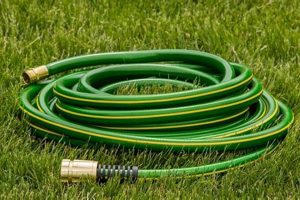
The component with internal threading designed to connect to a male-threaded counterpart is a common element in irrigation and water conveyance systems. This fitting accepts a corresponding male-threaded end, typically found on spigots or other hose extensions, creating a secure and leak-resistant connection. An example would be the end of a garden hose that attaches to a faucet.
Such connectors are critical for the efficient and reliable distribution of water in residential, commercial, and agricultural settings. Their robust design and standardized threading ensure compatibility and ease of use across various applications. Historically, these connectors have evolved from simple, hand-tightened fittings to more sophisticated, pressure-resistant designs, reflecting advancements in materials science and manufacturing techniques.
The subsequent sections will detail the specific types of materials used in their construction, the different thread standards employed, and best practices for ensuring a watertight seal. Furthermore, common issues, troubleshooting tips, and maintenance recommendations will be addressed to optimize performance and extend the lifespan of these essential plumbing components.
Essential Usage Tips
Optimizing the functionality and lifespan of garden hose connectors requires adherence to certain practices. The following tips provide guidance on proper usage and maintenance.
Tip 1: Ensure Proper Alignment: Before tightening, ensure the male and female components are correctly aligned. Cross-threading can damage the threads and lead to leaks.
Tip 2: Avoid Over-Tightening: Excessive force during tightening can strip the threads. A snug fit is sufficient to create a watertight seal.
Tip 3: Use a Washer: Employ a rubber or silicone washer between the two components to create a better seal, especially with older or slightly damaged threads.
Tip 4: Protect from Freezing Temperatures: Disconnect the hose during freezing weather to prevent water from expanding inside and cracking the connector.
Tip 5: Store Properly: When not in use, store the hose and connector in a shaded area to prevent degradation from sunlight exposure.
Tip 6: Regularly Inspect for Damage: Periodically inspect the connectors for cracks, wear, or damage. Replace damaged components promptly to avoid leaks and water waste.
Tip 7: Lubricate Threads (if needed): If the threads become difficult to turn, apply a small amount of silicone grease to the threads to improve lubrication and prevent seizing.
Adherence to these guidelines will ensure a reliable and long-lasting connection for irrigation and water delivery needs, minimizing water waste and maximizing efficiency.
The following sections will cover troubleshooting common issues and selecting the appropriate replacement parts when necessary.
1. Thread size

Thread size is a fundamental aspect governing the compatibility and functionality of components in water conveyance systems, particularly concerning the component with internal threading designed to connect to a male-threaded counterpart. Its proper selection and understanding are paramount for ensuring leak-free and efficient operation.
- National Pipe Thread (NPT) Standard
The NPT standard is a common thread type used in plumbing applications. It features a tapered thread design intended to create a tight seal when tightened. For the female end of a garden hose, the NPT standard, typically 3/4 inch, dictates the dimensions and thread pitch. Deviation from this standard will render the fitting incompatible with standard male hose fittings. Its use is widespread due to its reliability and ease of sealing under pressure, however, it relies on thread deformation to achieve a seal, which can lead to issues if over-tightened or reassembled frequently.
- Garden Hose Thread (GHT) Standard
GHT, also frequently referred to as “garden hose thread,” is another common standard specifically designed for garden hose connections. While physically similar to NPT, GHT has a straight (non-tapered) thread and relies on a rubber or silicone washer to create a watertight seal. The standard size for the female end is also typically 3/4 inch. Its prevalence stems from ease of assembly and disassembly, making it convenient for seasonal use and frequent changes of attachments, but it’s generally not suitable for high-pressure applications without careful sealing.
- Importance of Accurate Measurement
The accurate measurement of thread size is crucial for selecting compatible fittings. Even slight variations in thread diameter or pitch can prevent proper engagement, leading to leaks or damage to the threads. Tools such as thread gauges and calipers are often used to determine the exact thread size. Misidentification often results in frustration and wasted resources, as an improperly sized fitting will fail to create a secure connection. The cost of precision is minimal compared to water damage in some instances.
- Material Influence on Thread Integrity
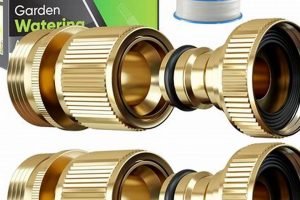
The material composition of the fitting influences the thread’s durability and resistance to deformation. Brass fittings generally offer greater strength and resistance to corrosion compared to plastic fittings. However, plastic fittings may be more resistant to certain chemicals and are often more cost-effective. The material choice should align with the intended application and environmental conditions. For example, in environments with hard water, brass fittings may require more frequent cleaning to prevent mineral buildup on the threads.
In summary, thread size is a critical parameter that determines compatibility, sealing effectiveness, and overall performance. Adherence to industry standards, accurate measurement, and appropriate material selection are essential for ensuring reliable water delivery and preventing costly leaks. Proper understanding mitigates potential risks associated with incompatible components.
2. Material Durability

Material durability is a critical attribute affecting the longevity and performance of connectors with internal threading designed to connect to a male-threaded counterpart. The choice of material directly influences its resistance to environmental factors, mechanical stress, and chemical degradation.
- Brass Composition and Corrosion Resistance
Brass is frequently utilized due to its inherent resistance to corrosion. Alloys containing higher copper content exhibit greater resistance to oxidation and degradation from exposure to water and various environmental elements. The selection of specific brass alloys can be tailored to address the expected environmental conditions, such as exposure to salt water or acidic soils. This ensures a prolonged lifespan and reduces
the frequency of replacements. For example, lead-free brass is increasingly preferred for potable water applications to comply with health regulations. - Plastic Polymers and UV Degradation
Plastic polymers, such as polypropylene and ABS, offer cost-effective alternatives to brass. However, they are susceptible to degradation from prolonged exposure to ultraviolet (UV) radiation from sunlight. UV stabilizers are often incorporated into plastic formulations to mitigate this effect, extending the lifespan of the fitting. The effectiveness of these stabilizers varies depending on the type and concentration used. Real-world examples include darker-colored plastics, which generally exhibit better UV resistance compared to lighter colors.
- Impact of Water Chemistry
The chemical composition of the water flowing through the fitting can significantly impact its durability. Hard water, containing high concentrations of calcium and magnesium, can lead to mineral buildup on the threads, impeding proper sealing and accelerating wear. Similarly, acidic water can corrode metallic components over time. Regular maintenance, such as cleaning the threads with a brush and mild detergent, can help mitigate these effects. The material of the fitting should be selected based on the expected water chemistry in the application environment.
- Mechanical Stress and Fatigue
Connectors are subjected to mechanical stress during installation, tightening, and use. Repeated connection and disconnection, as well as pressure fluctuations, can induce fatigue in the material. Materials with higher tensile strength and fatigue resistance, such as reinforced plastics or forged brass, are better suited for applications involving frequent use or high-pressure conditions. The design of the fitting, including the thread geometry and wall thickness, also plays a crucial role in distributing stress and preventing failure.
In conclusion, material durability is paramount for ensuring the reliable and long-lasting performance of connectors with internal threading designed to connect to a male-threaded counterpart. Consideration of factors such as corrosion resistance, UV degradation, water chemistry, and mechanical stress is essential for selecting the appropriate material and implementing effective maintenance practices.
3. Sealing effectiveness

Sealing effectiveness is a paramount attribute of components with internal threading designed to connect to a male-threaded counterpart, directly influencing water conservation and system reliability. A compromised seal leads to water leakage, resulting in resource wastage and potential property damage. The effectiveness of the seal hinges on several factors, including the integrity of the threads, the quality of the sealing washer (if applicable), and the proper torque applied during connection. For example, a damaged or worn washer permits water to escape, even with sufficient tightening, necessitating washer replacement to restore sealing effectiveness.
The design of the component contributes significantly to sealing performance. Some designs incorporate deeper or more precisely cut threads to enhance the contact area between the male and female connectors, thereby creating a more robust seal. Real-world applications illustrate the practical significance of this understanding; in agricultural irrigation systems, even minor leaks across numerous fittings can accumulate into substantial water loss over time. Regular inspection and timely replacement of compromised connectors are essential for maintaining optimal water usage efficiency. High-pressure applications, such as power washing, place greater demands on sealing effectiveness, often requiring connectors made of more robust materials with enhanced sealing mechanisms.
In summary, sealing effectiveness is not merely a desirable feature but a fundamental requirement for components with internal threading designed to connect to a male-threaded counterpart. Achieving and maintaining an effective seal necessitates careful attention to thread integrity, washer quality, and proper installation techniques. The challenges associated with compromised sealing effectiveness underscore the importance of using high-quality components and adhering to recommended maintenance practices to prevent water wastage and ensure system reliability.
4. Compatibility

Compatibility is a crucial factor dictating the effectiveness of the component with internal threading designed to connect to a male-threaded counterpart within a water delivery system. Mismatched components compromise the integrity of the connection, leading to leaks, inefficient water use, and potential damage to equipment.
- Thread Standard Adherence
Adherence to established thread standards, such as Garden Hose Thread (GHT), is paramount for ensuring interoperability. Deviation from these standards, whether intentional or unintentional, results in incompatible fittings. For instance, attempting to connect a component with an NPT (National Pipe Thread) to a component designed for GHT will invariably lead to a failed connection. Consistent adherence to the specified thread standard is, therefore, non-negotiable for effective functionality.
- Material Compatibility and Chemical Reactions
The material composition of the component must be compatible with the materials of other components in the system, as well as with the water itself. Galvanic corrosion, for example, can occur when dissimilar metals are joined in the presence of an electrolyte (water), leading to premature failure of the connection. Similarly, certain plastics may degrade upon exposure to specific chemicals present in the water supply, compromising the integrity of the seal. Consideration of material compatibility is thus essential for preventing such issues.
- Diameter and Flow Rate Considerations
The internal diameter must be appropriately sized to accommodate the intended flow rate of water. Constricting the diameter excessively can result in reduced flow and increased pressure drop, impacting the overall performance of the water delivery system. Conversely, an oversized component may not provide adequate support for the male counterpart, potentially leading to stress and eventual failure. Careful consideration of diameter is, therefore, necessary for optimizing flow and maintaining structural integrity.
- Connector Type and Application Suitability
Different connector types, such as quick-connect, swivel, or standard threaded fittings, are designed for specific applications. The selection of the appropriate connector type should align with the intended use case. For example, quick-connect fittings offer convenience for frequent connection and disconnection, while swivel fittings allow for rotation, preventing hose kinking. Mismatching the connector type to the application can result in inconvenience, inefficiency, or even damage to the system.
In summary, compatibility extends beyond simple physical fit. It encompasses adherence to thread standards, material compatibility, diameter and flow rate considerations, and connector type suitability. A holistic approach to assessing compatibility is vital for ensuring the reliable and efficient operation of the component with internal threading designed to connect to a male-threaded counterpart within a
ny water delivery system. Failure to address these factors can lead to a range of problems, from minor leaks to catastrophic failures.
5. Pressure rating

The pressure rating of a component with internal threading designed to connect to a male-threaded counterpart is a critical performance parameter. It defines the maximum internal pressure the fitting can withstand without failure, ensuring safe and reliable operation within a water conveyance system. Understanding the pressure rating is paramount for preventing leaks, bursts, and potential damage to connected equipment.
- Material Composition and Pressure Resistance
The material from which the component is fabricated directly influences its pressure resistance. Brass fittings, owing to their higher tensile strength, generally exhibit superior pressure ratings compared to their plastic counterparts. Reinforced plastics, incorporating fibers such as fiberglass, can also achieve elevated pressure ratings. The specific alloy or polymer used, as well as its manufacturing process, dictates the ultimate pressure-bearing capacity. For example, a forged brass fitting is typically stronger and more resistant to pressure than a cast brass fitting.
- Thread Design and Pressure Containment
The thread design, including thread pitch, depth, and taper, plays a significant role in pressure containment. Finer threads offer a greater surface area for sealing and distribution of pressure, while deeper threads provide more mechanical engagement. Tapered threads, common in NPT (National Pipe Thread) fittings, create a mechanical seal that improves with increasing pressure. However, over-tightening tapered threads can lead to thread stripping and failure. GHT (Garden Hose Thread) relies on a washer to create a seal and is generally rated for lower pressures.
- Operating Temperature and Pressure Derating
The pressure rating is typically specified at a given operating temperature, often room temperature (e.g., 70F or 21C). As the operating temperature increases, the material’s strength decreases, requiring a derating of the maximum allowable pressure. Manufacturers provide derating curves or tables that specify the reduction in pressure rating at elevated temperatures. Neglecting to account for temperature effects can lead to premature failure, especially in systems handling hot water.
- System Pressure Surges and Safety Factors
Water systems often experience pressure surges, also known as water hammer, which can significantly exceed the normal operating pressure. These surges can be caused by sudden valve closures or pump starts. A safety factor is typically applied to the pressure rating to account for these transient pressure spikes. For example, a component intended for a maximum operating pressure of 60 psi might have a pressure rating of 180 psi, incorporating a safety factor of 3. Adhering to appropriate safety factors is essential for ensuring long-term reliability and preventing catastrophic failures.
In conclusion, the pressure rating is a critical specification for the component with internal threading designed to connect to a male-threaded counterpart. It is intricately linked to material composition, thread design, operating temperature, and the potential for pressure surges. Selection of components with appropriate pressure ratings, coupled with adherence to recommended safety factors, is essential for ensuring the safe and reliable operation of any water conveyance system. Overlooking the pressure rating can have severe consequences, including leaks, bursts, and potential damage to connected equipment. Proper system design should always consider the maximum pressure to which the component may be subjected.
6. Connector type

The functionality of the component with internal threading designed to connect to a male-threaded counterpart, relies heavily on the specific connector type employed. The connector dictates ease of use, connection security, and suitability for different applications. A standard threaded connector, for instance, offers a secure and reliable connection but requires manual tightening, making it less convenient for frequent changes. Conversely, a quick-connect offers rapid connection and disconnection, ideal for applications requiring frequent attachment changes, but may not provide the same level of security as a threaded connector. For example, a garden hose used with multiple attachments like spray nozzles and sprinklers benefits from a quick-connect mechanism. Selection must correlate with anticipated usage patterns.
Swivel connectors add rotational freedom, preventing kinking and tangling during use, thereby prolonging the lifespan of both the hose and the connector itself. This is particularly advantageous in applications involving long hoses or frequent movement, such as in landscaping or car washing. The choice between a brass, plastic, or composite connector material also influences durability and resistance to environmental factors. Brass connectors offer superior strength and corrosion resistance, while plastic connectors are lighter and more cost-effective. However, plastic connectors may degrade more rapidly under prolonged UV exposure. Correct connector material selection minimizes degradation.
In summary, connector type selection is not arbitrary but a critical decision influencing functionality, durability, and ease of use. An inappropriate choice can lead to leaks, connection failures, and premature wear. Proper understanding of the relationship ensures that the connection mechanism aligns with specific application requirements, ultimately maximizing efficiency and longevity. Addressing challenges includes identifying usage patterns and environmental exposures before connector selection.
Frequently Asked Questions
The following section addresses common inquiries and misconceptions regarding components with internal threading designed to connect to a male-threaded counterpart in water conveyance systems. Emphasis is placed on providing accurate and informative answers to enhance understanding and promote informed decision-making.
Question 1: What constitutes a “female garden hose” component?
The component with internal threading designed to connect to a male-threaded counterpart is generally attached to a garden hose, spigot, or other plumbing fixture. The internal threads facilitate the connection with an external or “male” thread, typically creating a watertight seal. Its name derives from the convention of referring to internal threads as “female” and external threads as “male”.
Question 2: What thread standards are commonly used?
The two most prevalent thread standards are Garden Hose Thread (GHT) and National Pipe Thread (NPT). GHT is specific to garden hose applications, featuring a straight thread that relies on a washer for sealing. NPT, commonly used in plumbing, incorporates a tapered thread that creates a mechanical seal when tightened.
Question 3: How does material selection impact performance?
Material selection directly influences durability, corrosion resistance, and pressure rating. Brass fittings offer superior strength and corrosion resistance compared to plastic fittings. However, plastic fittings may be more cost-effective and resistant to certain chemicals. The choice should align with th
e intended application and environmental conditions.
Question 4: What steps can be taken to prevent leaks?
Preventing leaks involves several key steps. Ensure proper alignment of the threads before tightening. Avoid over-tightening, which can damage the threads. Employ a rubber or silicone washer to create a better seal. Regularly inspect the threads for damage and replace components as needed.
Question 5: How are pressure ratings determined and why are they important?
Pressure ratings are determined through testing under controlled conditions and specify the maximum pressure a component can withstand without failure. Exceeding the pressure rating can lead to leaks, bursts, and potential damage. It is essential to select components with pressure ratings that meet or exceed the operating pressure of the system.
Question 6: What maintenance practices are recommended to prolong lifespan?
Recommended maintenance practices include regularly inspecting for damage, cleaning the threads to remove debris, and protecting the component from freezing temperatures. Proper storage in a shaded area can also help prevent degradation from sunlight exposure.
In summary, a thorough understanding of the characteristics, standards, and maintenance requirements related to components with internal threading designed to connect to a male-threaded counterpart is crucial for ensuring reliable and efficient water delivery.
The next section will transition into advanced troubleshooting techniques and explore emerging technologies in water conveyance systems.
Conclusion
This exploration of the component with internal threading designed to connect to a male-threaded counterpart has underscored its critical role in water conveyance. Precise thread specifications, material selection attuned to environmental factors, stringent pressure ratings, and appropriate connector types are essential considerations for reliable and efficient system performance. Understanding these facets enables informed decision-making regarding selection, installation, and maintenance.
Continued vigilance and adherence to best practices will ensure the longevity and optimal function of these essential plumbing components, safeguarding against water wastage and system failures. As technology advances, staying abreast of innovations in materials science and connection methodologies will be paramount for optimizing water resource management and maintaining infrastructure integrity.
![Best 2 Inch Garden Hose For [X] & Reviews | The Ultimate Gardening Guide: Grow a Thriving Garden Year-Round](https://MyGardenPatch.com/wp-content/uploads/2025/07/th-5631-300x200.jpg "Best 2 Inch Garden Hose For [X] & Reviews The Ultimate Gardening Guide: Grow a Thriving Garden Year-Round")