



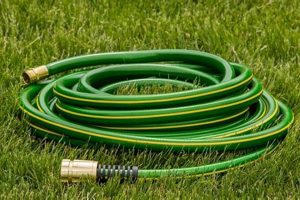
A flexible water conduit designed for efficient storage and ease of use within a garden or landscape defines a coiled garden hose. Its primary characteristic involves a spiral configuration, allowing for compact storage and automatic retraction. These hoses are often manufactured from materials like polyurethane or specialized polymers to maintain elasticity and durability.
The appeal of this type of hose lies in its space-saving design and reduced risk of kinks or tangles, which can impede water flow and shorten the lifespan of conventional hoses. Historically, garden hoses were cumbersome and difficult to manage. The coiled variant addresses these issues, offering a more convenient solution for watering plants, washing cars, or performing other outdoor tasks requiring a water source. The reduced storage footprint makes it particularly valuable in areas with limited space, such as apartment balconies or small patios.
Understanding the diverse materials, lengths, and features available is crucial when selecting a suitable option. Subsequent sections will examine the key considerations involved in evaluating these aspects, providing insight into making an informed purchase decision.
Optimizing Coiled Garden Hose Selection and Usage
The following guidelines are designed to enhance the selection, maintenance, and overall effectiveness of coiled garden hoses.
Tip 1: Material Assessment: Prioritize hoses constructed from high-grade polyurethane or similar durable polymers. These materials resist degradation from UV exposure, temperature fluctuations, and repeated coiling and uncoiling.
Tip 2: Length Considerations: Determine the required length based on the garden’s size and the distance to the water source. Excessive length can lead to decreased water pressure, while insufficient length limits reach.
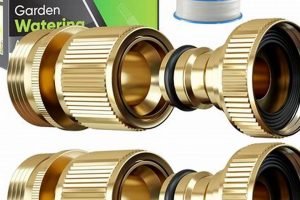
Tip 3: Connector Quality: Inspect the hose connectors for robust construction, preferably brass or aluminum, to prevent leaks and ensure a secure connection to the spigot and nozzle.
Tip 4: Recoil Strength Evaluation: Assess the hose’s ability to recoil efficiently and completely after use. Inadequate recoil can result in tangling and difficulty in storage.
Tip 5: Storage Practices: Store the hose in a shaded area away from direct sunlight and extreme temperatures to prolong its lifespan. Consider using a hose reel or hanger designed for coiled hoses.
Tip 6: Water Pressure Management: Avoid exceeding the hose’s maximum recommended water pressure, as this can cause bursting or leaks. Regulators might be required for high-pressure systems.
Tip 7: Periodic Inspection: Routinely inspect the hose for signs of wear and tear, such as cracks, abrasions, or leaks. Address any issues promptly to prevent further damage.
Adhering to these tips ensures that the selected coiled garden hose provides optimal performance, longevity, and convenience.
The concluding section will synthesize the key aspects discussed and provide a final overview of coiled garden hose utility.
1. Material Durability

Material durability forms a cornerstone characteristic of a high-quality coiled garden hose. The hose’s ability to withstand environmental stressors, such as ultraviolet (UV) radiation, temperature extremes, and physical abrasion, directly correlates with its lifespan and long-term usability. Inferior materials are prone to cracking, splitting, or becoming brittle with exposure, leading to leaks, reduced water pressure, and ultimately, the need for replacement. For example, a hose constructed from a low-grade PVC compound may exhibit significant degradation within a single gardening season, particularly in regions with intense sunlight or frequent temperature fluctuations. Conversely, hoses fabricated from reinforced polyurethane or similar robust polymers demonstrate superior resilience, maintaining their structural integrity and flexibility over extended periods.
The practical implications of material durability extend beyond simple longevity. A durable hose is less susceptible to damage from accidental impacts or dragging across rough surfaces. This translates to a reduced risk of unexpected failures during use, which can be particularly critical in time-sensitive gardening tasks or when relying on the hose for essential outdoor cleaning activities. For instance, a homeowner using a durable coiled hose to pressure wash a deck can expect consistent performance without the interruption of a burst hose, whereas a less durable hose may rupture under pressure, causing delays and potential water damage. Furthermore, the chemical resistance of the hose material is significant, preventing degradation from contact with fertilizers, pesticides, or other common gardening chemicals.
In conclusion, material durability represents a primary determinant of a coiled garden hose’s overall value. Selecting a hose constructed from high-quality, resilient materials is an investment in long-term performance and reliability. While upfront costs may be higher for such products, the reduced frequency of replacement and improved resistance to damage offset these expenses over time. Therefore, a focus on material properties is paramount when seeking a coiled garden hose that delivers enduring utility and withstands the rigors of regular outdoor use.
2. Coil Retraction
Coil retraction, the ability of a coiled garden hose to automatically return to its compact, coiled configuration after use, is a significant determinant of its overall quality and user convenience. Efficient coil retraction directly contributes to ease of storage, minimizing the physical space required for hose management. When a hose fails to retract adequately, it results in tangles, kinks, and a cumbersome storage process. The primary mechanism driving coil retraction is the inherent elasticity of the hose material, combined with the specific coiling pattern employed during manufacturing. Hoses constructed with inferior materials or improperly designed coiling patterns often exhibit poor retraction performance, requiring manual coiling and increasing the likelihood of damage during storage. For instance, a homeowner with a small urban garden benefits significantly from a hose with excellent coil retraction, enabling them to efficiently store the hose on a balcony or in a limited storage space.
The effectiveness of coil retraction is also intrinsically linked to the hose’s material composition. High-quality polyurethane blends, for example, retain their elasticity and shape memory over prolonged periods, ensuring consistent retraction performance. Conversely, hoses made from cheaper, less resilient materials tend to lose their coiling properties over time, leading to a reduction in retraction efficiency. This deterioration can be accelerated by exposure to extreme temperatures, UV radiation, and repeated stretching. The practical consequences of po
or coil retraction extend beyond mere inconvenience. A tangled or poorly stored hose is more susceptible to physical damage, such as punctures or abrasion, which can compromise its integrity and shorten its lifespan. Moreover, manual coiling can be time-consuming and physically demanding, particularly for individuals with mobility limitations.
In summary, coil retraction is a critical performance attribute for a coiled garden hose. The ability of a hose to automatically and efficiently return to its coiled state directly impacts its ease of use, storage convenience, and overall longevity. Selection of a hose with superior coil retraction properties, achieved through a combination of high-quality materials and optimized coiling design, represents a sound investment for any gardener or homeowner seeking a reliable and manageable water delivery solution. The long-term benefits of improved storage, reduced damage, and enhanced usability far outweigh the potential incremental cost increase associated with higher-quality products. Therefore, coil retraction should be a primary consideration when evaluating the merits of different coiled garden hose options.
3. Hose Length

Hose length is a critical parameter in determining the overall utility and effectiveness of a coiled garden hose. The optimal length directly correlates with the size and layout of the intended watering area. Insufficient length restricts reach, necessitating the use of additional connectors or limiting the ability to water distant plants. Conversely, excessive length results in reduced water pressure due to frictional losses within the hose, and introduces unnecessary weight and storage challenges. For example, a small patio garden may only require a 25-foot hose, while a larger landscape with dispersed flower beds might necessitate a 75-foot option to achieve adequate coverage without repositioning the water source.
The choice of hose length also impacts the recoil efficiency of the coiled hose. Longer hoses exhibit a greater tendency to tangle or resist complete retraction, thereby complicating storage procedures. Material characteristics play a significant role, with more flexible and resilient polymers allowing for better recoil performance in extended lengths. Furthermore, the diameter of the hose influences pressure drop; narrower hoses contribute to greater pressure loss over longer distances, potentially rendering them unsuitable for demanding watering tasks such as pressure washing or irrigating large vegetable gardens. In practical terms, a homeowner attempting to wash a vehicle with an overly long, narrow coiled hose may experience insufficient water pressure to effectively remove dirt and grime, regardless of the spigot’s original output.
Ultimately, hose length must be carefully considered in conjunction with other factors, such as material quality, coil design, and intended application. An informed decision involves accurately assessing the required reach, accounting for potential pressure loss, and selecting a length that balances convenience and performance. The ideal coiled garden hose represents a compromise between sufficient coverage and manageable storage, ensuring efficient water delivery without compromising user experience or product longevity. Therefore, selecting the appropriate hose length is essential for maximizing the benefits of a coiled garden hose and optimizing its contribution to gardening and outdoor maintenance activities.
4. Connector Quality

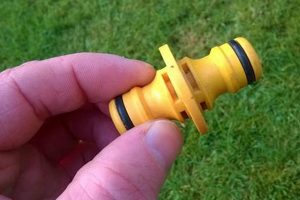
Connector quality is a non-negotiable attribute of any “best coiled garden hose.” These connection points, typically attaching the hose to the water spigot and any accessories like spray nozzles, are subjected to constant pressure and physical stress. Inferior connectors are prone to leaks, corrosion, and even complete detachment, rendering the hose unusable. The selection of robust, durable materials such as brass or high-grade aluminum is paramount to ensure a secure and watertight seal. For example, a coiled hose used for pressure washing, an application demanding high water pressure, relies heavily on connector integrity. A failure at this point can not only halt the cleaning process but also pose a safety risk due to the sudden release of pressurized water.
The design of the connector also contributes significantly to overall performance. Swivel connectors, which allow the hose to rotate freely, minimize kinking and twisting, thereby extending the hose’s lifespan and maintaining consistent water flow. Threaded connections must be precisely machined to prevent cross-threading and ensure a reliable seal. In practice, a homeowner frequently connecting and disconnecting a coiled hose for various gardening tasks will quickly appreciate the value of high-quality connectors that provide a secure, leak-free connection with minimal effort. Conversely, struggling with poorly made connectors that constantly leak or require excessive tightening can lead to frustration and wasted water.
In summary, connector quality represents a critical, often overlooked, factor in evaluating a coiled garden hose. Investing in a hose with durable, well-designed connectors is essential for ensuring reliable performance, preventing water wastage, and extending the hose’s service life. While the cost of a hose with superior connectors may be marginally higher, the long-term benefits in terms of reduced maintenance, increased efficiency, and enhanced user satisfaction far outweigh the initial price difference. Neglecting this aspect can result in frequent repairs, water loss, and ultimately, the premature replacement of the entire hose. Therefore, connector quality is an indispensable component of a “best coiled garden hose.”
5. Water Pressure
Water pressure stands as a pivotal factor in determining the functionality and suitability of a coiled garden hose. Its influence extends from the hose’s ability to deliver an adequate stream for routine watering to its capacity to power more demanding applications like pressure washing. The selection of a coiled garden hose without considering its water pressure characteristics can lead to diminished performance and user dissatisfaction.
- Impact on Spray Nozzle Performance
Water pressure directly dictates the effectiveness of spray nozzles attached to the coiled garden hose. Insufficient pressure results in weak, dispersed spray patterns, rendering the nozzle ineffective for targeted watering or cleaning tasks. Conversely, excessive pressure, exceeding the hose’s rated capacity, can lead to bursting or connector failure. A coiled hose rated for 60 PSI, when subjected to 80 PSI from the main water supply, will experience accelerated wear and tear, potentially leading to premature failure and leaks.
- Influence of Hose Diameter and Length
The diameter and length of the coiled garden hose significantly affect water pressure. Narrower hoses and extended lengths introduce greater frictional resistance, resulting in pressure drop from the spigot to the output. For instance, a 5/8-inch diameter hose will deliver higher pressure than a 1/2-inch diameter hose of the same length, assuming an identical input pressure. This is especially critical when the coiled hose is connected to devices requiring a specific pressure thr
eshold, such as sprinklers or irrigation systems. - Material Composition and Pressure Resistance
The material used in constructing the coiled garden hose directly impacts its pressure resistance. Hoses made from reinforced polymers exhibit greater capacity to withstand high water pressure without bulging or rupturing. Conversely, hoses manufactured from lower-grade materials are more susceptible to damage under pressure. Regular use with a pressure exceeding the material’s tolerance compromises its structural integrity and shortens the lifespan. A high-quality coiled hose will typically specify a maximum working pressure to guide safe usage.
- Coupling and Connection Integrity
The quality and design of couplings and connections play a crucial role in maintaining optimal water pressure. Loose or poorly sealed connections result in pressure loss due to leakage, diminishing the overall performance of the coiled garden hose. Brass or reinforced plastic couplings are generally more effective at maintaining a watertight seal under pressure compared to cheaper, less durable alternatives. Secure and properly tightened connections are essential for maximizing water pressure and preventing wasteful leaks.
Understanding the interplay between water pressure, hose dimensions, material composition, and connection integrity is paramount when selecting a coiled garden hose. A properly matched hose, rated for the intended water pressure and equipped with durable connectors, will provide efficient and reliable water delivery for a variety of outdoor tasks. Choosing a “best coiled garden hose” necessitates a thorough evaluation of these water pressure-related attributes to ensure optimal performance and longevity.
6. UV Resistance

Ultraviolet (UV) resistance is a critical property in defining a “best coiled garden hose.” Prolonged exposure to solar radiation degrades many common hose materials, leading to embrittlement, cracking, and ultimately, failure. The intensity of UV radiation varies geographically, but continuous outdoor exposure accelerates the breakdown of polymeric chains in susceptible hose compositions. This degradation results in a loss of flexibility, making the hose prone to kinking and difficult to coil. For instance, a coiled hose left exposed to the sun in a desert climate will experience significantly faster deterioration than one stored in a shaded environment. The incorporation of UV inhibitors during manufacturing mitigates this effect, extending the hose’s lifespan and preserving its performance characteristics.
The absence of adequate UV resistance necessitates more frequent hose replacements, increasing expenditure and contributing to environmental waste. Practical consequences of UV degradation include reduced water pressure due to leaks from cracks, and the inconvenience of dealing with a hose that is stiff and difficult to maneuver. Consider a homeowner who relies on a coiled hose for irrigation; a UV-susceptible hose will require replacement every season, while a UV-resistant model can provide several years of reliable service. The selection of UV-resistant materials is especially crucial for hoses used in sunny climates or those that are consistently stored outdoors. Manufacturers typically indicate the UV resistance of their hoses, often by specifying the type and concentration of UV inhibitors used.
In conclusion, UV resistance is an indispensable attribute of a “best coiled garden hose.” It directly impacts the hose’s durability, longevity, and overall value. The initial investment in a UV-resistant model is offset by the reduced frequency of replacement and the improved performance over its lifespan. While UV resistance cannot completely eliminate material degradation, it significantly slows the process, ensuring that the hose remains functional and reliable for an extended period, thereby justifying its inclusion as a core criterion in assessing hose quality.
7. Storage Needs
Storage requirements significantly influence the determination of the “best coiled garden hose” for any given user. The ease and efficiency with which a hose can be stored directly impacts its usability, longevity, and the overall tidiness of the outdoor space. Consideration of these needs is paramount when selecting a hose to ensure it integrates seamlessly into the user’s lifestyle and environment.
- Compact Design and Coiling Efficiency
The primary advantage of a coiled garden hose is its inherent ability to retract into a small, manageable form. A superior hose will exhibit efficient coiling, minimizing the space required for storage and preventing tangling. For example, individuals with limited storage space, such as apartment dwellers or those with small patios, will prioritize hoses that coil tightly and uniformly, maximizing the available storage area. In contrast, a hose that coils poorly or requires manual manipulation will become cumbersome and detract from its overall convenience.
- Hanging and Mounting Options
The availability of compatible hanging or mounting solutions directly impacts the ease of storing a coiled garden hose. Some hoses are designed with integrated hanging loops or are compatible with specialized reels or brackets. This facilitates organized storage, preventing the hose from lying on the ground where it can be damaged or create a tripping hazard. For instance, a homeowner with a well-equipped gardening shed will seek a hose that can be neatly mounted on a wall-mounted reel, while another user might prefer a simple hanging hook near the spigot.
- Material Durability and Storage Environment
The storage environment and the hose’s material composition are interconnected factors. Hoses stored outdoors are exposed to the elements, necessitating UV resistance and resilience to temperature fluctuations. Conversely, hoses stored indoors, such as in a garage, might not require the same level of weatherproofing but should be resistant to abrasion and punctures. A durable material, regardless of storage location, ensures the hose remains functional and aesthetically pleasing over extended periods.
- Weight and Portability for Storage
The weight of a coiled garden hose, particularly when fully extended, impacts the ease with which it can be moved and stored. Lightweight hoses are easier to handle and transport, simplifying the storage process, especially for individuals with limited physical strength. For example, an elderly gardener may prefer a lightweight hose that can be easily coiled and carried to a storage location, while a younger user might prioritize durability over weight. Portability is a key consideration when selecting a coiled hose that aligns with individual capabilities and storage preferences.
These considerations highlight the importance of aligning the chosen coiled garden hose with specific storage needs and preferences. A “best coiled garden hose” is not solely defined by its material quality or water pressure capabilities; its practicality in terms of storage and handling is equally crucial. By carefully evaluating these aspects, users can select a hose that seamlessly integrates into their lifestyle and enhances their overall gardening experience.
Frequently Asked Questions
The subsequent questions address common inquiries and misconceptions regarding coiled garden hoses, offering clarity and guidance
for informed decision-making.
Question 1: What materials are typically used in the construction of coiled garden hoses, and how do these materials impact performance?
Coiled garden hoses are commonly manufactured from polyurethane, thermoplastic elastomers (TPE), or reinforced PVC compounds. Polyurethane offers superior flexibility, durability, and resistance to UV degradation, resulting in a longer lifespan and consistent performance. TPE provides a balance of flexibility and affordability, while PVC, though less expensive, is more prone to kinking and degradation over time.
Question 2: How does the diameter of a coiled garden hose affect water pressure and flow rate?
The diameter of a coiled garden hose directly influences water pressure and flow rate. A larger diameter hose allows for greater water flow with minimal pressure loss due to reduced friction. Conversely, a smaller diameter hose restricts water flow and increases pressure drop, potentially impacting the performance of spray nozzles and other attachments. The ideal diameter depends on the length of the hose and the intended application, balancing pressure and flow requirements.
Question 3: What is the significance of coil memory in a coiled garden hose, and how does it impact storage and usability?
Coil memory refers to the hose’s ability to return to its original coiled shape after extension. A hose with good coil memory retracts efficiently, minimizing tangling and simplifying storage. Poor coil memory results in a hose that is difficult to manage and prone to kinking, reducing its overall usability. Material composition and manufacturing processes directly influence coil memory.
Question 4: How does UV resistance contribute to the longevity of a coiled garden hose, and what are the potential consequences of UV degradation?
UV resistance is a critical attribute for coiled garden hoses exposed to sunlight. UV radiation degrades polymeric materials, causing them to become brittle, crack, and leak. UV-resistant hoses incorporate additives that shield the material from UV damage, extending their lifespan. The consequences of UV degradation include reduced water pressure, leaks, and the need for frequent hose replacements.
Question 5: What factors should be considered when determining the appropriate length of a coiled garden hose?
The appropriate length of a coiled garden hose depends on the size and layout of the area to be watered. It is essential to measure the maximum distance from the water source to the furthest point requiring water. Excessive length can lead to reduced water pressure and increased storage complexity, while insufficient length limits reach. A coiled hose generally extends to approximately half its stated length.
Question 6: How does connector quality impact the performance and durability of a coiled garden hose?
Connector quality significantly affects the performance and durability of a coiled garden hose. Durable connectors made from brass or reinforced polymers provide a secure, leak-free connection to the water spigot and attachments. Inferior connectors are prone to corrosion, leakage, and detachment, compromising water pressure and potentially causing damage. High-quality connectors ensure consistent performance and extend the hose’s lifespan.
The preceding answers offer comprehensive insights into the characteristics and considerations associated with coiled garden hoses, enabling consumers to make informed decisions based on their specific needs and preferences.
Subsequent sections will explore specific product recommendations and comparative analyses of various coiled garden hose models currently available on the market.
Achieving Optimal Irrigation with Coiled Garden Hoses
The preceding analysis underscores the multifaceted considerations inherent in selecting a “best coiled garden hose.” Factors such as material composition, coil retraction, hose length, connector quality, water pressure resistance, UV protection, and storage needs coalesce to determine a hose’s overall utility and longevity. Each element contributes uniquely to the hose’s performance, making comprehensive assessment crucial before purchase.
Ultimately, the choice of a coiled garden hose represents an investment in efficient water management and landscape maintenance. Careful evaluation of individual requirements, coupled with informed consideration of the discussed attributes, will facilitate the selection of a durable, reliable, and user-friendly irrigation solution, ensuring long-term value and optimal performance.
![Best 2 Inch Garden Hose For [X] & Reviews | The Ultimate Gardening Guide: Grow a Thriving Garden Year-Round](https://MyGardenPatch.com/wp-content/uploads/2025/07/th-5631-300x200.jpg "Best 2 Inch Garden Hose For [X] & Reviews The Ultimate Gardening Guide: Grow a Thriving Garden Year-Round")