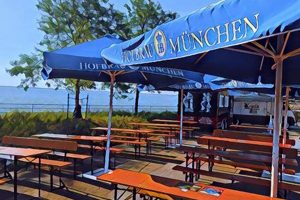
This outdoor shading device, typically constructed with a fabric canopy stretched over a supporting frame, provides protection from direct sunlight in garden or patio settings. Functionally, it serves to create a more comfortable and usable outdoor space during periods of intense solar radiation. Examples include cantilevered models that suspend the canopy without a central pole, and traditional table-mounted versions that fit within a patio table’s central aperture.
The utilization of such structures offers several advantages, ranging from shielding individuals from potentially harmful ultraviolet rays to lowering the ambient temperature of the shaded area. Historically, similar shading methods have been employed across various cultures, with the modern iteration evolving through advancements in materials and engineering. Its importance lies in its ability to enhance the outdoor living experience, allowing for greater enjoyment of gardens and patios while mitigating the negative effects of prolonged sun exposure.
Subsequent sections will delve into specific aspects related to selecting appropriate models, considering material properties, and addressing maintenance requirements for optimal performance and longevity. Furthermore, aesthetic considerations and their role in complementing outdoor dcor will be explored.
Selection and Maintenance Guidance
The following guidelines are presented to assist in the informed selection, proper installation, and routine maintenance of an outdoor shading structure for gardens or patios.
Tip 1: Material Evaluation: Prioritize canopy materials with a high Ultraviolet Protection Factor (UPF) rating. This metric quantifies the degree of protection offered against harmful solar radiation. Consider solution-dyed acrylic fabrics for enhanced fade resistance compared to standard polyester options. Examine the frame material for weather resistance; powder-coated aluminum or durable hardwoods offer longevity.
Tip 2: Base Stability Assessment: The stability of the base is paramount, particularly in windy environments. Ensure the base weight is appropriate for the size and design of the structure. For cantilevered models, a heavier base is generally required. Regularly inspect the base for cracks or deterioration.
Tip 3: Crank and Tilt Mechanism Examination: Evaluate the functionality of the crank and tilt mechanisms before purchase. Ensure smooth operation and robust construction. Periodic lubrication of these mechanisms can extend their lifespan and prevent seizing.
Tip 4: Storage Best Practices: When not in use, particularly during inclement weather or off-season periods, store the shading structure in a dry, protected environment. Utilizing a protective cover can prevent fading, mildew growth, and damage from wind or debris.
Tip 5: Cleaning Protocols: Regularly clean the canopy to remove dirt, pollen, and other contaminants. Consult the manufacturer’s instructions for appropriate cleaning agents and methods. Avoid harsh chemicals that can degrade the fabric’s protective properties.
Tip 6: Wind Management Strategies: During periods of high wind, close the shading structure. If the structure is permanently installed, consider deploying wind vents or loosening the canopy to reduce wind resistance and prevent damage.
Tip 7: Regular Inspection for Wear: Conduct routine inspections of all components, including the canopy, frame, base, and hardware. Address any signs of wear or damage promptly to prevent further deterioration and potential safety hazards.
Adhering to these guidelines will contribute to the extended lifespan, optimal performance, and continued aesthetic appeal of this essential outdoor accessory.
The subsequent section will address common issues and troubleshooting techniques.
1. UV Protection

The effectiveness of an outdoor shading device in mitigating the harmful effects of solar radiation is intrinsically linked to its UV protection capabilities. This function represents a primary consideration for consumers seeking to enhance outdoor comfort and safeguard against potential health risks associated with prolonged sun exposure. The following points detail critical facets of UV protection relative to these structures.
- Canopy Material Composition
The type of material used in the construction of the canopy significantly influences the level of UV protection provided. Tightly woven fabrics, such as solution-dyed acrylic, offer superior blockage of ultraviolet rays compared to loosely woven or thinner materials like standard polyester. Specific coatings or treatments applied to the fabric can further enhance its UV-blocking properties. For example, fabrics labeled with a high Ultraviolet Protection Factor (UPF) rating, often exceeding 50+, indicate a substantial reduction in UV transmission.
- Canopy Color and Density
Darker-colored canopies generally offer greater UV protection than lighter-colored ones. Denser weaves also contribute to improved UV blockage. While a white canopy might provide shade, it allows a higher percentage of UV radiation to penetrate compared to a navy or black canopy of similar material. The density of the weave minimizes gaps through which UV rays can pass, effectively shielding individuals beneath the structure.
- Coverage Area and Angle of Incidence
The size and positioning of the shading device relative to the sun’s angle of incidence impact the extent of UV protection. A larger canopy provides greater overall coverage, minimizing the risk of exposure to reflected or scattered UV radiation. Adjusting the tilt of the canopy throughout the day, where possible, optimizes shade coverage as the sun’s position changes, ensuring consistent protection during peak exposure hours.
- Material Degradation Over Time
Prolonged exposure to sunlight can gradually degrade the UV-blocking properties of canopy materials. Regular cleaning and maintenance, as well as appropriate storage during off-season periods, can help to mitigate this degradation. Consumers should be aware that even high-quality fabrics will eventually experience a reduction in UV protection effectiveness over time, necessitating eventual replacement to maintain optimal performance.
These factors underscore the multifaceted relationship between UV protection and an outdoor shading device. Selecting a model with a high UPF rating, considering canopy color and density, optimizing coverage area, and implementing proper maintenance protocols are essential steps in maximizing the health benefits and long-term effectiveness of these structures in reducing harmful sun exposure.
2. Structural Stability

Structural stability is a paramount consideration in the design and selection of an outdoor shading device. Its integrit
y directly impacts the device’s ability to withstand environmental forces, ensure user safety, and provide reliable shade. Compromised stability renders the device ineffective and potentially hazardous.
- Base Weight and Design
The foundation dictates the device’s resistance to overturning. Adequate base weight, proportionate to the canopy size and design, is crucial, especially in wind-prone areas. The base’s geometry also contributes; a wider footprint provides greater stability. Examples include weighted concrete, granite, or fillable plastic bases. Inadequate base weight can lead to tipping, causing damage and potential injury.
- Frame Material and Construction
The frame serves as the skeletal support for the canopy. Durable materials, such as powder-coated aluminum, steel, or hardwood, are preferred for their strength and weather resistance. The frame’s construction, including joint integrity and the number of support ribs, influences its ability to withstand wind loads and prevent collapse. Weak or corroded frames are prone to failure.
- Wind Resistance Design Features
Certain design elements mitigate the impact of wind. Vents in the canopy allow air to pass through, reducing uplift. Flexible ribs, often made of fiberglass, can bend under pressure, preventing breakage. Tie-down points or ground anchors further enhance stability in exposed locations. Absence of these features increases vulnerability to wind damage.
- Locking and Adjustment Mechanisms
Secure locking mechanisms are essential to maintain the canopy’s position and prevent uncontrolled movement, particularly in adjustable models. Robust tilt and crank systems ensure smooth operation and prevent slippage or collapse. Worn or poorly designed mechanisms compromise stability and pose a safety risk.
These facets collectively contribute to the overall structural integrity of an outdoor shading device. Neglecting any single aspect can diminish the device’s performance and longevity. Therefore, thorough evaluation of these structural elements is essential to ensure a safe and functional shading solution.
3. Material Durability
The service life and performance of an outdoor shading structure are fundamentally determined by the inherent durability of its constituent materials. The selection of materials directly impacts the structure’s resistance to environmental degradation, its ability to withstand mechanical stress, and, consequently, its long-term functionality. Premature material failure necessitates replacement, incurring additional costs and diminishing the overall value of the investment. For example, canopies fabricated from non-UV resistant polyester will exhibit rapid fading and embrittlement when exposed to sunlight, while frames constructed from untreated steel will corrode, compromising structural integrity. The interplay between material properties and environmental stressors is thus a primary determinant of durability.
The significance of material durability extends beyond simple longevity. A structurally sound shading device provides consistent protection from the sun, ensuring user safety and comfort. Durable materials resist tearing, sagging, and other forms of degradation that could compromise shade coverage. Furthermore, the aesthetic appeal of the structure is maintained when materials retain their original color, texture, and form. Consider the difference between a canopy constructed from solution-dyed acrylic, which retains its color and resists mildew, and one made from cheaper, undyed fabric that fades quickly and becomes susceptible to mold. The former offers superior performance and a longer lifespan, resulting in a more cost-effective solution despite the higher initial investment. Frames made from high-quality aluminum with powder coating resists weather and damage.
In conclusion, material durability is not merely a desirable attribute but an essential component of an effective and economically sound outdoor shading structure. The selection of weather-resistant, UV-stable, and mechanically robust materials is paramount to ensure long-term performance, safety, and aesthetic value. Understanding the properties of different materials and their suitability for outdoor applications is crucial for making informed purchasing decisions and maximizing the lifespan of these structures. The trade-off of initial investment versus lasting value is a significant consideration for both consumers and manufacturers.
4. Adjustability
Adjustability, as a design element in outdoor shading devices, directly impacts the effectiveness and user experience. The capacity to alter the canopy’s position relative to the sun’s trajectory ensures consistent shade coverage throughout the day. This addresses the varying angles of solar incidence, mitigating the risk of direct sun exposure as the sun moves across the sky. A fixed canopy offers limited protection, requiring users to relocate or tolerate periods of direct sunlight. Therefore, adjustability is not merely a convenience but a critical component in maximizing the functionality of a sun shading device.
Real-world applications underscore the practical significance of adjustability. Consider a patio facing east. Without tilt functionality, a shading device provides optimal protection only during the morning hours. As the sun climbs higher in the sky, the shaded area diminishes, rendering the device less effective. With tilt adjustability, the canopy can be angled to maintain shade coverage throughout the day, adapting to the sun’s changing position. Similarly, rotation mechanisms allow for horizontal adjustments, compensating for seasonal shifts in the sun’s path. These adjustments ensure consistent shade regardless of time of day or year. The cost of adjustability is generally offset by increased user comfort and reduced sun exposure.
Challenges in implementing adjustability include ensuring the robustness and longevity of the adjustment mechanisms. Tilt cranks, rotation joints, and locking mechanisms must withstand frequent use and exposure to the elements. Cost considerations often influence the quality of these components, impacting the overall durability of the shading device. Despite these challenges, adjustability remains a defining feature of effective outdoor shading solutions, providing users with the means to optimize their comfort and protection from the sun. The absence of adjustability reduces a shading device to a static fixture with limited utility.
5. Aesthetic Integration
The successful incorporation of an outdoor shading structure into a garden or patio environment is critically dependent on aesthetic integration. Aesthetically discordant structures detract from the visual harmony of the space, diminishing the overall appeal and potentially reducing property value. The selection of a suitable model requires careful consideration of existing design elements, color palettes, and landscaping features. A structure that complements its surroundings enhances the visual coherence of the outdoor space, contributing to a more pleasing and inviting environment. For instance, a modern, minimalist garden may benefit from a canti
levered model with clean lines and neutral colors, while a more traditional garden might be better suited to a wood-framed version with a patterned canopy. Failure to consider these factors can result in a jarring visual contrast, undermining the intended aesthetic.
The materials, colors, and style of the canopy directly impact the perceived aesthetic. Canopy colors should harmonize with existing elements, such as furniture, flowers, and architectural details. Neutral tones often provide versatility, while bolder colors can serve as focal points. The canopy’s fabric pattern can also contribute to the overall aesthetic, ranging from subtle textures to more elaborate designs. Furthermore, the shape and proportions of the structure must be carefully considered. Oversized or disproportionate models can overwhelm smaller spaces, while undersized models may appear insignificant. The goal is to achieve a visual balance that complements, rather than competes with, the existing landscape. For example, placing a large, brightly colored structure in a small, formal garden would likely disrupt the sense of order and tranquility.
Aesthetic integration is not merely a matter of personal preference; it is a critical component of effective outdoor space design. By carefully considering the interplay between the structure and its surroundings, it is possible to create a visually cohesive and aesthetically pleasing environment. The challenges lie in balancing functional requirements, such as UV protection and structural stability, with aesthetic considerations. However, successful integration results in an outdoor space that is both functional and beautiful, enhancing the overall enjoyment and value of the property.
Frequently Asked Questions
This section addresses common inquiries regarding the selection, usage, and maintenance of outdoor shading devices designed for garden and patio applications.
Question 1: What constitutes an acceptable UPF rating for a sun garden umbrella?
An acceptable Ultraviolet Protection Factor (UPF) rating should be at least 30, blocking approximately 97% of UV rays. Ratings of 50+ offer superior protection, blocking over 98% of UV rays. The selection of a higher UPF rating is advisable for individuals with sensitive skin or prolonged exposure.
Question 2: How does wind impact the suitability of a particular sun garden umbrella model?
Wind resistance is primarily determined by base weight, frame construction, and the presence of wind vents in the canopy. Models intended for use in windy areas should possess a heavy base, a robust frame made of durable materials such as powder-coated aluminum or steel, and canopy vents to reduce uplift. Failure to account for wind can result in damage or injury.
Question 3: What are the primary differences between solution-dyed acrylic and polyester canopies?
Solution-dyed acrylic exhibits superior fade resistance compared to polyester. The dyeing process permeates the acrylic fibers, resulting in long-lasting color. Polyester is typically surface-dyed, making it more susceptible to fading upon prolonged exposure to sunlight. Solution-dyed acrylic also offers better resistance to mildew and moisture.
Question 4: What routine maintenance procedures are essential for prolonging the lifespan of a sun garden umbrella?
Essential maintenance includes regular cleaning of the canopy to remove dirt and debris, periodic lubrication of crank and tilt mechanisms, and proper storage during off-season periods. Inspecting the frame and canopy for signs of wear or damage is also crucial. Addressing minor issues promptly prevents further deterioration.
Question 5: Is it necessary to utilize a protective cover when storing a sun garden umbrella?
The utilization of a protective cover is highly recommended. A cover shields the canopy from UV radiation, moisture, and dirt, thereby preventing fading, mildew growth, and material degradation. This practice significantly extends the lifespan and maintains the aesthetic appearance of the shading device.
Question 6: What are the safety considerations when using a sun garden umbrella?
Safety considerations include ensuring adequate base weight to prevent tipping, particularly in windy conditions. Avoid using the shading device during severe weather. Regularly inspect the frame and canopy for damage that could pose a hazard. Securely close the device when not in use to prevent uncontrolled movement. Furthermore, be mindful of the umbrella’s placement to avoid tripping hazards.
Adherence to these guidelines promotes the safe and effective utilization of outdoor shading devices, ensuring optimal performance and longevity.
The subsequent section will address troubleshooting techniques for common issues encountered with outdoor shading structures.
Sun Garden Umbrella
This exploration has illuminated the multifaceted considerations surrounding the acquisition and utilization of the sun garden umbrella. From the critical assessment of Ultraviolet Protection Factor ratings to the essential maintenance protocols, the objective has been to provide a comprehensive understanding of the factors impacting performance, longevity, and user safety. The structural integrity, material durability, adjustability, and aesthetic integration of these devices are paramount in ensuring both functional efficacy and visual harmony within the outdoor environment. The information presented underscores the necessity of informed decision-making in the selection process, emphasizing the long-term implications of compromising on quality or neglecting routine maintenance.
The enduring relevance of the sun garden umbrella lies in its capacity to enhance outdoor living spaces while mitigating the risks associated with prolonged sun exposure. Prudent application of the knowledge imparted herein will not only extend the service life of these structures but also contribute to a more comfortable, safer, and aesthetically pleasing outdoor experience. Continued advancements in material science and engineering promise further refinements in design and performance, solidifying the sun garden umbrella’s role as a valuable component of outdoor design and well-being.