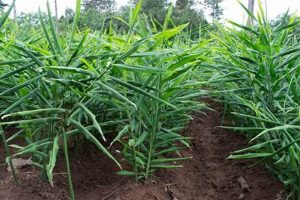
This leafy green, often cultivated in home gardens, is known for its peppery flavor and rapid growth. Its leaves are typically used in salads or as a cooked vegetable, providing a distinctive taste that complements various dishes. A common example includes adding the fresh leaves to a simple salad with olive oil and balsamic vinegar.
Its significance stems from its nutritional value, offering vitamins A and C, as well as antioxidants. Historically, it has been valued for its purported medicinal properties and ease of cultivation, making it a staple in many European gardens. Its rapid growth cycle allows for multiple harvests throughout the growing season, providing a consistent supply of fresh greens.
The following sections will delve into the specific cultivation techniques, potential culinary applications, and the nutritional profile of this fast-growing and flavorful addition to the vegetable garden.
Cultivation Strategies for Optimal Growth
The following recommendations aim to enhance the cultivation and yield of Eruca sativa, focusing on practical techniques for achieving robust plant development.
Tip 1: Soil Preparation: Prior to sowing, amend the soil with compost or well-rotted manure. This improves drainage, aeration, and nutrient availability, fostering healthy root systems and vigorous growth. For example, incorporate approximately two inches of compost into the top six inches of soil.
Tip 2: Sowing Time: For spring harvests, sow seeds directly into the garden approximately two to four weeks before the last expected frost. Succession sowing every two to three weeks will ensure a continuous supply of fresh leaves throughout the growing season. For autumn harvests, sow seeds in late summer.
Tip 3: Spacing: Space seeds approximately one inch apart in rows that are six inches apart. Thin seedlings to two to three inches apart once they emerge to provide adequate room for growth and reduce competition for resources. Insufficient spacing can result in smaller, less vigorous plants.
Tip 4: Watering: Maintain consistent soil moisture, particularly during hot, dry periods. Avoid overwatering, which can lead to root rot. Water deeply at the base of the plants, rather than overhead, to minimize the risk of foliar diseases. An example would be a deep watering two to three times a week, depending on the weather conditions.
Tip 5: Weed Control: Regularly remove weeds from the garden bed to prevent competition for nutrients, water, and sunlight. Mulching around the plants with straw or shredded leaves can help suppress weed growth and conserve soil moisture.
Tip 6: Harvesting: Harvest leaves when they are young and tender, typically four to six weeks after sowing. Cut the outer leaves, allowing the inner leaves to continue growing. Regular harvesting encourages continued leaf production and prevents the plant from bolting (flowering), which can make the leaves bitter.
Tip 7: Bolting Prevention: High temperatures and prolonged daylight hours can induce bolting. Provide shade during the hottest part of the day, especially during summer months, to delay bolting and extend the harvest period. Alternatively, select bolt-resistant cultivars.
Consistent adherence to these cultivation strategies will result in a bountiful harvest of flavorful leaves. By implementing these practices, growers can optimize plant health and maximize yield.
The following sections will address potential pests and diseases, along with strategies for organic pest management and disease prevention.
1. Flavor Profile (Peppery)

The distinct peppery flavor is a defining characteristic of Eruca sativa, influencing its culinary applications and consumer appeal. This pungency differentiates it from milder leafy greens and contributes to its use as a flavorful addition to various dishes.
- Glucosinolates and Isothiocyanates
The peppery taste is primarily attributed to glucosinolates, sulfur-containing compounds that break down into isothiocyanates when the plant tissue is damaged, such as during chewing or cutting. The concentration of these compounds can vary based on environmental factors, such as soil composition and growing conditions, influencing the intensity of the flavor. For instance, plants grown in drier conditions may exhibit a more pronounced peppery taste.
- Culinary Applications
The peppery flavor lends itself well to various culinary uses. It is commonly used in salads, where it adds a zesty counterpoint to milder greens and dressings. It can also be incorporated into pesto, used as a topping for pizzas, or added to pasta dishes to provide a sharp, fresh flavor. The intensity of the flavor allows it to stand out even when combined with other strong-tasting ingredients.
- Flavor Synergy with Other Ingredients
The peppery notes often complement ingredients such as citrus fruits, cheeses (particularly goat cheese and parmesan), and nuts. The acidity of citrus can balance the pungency, while the richness of cheeses provides a contrasting textural and flavor element. Nuts offer a crunchy texture and earthy flavor that harmonizes with the peppery profile. The pairing of these elements enhances the overall culinary experience.
- Impact on Consumer Preference
The peppery flavor profile contributes significantly to consumer preference and market demand. Individuals seeking a more assertive and flavorful leafy green often choose this plant over milder alternatives. Its distinctive taste adds complexity to dishes and appeals to consumers who appreciate bold flavors and culinary experimentation. Its flavor is not always universally liked, and younger leaves can be preferred to more mature ones.
The peppery flavor, driven by specific chemical compounds and influenced by growing conditions, is an integral characteristic influencing its culinary versatility and appeal. This pungent profile distinguishes the plant in the market and dictates its utilization in a range of gastronomic applications. Understanding these facets allows for optimal cultivation, harvesting, and culinary integration.
2. Rapid Growth (Weeks)
The rapid growth cycle of Eruca sativa, typically maturing within weeks of sowing, is a defining characteristic significantly impacting its cultivation and availability. This quick turnaround, a direct consequence of its inherent biological processes, permits multiple harvests within a single growing season, maximizing yield potential for both commercial and home gardeners. For instance, a grower can initiate sowing in early spring and continue successive sowings every two to three weeks, ensuring a continuous supply of fresh leaves from late spring through early autumn.
The physiological mechanisms enabling this accelerated growth involve efficient nutrient uptake, rapid photosynthesis, and a relatively short vegetative phase before reproduction, allowing quick development of leaf mass.
The practical implications of this rapid growth are substantial. It reduces the vulnerability of the crop to environmental stressors and pest infestations, as the plants spend less time in a susceptible state. Furthermore, it lowers the time investment and associated labor costs required for cultivation. The understanding of this rapid growth cycle allows growers to strategically plan planting schedules, optimizing resource utilization and meeting market demands more effectively. An example of this is farmers using this characteristic to cultivate it as a cover crop in between seasons of other vegetables. This rapid maturity enables it to suppress weeds and improve soil health in the period between harvesting one crop and planting another.
In summary, the rapid growth of Eruca sativa is not merely a biological attribute, but a critical factor shaping its agricultural viability and culinary accessibility. While this characteristic presents advantages, challenges such as managing potential bolting (premature flowering) due to heat stress must be addressed. Nonetheless, this rapid growth continues to underscore the plant’s value as a readily available and sustainable leafy green, complementing its distinctive flavor and nutritional profile.
3. Nutritional Value (Vitamins)

The nutritional value of Eruca sativa, particularly its vitamin content, is a key factor influencing its desirability as a food source. It is a measurable effect; the plant actively synthesizes and accumulates vitamins during its growth cycle. This inherent characteristic positions it as a provider of essential micronutrients, contributing to overall dietary health. For example, the presence of Vitamin K supports blood coagulation, a vital physiological process. Deficiencies in this vitamin can lead to impaired clotting. The plant’s Vitamin A content contributes to vision and immune function. This exemplifies how its inherent vitamin content directly impacts human health.
The understanding of this connection holds practical significance for dietary planning and nutritional interventions. Individuals seeking to increase their intake of specific vitamins can incorporate this leafy green into their diets. The specific vitamin composition, including the presence of Vitamin C and folate, further enhances its nutritional profile. Vitamin C acts as an antioxidant, while folate is crucial for cell growth and development. A specific application is in pre-natal diets, where adequate folate intake is essential. The levels of these vitamins are also important to consider when comparing Eruca sativa to other leafy greens, which can vary substantially.
In conclusion, the quantifiable vitamin content of Eruca sativa is not merely a theoretical attribute but a practical contributor to human nutritional needs. Its role as a source of Vitamins K, A, C, and folate highlights its importance in promoting health and preventing deficiencies. While vitamin levels can fluctuate based on environmental factors, this green remains a valuable and accessible source of essential micronutrients. This fact underscores the need for further research into optimizing growing conditions to maximize vitamin content.
4. Cultivation Ease (Direct Sow)

The characteristic of “direct sow” significantly simplifies the cultivation of Eruca sativa. This method, involving the direct placement of seeds into prepared soil, bypasses the need for transplanting seedlings, thus minimizing labor and potential root disturbance.
- Reduced Transplant Shock
Direct sowing eliminates the transplant shock associated with moving seedlings from a nursery environment to the garden. Transplant shock can stunt growth and delay harvest. By sowing directly, the plant establishes its root system undisturbed, leading to faster and more vigorous growth. For instance, a directly sown seed experiences continuous root development in its final growing location.
- Minimal Equipment Requirements
Direct sowing requires minimal equipment compared to transplanting. The process primarily necessitates seed, prepared soil, and a simple tool for creating shallow furrows. This simplicity reduces the entry barrier for novice gardeners and lowers the overall cost of cultivation. An example would be using a rake to create shallow rows for sowing seeds, as opposed to needing seed trays, potting mix, and transplanting tools.
- Adaptation to Local Conditions
Directly sown plants adapt more readily to local soil and climate conditions. The plant’s root system develops in direct contact with the surrounding soil, promoting enhanced nutrient uptake and water absorption. This adaptation leads to increased resilience to environmental stressors such as drought or temperature fluctuations. A directly sown seed, for example, will adjust its root growth based on the surrounding soil’s density and moisture content.
- Time and Labor Efficiency
Direct sowing saves time and labor compared to the multi-step process of starting seeds indoors and transplanting. The elimination of transplanting reduces the workload associated with cultivation, making it feasible for small-scale home gardening and large-scale agricultural operations. Sowing directly, rather than nurturing seedlings indoors for weeks, enables a more streamlined cultivation process.
These facets underscore the importance of “direct sow” to Eruca sativa cultivation. The ease and efficiency of this method contribute to the plant’s popularity among gardeners and commercial growers. This characteristic, combined with its rapid growth and nutritional benefits, solidifies its position as a readily accessible and valuable crop.
5. Culinary Versatility (Salads)

The culinary versatility of Eruca sativa within salads is a primary driver of its cultivation and consumption. Its distinct flavor profile and adaptable texture contribute to its integration into diverse salad compositions.
- Flavor Enhancement
The peppery and slightly bitter notes provide a flavor contrast to milder greens such as lettuce and spinach. The intensity of flavor allows for smaller quantities to significantly impact the overall taste profile of the salad. The addition of just a handful can transform a bland salad into a zesty and vibrant dish. Its inherent pungency complements ingredients like citrus fruits, nuts, and cheeses, contributing to complex flavor combinations. Consider a salad featuring it with grapefruit segments, toasted walnuts, and crumbled goat cheese, where its peppery notes create a balanced flavor profile.
- Textural Contrast
The leaves, characterized by their varying shapes and textures (from smooth to slightly serrated), introduce a tactile element
to salads. The crispness of the leaves, particularly when freshly harvested, contributes to the overall sensory experience. Blending its leaves with softer greens such as butter lettuce or arugula provides a balanced textural experience. This addition enhances the eating experience by offering a range of tactile sensations. - Nutritional Synergy
Its nutritional content complements that of other salad ingredients. Rich in vitamins and antioxidants, it augments the nutritional value of the overall salad. Combining it with other nutrient-dense vegetables and fruits creates a salad that is not only flavorful but also highly beneficial for health. Incorporating other vegetables rich in other nutrients will make it better.
- Adaptability to Dressings
Its flavor profile adapts well to a wide range of salad dressings, from simple vinaigrettes to creamy emulsions. The peppery notes can be enhanced or tempered depending on the dressing used. A light vinaigrette highlights the inherent flavor, while a creamy dressing provides a contrasting richness. This adaptability allows for culinary experimentation and customization to individual preferences. Its versatility permits it to be used across various culinary contexts.
The multifaceted integration of Eruca sativa into salads extends beyond mere ingredient addition. It actively shapes the flavor, texture, nutritional content, and overall dining experience. Its culinary versatility solidifies its role as a staple ingredient in diverse salad preparations. This versatility helps to explain its continued popularity amongst salad enthusiasts.
Frequently Asked Questions About Eruca sativa
The following addresses common inquiries regarding the cultivation, characteristics, and utilization of Eruca sativa.
Question 1: What are the optimal soil conditions for growing Eruca sativa?
Optimal soil conditions involve well-drained soil with a pH between 6.0 and 7.0. Amendment with compost or well-rotted manure is recommended to improve fertility and water retention.
Question 2: How frequently should Eruca sativa be watered?
Watering frequency should be consistent, maintaining soil moisture without waterlogging. Monitor soil conditions and adjust watering based on weather patterns and soil drainage. A general guideline is watering deeply 2-3 times per week, depending on the weather.
Question 3: What are the common pests and diseases affecting Eruca sativa, and how can they be managed?
Common pests include flea beetles and aphids. Diseases include downy mildew and white rust. Pest management involves using row covers, introducing beneficial insects, and applying insecticidal soap. Disease prevention involves ensuring good air circulation and avoiding overhead watering.
Question 4: At what stage of growth should Eruca sativa be harvested?
Eruca sativa is typically harvested when the leaves are young and tender, approximately 4-6 weeks after sowing. Harvesting outer leaves encourages continued production. Mature leaves can become more pungent and fibrous.
Question 5: How can bolting (premature flowering) be prevented in Eruca sativa?
Bolting can be prevented by providing shade during the hottest part of the day, especially in summer months. Selecting bolt-resistant cultivars and ensuring consistent soil moisture also aids in preventing premature flowering.
Question 6: Can Eruca sativa be grown in containers?
Yes, Eruca sativa can be successfully grown in containers. Use a well-draining potting mix and ensure adequate sunlight and water. Regular fertilization may be necessary to maintain nutrient levels in the container environment.
In summary, addressing soil conditions, watering practices, pest management, harvesting techniques, bolting prevention, and container cultivation are essential for successful Eruca sativa cultivation.
The following section explores advanced techniques in harvesting.
Conclusion
This exploration of the garden rocket plant has detailed its cultivation, nutritional value, flavor profile, and versatility. The information presented underlines its significance as a readily grown and beneficial addition to both home gardens and culinary applications. Key points included optimizing soil conditions, managing pests and diseases, and recognizing the plant’s rapid growth cycle for continuous harvesting. Attention to detail on all of these will lead to optimal yield.
The understanding of garden rocket plant attributes, from its ease of cultivation to its peppery flavor and nutritional advantages, can encourage more informed cultivation and utilization. Further research into optimizing growing practices and exploring novel culinary applications will continue to enhance the role of the garden rocket plant in sustainable agriculture and healthy diets. It is encouraged to promote its full potential in gardens.