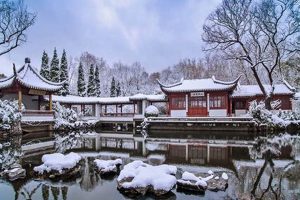
Specimens suitable for cultivation during the colder months are those that retain visual interest when many other species become dormant. These might include varieties known for colorful bark, persistent berries, evergreen foliage, or early blooming patterns. An example would be a red-twig dogwood providing stark color against a snowy backdrop or hellebores offering blooms despite the cold.
The cultivation of such species extends the aesthetic appeal of outdoor spaces throughout the year, preventing the landscape from becoming bleak and colorless. Benefits include sustained habitat for wildlife, continued visual enjoyment for homeowners, and opportunities for horticultural experimentation in challenging conditions. Historically, winter gardens have been valued in formal landscapes for their architectural structure and enduring beauty.
The subsequent sections will delve into specific categories of flora well-suited for these conditions. Considerations for selection include hardiness zones, soil preferences, light requirements, and overall aesthetic contributions to the landscape. Propagation techniques and ongoing maintenance strategies will also be addressed.
Cultivation Strategies for Seasonal Interest
Effective strategies can enhance seasonal aesthetics, ensuring visual appeal during periods when many plants are dormant.
Tip 1: Prioritize Evergreen Structure: Incorporate species such as conifers, boxwood, and rhododendrons to provide a persistent framework. These plants maintain foliage and offer visual stability throughout the year.
Tip 2: Emphasize Bark and Branch Color: Utilize species with vibrant bark, such as red-twig dogwood (Cornus sericea) or paperbark maple (Acer griseum). These offer striking visual contrast against snow or muted landscapes.
Tip 3: Select Winter-Blooming Varieties: Include plants known for flowering in cooler months, such as hellebores (Helleborus niger) or winter jasmine (Jasminum nudiflorum). These provide early color and fragrance.
Tip 4: Consider Berry-Producing Shrubs: Incorporate shrubs that retain berries throughout the season, such as winterberry (Ilex verticillata) or cotoneaster. Berries offer color and attract birds.
Tip 5: Implement Proper Soil Management: Ensure appropriate soil drainage and nutrient levels to support healthy growth and cold hardiness. Amend soil with organic matter to improve structure and fertility.
Tip 6: Provide Adequate Winter Protection: Protect sensitive species from harsh conditions using mulch, burlap wraps, or windbreaks. This helps prevent desiccation and cold damage.
Tip 7: Design for Visual Contrast: Combine various textures, forms, and colors to create a visually dynamic landscape. Juxtapose coarse and fine textures, upright and spreading forms, and contrasting colors.
Adherence to these strategies will result in a landscape that provides sustained visual appeal and ecological benefit during the colder periods of the year.
The following sections will provide a more detailed examination of specific plant selections and maintenance practices.
1. Evergreen Structure
Evergreen structure forms a foundational element within the concept of plant selection for seasonal interest. The persistent foliage offered by these species provides a visual anchor during periods when deciduous plants are dormant, preventing the landscape from appearing barren. The presence of evergreen trees and shrubs mitigates the starkness often associated with colder months, contributing to a sense of continuity and stability. For example, the strategic placement of coniferous trees such as pines or junipers can provide a year-round backdrop, emphasizing the seasonal changes in other plant materials. Therefore, evergreen foliage serves as a fundamental building block of winter landscape design, informing the choices and arrangement of other plants.
Furthermore, evergreen structure serves practical functions beyond aesthetics. These plants often provide crucial shelter and nesting sites for birds and other wildlife during winter, contributing to the ecological value. The dense foliage of certain evergreens can also act as windbreaks, protecting more sensitive plants from damage. A mass planting of evergreen groundcovers, such as pachysandra or vinca, can suppress weed growth and prevent soil erosion. The utilization of evergreen plants is, therefore, a multi-faceted approach that integrates form and function.
In summary, the implementation of evergreen structure is a vital component of establishing a successful environment. The year-round visual interest, ecological contributions, and protective functions are imperative to the creation of a thriving landscape. Although challenges may include proper species selection for specific microclimates and soil types, the overall benefits of incorporating evergreen foliage are considerable, ensuring that the outdoor space remains attractive and functional throughout the year.
2. Bark Texture

Bark texture assumes heightened importance during the colder months, when the absence of foliage allows the characteristics of plant bark to become a prominent visual element within the landscape. The varied textures exhibited by different species can provide visual interest and contribute to the overall aesthetic appeal.
- Visual Interest and Variety
The bark’s surface can range from smooth and polished to rough and deeply furrowed, introducing visual complexity to a garden. For example, the peeling bark of a paperbark maple (Acer griseum) presents an exfoliating texture that is visually striking. The rugged bark of an oak provides a different textural contrast. Varying bark textures prevent monotony in the landscape.
- Coloration and Contrast
Bark often exhibits unique coloration that complements or contrasts with the surrounding environment. The red-twig dogwood (Cornus sericea) features vibrant red bark, offering stark color against a snowy background. Silver birches showcase a striking white bark, creating a bright spot in the landscape. The presence of various colors, in addition to textures, amplifies visual interest.
- Structural Contribution
Bark texture can emphasize the underlying structure of a tree or shrub, particularly when foliage is absent. Deeply furrowed bark accentuates the verticality of a mature tree trunk, while smooth bark highlights the branching pattern. The texture thus adds to the perception of depth and three-dimensionality in the dormant season.
- Tactile Experience
Textured bark invites tactile exploration, providing a sensory experience during a time of year when other sensory inputs are limited. The smooth bark of a river birch (Betula nigra) is inviting to touch, while the rough bark of a mature oak provides a di
fferent tactile sensation. This aspect enhances the connection with the environment.
Consideration of bark texture provides opportunities to enhance the aesthetic appeal of landscapes during the dormancy period. The strategic selection of species with visually and tactically interesting bark ensures that the outdoor space maintains a level of appeal. This element also fosters a closer connection to the natural world during colder months. This should be a primary consideration when establishing an outdoor area for year-round beauty.
3. Berry Color
Berry color plays a significant role in enhancing the visual appeal of landscapes, offering a vibrant alternative to the muted tones often associated with the dormant months. The strategic incorporation of berry-producing species ensures that a landscape maintains aesthetic interest and ecological value, even in the absence of foliage or floral displays.
- Visual Interest in Winter Landscapes
Berries provide pops of color that contrast against the starkness of snow or bare branches, creating visual focal points. Species such as winterberry ( Ilex verticillata ) with its bright red berries or beautyberry ( Callicarpa dichotoma ) with its vibrant purple hues, transform a landscape from drab to dynamic. This visual stimulation is particularly valuable during seasons when other forms of natural color are scarce.
- Wildlife Attraction and Support
Many bird species rely on berries as a primary food source during the winter months. Berry-producing plants provide sustenance and critical habitat, contributing to the ecological health of the environment. Plants like crabapples ( Malus spp.) and hawthorns ( Crataegus spp.) not only offer aesthetic benefits but also support local bird populations, fostering a balanced ecosystem.
- Structural and Textural Enhancement
Beyond color, the presence of berries adds structural and textural elements to a landscape. Clusters of berries can create interesting patterns and shapes, enhancing the overall composition. The glossy sheen of some berries contrasts with the rough texture of bark, increasing visual complexity.
- Extended Seasonal Appeal
Berries often persist long after foliage has fallen, extending the period of visual interest provided by a plant. Certain species, such as the American bittersweet ( Celastrus scandens), retain their berries well into winter, providing lasting color. These enduring berries offer long-term beauty and ecological benefits.
The strategic selection of berry-producing plants offers a valuable approach to sustain both aesthetic appeal and ecological function. Through deliberate incorporation of species exhibiting vibrant berry colors, textures, and persistence, landscapes are revitalized, offering enduring visual interest and sustaining essential support for local wildlife during harsh weather conditions.
4. Bloom Time

Bloom time is a critical determinant of the value of flora. The selection of species with late or off-season bloom times extends aesthetic appeal beyond the typical growing season. The inclusion of plants that flower during the dormant months introduces color and visual interest during a period when other floral displays are scarce. This is particularly important in creating a composition that provides year-round appeal. For example, Hellebores, also known as winter roses, exhibit blooms that emerge in late winter or early spring, providing color at a time when many other species remain dormant. The placement and selection of species based on their atypical bloom period are therefore integral to the design.
The bloom timing of plants impacts the local ecosystem. Early-blooming species provide a crucial nectar source for pollinators that emerge from hibernation or migrate early in the year. The inclusion of winter-flowering shrubs, such as winter jasmine or witch hazel, supports pollinators at a time when food sources are limited. Understanding the specific bloom periods of various species enables designers and gardeners to create outdoor spaces that not only offer visual interest but also provide essential resources for wildlife during the colder months. Strategic planning of bloom periods is paramount for maximizing ecological benefits and supporting biodiversity.
In summary, bloom time is an important consideration in the context of selecting flora. By incorporating species with unconventional bloom times, landscapes can sustain aesthetic appeal. Overcoming challenges related to microclimate and plant hardiness is essential for optimizing bloom time success. The proper understanding of bloom time, integrated within overall horticultural practices, ensures a visually vibrant and ecologically beneficial landscape through all seasons.
5. Hardiness Zone
Hardiness zone classifications serve as a fundamental framework for determining the suitability of various species for specific geographic regions. In the context of flora for seasonal interest, the hardiness zone dictates which specimens can reliably survive and thrive, thereby defining the palette of viable options.
- Defining Survivability
Hardiness zones, based on average minimum winter temperatures, delineate areas where a plant is likely to withstand cold conditions. Selection of species outside the appropriate hardiness zone often results in winter damage or mortality. For instance, a plant rated for zone 6 will struggle in a zone 4 environment, due to temperatures falling beyond its tolerance range.
- Impact on Plant Physiology
The ability of a plant to survive in a given hardiness zone is directly related to its physiological adaptations to cold. Plants in colder zones develop mechanisms to resist freezing, such as cold acclimation and the production of antifreeze proteins. Plants unsuited to a zone may lack these adaptations, leading to cellular damage from ice formation.
- Microclimates and Zone Adjustment
Microclimates within a hardiness zone can create localized variations in temperature, allowing for the cultivation of species slightly outside the zone’s typical range. Southern-facing walls or sheltered locations can provide additional warmth, effectively extending the growing season for less hardy specimens. However, reliance on microclimates introduces a degree of risk.
- Long-Term Viability and Performance
Selecting plants suited to the appropriate hardiness zone not only ensures survival but also promotes long-term vigor and performance. Plants stressed by cold temperatures are more susceptible to disease and pest infestations, compromising their aesthetic qualities and ecological functions. Optimal species selection, therefore, contributes to a sustainable landscape.
The consideration of hardiness zone classifications is paramount in the planning. This consideration dictates the species that can flourish, providing an ongoing aesthetic contribution. The long-term success of a landscape is inextricably linked to the careful selection of plants
aligned with their environmental context.
6. Soil Drainage
Soil drainage significantly impacts the health and survival of specimens intended for outdoor cultivation during the dormant months. Adequate drainage prevents waterlogging, a condition that can be particularly detrimental to root systems during cold periods. The structure and composition of the soil directly influence its ability to drain effectively, which is crucial for species selection.
- Root Health and Oxygen Availability
Waterlogged soil restricts oxygen diffusion to plant roots, leading to anaerobic conditions. Root cells require oxygen for respiration, and prolonged lack of oxygen can cause root damage, decay, and ultimately, plant death. In the colder months, when metabolic activity is already slowed, the impact of oxygen deprivation is amplified. Species intolerant of poor drainage are particularly vulnerable.
- Freeze-Thaw Cycles and Root Heaving
Poorly drained soil retains excessive moisture, increasing the risk of damage from freeze-thaw cycles. As water freezes, it expands, exerting pressure on root systems and soil particles. Repeated cycles of freezing and thawing can lead to root heaving, where plants are gradually pushed out of the ground, exposing roots and increasing susceptibility to desiccation and cold damage. Improved drainage mitigates this risk.
- Disease Susceptibility
Waterlogged conditions favor the development of soilborne fungal diseases, such as root rot caused by Phytophthora and Pythium species. These pathogens thrive in moist environments and can quickly infect weakened root systems. The risk of infection is heightened during the dormant season when plant defenses are often less active. Proper drainage reduces the incidence of these diseases.
- Nutrient Availability and Uptake
Excessive soil moisture can hinder nutrient availability and uptake. Waterlogged soil reduces the activity of beneficial soil microorganisms that facilitate nutrient cycling and availability. It can also lead to nutrient leaching, where essential minerals are washed away. Plants grown in poorly drained soil may exhibit nutrient deficiencies, weakening them and increasing their vulnerability to environmental stressors.
Therefore, the selection of species suitable for areas with varying drainage characteristics is imperative. Species tolerant of wet conditions, such as certain willows and red maples, may be appropriate for poorly drained sites, while species requiring well-drained soil, such as many conifers and broadleaf evergreens, demand improved drainage through soil amendments or raised planting beds. Understanding soil drainage characteristics ensures that landscape features are sustainable.
7. Wildlife Support
The provision of sustenance and shelter for wildlife during the harsher months is a critical function of a well-planned winter landscape. Plant selections directly impact the availability of food sources, such as persistent berries and seeds, and the provision of refuge from inclement weather. The absence of suitable species can result in diminished overwintering success for local fauna. For instance, a landscape devoid of berry-producing shrubs or evergreen trees offers limited resources for birds, forcing them to expend greater energy searching for sustenance and increasing their vulnerability to predation. The causal relationship is clear: strategic plant selection directly affects wildlife survival.
Evergreen trees, such as conifers, provide critical thermal cover, protecting birds and small mammals from wind and snow. Berry-bearing shrubs, including winterberry ( Ilex verticillata) and crabapple ( Malus spp.), offer vital food sources. Seed heads from ornamental grasses and certain perennials also contribute to the winter diet of various bird species. An environment incorporating these plant types fosters a more resilient ecosystem, supporting biodiversity during periods when resources are scarce. The practical significance lies in the observed increase in avian populations and other wildlife activity in areas with diverse vegetation that caters to their needs.
Understanding the specific requirements of local wildlife is essential for effective plant selection. Challenges include balancing aesthetic preferences with ecological considerations and managing potential conflicts, such as browsing damage by deer. However, the integration of wildlife-friendly elements enhances the overall value of the landscape, transforming it from a purely ornamental space into a functioning ecosystem. Prioritizing wildlife support is not merely a supplementary consideration but an integral component of responsible and sustainable landscape design, ensuring that ecosystems are supported.
Frequently Asked Questions about Plants for a Winter Garden
The following addresses common queries regarding the establishment and maintenance of landscapes designed to offer visual interest during the dormant months.
Question 1: What constitutes a “plant for a winter garden”?
The term refers to specimens that retain aesthetic value, offer ecological function, or provide structural elements during periods when the majority of plants are dormant. These may include evergreens, species with colorful bark, those that produce persistent berries, or plants that bloom during the colder months.
Question 2: Why is drainage important in a winter landscape?
Adequate drainage is critical to prevent waterlogging, which can lead to root rot, nutrient deficiencies, and increased susceptibility to freeze-thaw damage during the winter. Well-drained soil promotes root health and overall plant survival.
Question 3: How do hardiness zones affect plant selection?
Hardiness zones dictate which species can withstand the average minimum winter temperatures in a particular geographic area. Selecting plants outside the appropriate hardiness zone often results in winter damage or plant death. It’s therefore, paramount to select species in the appropriate range.
Question 4: What role does wildlife play in a landscape?
Wildlife benefits when the correct flora is selected, particularly birds, small animals, and pollinators. The presence of the said flora helps to sustain native populations by supplying food and housing. Proper design of plant varieties provides a habitat, a refuge, and sustenance.
Question 5: How should bark texture be considered during plant selection?
Bark texture becomes a prominent visual element in the absence of foliage. Selecting species with diverse bark textures, such as peeling bark or deeply furrowed bark, adds visual interest to the landscape.
Question 6: Are there specific maintenance considerations for a winter landscape?
Maintenance typically involves protecting sensitive species from harsh weather, ensuring adequate soil moisture, and addressing any nutrient deficiencies. Pruning should be conducted strategically to enhance plant structure and promote future growth.
Understanding these common inquiries provides a foundation for establishing landscapes that offer sustained visual and ecological benefits throughout the year.
The subseq
uent segments will cover detailed guides on the various species that can be used.
Plants for a Winter Garden
The preceding sections have detailed the crucial factors in selecting flora to maintain visual interest. Key elements include evergreen structure, bark texture, berry color, bloom time, hardiness zone compatibility, appropriate soil drainage, and wildlife support considerations. These elements are not independent; the appropriate combination leads to aesthetic and ecological balance.
Strategic selection and implementation, with careful attention to environmental context, are paramount. This approach elevates the winter landscape from an afterthought to an integral component. Continued research and adaptive management remain essential to ensure the enduring health and beauty of the designed landscape.