Substantial rocks, often exceeding a foot in diameter, employed in outdoor landscaping represent a significant design element. These geological features introduce texture, scale, and a sense of permanence to the environment. For example, granite boulders strategically placed amongst flora can define pathways and create visual focal points.
The utilization of sizable rocks in landscape design offers numerous advantages. They contribute to soil stabilization, minimizing erosion and runoff. Furthermore, these elements require minimal maintenance compared to plant-based features. Historically, large rocks have been incorporated into gardens across various cultures, symbolizing strength, longevity, and a connection to the natural world.
The subsequent discussion will explore different types of substantial rock suitable for landscaping, methods for their effective integration into garden layouts, and considerations for safe handling and placement to achieve optimal aesthetic and functional outcomes.
Practical Guidance for Integrating Substantial Rocks in Gardens
The following are actionable recommendations for successful incorporation of sizable rocks into landscape design. Consideration of these factors will enhance both the aesthetic appeal and functional value of the outdoor space.
Tip 1: Assess Load-Bearing Capacity. Before acquiring significant rocks, evaluate the ground’s ability to bear the imposed weight. Soil compaction or the need for reinforced foundations may be necessary to prevent settling or shifting over time.
Tip 2: Prioritize Safety During Placement. Employ professional equipment, such as forklifts or cranes, and qualified personnel for moving and positioning heavy rocks. Adherence to safety protocols is paramount to prevent accidents and injuries.
Tip 3: Emphasize Natural Integration. Position the rocks to mimic natural formations found in the surrounding environment. Partial burial and strategic orientation can create a more organic and visually harmonious effect.
Tip 4: Consider the Color Palette. Select rocks that complement the existing landscape elements, including plant life and architectural features. Consistent color themes contribute to a cohesive and balanced design.
Tip 5: Factor in Drainage Requirements. Implement proper drainage around the rocks to prevent water accumulation and potential soil erosion. Gravel beds or strategically placed drainage channels can mitigate these issues.
Tip 6: Plan for Future Plant Growth. Consider the mature size and growth habits of plants to be placed around the rocks. Ensure adequate space for root development and prevent overcrowding that may obscure the intended aesthetic.
Effective utilization of large rocks requires careful planning and execution. Prioritizing safety, assessing load-bearing capabilities, and striving for natural integration are crucial for achieving optimal results.
The subsequent section will provide a discussion of various design considerations and stylistic approaches to integrate substantial rocks into a variety of garden settings.
1. Material Properties

The selection of substantial rocks for garden landscaping hinges significantly on their inherent material properties. These characteristics dictate the stone’s durability, aesthetic contribution, and interaction with the surrounding environment. A thorough understanding of these properties is crucial for informed decision-making.
- Durability and Weather Resistance
Different rock types exhibit varying degrees of resistance to weathering processes, including freeze-thaw cycles, erosion, and chemical alteration. Granite and gneiss, for instance, are exceptionally durable and resistant, making them suitable for climates with harsh conditions. Conversely, softer sedimentary rocks like sandstone may degrade more rapidly over time. The choice must align with the prevailing environmental conditions.
- Color and Texture
The color and texture of a rock significantly influence the aesthetic impact. Light-colored stones, such as limestone or marble, can brighten a garden space, while darker stones, like basalt or slate, create a sense of grounding and drama. The texture, ranging from smooth to highly textured, affects light reflection and visual interest. These factors must harmonize with the overall design aesthetic.
- Porosity and Water Absorption
A rock’s porosity determines its capacity to absorb water. Highly porous rocks are more susceptible to freeze-thaw damage, as absorbed water expands upon freezing. They can also support the growth of moss and lichen, which may be desirable in some contexts but detrimental in others. Lower porosity is generally preferred in wetter climates to ensure longevity.
- Chemical Composition and Reactivity
The chemical composition of certain rocks can affect the surrounding soil’s pH. Limestone, for example, can raise the pH of the soil, which may benefit certain plant species but harm others. Similarly, some rocks may contain trace elements that leach into the soil over time, potentially impacting plant health. Careful consideration of chemical compatibility is essential for a thriving garden ecosystem.
In summary, the successful integration of substantial rocks in a garden context relies heavily on a nuanced understanding of material properties. By carefully considering factors such as durability, color, porosity, and chemical composition, informed choices can be made to create a landscape that is both aesthetically pleasing and environmentally sound. The long-term viability and visual impact are directly tied to the appropriate selection of geological materials.
2. Placement Strategy
The deliberate arrangement of substantial rocks within a garden environment, termed placement strategy, directly impacts the overall aesthetic and functional characteristics of the landscape. The positioning of these geological elements should be guided by principles of design, functionality, and environmental context.
- Visual Weight and Balance
Placement should consider the visual weight of each rock, creating a balanced composition. A single, prominent rock can serve as a focal point, while smaller rocks can be arranged to guide the eye or create visual rhythm. An imbalance can result in an unsettling or poorly defined landscape. Strategic positioning is critical for achieving aesthetic harmony.
- Mimicking Natural Formations
Effective placement often involves replicating natural rock formations. This may include grouping rocks of similar size and shape or orienting them to align with geological features in the surrounding environment. The goal is to create an organic and authentic appearance, seamle
ssly integrating the rocks into the landscape. Artificial arrangements often detract from the overall aesthetic value. - Functional Considerations
Placement can also serve functional purposes. Rocks can be positioned to define pathways, retain soil, or create microclimates for specific plants. The strategic use of rocks can mitigate erosion, improve drainage, and provide shelter for wildlife. These functional aspects should be integrated into the placement strategy to enhance the overall utility of the garden.
- Safety and Accessibility
Safety is a paramount consideration in placement strategy. Rocks should be positioned to avoid creating hazards, such as tripping points or unstable structures. Pathways should be wide enough to accommodate foot traffic, and rocks should be securely anchored to prevent shifting or toppling. Accessibility for maintenance and enjoyment is also important, ensuring the rocks do not impede movement or access to other garden features.
The artful placement of substantial rocks transcends mere arrangement; it is a deliberate manipulation of visual elements, functional requirements, and safety considerations. A well-executed placement strategy elevates the garden landscape, creating a harmonious blend of natural aesthetics and practical utility, while ensuring a safe and accessible environment.
3. Scale and Proportion

Scale and proportion serve as fundamental design principles when integrating substantial rocks into a garden landscape. These elements dictate the visual harmony and spatial relationships between the geological features, surrounding flora, and overall environment. Careful consideration of these principles ensures a balanced and aesthetically pleasing outcome.
- Rock Size Relative to Garden Size
The dimensions of the rocks should be proportionate to the overall size of the garden. Overly large rocks in a small garden can create a sense of crowding and imbalance. Conversely, undersized rocks in a vast landscape may appear insignificant. A balanced approach ensures the rocks complement, rather than overwhelm, the surrounding space. For example, a small courtyard garden might benefit from a few carefully selected, medium-sized stones, while a sprawling estate could accommodate larger formations.
- Proportion to Plant Material
The relative size of the rocks compared to the plant material is crucial. Large rocks paired with delicate, small plants can create a visual mismatch. Conversely, small rocks juxtaposed with mature trees might be lost in the landscape. The size and texture of the rocks should complement the surrounding vegetation, creating a cohesive and visually appealing composition. Ground cover plants can soften the edges of large rocks, while taller grasses can accentuate their height.
- Visual Weight and Spatial Relationships
Scale and proportion also govern the visual weight and spatial relationships within the garden. Larger, darker-colored rocks exert a greater visual presence than smaller, lighter-colored stones. The arrangement of rocks can create a sense of depth and perspective, influencing how the space is perceived. Strategic placement can lead the eye through the garden, highlighting key features and creating a dynamic visual experience.
- Proportion to Architectural Elements
In gardens adjacent to buildings, the scale of the rocks should be in harmony with the architectural elements. The style and size of the structure should inform the selection and placement of the rocks. A modern home might benefit from angular, geometric rock formations, while a rustic cottage could be complemented by more natural, organic shapes. Maintaining visual consistency between the landscape and architecture enhances the overall aesthetic appeal.
The successful integration of substantial rocks into a garden relies on a nuanced understanding of scale and proportion. By carefully considering the relationship between the rocks, the surrounding flora, and architectural features, a harmonious and visually captivating landscape can be achieved. Disregard for these principles can lead to a disjointed and aesthetically unappealing result, underscoring the importance of thoughtful design.
4. Textural Contrast

Textural contrast, the deliberate juxtaposition of differing surface qualities, is a critical design element in landscapes incorporating substantial rocks. The interplay of textures enhances visual interest, defines spatial relationships, and creates a dynamic sensory experience within the garden environment. The effective use of textural contrast transforms a static scene into a multifaceted composition.
- Smooth Stone Against Rough Foliage
The pairing of smooth, polished stones with coarse, textured foliage exemplifies this principle. A sleek granite boulder positioned amongst feathery ferns or spiky ornamental grasses accentuates the tactile differences, drawing the eye and creating a focal point. This contrast heightens the perceived smoothness of the stone and the roughness of the plants, intensifying the sensory experience.
- Angular Rock With Rounded Plants
The juxtaposition of sharply angled rocks with soft, rounded plants creates a visual tension that is both striking and harmonious. Jagged slate or fractured limestone, when placed alongside mounded shrubs or spherical flower heads, offers a counterpoint that softens the harshness of the stone while emphasizing the curves of the plant life. This interplay introduces a sense of balance and visual complexity.
- Fine Gravel Surrounding Boulders
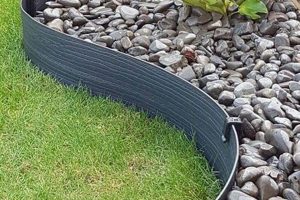
The use of fine-textured gravel or pebbles as a base material around large, imposing rocks provides a contrasting element that defines their presence. The minute scale of the gravel emphasizes the massiveness of the rocks, creating a sense of grounding and stability. Furthermore, the contrasting textures affect light reflection, adding depth and dimension to the landscape.
- Moss-Covered Stone with Bare Stone
The organic contrast between moss-covered and bare stone adds a layer of complexity rooted in the natural aging process. A large rock exhibiting both weathered, mossy patches and areas of exposed stone offers a glimpse into the passage of time. This interplay of textures introduces a sense of history and adds a subtle, naturalistic beauty to the garden. The varying moisture levels retained by the moss also contribute to micro-ecosystems within the garden.
The deliberate manipulation of textural contrasts using substantial rocks and complementary elements transforms a garden into a richly layered environment. By strategically combining diverse surface qualities, a landscape architect or garden designer can elevate the aesthetic appeal and sensory experience, creating a dynamic and engaging outdoor space that transcends mere visual appreciation.
5. Ecological Impact

The ecological impact of incorporating substantial rocks into garden designs is a multifaceted consideration, extending
beyond mere aesthetics. The selection, placement, and overall integration of these geological elements can profoundly influence local biodiversity, soil health, and water management.
- Habitat Creation and Enhancement
Large rocks provide varied microhabitats for invertebrates, amphibians, reptiles, and small mammals. Crevices and shaded areas offer shelter, nesting sites, and refuge from predators. The thermal mass of rocks moderates temperature fluctuations, creating more stable environments for these organisms. For example, a strategically placed rock pile can serve as a hibernaculum for snakes or a nesting site for solitary bees.
- Soil Health and Nutrient Cycling
Rocks contribute to soil health by reducing erosion and providing physical support for plants. They can also alter soil temperature and moisture content, influencing microbial activity and nutrient cycling. The slow weathering of certain rock types releases minerals into the soil, enriching it over time. For instance, the presence of limestone can increase soil pH, benefiting alkaline-loving plants.
- Water Management and Drainage
The placement of large rocks can influence water flow and drainage patterns. They can slow runoff, allowing water to infiltrate the soil and recharge groundwater. Strategically positioned rocks can create small pools or depressions that collect rainwater, providing water sources for wildlife. However, improper placement can also impede drainage, leading to waterlogging and soil erosion.
- Introduction of Non-Native Species and Materials
The sourcing and transportation of large rocks can inadvertently introduce non-native plant seeds or invasive species. The rocks themselves may also contain undesirable minerals or contaminants that can leach into the soil. Responsible sourcing practices and careful inspection of materials are essential to minimize the risk of ecological disruption. Using locally sourced rocks whenever possible reduces transportation impacts and supports regional biodiversity.
The overall ecological impact of integrating substantial rocks into garden design hinges on careful planning and responsible implementation. By prioritizing habitat creation, soil health, and water management, while mitigating the risks of introducing non-native species, it is possible to create aesthetically pleasing and ecologically beneficial landscapes. Consideration of these factors ensures a sustainable and environmentally conscious approach to garden design.
Frequently Asked Questions
The following addresses common inquiries regarding the selection, placement, and maintenance of substantial rocks in garden landscaping. The aim is to provide clarity and guidance for optimal integration of these elements.
Question 1: What constitutes a “large stone” in the context of garden design?
For landscaping purposes, a “large stone” generally refers to a rock exceeding one foot in diameter. The specific size may vary depending on the scale of the garden and the intended design aesthetic. However, any stone requiring specialized equipment for movement and placement typically falls under this categorization.
Question 2: What factors should influence the selection of a specific type of rock?
Considerations should include durability, color, texture, and chemical composition. The selected rock type must withstand local climate conditions and complement the existing landscape elements. Soil pH compatibility is crucial for plant health. Local sourcing is generally preferable to minimize transportation costs and environmental impact.
Question 3: Is professional assistance necessary for the placement of large stones?
Yes, particularly for stones exceeding several hundred pounds. Specialized equipment and expertise are required for safe and precise placement. Improper handling can result in personal injury or damage to property. Professional landscape contractors possess the necessary skills and resources for this task.
Question 4: How can the natural appearance of large stones be enhanced?
Mimic natural rock formations by partially burying the stones and orienting them to align with geological features in the surrounding environment. Encourage the growth of moss and lichen to add texture and visual interest. Avoid overly symmetrical or artificial arrangements.
Question 5: What are the long-term maintenance requirements for large stones in a garden?
Maintenance is minimal. Periodic cleaning may be necessary to remove debris or unwanted vegetation. Inspect the stones regularly for signs of cracking or instability. Ensure adequate drainage around the stones to prevent water accumulation and soil erosion.
Question 6: Can large stones negatively impact the surrounding plant life?
Yes, if improperly placed. Overcrowding of plant roots, shading of sunlight, and alteration of soil pH can negatively impact plant health. Careful planning is essential to ensure the rocks complement, rather than compete with, the surrounding vegetation.
Selecting appropriate stones, ensuring safe installation, and understanding the long-term effects are vital for successful integration into garden landscapes.
The discussion will now transition to potential design styles using substantial rocks in gardens.
Conclusion
This exploration of garden large stones has underscored the multifaceted considerations involved in their successful integration into landscape design. From the selection of appropriate materials based on durability and aesthetic qualities to the strategic placement that balances visual appeal with ecological impact, a comprehensive understanding is essential. Neglecting these principles can lead to suboptimal results, compromising both the aesthetic and functional integrity of the garden environment.
Therefore, informed decision-making, coupled with a commitment to sustainable practices, is paramount. The responsible and artful utilization of substantial rocks not only enhances the visual character of a garden but also contributes to the creation of a more resilient and ecologically diverse outdoor space. Continued research and adherence to best practices will further refine the art and science of incorporating these timeless elements into our landscapes.