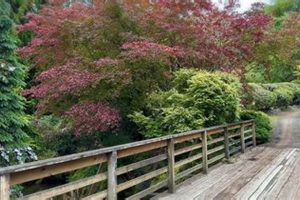
The concept involves incorporating imaginative and unconventional elements into outdoor spaces. These designs often feature unexpected juxtapositions of plants, repurposed objects, and playful structures. An example might include a teacup overflowing with succulents, a pathway made of mismatched stepping stones, or miniature fairy dwellings nestled amongst the foliage. The primary goal is to evoke a sense of wonder and delight.
The incorporation of such design principles can transform an ordinary landscape into an engaging environment, fostering creativity and providing a sanctuary from the mundane. Historically, gardens have served as canvases for personal expression, and the introduction of imaginative elements continues this tradition. This design approach offers psychological benefits, promoting relaxation and stimulating the imagination. It also allows for sustainable practices through the repurposing of materials.
The subsequent sections will explore specific techniques and themes applicable to achieving this aesthetic, covering topics such as selecting appropriate plants, utilizing repurposed materials, and incorporating artistic focal points. Further discussion will cover practical considerations for implementing such designs in various garden sizes and climates.
Guidance for Achieving Imaginative Outdoor Spaces
The following recommendations provide practical strategies for cultivating outdoor spaces infused with imaginative design principles. Implementation of these suggestions can result in an environment that fosters creativity and visual interest.
Tip 1: Prioritize Vertical Elements: Incorporate structures such as trellises, obelisks, or hanging baskets to introduce height and dimensionality. Climbing plants, when appropriately selected for the climate, can enhance visual appeal and create a sense of enclosure.
Tip 2: Repurpose Discarded Objects: Instead of discarding old items, consider their potential as garden features. Examples include using an old wheelbarrow as a planter, transforming tires into whimsical seating, or employing glass bottles as decorative edging.
Tip 3: Introduce Unexpected Focal Points: Strategically place intriguing objects throughout the garden to draw the eye and spark curiosity. Examples include antique birdcages, weathered statues, or brightly colored garden gnomes.
Tip 4: Cultivate a Diverse Plant Palette: Select a variety of plants with differing textures, colors, and heights. This approach creates visual interest and provides habitat for beneficial insects and pollinators. Native plants are particularly well-suited for supporting local ecosystems.
Tip 5: Integrate Water Features: The inclusion of water, regardless of scale, adds a dynamic element. A small birdbath, a recirculating fountain, or a miniature pond can significantly enhance the ambiance of the garden.
Tip 6: Emphasize Pathway Design: Employ unconventional materials and layouts for garden paths. Mismatched stepping stones, gravel interspersed with thyme, or a winding brick pathway can contribute to the overall aesthetic.
Tip 7: Utilize Color Strategically: Employ bright and unexpected color combinations in plant selections, painted structures, and decorative elements. Color can be used to highlight specific areas or create a sense of playfulness.
Successfully integrating imaginative concepts into the outdoor space requires thoughtful planning and a willingness to experiment. The reward is a unique and personal garden that reflects individual creativity.
The succeeding section will address specific design themes and provide further inspiration for cultivating outdoor spaces infused with an imaginative design.
1. Unexpected juxtaposition

The element of unexpected juxtaposition serves as a cornerstone within the broader framework of imaginative garden design. This principle involves intentionally placing dissimilar objects, textures, or styles in close proximity to generate visual interest and disrupt conventional expectations. The effect is a sense of surprise and heightened awareness, fostering a playful interaction with the garden environment. For instance, the placement of a Victorian-era bathtub amidst a wildflower meadow creates an intriguing contrast, highlighting both the formality of the antique and the untamed nature of the surrounding landscape. This contrast sparks curiosity and invites closer examination, prompting a deeper appreciation of the overall design.
The importance of this element lies in its capacity to transform ordinary spaces into unique and engaging environments. The presence of unexpected combinations actively encourages exploration and discovery within the garden. A common example includes using industrial materials, such as corrugated metal, as edging for flower beds, effectively contrasting the harshness of the metal with the softness of the blooms. Careful consideration must be given to the scale and balance of the juxtaposed elements. Overly jarring or discordant pairings can detract from the intended effect, creating visual confusion rather than intrigue. The skillful application of this technique relies on a nuanced understanding of aesthetic principles and a willingness to experiment.
In summary, the strategic implementation of unexpected juxtaposition is vital in the creation of imaginative garden environments. It demands a thoughtful approach to material selection, spatial arrangement, and an awareness of the potential for both harmony and discord. By skillfully integrating contrasting elements, the designer can cultivate a garden that transcends the ordinary, offering a continuous source of visual delight and intellectual stimulation. The challenge lies in achieving a balanced composition that celebrates both the unexpected and the unified nature of the garden design.
2. Repurposed artistry

Repurposed artistry, a central tenet of imaginative garden design, involves the creative transformation of discarded or unconventional materials into functional and aesthetically pleasing elements within the outdoor space. This approach not only promotes sustainability but also imbues the garden with a unique character, reflecting individual resourcefulness and artistic vision. The deliberate integration of repurposed items serves as a visual narrative, conveying a commitment to environmental consciousness and innovative design.
- Functional Sculpture
This facet emphasizes the transformation of discarded objects into sculptural elements that serve a practical purpose. An example includes an old bicycle transformed into a trellis for climbing plants, thereby creating a visually striking vertical feature while supporting plant growth. The implications are twofold: it reduces waste and introduces a distinctive artistic focal point into the garden landscape. The bicycle, formerly destine
d for a landfill, gains a new life as an integral part of the garden’s structure. - Material Contrast and Texture
This involves combining repurposed items with traditional gardening materials to create contrasting textures and visual interest. Consider using salvaged wooden pallets to construct raised garden beds, juxtaposing the rough, weathered texture of the wood with the smooth foliage of the plants. The effect adds depth and complexity to the garden’s visual composition, challenging conventional notions of what constitutes appropriate garden materials. This approach encourages observers to reconsider the inherent beauty of discarded objects.
- Whimsical Focal Points
Here, repurposed items are employed to create unexpected and playful focal points within the garden. An example might involve using an old clawfoot bathtub as a planter, filled with a vibrant assortment of flowers or herbs. This juxtaposition of an unexpected object in a garden setting creates a sense of amusement and whimsy, drawing the eye and sparking conversation. Such interventions serve to inject personality and character into the garden, rendering it a unique reflection of its creator.
- Sustainable Systems Integration
This facet focuses on incorporating repurposed materials into functional systems within the garden. An example would be using recycled plastic bottles to create a drip irrigation system, effectively conserving water while minimizing waste. The implications extend beyond mere aesthetics, demonstrating a commitment to sustainable gardening practices. This approach aligns with the broader trend of environmentally conscious design, highlighting the potential for repurposing to contribute to resource efficiency.
In conclusion, the effective integration of repurposed artistry significantly enhances the quality of imaginative garden spaces. By creatively transforming discarded objects into functional and visually engaging elements, the designer promotes sustainability, introduces unique character, and fosters a sense of whimsy. The strategic application of this approach relies on a balanced consideration of aesthetic principles, functional requirements, and environmental responsibility.
3. Miniature Worlds

The creation of miniature worlds within a garden significantly contributes to the overall aesthetic, offering a concentrated dose of fantasy and detailed artistry. These scaled-down environments captivate attention and invite close inspection, providing a unique and intimate garden experience.
- Fairy Gardens
Fairy gardens constitute a common manifestation, typically incorporating miniature structures, diminutive plants, and figurines. Examples include tiny cottages constructed from natural materials, miniature pathways lined with pebbles, and diminutive fairy figures engaged in various activities. The presence of these elements fosters a sense of enchantment and allows for narrative storytelling within the garden setting.
- Terrariums and Dish Gardens
These enclosed ecosystems offer a controlled environment for cultivating miniature landscapes. Succulents, mosses, and air plants are frequently employed to create miniature deserts, forests, or tropical environments within glass containers. Terrariums and dish gardens provide an opportunity to experiment with various plant combinations and create visually striking displays, especially in limited spaces.
- Miniature Railways
Model railways integrated into the garden landscape provide a dynamic element, combining the intricacies of model engineering with the natural environment. These installations often feature meticulously crafted locomotives, rolling stock, and miniature stations that traverse carefully sculpted terrain. The movement of the trains and the level of detail in the miniature landscapes create a captivating and engaging spectacle.
- Miniature Zen Gardens
Based on traditional Japanese Zen gardens, these scaled-down versions offer a contemplative and meditative space. They typically include carefully raked gravel, strategically placed stones, and miniature plants, arranged to evoke a sense of serenity and balance. Miniature Zen gardens provide a tangible representation of abstract concepts and encourage mindful reflection.
The integration of miniature worlds significantly enhances the aesthetic, introducing elements of detail, fantasy, and narrative. These scaled-down environments serve as focal points, drawing attention and inviting close inspection, thereby enriching the overall experience. The meticulous craftsmanship and thoughtful design inherent in these creations contribute to the atmosphere.
4. Playful color

The strategic implementation of playful color is integral to the realization of imaginative garden designs. Color, in this context, extends beyond mere aesthetic preference; it functions as a powerful tool for evoking emotion, creating visual interest, and defining the overall character of the space. The deliberate departure from conventional color schemes, and the embrace of vibrant hues and unexpected combinations, are instrumental in establishing a sense of whimsy and delight. The judicious use of color can transform an ordinary garden into an immersive and engaging environment.
The effect of playful color can be observed in the selection of plant varieties, the application of paint to garden structures, and the incorporation of colorful decorative elements. For example, the juxtaposition of deep purple salvia with bright yellow coreopsis creates a striking visual contrast, drawing the eye and enlivening the garden bed. Similarly, painting a garden shed in a vibrant turquoise or fuchsia hue introduces an unexpected element of playfulness, transforming a utilitarian structure into a focal point. The addition of brightly colored garden gnomes, wind chimes, or painted rocks further contributes to the overall effect.
Understanding the principles of color theory is essential for achieving a cohesive and visually pleasing result. Complementary colors, such as blue and orange, create a sense of vibrancy and excitement, while analogous colors, such as shades of green and yellow, offer a more harmonious and soothing effect. Ultimately, the skillful application of playful color enables the designer to manipulate the perceived atmosphere of the garden, fostering a sense of wonder and stimulating the imagination. Challenges may arise in maintaining a balanced composition, avoiding visual clutter, and ensuring that the color palette complements the surrounding environment. However, a thoughtful and deliberate approach to color selection can significantly enhance the qualities of outdoor spaces.
5. Organic Shapes
The incorporation of organic shapes is intrinsic to achieving a aesthetic. These forms, characterized by their natural, flowing lines and absence of strict geometric regularity, contribute significantly to the sense of spontaneity and wonder that defines such a design. The departure from rigid symmetry fosters a more naturalistic and engaging garden environment.
- Curvilinear P
athwaysGarden pathways that meander and curve, rather than following a straight line, encourage exploration and create a sense of discovery. The inherent asymmetry of these pathways contributes to the overall effect, inviting visitors to wander and experience the garden from multiple perspectives. Examples include winding stone paths through a flower garden, or a gravel path that gently curves around a stand of trees. The implication is a more immersive and less predictable garden experience.
- Asymmetrical Plant Groupings
Plant arrangements that eschew rigid rows and symmetrical patterns contribute to the sense of spontaneity and naturalness. Grouping plants in clusters of varying heights, textures, and colors, rather than in uniform rows, creates visual interest and mimics the randomness found in nature. Examples include a mixed border of perennials and shrubs, or a rock garden with plants cascading over stones. This approach fosters a more dynamic and visually engaging plant composition.
- Naturally Shaped Water Features
Ponds, streams, and other water features with irregular edges and naturalistic contours enhance the character. Avoiding strict geometric shapes, such as perfectly circular or rectangular ponds, contributes to the sense of authenticity and integrates the water feature seamlessly into the landscape. Examples include a pond with a gently sloping bank, or a stream that meanders through a rock garden. This promotes a more natural and harmonious integration of water within the garden.
- Free-Form Garden Beds
Garden beds that deviate from conventional rectangular or square shapes introduce an element of visual softness and flow. The use of curved or amoeba-shaped beds, that follow the natural contours of the land, can enhance the aesthetic. Examples include a kidney-shaped flower bed, or a border that follows the curve of a pathway. The implication is that the beds blend harmoniously with the surrounding landscape.
The strategic integration of organic shapes fundamentally contributes to achieving the design principles. By embracing asymmetry and flowing lines, the designer cultivates an environment that feels both natural and inviting, fostering a sense of wonder and engagement with the garden space.
6. Unconventional Pathways

Unconventional pathways serve as a crucial element in the realization of imaginative outdoor spaces. Their deviation from traditional, straight, and predictable routes directly contributes to the sense of surprise and enchantment that defines the aesthetic. The selection of materials, route design, and incorporation of unexpected features within these walkways are all intentional choices that amplify the overall effect of the garden.
The integration of mismatched stepping stones, gravel interspersed with creeping thyme, or pathways constructed from reclaimed materials exemplifies the practical application of this concept. For instance, a pathway created from recycled glass bottles embedded in concrete introduces an unexpected element of color and texture, transforming a functional element into a visual focal point. Similarly, a winding path that disappears behind a strategically placed shrubbery invites exploration and adds a sense of mystery. The choice of materials significantly impacts the overall experience. Natural materials like wood chips or gravel create a softer, more rustic feel, while more durable options such as flagstone or brick can provide a more formal yet still unconventional pathway if laid in an unusual pattern. An example can be found in gardens using “storybook paths” irregularly shaped stone slabs with gaps planted with groundcover, mimicking paths from children’s literature. These elements enhance the garden’s atmosphere, encouraging exploration and adding a layer of intrigue not found in conventional designs.
In summation, unconventional pathways are indispensable components of achieving a imaginative outdoor design. The deliberate selection of materials, thoughtful route planning, and the integration of surprise elements all contribute to an enhanced sensory experience. While challenges may arise in ensuring accessibility and safety with unconventional designs, the rewards in terms of creating an immersive and engaging garden environment justify careful consideration and creative implementation. These pathways directly influence visitor interaction and perception, solidifying their importance in the construction of enchanting environments.
Frequently Asked Questions Regarding Whimsical Garden Design
This section addresses common inquiries and clarifies misconceptions surrounding the implementation of such designs.
Question 1: What defines “whimsical garden design,” and how does it differ from traditional garden styles?
The style is characterized by the incorporation of imaginative, unconventional, and playful elements into the landscape. It contrasts with traditional garden styles, which often emphasize formality, symmetry, and adherence to established design principles. This design typically prioritizes creating a sense of wonder and delight through unexpected juxtapositions and artistic features.
Question 2: Is expertise in gardening or design necessary to implement such designs?
While formal training can be beneficial, it is not strictly necessary. The key is a willingness to experiment and embrace creativity. Resources such as books, online tutorials, and local garden clubs can provide valuable guidance. Starting with small-scale projects and gradually expanding can build confidence and expertise.
Question 3: Are there specific plant species that are more appropriate for imaginative gardens?
There are no mandatory plant selections. However, plants with unusual forms, textures, or colors can enhance the aesthetic. Examples include ornamental grasses, flowering vines, and plants that attract pollinators. Native plants, when appropriate for the local climate, are often a sustainable and ecologically sound choice.
Question 4: How can these design principles be adapted to smaller garden spaces, such as balconies or patios?
Small spaces can be transformed by using vertical gardening techniques, incorporating miniature elements, and employing a limited but impactful color palette. Container gardening allows for flexibility and experimentation. Careful consideration of scale and proportion is essential to avoid overwhelming the space.
Question 5: Are they inherently more difficult to maintain than traditional gardens?
Maintenance requirements vary depending on the specific design and plant selections. Some imaginative gardens may require more frequent pruning or upkeep to maintain their desired aesthetic. However, careful planning and the selection of low-maintenance plants can minimize the overall workload.
Question 6: Are there any safety considerations to bear in mind when designing such spaces, especially concerning children or pets?
Safety should always be a primary consideration. Avoid using toxic plants, ensure that pathways are clear and stable, and address any potential hazards, such as sharp edges or unstable structures. Fencing or other barriers may be necessary to protect sensitive areas or prevent access to potentially dangerous features.
Successfully implementing these designs requires thoughtful planning, creativity, and a willingness to experiment. Adhering to safety guidelines and choosing the right plant
s are essential aspects of the process.
The following section will focus on the challenges and solutions for creating your space.
Conclusion
This exploration has elucidated various facets of imaginative outdoor design, ranging from core elements such as unexpected juxtaposition and repurposed artistry to practical strategies like the strategic use of color and the incorporation of organic shapes. These concepts, when effectively implemented, culminate in outdoor spaces that stimulate the imagination and evoke a sense of wonder.
The value of these designs extends beyond mere aesthetics, offering the potential to transform ordinary spaces into engaging environments that foster creativity and promote well-being. As individuals increasingly seek respite and inspiration in the natural world, the thoughtful application of the design principles can yield significant personal and communal benefits. Continued exploration and innovation within this design approach is essential to fully unlock its potential and create captivating outdoor spaces.
![Best Local Garden Catering in Port Chester: [Your Suffix Here] | The Ultimate Gardening Guide: Grow a Thriving Garden Year-Round](https://MyGardenPatch.com/wp-content/uploads/2025/07/th-9215-300x200.jpg "Best Local Garden Catering in Port Chester: [Your Suffix Here] The Ultimate Gardening Guide: Grow a Thriving Garden Year-Round")