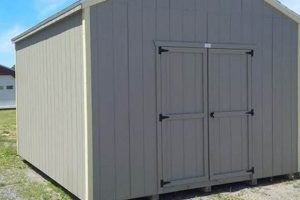
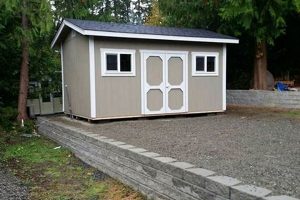
A structure measuring ten feet by sixteen feet, typically situated in a yard or garden, serves primarily for storage of gardening tools, equipment, and supplies. Such a building can also accommodate items such as lawnmowers, bicycles, or seasonal decorations. The dimensions provide a balance between ample storage space and manageable footprint within a property.
These outbuildings offer several advantages, including protection from the elements, security for valuable possessions, and organization of outdoor equipment. Historically, these structures evolved from simple shelters to more elaborate designs, reflecting changing needs for storage and workspace. Their presence enhances property value and contributes to an organized and aesthetically pleasing outdoor environment.
The subsequent sections will delve into specific considerations for selecting, constructing, and maintaining this type of outdoor storage solution, including factors such as material choices, foundation options, permit requirements, and optimal interior layouts.
Essential Considerations for a Ten-by-Sixteen Outdoor Storage Building
The following guidelines offer practical advice for planning, constructing, and utilizing a structure of this size, ensuring both functionality and longevity.
Tip 1: Foundation Preparation: A properly prepared foundation is critical. Options include a concrete slab, gravel base, or pressure-treated lumber frame. The chosen foundation should be level and adequately support the structure’s weight, preventing settling and structural issues over time.
Tip 2: Material Selection: Opt for durable, weather-resistant materials. Wood siding, metal roofing, and composite decking offer varying degrees of protection and aesthetic appeal. Evaluate the local climate and select materials accordingly to minimize maintenance and extend the structure’s lifespan.
Tip 3: Permitting and Regulations: Research local building codes and regulations. Most municipalities require permits for structures exceeding a certain size. Compliance avoids potential fines or mandated removal of the building.
Tip 4: Door Placement and Size: Plan the door’s location to facilitate easy access for large items, such as lawnmowers or wheelbarrows. A wider door minimizes maneuvering difficulties and prevents damage to the structure or stored items.
Tip 5: Ventilation: Adequate ventilation prevents moisture buildup, which can lead to mold, mildew, and rot. Install vents near the roofline and foundation to promote airflow. Consider a ridge vent or gable vents for optimal circulation.
Tip 6: Interior Organization: Implement shelving, hooks, and storage containers to maximize space utilization. Vertical storage solutions create a more organized and efficient workspace.
Tip 7: Security Measures: Install a secure locking mechanism to deter theft and vandalism. Consider adding window coverings or reinforcing door hinges for enhanced security.
Adhering to these guidelines ensures a functional, durable, and code-compliant structure that meets specific storage needs. Careful planning and execution contribute to a long-lasting and valuable addition to any property.
The next section addresses common challenges encountered during the construction phase and provides solutions for efficient problem-solving.
1. Spatial Capacity

Spatial capacity, in the context of a 10×16 garden shed, directly defines its utility and effectiveness as a storage solution. It determines the volume and types of items that can be accommodated, impacting the organization and accessibility of stored goods. The dimensions dictate the potential for various storage configurations and the suitability for specific applications.
- Usable Floor Area
The 10×16 dimension translates to 160 square feet of floor space. However, the usable floor area is often reduced by structural elements, such as wall framing and support posts. Efficient layout planning is crucial to maximize the available space for storage and movement within the structure.
- Vertical Storage Potential
Beyond the floor area, vertical space is a significant factor in spatial capacity. Shelving units, wall-mounted racks, and overhead storage solutions can substantially increase the total storage volume. The height of the shed’s walls and roof slope influence the feasibility and effectiveness of vertical storage options.
- Accessibility Considerations
Spatial capacity is not solely about total volume but also accessibility. Overcrowding can hinder access to stored items, negating the benefits of ample space. Aisles, clear pathways, and organized storage systems are essential for maintaining accessibility and preventing inefficient use of the available space.
- Adaptability and Future Needs
The spatial capacity should be evaluated in light of current and future storage requirements. Anticipating potential increases in storage needs or changes in the types of items stored allows for a more informed decision regarding the initial size and layout of the 10×16 structure. Flexibility in the interior design can accommodate evolving storage demands.
The relationship between spatial capacity and a 10×16 structure is a primary determinant of its practicality. Optimizing usable space through careful layout planning, employing vertical storage solutions, and prioritizing accessibility ensures that the structure effectively meets storage needs and maintains long-term utility. The dimensions establish the upper limit of storage potential, while intelligent design maximizes its realization.
2. Material Durability
Material durability directly impacts the longevity and performance of a 10×16 garden shed. The selected materials must withstand environmental stressors, including moisture, temperature fluctuations, sunlight exposure, and potential pest infestations. The choice of materials significantly influences the maintenance requirements, structural integrity, and overall lifespan of the structure. For instance, untreated wood is susceptible to rot and insect damage, leading to premature failure of the shed. Conversely, pressure-treated lumber, metal siding, or composite materials offer increased resistance to these elements, extending the shed’s usability.
The specific application of the shed also informs material selection. A shed intended for storing lawn equipment and gardening tools requires robust flooring and weather-resistant walls to protect the contents from damage. In regions with heavy snowfall, the roof structure must be capable of supporting significant weight. The use of high-quality roofing materials, such as asphalt shingles, metal panels, or composite tiles, is essential to prevent leaks and structural compromise. Similarly, the foundation material influences the shed’s stability and resistance to settling. A concrete slab or properly constructed gravel base provides a stable and level platform, minimizing the risk of structural issues over time. Failure to select durable materials can lead to costly repairs, reduced functionality, and a diminished lifespan for the 10×16 structure.
In summary, material durability is a critical factor in the design and construction of a 10×16 garden shed. The selection of appropriate materials, based on environmental conditions, intended use, and budget considerations, directly affects the shed’s long-term performance and value. Prioritizing durability mitigates the risk of premature failure, reduces maintenance demands, and ensures a reliable outdoor storage solution. Neglecting this aspect can lead to substantial financial and practical drawbacks.
3. Structural Integrity

Structural integrity is a paramount consideration in the design and construction of a 10×16 garden shed. It directly relates to the ability of the structure to withstand imposed loads, including wind, snow, and the weight of stored contents, without deformation or failure. Insufficient structural integrity can result in a compromised or collapsed building, rendering it unusable and potentially hazardous. The structural elements, such as framing members, roof supports, and foundation, must be adequately sized and properly connected to ensure stability and longevity.
Consider, for instance, a scenario where undersized roof rafters are used in the construction of a 10×16 shed located in an area with heavy snowfall. The accumulated snow load could exceed the rafter’s capacity, causing them to deflect excessively or even break. This could lead to roof collapse, damaging stored items and creating a dangerous situation. Conversely, a shed built with properly engineered framing, reinforced connections, and a robust foundation is far more likely to withstand adverse conditions, maintaining its structural integrity over time. Building codes often specify minimum requirements for structural components, and adherence to these standards is crucial for ensuring safety and compliance. Furthermore, regular inspections and maintenance can identify and address potential structural weaknesses before they escalate into major problems.
In conclusion, the structural integrity of a 10×16 garden shed is non-negotiable. It is a fundamental aspect of the building’s design and construction that directly impacts its safety, durability, and overall value. Neglecting this aspect can lead to costly repairs, potential hazards, and a shortened lifespan for the structure. Therefore, careful planning, the use of appropriate materials, and adherence to sound construction practices are essential for ensuring that the shed maintains its structural integrity throughout its service life.
4. Accessibility

Accessibility, in the context of a ten-by-sixteen-foot garden structure, fundamentally defines its usability and practical value. It encompasses the ease with which individuals can enter, navigate within, and retrieve items from the space. Strategic design considerations are paramount to ensure efficient and safe access.
- Doorway Dimensions and Placement
The size and location of the entryway significantly influence accessibility. Narrow openings restrict the movement of large objects, such as lawnmowers or wheelbarrows. Door placement relative to pathways and adjacent structures determines ease of approach. A wider doorway centered on a longer side typically provides optimal access. For instance, a minimum door width of 48 inches is recommended to accommodate most standard lawn equipment.
- Internal Layout and Organization
The arrangement of stored items within the structure directly impacts accessibility. Overcrowding and haphazard storage create obstacles and impede retrieval. Implementing shelving units, hanging racks, and designated storage zones facilitates organized access. Clear pathways, a minimum of 36 inches wide, allow for unobstructed movement within the space.
- Threshold Height and Ramps
The height differential between the ground level and the interior floor creates a threshold that can pose a barrier to access. Minimizing this threshold or incorporating a ramp is essential for users with mobility limitations or for transporting wheeled equipment. A gradual ramp slope, adhering to ADA guidelines where applicable, ensures safe and effortless access.
- Lighting and Visibility
Adequate illumination is critical for safe and efficient access, particularly during low-light conditions. Natural light from windows or skylights can enhance visibility, but supplemental artificial lighting is often necessary. Strategically placed light fixtures, both interior and exterior, eliminate shadows and improve overall visibility, reducing the risk of accidents during item retrieval.
These accessibility facets, when comprehensively addressed, transform a basic storage unit into a functional and user-friendly space. Prioritizing these elements in the design and construction of a ten-by-sixteen-foot structure ensures its long-term utility and value, accommodating a diverse range of users and storage needs. Neglecting accessibility considerations diminishes the structure’s practicality and increases the potential for frustration and injury.
5. Weather Resistance
Weather resistance is a critical attribute determining the long-term viability and utility of a 10×16 garden shed. The structures ability to withstand environmental elements directly impacts its lifespan, maintenance requirements, and the safety of stored contents. Inadequate weather resistance leads to deterioration, potential structural damage, and loss of stored items.
- Roofing Material Selection
The roofing material is the first line of defense against precipitation, solar radiation, and wind. Asphalt shingles, metal roofing, and treated wood shakes offer varying degrees of protection. Metal roofing, for example, provides superior resistance to water penetration and fire, while asphalt shingles are a more economical option. The selected material must effectively shed water, withstand high winds, and resist UV degradation to prevent leaks and structural damage to the 10×16 structure.
- Siding and Wall Protection
The siding protects the walls from moisture, pests, and physical impacts. Wood siding requires regular painting or staining to prevent rot and insect infestation. Vinyl siding offers a low-maintenance alternative with excellent weather resistance. Proper installation, including flashing around windows and doors, is crucial to prevent water intrusion and maintain the integrity of the 10×16 structure’s walls.
- Foundation Integrity
The foundation isolates the shed from ground moisture and provides a stable base. A well-constructed foundation, whether concrete slab, gravel base, or pressure-treated wood frame, prevents water from wicking into the structure and causing rot or mold. Proper drainage around the foundation diverts water away from the shed, minimizing the risk of water damage to the 10×16 structure and its contents.
- Ventilation and Moisture Control
Adequate ventilation prevents moisture buildup inside the shed, which can lead to mold, mildew, and rot. Vents near the roofline and foundation promote airflow, reducing humidity levels. A vapor barrier installed beneath the siding prevents moisture from migrating into the walls. Proper ventilation and moisture control extend the lifespan of the 10×16 structure and protect stored items from damage.
The long-term performance of a 10×16 garden shed is intrinsically linked to its weather resistance. Careful selection of materials, proper construction techniques, and ongoing maintenance are essential for ensuring that the structure can withstand the elements and provide reliable storage for years to come. A weather-resistant shed safeguards stored items, minimizes maintenance costs, and preserves its structural integrity, making it a valuable addition to any property.
6. Security Provisions
Security provisions are a critical component of a ten-by-sixteen-foot garden outbuilding, directly impacting the protection of stored contents and deterring unauthorized access. The dimensions of this structure make it capable of housing valuable equipment, tools, and personal belongings, thereby increasing the potential for theft. The absence of adequate security measures renders the contents vulnerable, leading to potential financial losses and property damage. Effective security provisions mitigate these risks and provide peace of mind to the owner.
Examples of essential security measures include robust door and window hardware, reinforced entry points, and alarm systems. A high-quality deadbolt lock, coupled with tamper-resistant screws and a reinforced door frame, significantly increases the difficulty of forced entry. Window coverings, such as curtains or blinds, prevent visual reconnaissance of the contents, discouraging potential thieves. In some cases, motion-activated lighting or security cameras can serve as effective deterrents. The selection of appropriate security measures depends on factors such as the value of stored items, the location of the structure, and the prevailing crime rate in the area. Failure to implement these provisions increases the likelihood of theft, resulting in both financial and emotional distress for the owner.
In summary, security provisions are an indispensable aspect of a ten-by-sixteen-foot garden outbuilding, safeguarding stored possessions and deterring criminal activity. Implementing appropriate security measures protects against potential financial losses, provides peace of mind, and preserves the value of the structure. Challenges in implementing security arise from balancing cost-effectiveness with the level of protection required. However, neglecting security considerations poses significant risks that outweigh the financial investment in these essential safeguards.
7. Permitting Requirements

Construction or installation of a ten-by-sixteen-foot garden shed often necessitates adherence to local permitting requirements. These regulations, established by municipal or county authorities, govern various aspects of construction, including size limitations, setback distances, and structural specifications. Non-compliance can result in fines, mandated modifications, or even demolition of the structure, highlighting the importance of understanding and fulfilling these obligations.
- Size Restrictions and Exemptions
Many jurisdictions establish size thresholds for accessory buildings, below which permits are not required. However, a ten-by-sixteen-foot structure may exceed these limits, triggering the need for a permit. These regulations aim to control the density and impact of accessory structures on residential properties. Failure to comply can lead to retroactive enforcement actions.
- Setback Requirements
Setback regulations dictate the minimum distance a structure must be located from property lines, easements, and other structures. These requirements are intended to prevent encroachment, maintain access for utilities, and ensure adequate spacing between buildings. A ten-by-sixteen-foot shed must adhere to these setback distances, which vary depending on zoning regulations and property characteristics.
- Zoning Regulations and Land Use
Zoning ordinances dictate the permissible uses of land within a municipality. These regulations may restrict the type, size, and location of accessory buildings based on zoning district. A ten-by-sixteen-foot shed must comply with these zoning restrictions, ensuring that its use aligns with the permitted activities for the property.
- Structural and Safety Standards
Permitting processes often include review of structural plans and adherence to building codes. These standards ensure that the structure is built to withstand wind, snow, and other environmental loads, ensuring safety and preventing collapse. A ten-by-sixteen-foot shed must meet these structural and safety requirements, which may involve inspections during and after construction.
Complying with permitting requirements is essential for the legal and safe construction of a ten-by-sixteen-foot garden shed. These regulations are designed to protect property owners, neighbors, and the community as a whole. Failure to adhere to these requirements can result in significant consequences, underscoring the need for thorough research and proactive engagement with local authorities before commencing any construction project.
Frequently Asked Questions
The following addresses common inquiries regarding the planning, construction, and utilization of a structure of this size. The information provided aims to offer clarity and guidance based on established practices and industry standards.
Question 1: Are permits invariably required for a structure measuring 10×16?
Permitting requirements are jurisdiction-specific. Municipalities and counties often establish size thresholds. Structures exceeding these limits typically necessitate a permit. Consultation with local building departments is advisable to ascertain specific requirements.
Question 2: What foundation options are suitable for a 10×16 outbuilding?
Viable options include a concrete slab, gravel base, or a treated lumber frame. The optimal choice depends on soil conditions, local climate, and budget considerations. A stable, level foundation is paramount for structural integrity.
Question 3: Which materials are most appropriate for siding to ensure longevity?
Durable, weather-resistant materials such as vinyl, metal, or treated wood are commonly used. Material selection should account for local climate conditions and susceptibility to pests. Regular maintenance prolongs the lifespan of any chosen material.
Question 4: How can adequate ventilation be achieved to prevent moisture damage?
Vents installed near the roofline and foundation promote airflow. Gable vents or ridge vents offer effective circulation. A vapor barrier beneath the siding can further mitigate moisture infiltration.
Question 5: What security measures are recommended to protect stored contents?
A robust locking mechanism, reinforced door hinges, and window coverings are advisable. Motion-activated lighting or security cameras provide enhanced deterrence. The value of stored items dictates the level of security warranted.
Question 6: How can interior space be optimized for efficient storage?
Shelving units, wall-mounted racks, and storage containers maximize vertical space utilization. Strategic placement of items, based on frequency of use, enhances accessibility. Regular decluttering ensures efficient organization.
These responses offer a foundational understanding of common considerations. Specific circumstances may warrant further investigation and professional consultation.
The subsequent section will explore optimal interior layouts and organizational strategies.
Conclusion
This exploration of the 10×16 garden shed has illuminated critical aspects pertaining to its planning, construction, maintenance, and overall utility. Key considerations include material durability, structural integrity, adherence to permitting requirements, and the implementation of effective security measures. A comprehensive understanding of these factors is essential for ensuring a long-lasting, functional, and code-compliant outdoor storage solution.
The selection and implementation of optimal strategies related to spatial capacity, accessibility, and weather resistance ultimately determine the value and longevity of the 10×16 garden shed. Careful consideration of individual needs and environmental conditions, coupled with meticulous execution, maximizes the potential of this structure, providing a reliable and secure asset for years to come. Continued diligence in maintenance and adaptation ensures its enduring contribution to property organization and value.