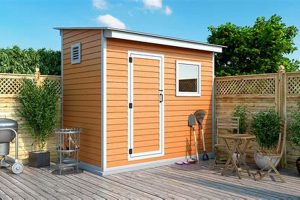
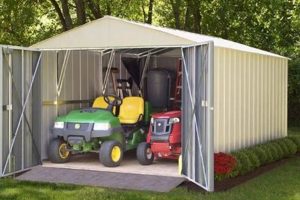
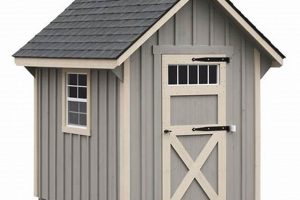
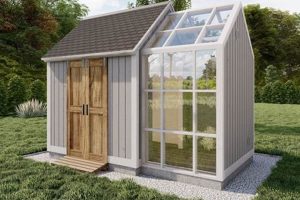
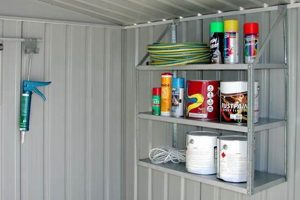
The transformation of an outdoor storage structure into a functional workspace is a remodeling project increasing in popularity. This process involves modifying a pre-existing, typically small, outbuilding situated in a residential yard into an area suitable for conducting professional activities. An example would be taking a simple wooden structure originally intended for storing gardening tools and modifying it to house a desk, computer, and other equipment necessary for remote work.
This undertaking provides several advantages. It creates dedicated space for professional endeavors, separating work from personal life. Furthermore, it potentially adds value to the property. Historically, homeowners have sought to maximize the utility of available space, and adapting existing structures represents a resource-efficient approach to expanding functional areas.
Discussion will now proceed to explore key considerations within such a remodeling, including necessary permits, structural modifications, insulation and climate control, electrical and data connectivity, and interior design elements. These aspects will be examined to provide a comprehensive understanding of the steps involved in repurposing such an outbuilding for use as a professional workspace.
Guidance for Transforming an Outdoor Structure into a Professional Workspace
The following guidelines offer strategic considerations for undertaking a project where an existing garden structure is repurposed into a functional office environment. Careful planning is crucial to ensuring a successful and compliant conversion.
Tip 1: Assess Structural Integrity: Prior to any modifications, a thorough inspection of the existing structure is essential. Evaluate the foundation, walls, and roof for signs of deterioration, rot, or instability. Address any structural weaknesses before proceeding with further alterations.
Tip 2: Secure Necessary Permits: Local building codes and regulations often dictate the permissible uses of outbuildings. Research and obtain all required permits before commencing any construction or electrical work. Failure to comply can result in fines or mandatory alterations.
Tip 3: Implement Effective Insulation: Adequate insulation is critical for maintaining a comfortable and energy-efficient workspace. Insulate the walls, roof, and floor to minimize heat loss in the winter and heat gain in the summer. Consider the local climate when selecting insulation materials.
Tip 4: Establish Reliable Electrical Connectivity: Safe and reliable electrical wiring is paramount. Engage a qualified electrician to install wiring, outlets, and lighting that meet code requirements. Ensure sufficient capacity to power all necessary electronic equipment.
Tip 5: Prioritize Weatherproofing: Protect the structure from the elements by ensuring adequate weatherproofing. Seal any gaps or cracks in the walls and roof to prevent water damage and drafts. Consider installing weather stripping around doors and windows.
Tip 6: Optimize Natural Light: Maximize the use of natural light to create a more pleasant and productive workspace. Consider adding or enlarging windows or skylights to increase natural illumination. Position the desk and other work areas to take advantage of available light.
Tip 7: Plan for Adequate Ventilation: Proper ventilation is essential for maintaining air quality and preventing moisture buildup. Install a ventilation system or ensure adequate airflow through windows and doors. This will help to reduce the risk of mold and mildew growth.
These guidelines emphasize the importance of meticulous planning, adherence to building codes, and the engagement of qualified professionals where necessary. Successful execution of these considerations can result in a functional and comfortable remote work setting.
The subsequent section will explore the importance of interior design and ergonomic considerations to complete an effective transformation.
1. Permitting Compliance

The intersection of regulatory adherence and the conversion of an outdoor structure into a dedicated workspace is critical. Local jurisdictions typically mandate specific building codes and zoning regulations governing the construction, alteration, and occupancy of structures. Transforming a garden shed into an office often triggers the requirement for permits due to a change in the building’s intended use. Failure to secure these permits can result in legal repercussions, including fines, stop-work orders, or even the mandated reversal of the conversion. Thus, understanding and navigating the permitting process is a fundamental and unavoidable first step.
Consider a scenario where a homeowner, without obtaining the necessary permits, retrofits a shed with electrical wiring and plumbing to create a functional office. A subsequent inspection reveals non-compliance with electrical codes, posing a safety hazard. The homeowner may then be required to dismantle the unauthorized wiring and bring the structure into compliance, incurring additional costs and delays. Conversely, obtaining permits necessitates submitting detailed plans, potentially including structural modifications, electrical layouts, and insulation specifications. This process ensures that the conversion meets safety standards and zoning requirements. Furthermore, permit applications often require inspections at various stages of the project, providing an additional layer of oversight.
In summary, adherence to permitting regulations is not merely a formality, but a critical component ensuring the safety, legality, and long-term viability of converting a garden structure into a functional office. Addressing the permitting process upfront can preempt potential legal and financial setbacks, ultimately contributing to a seamless and successful conversion project. This step establishes the foundation for all subsequent modifications and ensures that the newly created workspace is compliant with all applicable regulations.
2. Structural Reinforcement

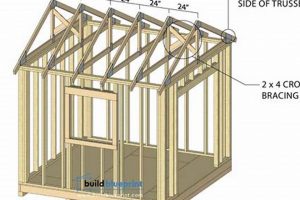
The successful conversion of an outdoor structure into a functional office relies heavily on the structural integrity of the existing building. Often, garden structures are designed for minimal load-bearing capacity, primarily intended for storing lightweight gardening tools and equipment. Repurposing these structures for regular occupancy and the addition of office equipment necessitates a thorough evaluation and, in many cases, significant structural reinforcement. This reinforcement addresses the increased demands placed on the foundation, walls, and roof, mitigating the risk of collapse or premature deterioration.
For instance, a typical wooden shed foundation may consist of a simple concrete slab or even direct contact with the ground. Such a foundation may be inadequate to support the added weight of insulation, interior finishing, office furniture, and the individuals occupying the space. Consequently, reinforcement may involve underpinning the existing foundation, adding support piers, or even constructing a completely new foundation to ensure stability. Similarly, the walls may require additional framing or sheathing to provide adequate support for insulation and interior wall coverings, while the roof may need reinforcement to withstand increased snow loads or the installation of heavier roofing materials. A failure to adequately reinforce the structure can lead to sagging floors, cracked walls, or roof leaks, rendering the office space unusable and potentially unsafe.
In summary, structural reinforcement is a critical, often overlooked, aspect of transforming a garden structure into a functional office. This process not only ensures the safety and longevity of the converted space but also provides a stable platform for all subsequent modifications. Addressing structural deficiencies upfront prevents costly repairs and potential safety hazards down the line, ensuring that the converted office remains a viable and productive workspace for years to come. This step is vital for achieving a conversion that is both structurally sound and compliant with building regulations.
3. Insulation Efficiency

Effective insulation is paramount in the endeavor to convert a garden structure into a viable office space. Inadequate thermal insulation directly impacts the energy efficiency and comfort of the workspace, influencing both operational costs and the well-being of its occupants. A poorly insulated structure will experience significant temperature fluctuations, necessitating increased reliance on heating and cooling systems to maintain a habitable environment. This elevated energy consumption translates directly into higher utility bills, making the office space less economically sustainable. Furthermore, extreme temperature variations can negatively affect employee productivity and potentially damage sensitive electronic equipment.
Consider two scenarios: In the first, a structure is retrofitted with high-performance insulation materials in the walls, roof, and floor. This results in a stable interior temperature, reducing the need for extensive heating during winter months and minimizing cooling requirements during summer. Conversely, if the structure is minimally insulated, or not insulated at all, significant heat loss or gain will occur. This leads to an uncomfortable working environment, increased energy consumption, and potentially the need for supplemental heating or cooling devices, further escalating energy costs. Proper insulation not only maintains a comfortable temperature but also helps prevent moisture condensation, mitigating the risk of mold and mildew growth, which can negatively impact air quality.
Therefore, integrating robust insulation solutions is not merely an aesthetic or comfort-related consideration but a fundamental component of converting a garden structure into a functional and sustainable office space. Addressing insulation efficiency proactively minimizes operational expenses, optimizes occupant comfort, and contributes to the long-term viability of the repurposed structure. Challenges associated with insulation often involve selecting the appropriate materials for the existing structure and climate, ensuring proper installation to avoid thermal bridging, and managing costs within the project budget. Successful conversion projects prioritize insulation as a critical investment that yields long-term benefits.
4. Electrical Safety
The process of converting an outdoor structure into a functional office necessitates rigorous attention to electrical safety protocols. Original electrical systems, if present, are often inadequate for the demands of a modern office, posing significant risks. The increased use of computers, printers, lighting, and climate control systems requires substantial electrical capacity. Overloaded circuits represent a primary cause of electrical fires, with improperly installed or outdated wiring exacerbating this hazard. Furthermore, outdoor structures may lack essential safety features like ground fault circuit interrupters (GFCIs), crucial in damp environments, increasing the risk of electrocution. For example, a shed utilizing ungrounded outlets near a water source poses an immediate danger to anyone operating electrical equipment.
Implementing a comprehensive electrical safety plan involves several key elements. A professional electrician should conduct a thorough assessment of the existing electrical system, determining its capacity and identifying any potential hazards. Upgrading the wiring to meet current electrical codes is often required, involving the installation of new circuits, grounded outlets, and GFCIs in appropriate locations. Proper grounding of all electrical components is essential to prevent electrical shocks. Additionally, the installation of surge protectors safeguards sensitive electronic equipment from power surges and voltage spikes, protecting valuable assets and preventing data loss. Regular inspections by qualified electricians can further ensure ongoing safety and compliance.
In summary, prioritizing electrical safety is a non-negotiable aspect of transforming a garden structure into a functional office. Addressing electrical deficiencies not only prevents potentially life-threatening hazards but also protects valuable equipment and ensures the uninterrupted operation of the workspace. Compliance with electrical codes, professional installation, and regular maintenance are crucial for creating a safe and productive work environment. Neglecting electrical safety introduces unacceptable risks and undermines the overall viability of the conversion project.
5. Weather Resistance
The successful transformation of a garden structure into a functional office critically depends on its ability to withstand external weather conditions. Inadequate weather resistance can lead to a variety of problems, compromising the functionality, comfort, and longevity of the converted space.
- Roof Integrity
The roof serves as the primary barrier against precipitation, sunlight, and wind. Deteriorated roofing materials, such as cracked shingles or damaged flashing, allow water intrusion, leading to leaks, mold growth, and structural damage. Strengthening and weatherproofing the roof is paramount to ensure a dry and safe interior environment for office equipment and personnel. An example is replacing aged asphalt shingles with more durable and weather-resistant materials, such as metal roofing or composite shingles designed for harsh climates.
- Wall Sealing
The walls of the converted structure must provide an effective barrier against moisture penetration and air infiltration. Cracks, gaps, or porous materials allow water to seep into the interior, causing dampness, mold, and damage to insulation and wall coverings. Sealing the walls with weather-resistant coatings, caulking around windows and doors, and addressing any structural deficiencies are essential steps. Siding options such as vinyl or fiber cement offer enhanced weather protection compared to traditional wood siding, minimizing maintenance and preventing water damage.
- Foundation Protection
The foundation plays a crucial role in preventing moisture from wicking up into the structure. Inadequate drainage, cracks in the foundation, or a lack of a proper vapor barrier can lead to dampness and mold growth within the office space. Ensuring proper drainage around the foundation, repairing any cracks, and applying a waterproof coating can prevent moisture intrusion and protect the structural integrity of the building. Installing a French drain system can divert water away from the foundation, mitigating the risk of water damage during periods of heavy rainfall.
- Window and Door Sealing
Windows and doors represent potential points of entry for water and air infiltration. Gaps around frames, deteriorated weather stripping, or poorly sealed glass can compromise the building’s weather resistance. Replacing old or damaged windows and doors with energy-efficient, weather-sealed units, and properly caulking around all openings, are essential steps in ensuring a watertight and airtight structure. Double-paned windows with low-E coatings offer enhanced insulation and reduce condensation, contributing to a more comfortable and energy-efficient office environment.
These facets collectively highlight the importance of comprehensive weather protection when repurposing a garden structure. Failure to address these elements can result in a workspace that is uncomfortable, prone to damage, and unsustainable in the long term. By prioritizing weather resistance, the conversion project maximizes the lifespan and utility of the repurposed structure, creating a functional and reliable office environment.
6. Ergonomic Design

The integration of ergonomic principles is a critical consideration when repurposing a garden structure into a functional office space. Given the constrained dimensions and potential limitations of such conversions, prioritizing ergonomic design is paramount to ensure the comfort, health, and productivity of the individuals utilizing the workspace. Neglecting ergonomic factors can lead to musculoskeletal disorders, decreased efficiency, and increased absenteeism.
- Adjustable Work Surfaces
The implementation of adjustable work surfaces, such as standing desks or height-adjustable tables, is essential in accommodating a variety of user preferences and postures. Fixed-height desks can force individuals into uncomfortable and potentially harmful positions, leading to back pain, neck strain, and carpal tunnel syndrome. Adjustable work surfaces enable users to alternate between sitting and standing, promoting better circulation, reducing fatigue, and fostering a more dynamic and healthy work environment. Within a converted shed environment, where space is often limited, compact, adjustable workstations are particularly valuable in maximizing both functionality and ergonomic comfort.
- Ergonomic Seating
Proper seating is a cornerstone of ergonomic design. Office chairs should provide adequate lumbar support, adjustable armrests, and a stable base. These features contribute to maintaining proper posture, reducing strain on the spine, and promoting comfort during extended periods of sitting. In a smaller converted office space, selecting chairs with a compact footprint and adjustable features is crucial. Features such as adjustable seat height, backrest angle, and armrest position accommodate individual body types and preferences, leading to a more personalized and comfortable seating experience. Consideration should also be given to the chair’s breathability to prevent overheating during warmer months.
- Optimized Monitor Placement
The positioning of computer monitors significantly impacts neck and eye strain. Monitors should be placed at arm’s length and at a height that allows the user to view the screen with a neutral neck posture. Using monitor arms or stands to adjust the height and angle of the monitor can help prevent neck and shoulder discomfort. Within a converted garden structure, where space is often limited, careful consideration should be given to monitor placement to maximize visibility and minimize strain. The use of dual monitors can enhance productivity but requires careful positioning to ensure ergonomic comfort.
- Adequate Lighting
Proper lighting is essential for reducing eye strain and creating a comfortable work environment. A combination of natural and artificial lighting is ideal. Natural light should be maximized where possible, but supplemented with task lighting to provide adequate illumination for specific work activities. Glare should be minimized by using blinds or curtains to control sunlight and positioning light fixtures to avoid direct reflections on the computer screen. Within a converted structure, the placement of windows and the selection of appropriate lighting fixtures are crucial for creating a well-lit and ergonomically sound workspace.
These ergonomic considerations, when thoughtfully implemented, contribute significantly to the success of transforming a garden structure into a productive and comfortable office. By prioritizing the well-being of the individual user through careful design, the long-term viability and efficiency of the converted workspace are substantially enhanced. Further considerations include keyboard and mouse placement, footrests, and the overall organization of the workspace to minimize unnecessary reaching and bending, reinforcing the commitment to ergonomic principles.
Frequently Asked Questions
The following section addresses common inquiries regarding the repurposing of existing garden structures for use as functional office spaces. These questions aim to clarify key considerations and potential challenges associated with such projects.
Question 1: Are permits always required to convert a garden structure into an office?
Local building codes and zoning regulations typically govern the use of outbuildings. A change in occupancy from storage to office space generally triggers permitting requirements. Contacting the local building department is necessary to ascertain specific permit requirements.
Question 2: What structural modifications are commonly needed?
Typical modifications may include reinforcing the foundation, walls, and roof to support increased loads associated with occupancy and office equipment. Existing structures are often designed for minimal load-bearing capacity.
Question 3: How should insulation be addressed to ensure comfort?
Effective insulation is crucial for maintaining a consistent temperature within the workspace. Insulation should be installed in the walls, roof, and floor, selecting materials appropriate for the local climate. Attention to air sealing minimizes drafts and heat loss.
Question 4: What electrical considerations are paramount?
Safe and reliable electrical wiring is essential. Engaging a qualified electrician to install new circuits, grounded outlets, and ground fault circuit interrupters (GFCIs) is recommended. Sufficient capacity to power all necessary electronic equipment must be ensured.
Question 5: How can moisture be effectively managed?
Weatherproofing is essential to prevent water damage and mold growth. Sealing gaps and cracks in the walls and roof, ensuring proper drainage around the foundation, and addressing any existing leaks are necessary measures.
Question 6: Why is ergonomic design important in a converted office?
Ergonomic design is crucial for promoting comfort, health, and productivity. Adjustable work surfaces, ergonomic seating, and proper monitor placement contribute to a more comfortable and efficient work environment, minimizing the risk of musculoskeletal disorders.
In summary, the conversion of a garden structure requires careful planning and attention to detail to ensure a safe, comfortable, and compliant workspace. Consulting with qualified professionals, such as architects, engineers, and contractors, is often beneficial.
The subsequent section will provide a concluding summary, incorporating crucial findings and observations surrounding the process.
Conclusion
The preceding examination of efforts to convert garden shed to office reveals a multifaceted process demanding meticulous planning and execution. Successfully transforming a rudimentary storage structure into a functional workspace necessitates addressing structural integrity, regulatory compliance, thermal efficiency, electrical safety, weather resistance, and ergonomic design. Neglecting any of these critical areas can compromise the safety, comfort, and long-term viability of the converted space, potentially resulting in financial setbacks and regulatory penalties.
Therefore, careful assessment, professional consultation, and adherence to building codes represent essential elements for a successful conversion. The transformation of an outdoor structure into a professional work area presents a viable solution for expanding workspace, but it requires diligence and foresight to ensure a productive and compliant environment.