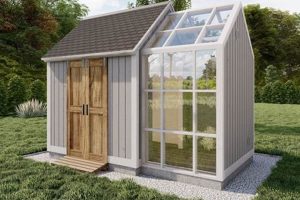
A combination structure that incorporates a storage area alongside an area designed for plant propagation and cultivation represents a fusion of utility and horticultural capability. This integrated design provides a sheltered space for gardening activities and equipment storage within a single footprint.
The appeal of such a structure lies in its space-saving efficiency and convenience. Historically, gardeners often maintained separate sheds and greenhouses; the integration of these functionalities streamlines the gardening process, offers protection from inclement weather, and can extend the growing season. Furthermore, combining these elements can potentially reduce construction costs and optimize land usage, adding value to a property.
Subsequent sections will detail various design considerations, structural options, material selections, and potential challenges associated with constructing and maintaining such a dual-purpose garden structure.
Design and Construction Tips
Effective design and careful construction are crucial for maximizing the functionality and longevity of the combined structure. Attention to detail during the planning phase will mitigate potential problems and ensure the final product meets specific needs.
Tip 1: Site Selection: Prioritize locations that offer adequate sunlight exposure for the greenhouse component. Assess drainage patterns to prevent water accumulation, which can compromise the foundation and promote rot. Consider proximity to water and electrical sources for ease of access.
Tip 2: Foundation Integrity: A solid, level foundation is paramount. Options include concrete slabs, gravel bases, or pier systems. The chosen foundation must be suitable for the local soil conditions and anticipated weight load. Ensure adequate drainage around the foundation perimeter.
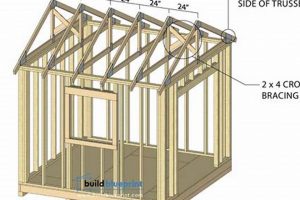
Tip 3: Structural Separation: While integrated, the storage and greenhouse sections benefit from distinct structural considerations. The greenhouse component may require a lighter frame designed for maximum light transmission, while the storage section necessitates robust construction for tool and equipment security.
Tip 4: Ventilation Strategy: Adequate ventilation is essential for temperature regulation within the greenhouse. Implement a system that allows for both passive and active ventilation, including roof vents, side vents, and potentially exhaust fans. Proper ventilation prevents overheating and reduces the risk of fungal diseases.
Tip 5: Material Selection: Choose durable, weather-resistant materials for both the shed and greenhouse components. Options include treated lumber, composite materials, polycarbonate panels, and glass. Consider the local climate and the potential for extreme weather events when selecting materials.
Tip 6: Light Optimization: Maximize light penetration into the greenhouse by orienting the structure appropriately and selecting glazing materials with high light transmittance. Interior surfaces can be painted white or covered with reflective material to further enhance light distribution.
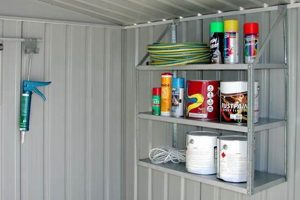
Tip 7: Secure Storage: The shed portion should incorporate secure locking mechanisms and durable construction to protect valuable gardening tools and equipment. Consider the inclusion of shelves, hooks, and other organizational elements to maximize storage space.
Careful consideration of these elements during the planning and construction phases will contribute to a functional, durable, and aesthetically pleasing structure. A well-executed design will provide years of enjoyment and enhance gardening productivity.
Subsequent sections will explore specific design variations and address common construction challenges.
1. Spatial Optimization

Spatial optimization, in the context of combined garden shed and greenhouse designs, is the strategic arrangement of functional zones within a limited area. Effective spatial planning is critical for maximizing usability, accessibility, and productivity in such structures.
- Zoning for Functionality
This facet involves dividing the structure into distinct areas based on intended use. For instance, the shed component might incorporate shelving for tool storage, a workbench area, and potentially a potting station. The greenhouse section requires zones for plant propagation, seedling growth, and potentially mature plant display. Proper zoning ensures that each function has adequate space and does not interfere with others.
- Vertical Space Utilization
Maximizing vertical space is essential in compact structures. This can be achieved through the installation of shelving units, hanging baskets, or tiered plant displays within the greenhouse section. In the shed area, vertical storage systems can accommodate tools, supplies, and equipment, freeing up valuable floor space.
- Accessibility and Circulation
Optimizing spatial layout necessitates considering accessibility and ease of movement. Adequate pathways and clearances are essential for navigating the structure while carrying tools, plants, or equipment. Doorways and access points should be strategically positioned to facilitate efficient workflow.
- Integration of Systems
Spatial optimization also involves the integration of essential systems, such as lighting, ventilation, and irrigation. Strategic placement of these systems ensures efficient operation and minimizes wasted space. For example, overhead lighting can be positioned to provide optimal illumination for both the shed and greenhouse sections, while ventilation systems can be designed to promote airflow throughout the entire structure.
The efficient arrangement of functional zones, strategic use of vertical space, careful consideration of accessibility, and thoughtful integration of essential systems collectively contribute to effective spatial optimization. Implementing these principles in combined garden shed and greenhouse designs maximizes usability, productivity, and overall value.
2. Material Durability

Material durability is a paramount consideration in the planning and construction of a combined garden shed and greenhouse structure. The selection of appropriate materials significantly impacts the longevity, maintenance requirements, and overall performance of the unit in varying environmental conditions.
- Resistance to Environmental Degradation
Materials used in constructing a garden shed and greenhouse are exposed to a range of environmental stressors, including sunlight, moisture, temperature fluctuations, and potential pest infestations. Durability in this context refers to the material’s ability to withstand these factors without significant degradation. For example, untreated wood is susceptible to rot and insect damage, whereas pressure-treated lumber or composite materials offer enhanced resistance. Polycarbonate panels used in greenhouses offer higher impact resistance compared to glass, reducing the risk of breakage from hail or debris.
- Structural Integrity Over Time
The selected materials must maintain their structural integrity over the long term. This includes resistance to bending, cracking, warping, and other forms of deformation. For instance, a poorly constructed frame using low-quality wood may sag or collapse under the weight of snow or wind. Using steel reinforcements or selecting denser wood species can mitigate these risks. The choice of roofing materials also influences structural integrity; metal roofing offers superior durability compared to asphalt shingles, but may be more expensive.
- Minimizing Maintenance Requirements
Durable materials reduce the need for frequent repairs and maintenance. This translates to lower long-term costs and less time spent on upkeep. For example, using vinyl siding instead of painted wood siding eliminates the need for periodic repainting. Similarly, selecting corrosion-resistant hardware and fasteners prevents rust and extends the lifespan of the structure. Durable greenhouse glazing materials require less frequent replacement due to their resistance to yellowing and clouding.
- Impact on Overall Cost-Effectiveness
While durable materials may have a higher initial cost, they often prove more cost-effective in the long run due to reduced maintenance and replacement needs. A thorough cost-benefit analysis should consider the material’s lifespan, maintenance requirements, and potential replacement costs. Investing in quality materials upfront can prevent costly repairs and extend the useful life of the combined garden shed and greenhouse, maximizing its return on investment.
The selection of durable materials is not merely an aesthetic consideration; it is a fundamental aspect of ensuring the structural integrity, longevity, and cost-effectiveness of a garden shed and greenhouse combination. Careful consideration of environmental factors, structural requirements, and maintenance implications is crucial for making informed material choices that optimize the performance and value of the structure.
3. Sunlight Exposure

Sunlight exposure represents a critical factor in the design and functionality of combined garden shed and greenhouse structures. Adequate sunlight is essential for plant growth within the greenhouse component, influencing plant health, productivity, and overall horticultural success. Strategic planning and construction are therefore necessary to optimize light capture and utilization.
- Orientation and Placement
The orientation of the structure relative to the sun’s path significantly impacts light exposure. In the Northern Hemisphere, a south-facing orientation maximizes sunlight capture throughout the year. Site selection must consider potential obstructions, such as trees or buildings, which may cast shadows and reduce light availability. Properly orienting the structure ensures optimal light levels for plant growth.
- Glazing Materials and Light Transmittance
The choice of glazing material directly affects the amount of sunlight that penetrates the greenhouse. Glass and polycarbonate are common options, with varying degrees of light transmittance. Polycarbonate, while more durable, may have slightly lower transmittance than glass. The selection should balance light transmission with insulation properties to regulate internal temperature effectively. Furthermore, consider coatings or treatments to reduce glare and prevent overheating.
- Internal Light Reflection and Distribution
Internal surfaces within the greenhouse can be optimized to reflect and distribute light more evenly. Painting interior walls white or using reflective materials enhances light levels and reduces shadowing. The strategic placement of plants and the use of reflective screens can further improve light distribution, ensuring that all plants receive adequate illumination, even in areas that receive less direct sunlight.
- Seasonal Adjustments and Supplemental Lighting
Sunlight availability varies seasonally, particularly in regions with significant changes in day length. During winter months, supplemental lighting may be necessary to maintain adequate light levels for plant growth. Grow lights, such as LED or fluorescent fixtures, can provide the necessary illumination to extend the growing season. Automated systems can be implemented to adjust lighting levels based on ambient sunlight, ensuring optimal light conditions throughout the year.
Optimizing sunlight exposure is a multifaceted challenge requiring careful consideration of orientation, glazing materials, internal reflection, and seasonal adjustments. By strategically addressing these factors, combined garden shed and greenhouse structures can provide an ideal environment for plant growth, maximizing horticultural productivity and extending the growing season.
4. Ventilation Systems
Effective ventilation systems are integral to the successful operation of combined garden shed and greenhouse structures. The greenhouse component, by its nature, traps heat and moisture. Without proper ventilation, temperatures can rise to levels detrimental to plant health, and high humidity can foster the growth of fungal diseases. The garden shed portion, if poorly ventilated, can become a breeding ground for mold and mildew, damaging stored tools and supplies. Therefore, a well-designed ventilation system addresses these potential problems.
The design of a ventilation system should consider several factors, including the size and orientation of the structure, the climate in which it is located, and the types of plants being grown. Passive ventilation, which relies on natural airflow, can be achieved through the strategic placement of vents at different heights. Hot air rises and escapes through upper vents, drawing cooler air in through lower vents. Active ventilation systems employ fans to circulate air, providing more precise control over temperature and humidity. For example, thermostatically controlled exhaust fans can automatically remove hot air when the temperature reaches a predetermined level. The selection of an appropriate ventilation system represents a critical decision that impacts the long-term performance and usability of the structure.
In summary, adequate ventilation is not merely an optional feature but a necessity for maintaining a healthy environment within both the greenhouse and shed components of a combined structure. Overlooking this aspect can lead to plant diseases, material degradation, and ultimately, a diminished return on investment. Thoughtful planning and implementation of a well-suited ventilation system are essential for maximizing the benefits of this integrated design.
5. Structural Integrity

Structural integrity is a non-negotiable aspect of garden shed plans incorporating a greenhouse. The ability of the structure to withstand environmental loads and maintain its form over time is paramount to ensuring safety, longevity, and functional efficacy.
- Foundation Stability
The foundation serves as the critical base upon which the entire structure rests. It must bear the weight of the shed, greenhouse components, stored items, and environmental loads such as snow and wind. Improperly designed or executed foundations can lead to settling, cracking, and ultimately, structural failure. Soil composition, drainage, and frost depth are essential considerations in foundation design. Examples include concrete slabs, gravel bases, and pier systems, each with suitability depending on site conditions. Foundation failure can compromise the entire structure, rendering it unusable and potentially hazardous.
- Framing Strength and Materials
The framework provides the skeletal support for the structure, distributing loads and maintaining its shape. The selection of framing materials, such as lumber or metal, and the design of the framing system are critical to structural integrity. Factors such as wood species, grade, and treatment affect its strength and resistance to decay. Connection methods, including fasteners and joinery techniques, must be robust enough to withstand stress. Insufficient framing can lead to sagging roofs, leaning walls, and eventual collapse. Proper framing design, incorporating load-bearing calculations and appropriate materials, is essential for ensuring structural stability.
- Roof Load Capacity
The roof must be designed to withstand significant loads, including snow accumulation, wind pressure, and the weight of roofing materials. Roof pitch, rafter spacing, and sheathing thickness all contribute to its load-bearing capacity. Insufficient roof support can result in sagging, leaks, and structural failure. Proper roof design, adhering to local building codes and considering regional climate conditions, is crucial for preventing catastrophic events.
- Glazing and Wind Resistance
The glazing materials used in the greenhouse portion must withstand wind pressure and impact from debris. Polycarbonate and glass are common choices, each with its own strength characteristics. Proper installation techniques, including secure framing and sealing, are essential to prevent leaks and glass breakage. Insufficient wind resistance can lead to shattered glazing, compromising the structural integrity of the greenhouse and potentially causing injury. Wind load calculations and appropriate glazing selection are vital for ensuring safety and durability.
The structural integrity of a garden shed combined with a greenhouse is an interdependent system. Failure in one component, such as the foundation, can compromise the entire structure. A holistic approach to design, incorporating appropriate materials, construction techniques, and adherence to building codes, is essential for ensuring a safe, durable, and functional space for gardening and storage.
6. Drainage Solutions

Effective drainage solutions are integral to the longevity and functionality of garden sheds incorporating greenhouse elements. Without proper management of water runoff and subsurface moisture, such structures are susceptible to a range of problems that can compromise their structural integrity and diminish their utility.
- Surface Runoff Management
Surface runoff, resulting from rainfall or irrigation, can erode soil around the foundation, leading to structural instability. Implementing strategies to divert water away from the structure is crucial. This may involve grading the surrounding land to promote drainage, installing gutters and downspouts to collect and redirect rainwater, and creating swales or French drains to capture and filter excess water. Proper surface runoff management prevents water from pooling around the foundation, minimizing the risk of water damage and soil erosion. For example, a well-placed gutter system can effectively channel rainwater away from the base of the structure, protecting the foundation from water infiltration.
- Subsurface Drainage Control
Subsurface moisture can seep into the foundation and promote the growth of mold, mildew, and rot, compromising the structural integrity of the shed and greenhouse components. Installing a drainage system around the foundation, such as a French drain or a perforated pipe system, can effectively intercept and remove subsurface moisture. These systems collect groundwater and redirect it away from the structure, preventing water damage and maintaining a dry environment. Proper subsurface drainage control is particularly important in areas with high water tables or poor soil drainage.
- Greenhouse Drainage Considerations
Greenhouses often generate excess water from irrigation and condensation. Efficient drainage within the greenhouse is essential to prevent waterlogging and the spread of plant diseases. Sloping floors, gravel beds, and drainage channels can facilitate water removal. Proper drainage also helps to maintain optimal humidity levels within the greenhouse, reducing the risk of fungal growth and promoting healthy plant growth. For instance, a slightly sloped floor with drainage channels directs excess irrigation water away from plant roots, preventing waterlogged soil and root rot.
- Material Selection for Drainage
The materials used in the construction of the shed and greenhouse should be resistant to water damage. Pressure-treated lumber, composite materials, and waterproof membranes can protect against moisture infiltration and rot. Selecting materials with inherent drainage properties, such as gravel or permeable paving stones, can also enhance water management around the structure. Choosing water-resistant materials minimizes the risk of structural damage and extends the lifespan of the garden shed and greenhouse combination. Examples are using treated lumber and a waterproof membrane to prevent the shed base from soaking up water.
The effective integration of these drainage solutions is not an isolated consideration but rather a fundamental aspect of ensuring the long-term viability of garden sheds with greenhouse components. Addressing drainage issues proactively during the planning and construction phases can prevent costly repairs, maintain structural integrity, and contribute to a healthy and productive environment for both storage and horticultural activities. Proper drainage ensures the longevity of the combined garden shed and greenhouse structure, maximizing its value and utility.
7. Cost Efficiency

The integration of cost efficiency into the planning and execution of a garden shed with greenhouse serves as a critical determinant of project feasibility and long-term value. The financial implications of design choices, material selections, and construction methods directly impact the affordability and sustainability of such a structure. Inefficient resource allocation can lead to budget overruns, increased maintenance expenses, and a reduced return on investment. Conversely, a focus on cost-effective solutions can maximize the benefits derived from the structure while minimizing financial strain. For example, opting for locally sourced lumber over exotic hardwoods can significantly reduce material costs without compromising structural integrity, provided the local lumber is appropriately treated and graded.
Examining cost efficiency also necessitates a thorough assessment of long-term operational expenses. Considerations such as energy consumption for heating and lighting within the greenhouse, water usage for irrigation, and maintenance requirements for roofing and glazing materials must be factored into the overall cost analysis. Implementing energy-efficient technologies, such as solar-powered ventilation systems or rainwater harvesting systems, can significantly reduce operational costs over the lifespan of the structure. Furthermore, selecting durable, low-maintenance materials, such as composite decking or vinyl siding, can minimize the need for frequent repairs and replacements, contributing to long-term cost savings. The selection of single-pane versus double-pane glazing in the greenhouse section provides a tangible example: while double-pane glazing increases initial construction costs, it offers superior insulation, potentially lowering heating expenses during colder months and yielding long-term savings.
In conclusion, cost efficiency is not merely a budgetary constraint but a fundamental design principle that guides decision-making throughout the entire process, from initial planning to ongoing maintenance. Balancing upfront investment with long-term operational costs, employing resource-efficient technologies, and selecting durable materials are essential strategies for achieving cost-effective garden shed plans with a greenhouse. Addressing these considerations proactively can ensure that the structure remains a valuable asset for years to come, providing both functional benefits and financial returns.
Frequently Asked Questions
This section addresses common inquiries regarding the planning, design, and construction of structures integrating a garden shed and a greenhouse. The information presented aims to clarify key considerations and provide practical guidance.
Question 1: What are the primary benefits of combining a garden shed and a greenhouse into a single structure?
Integration optimizes space utilization, consolidates gardening functions, and potentially reduces construction costs compared to erecting separate structures. It also provides convenient, weather-protected access to both storage and cultivation areas.
Question 2: What foundation type is most suitable for a combined garden shed and greenhouse?
The ideal foundation depends on soil conditions, climate, and structural design. Common options include concrete slabs, gravel bases, and pier systems. Proper drainage is essential, regardless of foundation type.
Question 3: How can adequate ventilation be ensured within a combined garden shed and greenhouse?
Ventilation strategies include passive systems utilizing strategically placed vents and active systems employing fans. Thermostatically controlled exhaust fans are effective for regulating temperature within the greenhouse.
Question 4: What materials are recommended for constructing a durable and weather-resistant combined structure?
Recommended materials include pressure-treated lumber, composite materials, polycarbonate panels, and glass. Material selection should consider resistance to moisture, sunlight, and extreme temperatures.
Question 5: How can sunlight exposure be optimized within the greenhouse component of a combined structure?
Optimizing sunlight exposure involves strategic orientation of the structure, selection of glazing materials with high light transmittance, and implementation of internal reflective surfaces to enhance light distribution.
Question 6: What are the key considerations for ensuring the structural integrity of a combined garden shed and greenhouse?
Ensuring structural integrity requires a robust foundation, a well-designed framing system, appropriate roof load capacity, and wind-resistant glazing materials. Adherence to local building codes is crucial.
Understanding these fundamental aspects is crucial for a successful integration. Subsequent sections will delve into construction considerations.
Conclusion
The preceding discussion has explored critical aspects of “garden shed plans with greenhouse”, encompassing design elements, material choices, and construction methodologies. Factors such as spatial optimization, material durability, sunlight exposure, ventilation systems, structural integrity, drainage solutions, and cost efficiency were identified as essential considerations for successful implementation. The integration of these elements impacts the functionality, longevity, and overall value of such combined structures.
A thorough understanding of these principles enables informed decision-making, leading to the creation of functional and aesthetically pleasing spaces for gardening and storage. Careful planning and execution are paramount to realizing the full potential of integrated garden structures and ensuring their sustained contribution to horticultural endeavors.