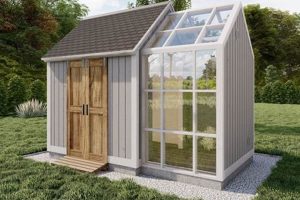
Structures designed for outdoor storage and workspace that exhibit enhanced durability, functionality, and aesthetic appeal represent a distinct category. These structures often incorporate higher-quality materials, advanced construction techniques, and thoughtful design elements that differentiate them from standard offerings. For example, a building utilizing pressure-treated lumber, reinforced roofing, and customizable interior organization systems exemplifies this enhanced category.
The value of such constructions lies in their long-term reliability and the protection they afford stored items from the elements and potential security threats. Their robust nature reduces maintenance needs and extends the overall lifespan, proving cost-effective over time. Historically, the evolution of garden storage has mirrored advancements in material science and construction practices, leading to the sophisticated options available today.
This article will examine the key factors contributing to the quality of such buildings, including material selection, construction methods, design considerations, and security features. Furthermore, it will explore the diverse range of applications and the criteria for selecting the ideal structure based on individual needs and environmental conditions.
Enhancing Garden Storage
Optimizing outdoor storage requires careful planning and informed decision-making. These guidelines provide essential insights for selecting and maintaining effective garden storage solutions.
Tip 1: Foundation Integrity: A level, properly prepared foundation is crucial. Concrete slabs or gravel bases prevent moisture damage and ensure structural stability, extending the lifespan of the building.
Tip 2: Material Selection: Opt for weather-resistant materials such as pressure-treated lumber, composite siding, or metal cladding. These materials minimize rot, insect infestation, and the effects of extreme temperatures.
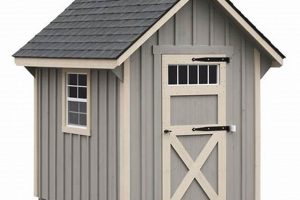
Tip 3: Roof Design: Implement a roof design that effectively sheds water and snow. A steep pitch and durable roofing materials, like asphalt shingles or metal panels, are recommended to prevent leaks and structural damage.
Tip 4: Ventilation: Adequate ventilation is vital to prevent moisture buildup and mold growth inside the structure. Install vents in the roof or walls to promote air circulation.
Tip 5: Security Measures: Secure the structure with robust locking mechanisms, reinforced doors, and window coverings. Consider installing motion-activated lighting to deter unauthorized access.
Tip 6: Organizational Systems: Maximize storage capacity by incorporating shelving, hooks, and other organizational systems. Effective organization enhances accessibility and prevents clutter.
Tip 7: Regular Maintenance: Conduct routine inspections and maintenance to identify and address potential issues early. This includes cleaning, repairing minor damage, and reapplying protective coatings as needed.
Implementing these strategies ensures the long-term durability, functionality, and security of outdoor storage facilities, protecting valuable equipment and enhancing the overall landscape.
The following sections will delve into specific product features and design elements to further refine the selection process.
1. Robust Construction

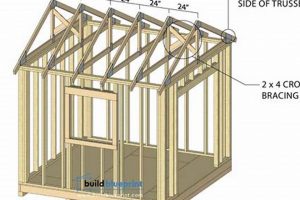
Robust construction forms a cornerstone of the “superior garden sheds” category. It directly influences the structure’s ability to withstand environmental stressors and prolonged use. The efficacy of materials and assembly techniques dictates resistance to wind, snow loads, and ground settling. For instance, a structure using inadequate framing will exhibit warping or collapse under heavy snow, while one with a solid foundation and reinforced joints will maintain its integrity.
The quality of construction manifests in several critical areas. Framing, often composed of lumber or steel, provides the skeletal support. Employing pressure-treated lumber resists rot and insect infestation, extending the lifespan. Joinery techniques, such as mortise and tenon or secure metal fasteners, ensure connections remain stable over time. Roofing systems, designed to shed water efficiently, prevent leaks and structural damage. A well-constructed shed incorporates all these aspects to provide a durable and secure enclosure.
Understanding the link between robust construction and structural integrity is crucial for informed purchasing decisions. Evaluating the type and quality of materials used, the joinery methods, and the foundation design allows for assessing the shed’s long-term reliability. Choosing structures with demonstrably robust construction mitigates the risk of premature failure, minimizing maintenance costs and ensuring the stored items are protected.
2. Durable Materials

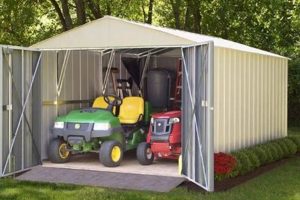
The correlation between durable materials and the longevity and performance of “superior garden sheds” is direct and consequential. Material selection dictates a structure’s resistance to environmental degradation, including moisture, temperature fluctuations, ultraviolet radiation, and pest infestation. Consequently, structures built with inferior materials are predisposed to premature failure, necessitating frequent repairs or complete replacement. For example, a shed constructed with untreated softwood is susceptible to rot and insect damage, resulting in structural instability within a few years, whereas a shed utilizing pressure-treated lumber, composite siding, or metal cladding exhibits significantly enhanced resistance to these elements.
The practical significance of employing durable materials extends beyond mere longevity. Such materials minimize maintenance requirements, reducing both the time and expense associated with upkeep. Furthermore, the use of robust materials ensures the continued protection of stored items, safeguarding valuable tools, equipment, and other possessions from the elements. Consider the instance of roofing materials: asphalt shingles offer a degree of weather resistance, but metal roofing provides superior protection against hail, wind, and fire, resulting in a more resilient and secure storage environment. Similarly, opting for vinyl or composite trim over traditional wood trim eliminates the need for periodic painting and prevents rot.
In summary, the choice of durable materials is paramount in the design and construction of “superior garden sheds.” These materials directly impact the structure’s lifespan, maintenance needs, and ability to protect stored contents. While the initial investment may be higher, the long-term benefitsreduced repair costs, enhanced security, and prolonged usabilityjustify the selection of high-quality, durable materials for optimal performance and lasting value.
3. Optimal Space Utilization

Effective allocation of interior space is a defining characteristic of “superior garden sheds.” Maximizing usable area within a given footprint enhances functionality and storage capacity, directly impacting the user’s ability to organize and access stored items efficiently. This focus on space optimization differentiates these structures from basic storage solutions, providing tangible benefits in terms of organization and accessibility.
- Vertical Storage Solutions
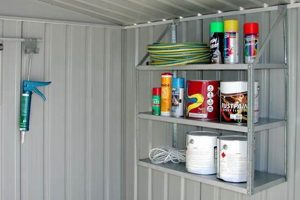
Implementing vertical storage leverages unused height within the shed. Shelving units, wall-mounted racks, and overhead storage platforms effectively increase storage density. For instance, installing shelves allows for stacking smaller items, while hanging tools on a pegboard system frees up floor space. Utilizing vertical space maximizes storage potential, particularly in smaller sheds, improving overall organization.
- Customizable Layouts
Adaptable interior configurations accommodate diverse storage requirements. Modular shelving systems, adjustable workbenches, and configurable storage containers enable tailoring the shed to specific needs. A gardener might organize seeds and small tools using tiered shelving, while a woodworker could benefit from a dedicated workbench area. This customization enhances usability and ensures efficient space allocation.
- Efficient Door and Window Placement
Strategic positioning of doors and windows optimizes interior space and accessibility. Wide doorways facilitate the movement of bulky items, while strategically placed windows provide natural light without compromising storage areas. For example, a double door allows for easy access to large equipment, while a high window ensures light penetration without interfering with wall-mounted storage. Thoughtful placement enhances both functionality and usability.
- Multi-Purpose Design Elements
Integrating multi-functional features increases the utility of the shed. Fold-down workbenches, convertible seating, or combination storage units maximize space efficiency. A workbench that folds down when not in use frees up floor space, while a storage bench provides both seating and hidden storage. These design elements enhance versatility and ensure the shed adapts to evolving needs.
The integration of vertical storage, customizable layouts, strategic door and window placement, and multi-purpose design elements exemplifies the commitment to optimal space utilization in “superior garden sheds”. These features transform a simple storage structure into a highly functional and organized workspace, enhancing the user’s experience and maximizing the value of the investment.
4. Enhanced Security
The integration of enhanced security measures in “superior garden sheds” directly addresses the need to protect stored valuables and equipment from theft and unauthorized access. Security provisions are not merely add-ons, but rather, fundamental design considerations that contribute significantly to the overall value and utility of these structures.
- Reinforced Entry Points
The primary point of vulnerability is the entry door. Reinforcing the door frame, utilizing solid-core doors made of durable materials like steel or reinforced wood, and incorporating tamper-resistant hinges are crucial elements. For example, a standard shed door can be easily breached with minimal tools, whereas a reinforced door equipped with a heavy-duty deadbolt significantly increases resistance to forced entry. The absence of these features renders the shed susceptible to opportunistic theft.
- Advanced Locking Mechanisms
Standard padlocks offer limited protection. Superior security demands advanced locking systems such as multi-point locking mechanisms, pick-resistant cylinders, and electronic access control. A multi-point locking system secures the door at multiple locations along the frame, distributing the force of an attempted breach. Electronic locks, with keypads or biometric scanners, offer controlled access and audit trails, deterring unauthorized entry and providing a record of access.
- Window Security Measures
Windows, if present, require similar security considerations. Employing shatter-resistant glass, security bars, or window films minimizes the risk of forced entry through windows. Small windows, strategically placed, reduce vulnerability compared to large, easily accessible windows. The addition of window coverings obscures the interior, preventing potential thieves from assessing the contents of the shed, thereby reducing the likelihood of a break-in.
- Alarm Systems and Surveillance
Integrating alarm systems provides an additional layer of security. Motion sensors, door/window contacts, and surveillance cameras can detect and deter unauthorized activity. A monitored alarm system alerts authorities in the event of a breach, while surveillance cameras provide visual evidence. The presence of security cameras can also act as a deterrent, discouraging potential thieves from targeting the shed.
The implementation of these security features transforms a simple garden shed into a secure storage space, protecting valuable assets and providing peace of mind. While the initial investment may be higher, the long-term benefits of preventing theft and damage far outweigh the costs, making enhanced security a key differentiator for “superior garden sheds.”
5. Weather Resistance
The capacity to withstand environmental elements fundamentally defines the durability and longevity of exterior structures. In the context of “superior garden sheds,” weather resistance is not a mere attribute but an essential performance characteristic dictating the structure’s ability to protect its contents and maintain structural integrity over time.
- Material Impermeability
The inherent resistance of materials to moisture penetration is paramount. Pressure-treated lumber, composite siding, and metal cladding are examples of materials selected for their low absorption rates and resistance to rot, decay, and corrosion. For instance, untreated wood exposed to constant moisture will undergo decomposition, compromising structural stability. Impermeable materials, conversely, prevent water intrusion, safeguarding stored items and preserving the shed’s framework.
- Roofing System Integrity
The roofing system serves as the primary barrier against precipitation. Durable roofing materials, such as asphalt shingles, metal panels, or composite roofing, must effectively shed water and withstand wind uplift. A compromised roofing system, characterized by leaks or missing shingles, allows water to infiltrate the interior, causing damage to stored contents and accelerating structural deterioration. Properly installed and maintained roofing ensures long-term protection.
- Structural Sealant Application
Sealants applied to joints and seams prevent water intrusion and air leakage. High-quality sealants maintain their elasticity and adhesion over time, accommodating expansion and contraction caused by temperature fluctuations. Deteriorated or improperly applied sealants create pathways for moisture infiltration, leading to mold growth, wood rot, and compromised insulation. Proper sealant application is critical for maintaining a weather-tight enclosure.
- Ventilation and Condensation Control
Adequate ventilation mitigates moisture buildup inside the shed, preventing condensation and mold growth. Ventilation systems, including vents in the roof or walls, promote air circulation, removing excess moisture. Without proper ventilation, trapped moisture can lead to corrosion, fungal growth, and damage to stored items. Effective ventilation strategies are essential for maintaining a dry and healthy storage environment.
The interplay of material impermeability, roofing system integrity, sealant application, and ventilation control collectively determines the overall weather resistance of “superior garden sheds.” These factors not only ensure the long-term structural integrity of the shed but also protect valuable stored contents from the detrimental effects of environmental exposure, justifying the investment in weather-resistant construction and materials.
6. Aesthetic Integration

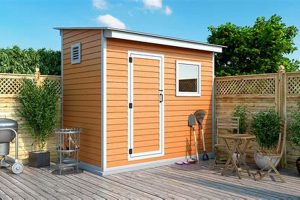
The seamless blending of functional structures with their surrounding environment is paramount to achieving a cohesive and visually appealing landscape. In the context of “superior garden sheds,” aesthetic integration transcends mere ornamentation; it represents a deliberate effort to ensure that the structure complements and enhances the overall aesthetic of the property. The absence of such integration can result in a jarring visual disruption, diminishing the property’s value and detracting from its curb appeal. This integration necessitates careful consideration of architectural style, color palettes, landscaping, and material selection to ensure harmony with existing structures and the natural environment.
Achieving effective aesthetic integration involves several key considerations. First, the architectural design of the shed should align with the style of the main residence and other outbuildings. For example, a modern home would benefit from a shed with clean lines and minimalist detailing, while a traditional home might call for a shed with classic design elements and natural materials. Second, the color palette should harmonize with the surrounding landscape and structures. Earth tones, natural wood finishes, and complementary accent colors contribute to a cohesive aesthetic. Third, landscaping around the shed can soften its visual impact and integrate it seamlessly into the garden. Planting trees, shrubs, and flowers can create a natural transition and enhance the shed’s visual appeal. Finally, material selection plays a crucial role. Using materials that are consistent with the existing structures and the natural environment, such as wood, stone, or brick, can create a sense of continuity and cohesion.
In conclusion, aesthetic integration is an indispensable component of “superior garden sheds.” It ensures that the structure not only serves its functional purpose but also enhances the overall visual appeal of the property. By carefully considering architectural style, color palettes, landscaping, and material selection, property owners can create a harmonious and aesthetically pleasing landscape that adds value and enjoyment to their outdoor spaces. The understanding and implementation of these principles are crucial for realizing the full potential of a garden shed as both a functional and aesthetically pleasing addition to the property.
7. Long-Term Value

The concept of long-term value, when applied to “superior garden sheds,” extends beyond the initial purchase price, encompassing the structure’s lifespan, maintenance costs, and overall contribution to property utility. The selection of a garden shed should not be solely predicated on immediate affordability but rather on a comprehensive assessment of its lifecycle cost and its ability to maintain functionality and aesthetic appeal over an extended period. For instance, a lower-priced shed constructed with substandard materials may require frequent repairs or replacement within a few years, ultimately exceeding the total cost of a more robust, albeit initially more expensive, structure. Long-term value, therefore, becomes a paramount consideration in the decision-making process.
The correlation between material quality, construction methods, and long-term value is direct and measurable. Sheds constructed with pressure-treated lumber, durable roofing materials, and reinforced framing exhibit superior resistance to environmental degradation, minimizing the need for repairs and prolonging the structure’s lifespan. Moreover, features such as enhanced security systems and optimized space utilization contribute to the overall value proposition by safeguarding stored items and maximizing functionality. Consider the case of a shed used to store valuable gardening equipment: a structure with robust security features mitigates the risk of theft, thereby preserving the investment in those tools. Similarly, a well-organized shed with ample shelving facilitates efficient storage and retrieval, enhancing usability and contributing to the shed’s overall utility.
In summary, the long-term value of “superior garden sheds” is a multifaceted concept encompassing durability, functionality, and aesthetic appeal. The selection of a shed based on its ability to withstand environmental stressors, minimize maintenance costs, and enhance property utility represents a prudent investment. While the initial purchase price may be higher, the long-term benefits, including reduced repair expenses, prolonged lifespan, and enhanced security, justify the selection of a higher-quality structure. Ultimately, the pursuit of long-term value ensures that the garden shed serves as a durable, functional, and aesthetically pleasing addition to the property for years to come.
Frequently Asked Questions
The following addresses common inquiries concerning the selection, construction, and maintenance of high-quality outdoor storage structures.
Question 1: What distinguishes a “superior garden shed” from a standard garden shed?
Structures categorized as “superior” typically exhibit enhanced durability due to the employment of higher-quality materials, advanced construction techniques, and superior design elements. This often translates to increased longevity, reduced maintenance requirements, and improved security.
Question 2: What foundation type is recommended for optimal structural integrity?
A properly prepared and level foundation is crucial. Concrete slabs or gravel bases are generally recommended as they provide stability, prevent moisture damage, and extend the lifespan of the structure.
Question 3: How can moisture buildup within the shed be effectively managed?
Adequate ventilation is essential to prevent moisture accumulation. The installation of vents in the roof or walls promotes air circulation, minimizing the risk of mold growth and structural deterioration.
Question 4: What security measures are advisable to deter unauthorized access?
Reinforced doors, robust locking mechanisms, and window coverings are recommended. Motion-activated lighting can also serve as a deterrent. The implementation of these measures enhances security and protects stored contents.
Question 5: What materials offer optimal weather resistance for exterior cladding?
Weather-resistant materials, such as pressure-treated lumber, composite siding, or metal cladding, are preferable. These materials minimize rot, insect infestation, and the effects of extreme temperatures, extending the lifespan of the structure.
Question 6: How does aesthetic integration contribute to the overall value of a garden shed?
Aesthetically integrated structures complement the surrounding landscape and enhance property value. Careful consideration of architectural style, color palettes, and landscaping ensures a cohesive and visually appealing outdoor space.
In summary, the selection and maintenance of such structures necessitate careful consideration of materials, construction techniques, security features, and aesthetic integration to ensure long-term durability and value.
The subsequent section will explore case studies of successful applications.
Superior Garden Sheds
This exploration has detailed the multifaceted attributes of “superior garden sheds,” underscoring the significance of robust construction, durable materials, optimal space utilization, enhanced security, weather resistance, and aesthetic integration. Each element contributes to the overall value proposition, transforming a simple storage structure into a durable, functional, and visually appealing asset.
The insights presented serve to inform discerning consumers and industry professionals alike. A commitment to quality in design and construction ensures that these structures provide enduring utility and value, representing a worthwhile investment for enhancing property functionality and aesthetics. Further research and innovation in materials and construction techniques will undoubtedly continue to refine and elevate the capabilities of these essential outdoor structures.