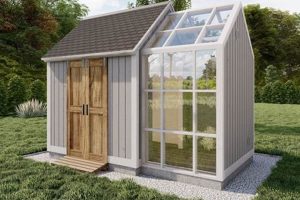
Authorization secured from a local governing jurisdiction, allowing the construction of a small, detached structure in a residential yard intended for storage of gardening tools, equipment, or related items, is a necessary prerequisite for compliant construction. Such authorization ensures adherence to established building codes and zoning regulations, safeguarding structural integrity and neighborhood aesthetics. For instance, a homeowner intending to erect a 10ft x 12ft structure to house lawnmowers and planting supplies on their property must typically obtain this permission prior to commencement of construction.
The acquisition of this authorization offers numerous advantages. Compliance with building codes guarantees safety and minimizes the risk of structural failure or hazards. Adherence to zoning bylaws maintains property values and prevents conflicts with neighbors. Furthermore, possessing proper documentation facilitates future property transactions and avoids potential legal complications. Historically, these requirements arose from a growing need to regulate construction practices and ensure public safety as urban and suburban development increased.
The subsequent sections will delve into the specific requirements, potential challenges, and best practices associated with obtaining such authorization. It will explore the necessary documentation, the inspection process, and common reasons for denial, offering practical guidance to navigate the application process effectively.
Essential Considerations for Obtaining Authorization for a Detached Garden Structure
The following guidelines are designed to facilitate the process of acquiring necessary permission for the construction of a garden structure, thereby ensuring compliance and minimizing potential delays.
Tip 1: Conduct Thorough Research: Prior to initiating any construction activities, it is imperative to consult with the local municipality or building department to ascertain specific requirements, regulations, and zoning ordinances pertaining to detached structures. Understanding these parameters beforehand can prevent costly revisions and delays.
Tip 2: Prepare Detailed Plans: Accurate and comprehensive construction plans are crucial for successful application. These plans should include dimensions, materials, foundation details, and site plans illustrating the structure’s location relative to property lines, easements, and other structures.
Tip 3: Adhere to Setback Requirements: Compliance with setback regulations, which dictate the minimum distance a structure must be from property lines, is paramount. Failure to adhere to these regulations is a common cause for denial and can necessitate costly relocation of the structure.
Tip 4: Account for Height Restrictions: Most jurisdictions impose height limitations on detached structures. Accurate measurement of the proposed structure’s height, from ground level to the highest point, is essential to ensure compliance.
Tip 5: Select Appropriate Materials: Utilize materials that meet local building codes and are appropriate for the intended use and environmental conditions. Inquire about approved materials lists from the local building department to ensure compliance.
Tip 6: Ensure Proper Drainage: Integrate effective drainage solutions into the design to prevent water accumulation and potential damage to the structure and surrounding property. Proper grading and the incorporation of drainage systems may be required.
Tip 7: Maintain Open Communication: Engage proactively with the building department throughout the application process. Respond promptly to inquiries and address any concerns raised by inspectors to expedite the approval process.
Adherence to these guidelines will significantly increase the likelihood of a successful application, ensuring that the construction of the garden structure is compliant, safe, and aligned with community standards.
The subsequent section will address potential challenges that may arise during the process and strategies for overcoming them.
1. Zoning Compliance

Zoning compliance represents a critical component in the authorization process for constructing a garden structure. Local zoning ordinances dictate permissible land uses, structural dimensions, and placement restrictions, all of which directly impact the approval of construction requests.
- Permitted Use Designation
Zoning regulations categorize land into specific use districts, such as residential, commercial, or industrial. Construction of a garden structure is typically permissible within residential zones, provided it meets the specific criteria outlined in the zoning code. Failure to comply with the permitted use designation will invariably result in denial of the construction authorization.
- Dimensional Requirements
Dimensional requirements stipulate limitations on the size, height, and footprint of structures within a given zone. These regulations ensure structures remain compatible with the surrounding environment and do not unduly obstruct views or compromise property values. Exceeding dimensional limits defined by the zoning ordinance will preclude approval.
- Setback Regulations
Setback regulations establish minimum distances between structures and property lines, streets, or other structures. These requirements maintain adequate spacing for access, utilities, and fire safety, as well as preserve neighborhood aesthetics. Inadequate setbacks are a frequent cause of application rejection.
- Accessory Structure Provisions
Zoning codes often contain specific provisions pertaining to accessory structures, which include garden sheds. These provisions may address issues such as the maximum number of accessory structures allowed per property, limitations on their use (e.g., prohibiting use as a dwelling), and special design considerations. Non-compliance with these specific accessory structure provisions will hinder authorization.
In summation, zoning compliance is not merely a procedural hurdle, but rather a fundamental prerequisite for obtaining authorization for a garden structure. Adherence to zoning ordinances ensures that the proposed construction aligns with the community’s land use plan, safeguarding property values, preserving neighborhood character, and promoting public safety. A thorough understanding of and strict adherence to these regulations is essential for a successful application.
2. Dimensional Restrictions

Dimensional restrictions, imposed by local zoning ordinances, are a critical determinant in securing authorization for the construction of a garden structure. These regulations dictate the permissible size, height, and footprint of the structure, directly impacting its compliance with established building codes.
- Maximum Height Limitations
Local codes often stipulate a maximum height for garden structures, typically measured from the average grade of the land to the highest point of the roof. This limitation aims to maintain neighborhood aesthetics and prevent obstruction of views. Exceeding the maximum height can result in permit denial or necessitate costly modifications to the design.
- Maximum Footprint Area
The allowable footprint area, or the total square footage the structure occupies on the ground, is another common dimensional restriction. This regulation seeks to limit the overall impact of the structure on the property and prevent excessive encroachment on open space. The permissible footprint is typically correlated to the size of the lot and the zoning designation of the property.
- Proportionality to Lot Size
Many municipalities implement regulations that tie the permissible size of a garden structure to the overall size of the property. This ensures that larger properties can accommodate larger structures, while smaller properties are restricted to smaller structures, maintaining a sense of balance within the neighborhood.
- Setback Requirements and Structure Size
The physical dimensions of the structure can directly influence its compliance with setback regulations. A larger structure may require greater setbacks from property lines than a smaller one. Therefore, the intended size of the garden structure must be carefully considered in relation to the applicable setback requirements to avoid potential conflicts and ensure compliance.
The adherence to dimensional restrictions is paramount in the authorization process. Disregarding these regulations can lead to delays, permit denials, and potential legal ramifications. A thorough understanding of local zoning ordinances and careful consideration of dimensional restrictions are essential for a successful application and the compliant construction of a garden structure.
3. Setback Adherence

Setback adherence is a fundamental aspect of securing authorization for a garden structure. Local zoning regulations mandate minimum distances between structures and property lines, influencing the permissibility of construction on a given site. Compliance with these requirements is not merely a procedural formality but a critical factor in the approval process.
- Property Line Proximity
The proximity of a proposed garden structure to property lines is a primary determinant of setback compliance. Regulations specify minimum distances to prevent encroachment onto neighboring properties, maintain access easements, and ensure adequate spacing for fire safety. Failure to adhere to these distances invariably results in denial of the authorization. For instance, a structure proposed within five feet of a property line in a zone requiring a ten-foot setback will be deemed non-compliant.
- Street Setbacks
Beyond property lines, setbacks from streets and public rights-of-way are also commonly regulated. These restrictions ensure sufficient clearance for vehicular traffic, pedestrian walkways, and future infrastructure improvements. A proposed structure encroaching upon the required street setback compromises public access and safety, thereby rendering it ineligible for authorization.
- Impact on Neighboring Properties
Setback regulations are intended to mitigate potential negative impacts on neighboring properties. Structures built too close to property lines can obstruct views, reduce sunlight exposure, and diminish privacy. Compliance with setback requirements ensures that the construction of a garden structure does not unduly burden neighboring landowners or detract from their property values. Consequently, failure to meet these requirements is a significant impediment to securing authorization.
- Relationship to Building Codes
While zoning ordinances primarily govern setback requirements, building codes also play a role in ensuring safe construction practices. Adequate setbacks facilitate access for maintenance, repairs, and emergency services. Furthermore, they contribute to fire safety by preventing the spread of fire between structures. A structure that violates setback requirements may also be deemed non-compliant with building codes, resulting in further complications in the authorization process.
In conclusion, setback adherence represents a non-negotiable element in obtaining permission for a garden structure. These regulations protect property rights, promote public safety, and maintain neighborhood aesthetics. Therefore, meticulous attention to setback requirements is essential for a successful application and the compliant construction of the intended structure.
4. Structural Integrity
Structural integrity serves as a cornerstone in the authorization process for any construction project, including garden structures. It ensures the safety and durability of the building, safeguarding occupants and the surrounding environment. Compliance with structural requirements is rigorously assessed during the permit application process.
- Load-Bearing Capacity
The load-bearing capacity refers to the ability of the garden structure to withstand various forces, including snow, wind, and the weight of the roofing materials. Building codes specify minimum load requirements based on regional weather patterns and geographical location. Proper engineering and material selection are crucial to ensure that the structure can safely bear these loads. Failure to meet these load requirements can result in structural failure and potential collapse. The authorization review process scrutinizes structural calculations and material specifications to verify load-bearing capacity compliance.
- Foundation Stability
The foundation is the base upon which the entire structure rests. A stable and properly designed foundation is essential to prevent settling, shifting, or cracking of the structure. Factors such as soil type, drainage, and frost depth influence foundation design. Building codes mandate specific foundation requirements based on these factors. An inadequate foundation can compromise the structural integrity of the entire garden structure, leading to instability and eventual collapse. The authorization process includes inspections to ensure proper foundation construction and compliance with relevant codes.
- Material Strength and Durability
The materials used in the construction of a garden structure must possess sufficient strength and durability to withstand environmental conditions and normal wear and tear. Building codes specify minimum material requirements, such as grade of lumber, type of fasteners, and weather-resistant coatings. Using substandard materials can compromise the structural integrity of the structure, leading to premature deterioration and potential failure. The authorization process involves verification of material specifications to ensure compliance with building codes and long-term durability.
- Resistance to Environmental Factors
Garden structures are exposed to various environmental factors, including wind, rain, snow, and temperature fluctuations. The structure must be designed and constructed to withstand these conditions without compromising its integrity. Building codes address issues such as wind resistance, water penetration, and thermal expansion. Proper design and construction techniques are essential to mitigate the effects of these environmental factors. Failure to address these factors can lead to structural damage and reduce the lifespan of the structure. The authorization process evaluates the structure’s ability to resist environmental factors and ensure long-term durability.
In summary, structural integrity is a paramount concern in the authorization process for garden structures. Compliance with building codes and proper engineering practices are essential to ensure the safety, durability, and longevity of the structure. Rigorous review and inspection procedures are implemented to verify that the structure meets all applicable requirements, safeguarding the public and protecting property investments. Neglecting structural integrity can have severe consequences, rendering the structure unsafe and potentially liable for damages or injuries.
5. Material Specifications

Material specifications are a critical element in the acquisition of authorization for garden structure construction. These specifications detail the precise types and grades of materials intended for use in the structure’s construction, ensuring compliance with local building codes and safety standards.
- Type and Grade of Lumber
The specifications mandate the type and grade of lumber to be utilized in framing, sheathing, and roofing. For example, pressure-treated lumber may be required for ground contact to prevent rot and insect infestation. The grade designation, such as “Construction Grade” or “Select Structural,” indicates the lumber’s strength and suitability for load-bearing applications. Compliance with specified lumber grades ensures structural stability and longevity of the garden structure.
- Fastener Specifications
Fasteners, including nails, screws, and bolts, must meet specific requirements for size, material, and corrosion resistance. For instance, galvanized or stainless-steel fasteners are often mandated for exterior applications to prevent rust and maintain structural integrity over time. The type and spacing of fasteners are also critical to ensure adequate connection strength between structural members. Improper fasteners can lead to premature failure and compromise the safety of the structure.
- Roofing Material Standards
Roofing materials, such as asphalt shingles, metal panels, or wood shakes, must comply with industry standards for fire resistance, weatherability, and durability. The specifications may dictate minimum thickness, weight, and warranty requirements. For example, a Class A fire rating may be required for roofing materials in areas prone to wildfires. Compliance with roofing material standards ensures protection from the elements and reduces the risk of fire damage.
- Concrete Mix Design
If a concrete foundation or slab is planned, the specifications will detail the required concrete mix design, including cement type, aggregate size, and water-to-cement ratio. The mix design is crucial to achieve the desired strength, durability, and resistance to cracking. The specifications may also mandate the use of reinforcing steel (rebar) to enhance the concrete’s tensile strength. Compliance with the specified concrete mix design ensures a stable and long-lasting foundation for the garden structure.
The adherence to material specifications is a non-negotiable aspect of securing permission for a garden structure. Failure to comply with these specifications can result in permit denial, costly rework, and potential safety hazards. Therefore, a thorough understanding and meticulous adherence to material specifications are essential for a successful application and the compliant construction of the intended garden structure.
6. Inspection Protocols

Inspection protocols constitute a critical phase in the authorization process for garden structure construction. These protocols ensure that the built structure adheres to the approved plans, complies with relevant building codes, and meets established safety standards. The absence of rigorous inspection procedures can compromise the integrity of the structure and pose potential risks to occupants and neighboring properties.
- Foundation Inspection
A foundation inspection is conducted following the excavation and formwork installation but prior to the pouring of concrete. This inspection verifies that the dimensions, depth, and reinforcement of the foundation conform to the approved plans and meet local building codes. The inspector examines soil conditions, ensures proper drainage measures are in place, and confirms the correct placement of any required vapor barriers. Discrepancies identified during this inspection must be rectified before proceeding with the foundation pour. Successful completion of the foundation inspection is a prerequisite for subsequent construction phases.
- Framing Inspection
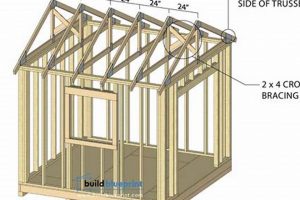
The framing inspection occurs after the framing of the garden structure is complete but before it is enclosed with sheathing or siding. This inspection assesses the structural integrity of the framing, including the proper sizing and spacing of studs, joists, and rafters. The inspector verifies that all connections are made according to code, using appropriate fasteners and techniques. Issues such as inadequate bracing, improper load-bearing support, or non-compliant fire blocking are identified and addressed at this stage. Approval of the framing inspection is essential to ensure the safety and stability of the structure.
- Electrical Inspection
If the garden structure includes electrical wiring for lighting or power outlets, an electrical inspection is required. This inspection verifies that the wiring is installed according to the National Electrical Code (NEC) and local electrical codes. The inspector examines the wiring methods, grounding techniques, and proper installation of outlets, switches, and fixtures. Issues such as exposed wiring, improper grounding, or overloaded circuits are identified and corrected during this inspection. A successful electrical inspection is critical to prevent electrical hazards and ensure the safe operation of electrical systems within the garden structure.
- Final Inspection
The final inspection is conducted upon completion of all construction activities. This inspection ensures that the garden structure is built in accordance with the approved plans and meets all applicable building codes and safety standards. The inspector reviews all aspects of the structure, including the foundation, framing, electrical systems, and exterior finishes. Any remaining discrepancies or deficiencies must be addressed before the structure can be deemed compliant and a certificate of occupancy (if required) is issued. Successful completion of the final inspection signifies that the garden structure is safe and ready for its intended use.
The systematic execution of inspection protocols guarantees that a garden structure fulfills all necessary requirements, effectively safeguarding property values and upholding communal safety standards. Each inspection, from foundation to final approval, serves as a critical checkpoint, guaranteeing adherence to regulations and contributing to the overall safety and integrity of the building.
Frequently Asked Questions
The following provides answers to common inquiries regarding the authorization process for constructing a garden structure. It aims to clarify requirements and address potential concerns.
Question 1: What constitutes a garden structure necessitating authorization?
A detached structure exceeding a specified size threshold, intended for storage or accessory use within a residential property, typically requires authorization. Size thresholds vary by jurisdiction and can be based on square footage, height, or a combination thereof. Structures permanently affixed to the ground generally fall under this requirement.
Question 2: What are the potential consequences of constructing a garden structure without proper authorization?
Construction without proper authorization can result in penalties, including fines, stop-work orders, and mandated demolition of the unapproved structure. Furthermore, it can impede future property transactions and create legal liabilities for the property owner.
Question 3: How long does it typically take to obtain authorization for a garden structure?
The duration of the authorization process varies depending on the complexity of the project, the completeness of the application, and the workload of the local building department. It can range from several weeks to several months. Accurate and thorough documentation expedites the review process.
Question 4: What documentation is commonly required for authorization of garden structure construction?
Typical documentation includes site plans depicting the structure’s location, detailed construction drawings showing dimensions and materials, and compliance with local zoning regulations. Specific requirements vary by jurisdiction; consulting with the local building department is advisable.
Question 5: Are there specific setback requirements for garden structures?
Yes, setback requirements mandate minimum distances between the structure and property lines, streets, and other structures. These requirements vary based on zoning regulations and the location of the property. Non-compliance with setback requirements is a common reason for application denial.
Question 6: Are there exemptions to the authorization requirements for certain types of garden structures?
Some jurisdictions offer exemptions for very small structures, often referred to as “de minimis” structures, that meet specific size and location criteria. However, even exempt structures must typically comply with basic building codes and zoning regulations. Consulting the local building department is essential to confirm eligibility for any exemptions.
Understanding these frequently asked questions is crucial for navigating the authorization process successfully. Compliance with regulations ensures the safety, legality, and long-term viability of the garden structure.
The subsequent section will provide a detailed checklist to assist in preparing for the authorization process.
Building Permit for Garden Shed
This exploration of the building permit for garden shed underscores its critical role in compliant construction. Adherence to zoning regulations, dimensional restrictions, structural integrity standards, material specifications, and inspection protocols are essential. The process, while potentially complex, is designed to ensure public safety and maintain community standards.
Securing the proper authorization is not merely a bureaucratic hurdle but a fundamental responsibility. Diligence in navigating the requirements safeguards both the property owner and the surrounding community. Ignoring this responsibility can lead to significant financial penalties and legal complications. Therefore, prospective builders are urged to prioritize compliance from the outset.