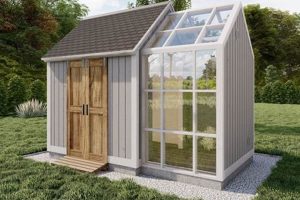
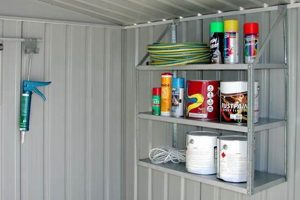
The act of expanding an existing outdoor storage structure, commonly used for gardening tools and supplies, enhances its functionality and utility. A typical instance involves increasing the footprint of the building to accommodate larger equipment or to create a dedicated workspace.
Such an undertaking can significantly improve storage capacity, protect valuable items from the elements, and provide a designated area for potting plants or undertaking small repairs. Historically, expanding these structures has been a practical solution for homeowners needing more space without the expense of building a new, separate structure.
The subsequent sections will delve into planning considerations, necessary permits, construction methods, and design options for this type of project, allowing for a well-informed approach to enhancing existing outdoor storage capabilities.
Essential Considerations for Expanding Outdoor Storage
A well-planned expansion of an outdoor storage unit can yield significant benefits. The following tips provide guidance for ensuring a successful and efficient project.
Tip 1: Assess Existing Structure. Prior to commencing any work, thoroughly inspect the current structure for rot, insect damage, or structural weaknesses. Addressing these issues before adding to the building will prevent future problems.
Tip 2: Verify Local Building Codes. Contact the local municipality to determine required permits and adherence to zoning regulations. This step is crucial to avoid fines and potential legal complications. Consider setbacks from property lines and height restrictions.
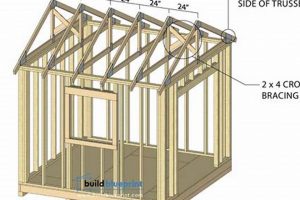
Tip 3: Develop Detailed Plans. Create comprehensive blueprints or schematics that outline the expansion’s dimensions, materials, and construction methods. Accurate plans will minimize errors and facilitate accurate cost estimations.
Tip 4: Choose Suitable Materials. Select durable, weather-resistant materials that complement the existing structure. Consider factors such as cost, maintenance requirements, and aesthetic appeal. Pressure-treated lumber is often a reliable choice for framing.
Tip 5: Ensure Proper Foundation. A solid foundation is critical for the stability and longevity of the expanded structure. Depending on the size and scope, this may involve a concrete slab, gravel base, or pier blocks. Improper foundation work can lead to settling and structural damage.
Tip 6: Plan for Adequate Ventilation. Proper ventilation prevents moisture buildup and reduces the risk of mold and mildew. Install vents near the roofline and in the lower portions of the structure to promote airflow.
Tip 7: Consider Future Needs. When designing the expansion, anticipate future storage requirements. Adding extra space now can prevent the need for further modifications in the future.
Implementing these guidelines will contribute to a successful outdoor storage unit expansion, maximizing space and ensuring a durable and code-compliant structure. Careful planning and execution are essential for achieving long-term satisfaction.
The following sections will provide additional information on specific design considerations and finishing techniques for completing the project.
1. Structural Assessment

A comprehensive structural assessment is a prerequisite to any garden shed addition. This evaluation determines the existing structure’s capacity to bear the increased load resulting from the expanded footprint. Deficiencies in the original construction, such as compromised framing or foundation weaknesses, directly impact the feasibility and safety of the addition. For instance, if the existing shed’s foundation exhibits cracking or settling, an expansion could exacerbate these issues, leading to structural failure. The assessment identifies these vulnerabilities, allowing for appropriate remediation measures to be incorporated into the expansion plan.
The structural assessment also informs material selection and construction techniques. If the existing framing is deemed insufficient to support the additional weight, reinforcing measures, such as adding support beams or replacing weakened studs, are necessary. Similarly, the soil composition beneath the existing foundation impacts the type of foundation required for the addition. A soil test may reveal the need for deeper footings or soil stabilization to prevent differential settling between the original structure and the new addition. Ignoring these factors can result in uneven floors, wall cracks, and ultimately, structural instability.
In summary, a structural assessment acts as the foundational knowledge base for a safe and successful garden shed addition. It identifies existing weaknesses, guides material selection, and informs construction methodologies. By addressing potential structural issues proactively, homeowners can mitigate risks and ensure the longevity and stability of the expanded storage space. Failure to conduct a thorough assessment can lead to significant structural problems, rendering the addition unsafe and devaluing the property.
2. Permitting compliance

Permitting compliance represents a crucial stage in the process of a garden shed addition. It ensures adherence to local building codes and zoning regulations, safeguarding structural integrity and public safety.
- Zoning Regulations
Local zoning ordinances frequently dictate the permissible size, location, and setbacks for structures on a property. A garden shed addition must comply with these regulations. For instance, a shed exceeding a certain square footage may be subject to specific setback requirements from property lines, impacting the potential size and placement of the addition. Failure to comply can result in fines, legal action, or even the forced removal of the non-compliant structure.
- Building Codes
Building codes outline the minimum safety standards for construction, encompassing structural integrity, electrical wiring, and fire safety. A garden shed addition must adhere to these codes. For example, specific framing requirements, such as the size and spacing of studs, may be mandated to ensure the structural stability of the addition. Similarly, if the addition includes electrical wiring, it must be installed by a qualified electrician and inspected to comply with electrical codes, preventing fire hazards. Non-compliance can lead to structural weaknesses, electrical hazards, and legal liabilities.
- Permit Acquisition Process
The process of obtaining the necessary permits typically involves submitting detailed plans and specifications to the local building department. This documentation provides the building officials with the information needed to verify compliance with zoning and building codes. The review process may involve multiple stages and inspections. For example, a building inspector may conduct an initial inspection of the site before construction begins, followed by inspections during various phases of the construction process, such as after the foundation is poured and after the framing is completed. Successful completion of all required inspections is essential for obtaining a certificate of occupancy, which signifies that the addition is safe and compliant.
- Environmental Regulations
Certain areas may have environmental regulations that impact a garden shed addition. These regulations could address issues such as stormwater runoff, wetland protection, or tree preservation. For instance, if the addition is located near a wetland area, permits may be required to ensure that construction activities do not negatively impact the ecosystem. Similarly, local ordinances may protect certain trees on a property, requiring homeowners to obtain permits before removing or trimming them. Non-compliance with environmental regulations can result in fines and remediation requirements.
Ultimately, adhering to permitting compliance is a crucial responsibility for any project involving a garden shed addition. It ensures the safety and legality of the structure while safeguarding the community and environment. Neglecting this phase can result in significant complications and expenses, underscoring the need for thorough planning and adherence to regulatory requirements.
3. Foundation Integrity

Foundation integrity is paramount for a successful garden shed addition. The existing foundation serves as the base upon which the added structure rests. Its stability directly influences the longevity and structural soundness of the expanded shed. Any pre-existing weaknesses or inadequacies in the foundation are amplified when additional weight and stress are imposed by the new construction. For example, a foundation exhibiting cracks or signs of settling will likely experience accelerated deterioration following an addition, potentially leading to wall cracks, door misalignment, and, in severe cases, structural collapse.
The type of foundation required for the addition is contingent on soil conditions, local climate, and the overall size and weight of the expanded shed. Insufficient or improperly constructed foundations can lead to differential settling between the original structure and the addition. This disparity creates stress points, resulting in structural damage over time. Consider a situation where the original shed rests on a concrete slab while the addition is supported by gravel footings. The differing rates of settling between these foundation types can cause significant structural issues. A uniform and appropriately engineered foundation is therefore essential for preventing these problems and ensuring the stability of the entire structure.
In conclusion, foundation integrity is an indispensable component of any garden shed addition project. A thorough assessment of the existing foundation and the implementation of appropriate reinforcement measures are critical for ensuring the long-term stability and functionality of the expanded shed. Neglecting foundation integrity introduces significant risks, potentially compromising the entire structure and incurring substantial repair costs. A stable and well-engineered foundation provides the necessary support for a durable and reliable garden shed addition.
4. Material Selection
The selection of materials directly impacts the longevity, aesthetics, and functionality of any garden shed addition. This process extends beyond mere aesthetic preferences, requiring a comprehensive understanding of structural integrity, environmental resistance, and cost-effectiveness. Inadequate material selection can lead to premature deterioration, increased maintenance, and potential structural failure, effectively negating the benefits of the addition. For example, using non-treated lumber in areas prone to moisture exposure will inevitably result in rot, compromising the structural integrity of the addition and necessitating costly repairs. Conversely, employing durable, weather-resistant materials, even at a higher initial cost, can significantly extend the lifespan of the structure and minimize long-term maintenance expenses.
Practical application of material selection principles involves considering various factors specific to the location and intended use of the garden shed addition. Climatic conditions, such as extreme temperatures, high humidity, or heavy snowfall, dictate the need for materials that can withstand these environmental stressors. For instance, in coastal regions with high salt content in the air, corrosion-resistant fasteners and siding materials are essential to prevent premature rusting and degradation. Similarly, the intended use of the shed, whether for simple storage or a more elaborate workshop space, influences the choice of flooring materials and insulation. A workshop environment may benefit from a concrete floor for durability and ease of cleaning, while a storage shed may suffice with a simple gravel base. Careful consideration of these factors allows for the optimization of material selection, ensuring that the addition meets the specific needs and demands of its intended purpose.
In conclusion, material selection constitutes a crucial element in the planning and execution of a garden shed addition. By prioritizing durability, weather resistance, and suitability to the intended use, homeowners can ensure that the addition provides long-term value and functionality. Challenges often arise in balancing cost considerations with the need for high-quality materials. However, a thorough assessment of potential risks and long-term benefits, coupled with informed decision-making, enables the successful navigation of these challenges. A well-executed material selection strategy contributes significantly to the overall success and longevity of the garden shed addition, enhancing both its practicality and aesthetic appeal.
5. Design Integration

Design integration, when applied to a garden shed addition, refers to the seamless incorporation of the new structure with the existing shed and the surrounding landscape. Failure to achieve effective design integration can result in an aesthetically disjointed appearance, diminishing the property’s overall appeal. The objective is to create a unified visual experience where the addition appears as a natural and deliberate extension of the original structure, rather than an afterthought.
The significance of design integration extends beyond mere aesthetics. A well-integrated design can enhance the functionality of both the existing shed and the addition. For instance, aligning rooflines and window placements can optimize natural light and ventilation throughout the entire structure. Furthermore, thoughtful landscaping can soften the visual impact of the addition and create a cohesive transition between the shed and the surrounding garden. Conversely, a poorly integrated design can lead to practical problems, such as awkward access points, inadequate drainage, or obstructed views. One may observe an instance where a garden shed addition, despite being structurally sound, appears visually out of place due to mismatched siding materials and an abrupt roofline transition.
Achieving effective design integration requires careful consideration of several factors, including the existing shed’s architectural style, the surrounding landscape’s characteristics, and the desired functionality of the addition. This process may involve selecting materials that complement the original structure, replicating design elements such as window shapes and roof pitches, and incorporating landscaping features that blend the shed with its surroundings. Through careful planning and execution, design integration can transform a simple garden shed addition into a valuable asset that enhances both the functionality and aesthetic appeal of the property.
6. Accessibility planning

Accessibility planning in the context of a garden shed addition focuses on ensuring that the expanded structure is usable by individuals with a range of physical abilities. This encompasses considerations for wheelchair access, reduced mobility, and visual impairments. Neglecting accessibility planning from the outset can result in a finished structure that excludes certain users, limiting its utility and potentially requiring costly modifications later. The core principle revolves around proactive design choices that promote inclusivity.
A primary element of accessibility planning involves designing appropriate access points. Ramps, rather than steps, provide wheelchair access. The slope of the ramp must comply with accessibility standards to ensure safe and independent use. Doorways must be wide enough to accommodate wheelchairs or walkers, and door handles should be easy to grip and operate. Inside the shed, pathways should be clear and wide enough for maneuverability. Storage solutions must be designed with varying reach heights in mind. For example, frequently used items should be stored within easy reach, while items used less often can be placed higher or lower. Good lighting is essential for individuals with visual impairments, and contrasting colors can help differentiate objects and surfaces.
Effective accessibility planning in a garden shed addition increases its utility and lifespan. It avoids the need for reactive alterations, and contributes to a more inclusive environment. The application of accessibility principles transforms the expanded shed into a more functional and valuable asset for a wider range of users. Implementing these considerations is not merely about compliance, but about creating a more usable and welcoming space for everyone.
7. Ventilation needs
Effective ventilation is a critical element in the design and construction of a garden shed addition, directly impacting the longevity of the structure and the condition of its contents. Inadequate ventilation leads to moisture accumulation, creating an environment conducive to mold growth, wood rot, and corrosion of stored items. The addition, by expanding the enclosed space, exacerbates these risks if ventilation is not adequately addressed. For example, a garden shed addition lacking proper airflow may experience condensation on the interior surfaces during temperature fluctuations, particularly in humid climates. This moisture can then seep into wooden structures, accelerating decay, and damage tools or equipment stored within.
Addressing ventilation needs involves several practical considerations. The installation of vents, strategically placed to promote cross-ventilation, is essential. Gable vents, soffit vents, and ridge vents are common options, each contributing to airflow and moisture removal. The size and number of vents should be proportional to the shed’s overall volume. Consideration must also be given to the types of materials stored within the shed. Organic materials, such as potting soil and fertilizer, can release moisture into the air, increasing the demand for effective ventilation. In some cases, mechanical ventilation, such as a small exhaust fan, may be necessary to supplement natural airflow. Proper design and implementation ensure a dry and stable environment, extending the life of both the structure and its contents.
In summary, the significance of ventilation needs in a garden shed addition cannot be overstated. It directly influences structural integrity and the preservation of stored items. The absence of adequate ventilation creates a cascade of negative consequences, ranging from mold growth to structural decay. By prioritizing ventilation during the planning and construction phases, homeowners can mitigate these risks and ensure a durable, functional, and healthy storage space. Effective ventilation represents a fundamental aspect of responsible shed design, contributing to long-term value and usability.
Frequently Asked Questions
This section addresses common inquiries regarding the process of expanding an existing outdoor storage structure. The information provided aims to clarify key aspects and considerations for a successful project.
Question 1: Is a building permit always required for a garden shed addition?
Permit requirements vary based on local regulations, size of the addition, and location. Contacting the local building department is essential to determine specific requirements for the project.
Question 2: What factors influence the cost of a garden shed addition?
Cost drivers include the size of the addition, materials selected, foundation requirements, and labor expenses. Detailed planning and accurate estimations are critical for budget management.
Question 3: How should the existing shed’s structural integrity be assessed prior to an addition?
A professional inspection is recommended to evaluate the foundation, framing, and roofing for any signs of deterioration. Addressing existing structural issues is essential before proceeding.
Question 4: What are the key considerations for selecting appropriate building materials?
Material selection should prioritize durability, weather resistance, and compatibility with the existing shed. Consider factors such as climate, pest resistance, and maintenance requirements.
Question 5: How can the design of a garden shed addition be integrated seamlessly with the existing structure?
Design integration involves matching architectural styles, materials, and rooflines. Attention to detail ensures a cohesive and aesthetically pleasing result.
Question 6: What steps should be taken to ensure proper ventilation in a garden shed addition?
Adequate ventilation is crucial to prevent moisture buildup and mold growth. Install vents strategically to promote airflow and consider a vapor barrier for added protection.
Understanding these frequently asked questions is paramount for informed decision-making and successful execution of a garden shed addition project.
The subsequent article sections will delve into practical construction techniques and long-term maintenance strategies for a garden shed addition.
Garden Shed Addition
This article has systematically explored the critical facets of a garden shed addition, emphasizing structural assessment, permitting compliance, foundation integrity, material selection, design integration, accessibility planning, and ventilation needs. Each element contributes significantly to the overall success and longevity of the project. Comprehensive planning and meticulous execution are essential for realizing the full potential of the expanded structure. It is paramount to prioritize adherence to building codes, the selection of appropriate materials, and the consideration of user accessibility to ensure both structural soundness and long-term utility.
The expansion of a garden storage structure represents a substantial undertaking, demanding careful deliberation and informed decision-making. Prioritizing these key aspects will yield a functional and durable space that effectively meets storage requirements and enhances property value. By embracing these principles, individuals can ensure a successful project that provides lasting benefits and contributes to a more organized and efficient outdoor environment.