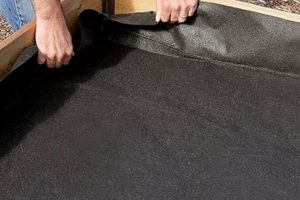
A plant cultivation structure constructed from permeable textile material, typically non-woven geotextile, that forms an elevated enclosure for soil and plants. These structures provide an alternative to traditional in-ground gardening and rigid-frame raised beds. For instance, tomatoes, herbs, and vegetables can be grown successfully within these flexible containers, whether on patios, balconies, or directly on the ground.
The utilization of these flexible planting containers offers several advantages. They facilitate improved drainage and aeration compared to conventional garden plots, contributing to healthier root systems. The permeable nature of the material allows for air pruning of roots, stimulating lateral root growth and preventing plants from becoming root-bound. Furthermore, the lightweight and portable nature of these planters provides flexibility in garden design and relocation. Historically, the concept of elevated planting has been employed to improve soil conditions and accessibility, with the current iteration offering a modern, adaptable solution for diverse growing environments.
The following sections will delve into the specific materials used in construction, optimal soil mixes for various plant types, watering and fertilization techniques, and considerations for climate and location when implementing this gardening method. Further discussion will also address maintenance, pest control strategies, and the overall lifespan and environmental impact of the structures.
Practical Guidance for Utilizing Textile-Based Elevated Gardens
The following provides practical guidance to maximize the effectiveness and longevity of textile-based elevated garden systems.
Tip 1: Soil Selection is Paramount: Employ a well-draining potting mix specifically formulated for raised beds. A blend of compost, peat moss or coco coir, and perlite or vermiculite will provide adequate drainage and nutrient retention. Avoid using heavy garden soil, as it can compact and impede root development within the confines of the container.
Tip 2: Optimize Watering Practices: The permeable nature of the textile material necessitates more frequent watering compared to traditional garden beds. Monitor soil moisture levels regularly and water deeply when the top inch of soil feels dry to the touch. Consider drip irrigation or soaker hoses to deliver water directly to the root zone, minimizing water loss through evaporation.
Tip 3: Strategic Placement Enhances Growth: Position the textile-based elevated garden in a location that receives adequate sunlight based on the specific needs of the plants being cultivated. Ensure the placement also considers drainage and accessibility for maintenance. Rotating the container periodically can promote even growth and prevent shading issues.
Tip 4: Reinforce Structure for Stability: For larger textile-based elevated gardens, consider reinforcing the structure with external supports to prevent bulging or collapse. Wooden stakes, metal frames, or even strategically placed rocks can provide additional stability, particularly when the container is filled with heavy soil.
Tip 5: Implement Proper Drainage Management: While the textile material inherently provides drainage, it is crucial to prevent waterlogging at the base of the container. Elevate the structure slightly off the ground using bricks, pallets, or a gravel bed to facilitate drainage and prevent root rot.
Tip 6: Address Potential Pest Issues Proactively: Regularly inspect plants for signs of pests or diseases. Employ organic pest control methods, such as introducing beneficial insects or applying neem oil, to minimize damage. The confined nature of the container allows for easier monitoring and treatment of potential problems.
These measures contribute significantly to the success and sustainability of gardening practices utilizing textile-based elevated structures.
Application of the preceding information will aid in informed decision-making and facilitate effective utilization of this gardening method.
1. Material Permeability

Material permeability is a foundational characteristic directly impacting the functionality and success of fabric raised garden beds. The inherent permeability of the fabric, typically a non-woven geotextile, allows for the passage of both water and air through the container walls. This directly influences soil drainage, preventing waterlogging and promoting healthy root development. Impermeable containers often lead to anaerobic conditions detrimental to root function; the fabric alternative mitigates this risk. An example of this advantage can be observed in regions with heavy rainfall, where traditional containers require additional drainage measures to avoid root rot, whereas fabric alternatives inherently manage excess moisture.
The permeability of the fabric also facilitates air pruning. As roots extend towards the container walls, the exposure to air causes the root tips to dehydrate and cease growth. This stimulates the plant to produce more lateral roots within the soil mass, creating a denser, more efficient root system. This process contrasts sharply with the root circling often observed in impermeable containers, where roots become constricted and less effective at nutrient uptake. Furthermore, the improved aeration provided by the permeable fabric contributes to a healthier soil microbiome, fostering beneficial microbial activity that enhances nutrient cycling and availability to plants.
In summary, material permeability constitutes a critical factor in the performance of fabric raised garden beds. Its influence on drainage, aeration, and root development directly impacts plant vigor and overall yield. While the choice of fabric material dictates the degree of permeability, understanding and leveraging this characteristic is essential for maximizing the benefits of this gardening method. Challenges remain in selecting fabrics with optimal permeability for various soil types and climatic conditions, highlighting the ongoing need for research and refinement in material science for horticultural applications.
2. Soil Composition

Soil composition within a fabric raised garden bed represents a critical determinant of plant health and overall productivity. Unlike in-ground gardening, where plants can access a potentially diverse and extensive soil profile, the limited volume within the textile container necessitates a carefully formulated soil mix to provide essential nutrients, drainage, and aeration.
- Nutrient Availability
The soil mix must contain a balance of macronutrients (nitrogen, phosphorus, potassium) and micronutrients (iron, manganese, zinc, etc.) required for optimal plant growth. These nutrients can be supplied through the incorporation of compost, well-rotted manure, or slow-release organic fertilizers. For example, a tomato plant requires higher levels of phosphorus and potassium for fruit production, necessitating a soil mix tailored to these demands. Deficiency in any essential nutrient will manifest in stunted growth or specific visual symptoms.
- Drainage and Aeration
The soil composition must facilitate adequate drainage to prevent waterlogging and root rot, conditions particularly problematic within the confined space of a textile container. Simultaneously, the mix must provide sufficient aeration to allow roots to respire and absorb nutrients effectively. This balance is often achieved by incorporating coarse materials such as perlite, vermiculite, or coarse sand into the soil mix. A heavy clay-based soil, for instance, would be unsuitable due to its poor drainage and aeration characteristics, potentially leading to anaerobic conditions and root death.
- Water Retention
The soil’s capacity to retain water is crucial, given the potentially faster drainage rates inherent in fabric containers compared to traditional garden beds. Organic matter, such as compost or peat moss, significantly enhances water retention, allowing plants to access moisture between watering intervals. Conversely, a soil mix consisting solely of sand would drain too rapidly, requiring excessively frequent irrigation to prevent drought stress. The balance between drainage and water retention is paramount for sustained plant health.
- pH Level
The soil pH influences the availability of nutrients to plants. Most plants thrive in a slightly acidic to neutral pH range (6.0-7.0). The soil pH can be adjusted through the addition of lime (to increase pH) or sulfur (to decrease pH). For example, blueberries require acidic soil (pH 4.5-5.5) for optimal growth, necessitating the incorporation of amendments such as peat moss or sulfur to lower the soil pH within the textile container. Regular soil testing is recommended to monitor and adjust pH levels as needed.
The interplay of these factorsnutrient availability, drainage, aeration, water retention, and pH leveldirectly affects the success of cultivation within fabric raised garden beds. Choosing or creating a soil mix that addresses these needs is essential for maximizing plant health, yield, and the overall longevity of the gardening system. The constraints of the containerized environment demand a more refined approach to soil composition compared to traditional in-ground gardening, emphasizing the importance of careful planning and execution.
3. Water Management
Water management is a critical aspect of utilizing fabric raised garden beds, directly influencing plant health and overall yield. The fabric material’s inherent permeability necessitates careful consideration of watering practices to maintain optimal soil moisture levels and prevent issues such as overwatering or underwatering.
- Irrigation Frequency and Volume
Due to the enhanced drainage characteristics of fabric raised garden beds, irrigation typically needs to be more frequent compared to traditional garden beds. However, the specific frequency and volume of water required depend on several factors, including the type of plants being grown, the ambient temperature, humidity, and the composition of the soil mix. Overwatering can lead to root rot and nutrient leaching, while underwatering can cause drought stress and stunted growth. Monitoring soil moisture levels regularly, using tools like moisture meters or simply checking the soil by hand, is essential for determining the appropriate watering schedule.
- Watering Techniques
The method of applying water can significantly impact its effectiveness. Directing water at the base of the plants, using a watering can or soaker hose, minimizes water loss through evaporation and ensures that water reaches the root zone efficiently. Overhead watering, on the other hand, can lead to water wastage, foliar diseases, and soil compaction. Drip irrigation systems are particularly well-suited for fabric raised garden beds, providing a slow, consistent supply of water directly to the plants’ roots, minimizing water loss and promoting even moisture distribution.
- Drainage Considerations
While the fabric material promotes drainage, it is essential to ensure that excess water can escape freely from the base of the container. Placing the fabric raised garden bed on a well-draining surface, such as gravel or bricks, prevents water from pooling beneath the container, which can lead to waterlogging and root rot. In areas with heavy rainfall, it may be necessary to elevate the container further or provide additional drainage to prevent water from accumulating around the base.
- Soil Moisture Retention
The soil mix used in a fabric raised garden bed significantly impacts its water-holding capacity. Incorporating organic matter, such as compost or peat moss, improves the soil’s ability to retain moisture, reducing the frequency of irrigation required. Mulching the surface of the soil with organic materials, such as straw or wood chips, further helps to conserve moisture by reducing evaporation and suppressing weed growth. Selecting plants that are well-suited to the local climate and soil conditions can also minimize water requirements.
Effective water management is paramount for maximizing the potential of fabric raised garden beds. A proactive approach that considers factors such as irrigation frequency, watering techniques, drainage considerations, and soil moisture retention will contribute to healthy plant growth, reduced water consumption, and a thriving garden ecosystem. Ignoring these considerations can result in plant stress, disease, and ultimately, a less productive gardening experience. This method offers a unique set of circumstances requiring specialized watering approaches.
4. Root Aeration

Root aeration, the process by which plant roots receive sufficient oxygen, is critically enhanced within a fabric raised garden bed environment. This improvement stems directly from the porous nature of the fabric material typically used in their construction. The fabric allows air to permeate the soil from all sides, not just the top surface, which is the primary means of aeration in traditional gardening scenarios. This all-around air circulation mitigates soil compaction and fosters a well-oxygenated root zone, essential for root respiration and nutrient uptake. Without adequate oxygen, roots cannot efficiently absorb water and essential minerals, leading to stunted growth and increased susceptibility to diseases. For instance, clay-heavy soils, notorious for poor aeration, can be effectively utilized within these textile containers, as the fabric provides an alternative pathway for oxygen diffusion, circumventing the limitations of the soil’s inherent structure.
The consequence of improved root aeration extends beyond basic plant survival; it actively promotes robust root systems. The airy soil environment facilitates the development of fine root hairs, which are crucial for absorbing water and nutrients. The fabric material also allows for a phenomenon known as “air pruning,” where roots that reach the fabric edge are naturally pruned by exposure to air. This air pruning stimulates the growth of lateral roots, creating a denser, more fibrous root mass within the container. Such dense root systems are more effective at nutrient acquisition, leading to healthier and more productive plants. For example, tomato plants grown in fabric beds with ample root aeration often exhibit significantly increased yields compared to those grown in compacted soils with limited oxygen availability. This illustrates the direct link between aeration and productivity.
In summary, the enhanced root aeration provided by fabric raised garden beds is a fundamental advantage, driving improved plant health and yield. This benefit arises from the material’s permeability, which facilitates air circulation and air pruning. Challenges remain in optimizing soil composition to maximize aeration benefits, particularly in varying climates and soil types. However, the clear connection between root aeration and successful plant growth within these systems underscores the importance of understanding and managing this crucial factor. The system offers a measurable impact on overall plant vigour and output.
5. Portability

The inherent portability of a fabric raised garden bed represents a significant advantage over traditional in-ground gardens and rigid raised bed structures. This feature derives from the lightweight nature of the fabric material and the absence of a fixed frame. The empty bed can be readily relocated, and even when filled with soil, the relative ease of movement allows for adjustments in garden layout or relocation to optimize sunlight exposure or protection from inclement weather. For instance, during periods of intense heat, a filled fabric bed can be moved to a shaded location to prevent heat stress on plants, a task nearly impossible with conventional garden setups.
The practical implications of this portability extend to individuals with limited mobility or those residing in rented properties. Gardening activities are made more accessible, as the raised beds can be positioned at a comfortable working height, reducing the need for bending and kneeling. Upon relocation, the beds can be easily transported, minimizing disruption to the gardening efforts. Further, portability addresses seasonal needs; tender plants can be moved indoors during frost, safeguarding them from damage. The ability to reposition allows for strategic grouping of plants based on their individual needs, optimizing space utilization and resource allocation. An example is the shifting of a bed containing sun-sensitive herbs to a shadier spot during peak sunlight hours.
In summation, the portability aspect of textile-based elevated gardens offers considerable flexibility and convenience, enabling gardening in diverse environments and catering to various needs. This attribute not only expands access to gardening but also enhances the gardener’s ability to adapt to changing environmental conditions and personal circumstances. While the size and weight of a filled bed will inevitably pose limitations, the relative ease of movement distinguishes this gardening method as a uniquely adaptable solution. This benefit makes container gardening even more appealing.
6. Space Efficiency

The attribute of space efficiency is a primary consideration for individuals with limited gardening areas, making it a significant advantage offered by the use of fabric raised garden beds. These structures facilitate intensive cultivation in constrained environments, maximizing yield per square foot compared to traditional gardening methods.
- Vertical Stacking Potential
The modular nature of fabric raised garden beds enables vertical stacking or tiered arrangements, effectively expanding the growing area without increasing the footprint. This is particularly relevant in urban environments with limited horizontal space, such as balconies or patios. For example, multiple smaller beds can be stacked upon each other to create a vertical garden, optimizing the use of available space and providing additional growing surfaces.
- Adaptable Shapes and Sizes
Fabric raised garden beds are available in a variety of shapes and sizes, allowing gardeners to select configurations that best fit their specific space constraints. This adaptability is particularly beneficial in irregularly shaped areas where rigid structures may not be suitable. Small, narrow beds can be placed along walkways or fences, while larger, square beds can be used in open areas to maximize planting density.
- Edge Optimization
The flexible nature of fabric allows for close placement against walls or other structures, minimizing wasted space around the perimeter of the garden bed. This edge optimization is particularly important in small gardens where every inch of available growing space is valuable. Rigid raised beds, on the other hand, typically require additional space around their edges for access and maintenance, reducing the overall planting area.
- Targeted Soil Volume
Fabric raised garden beds allow for precise control over the soil volume, enabling gardeners to tailor the growing environment to the specific needs of different plants. Smaller beds can be used for shallow-rooted crops such as herbs or lettuce, while larger beds can accommodate deeper-rooted plants such as tomatoes or peppers. This targeted approach maximizes space efficiency by ensuring that resources are allocated appropriately to each plant’s requirements.
These characteristics collectively contribute to the space efficiency of fabric raised garden beds, making them an ideal solution for urban gardeners, apartment dwellers, and anyone with limited outdoor space. The ability to maximize yield in a small area, combined with the adaptability and ease of use, makes these structures a valuable tool for promoting sustainable and productive gardening practices in constrained environments. Their versatility proves particularly advantageous in areas where maximizing output is critical.
Frequently Asked Questions Regarding Textile Raised Garden Beds
This section addresses common inquiries concerning the implementation, maintenance, and overall efficacy of textile raised garden beds. The following aims to provide clarity and guidance based on established horticultural practices.
Question 1: What is the typical lifespan of a textile raised garden bed?
The lifespan of a textile raised garden bed varies depending on the quality of the fabric, environmental conditions, and maintenance practices. Generally, expect a lifespan of 3 to 7 years. Exposure to prolonged sunlight, extreme temperatures, and physical abrasion can accelerate degradation. High-quality, UV-resistant geotextile fabrics tend to exhibit greater longevity.
Question 2: Can textile raised garden beds be used for all types of plants?
Textile raised garden beds are suitable for a wide range of plants, including vegetables, herbs, flowers, and small shrubs. However, extremely large or aggressive root systems may eventually outgrow the confines of the container, necessitating transplanting or alternative gardening methods. Consider the mature size and root characteristics of the plant when selecting species for textile raised garden beds.
Question 3: How does one address drainage concerns in a textile raised garden bed?
While the fabric material inherently provides drainage, ensuring proper drainage is crucial. Avoid placing the bed directly on impermeable surfaces such as concrete. Elevate the bed slightly using bricks or gravel to allow for unrestricted water flow. Incorporating well-draining soil mixes, such as those containing perlite or vermiculite, further enhances drainage capacity.
Question 4: Are textile raised garden beds susceptible to pest infestations?
Textile raised garden beds are not inherently more susceptible to pests than traditional gardens. However, the confined environment can sometimes concentrate pest populations. Regularly inspect plants for signs of infestation and implement appropriate pest control measures, such as introducing beneficial insects or applying organic pesticides. Maintaining healthy soil and plant vigor can also enhance resistance to pests and diseases.
Question 5: What are the environmental considerations associated with textile raised garden beds?
Textile raised garden beds can contribute to sustainable gardening practices by reducing the need for tilling, conserving water, and minimizing soil erosion. However, the environmental impact of the fabric material itself should be considered. Opt for fabrics made from recycled materials or those that are biodegradable when possible. Proper disposal of the fabric at the end of its lifespan is also essential to minimize environmental impact.
Question 6: How does one prepare a textile raised garden bed for winter?
Preparing a textile raised garden bed for winter involves several steps. Remove dead or decaying plant matter to prevent the spread of diseases. Add a layer of mulch to protect the soil from frost and erosion. In colder climates, consider covering the bed with a tarp or plastic sheet to provide additional insulation. Alternatively, empty the bed and store the fabric container indoors to prolong its lifespan.
These answers provide a foundational understanding of commonly encountered issues related to textile raised garden beds. Further research and adaptation to specific environmental and horticultural conditions are recommended for optimal results.
The following section will delve into advanced techniques for maximizing the productivity and longevity of textile raised garden beds, including fertilization strategies and soil amendment practices.
Conclusion
This exploration has elucidated the multifaceted benefits and practical considerations associated with fabric raised garden beds. The enhanced drainage and aeration, facilitated by the permeable textile, promote healthier root development. The modularity and portability offer distinct advantages for space-constrained environments and adaptable gardening practices. Understanding soil composition, water management, and pest control remains paramount for realizing the full potential of this method.
The adoption of fabric raised garden beds represents a viable strategy for promoting sustainable and accessible horticulture. Continued research and refinement of materials and techniques will further optimize their performance and longevity. Stakeholders in both urban and rural settings are encouraged to consider the strategic implementation of this gardening method to enhance food security, promote environmental stewardship, and foster community engagement.