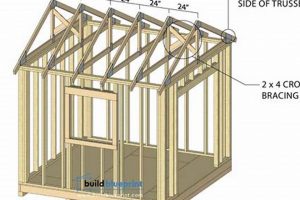
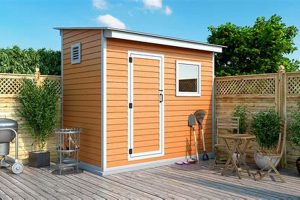
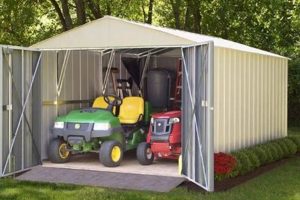
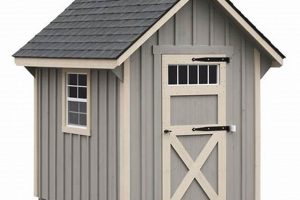
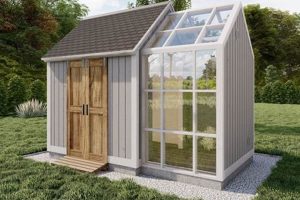
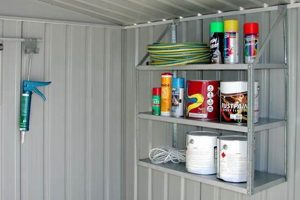
This hybrid structure combines the environmental control capabilities of a greenhouse with the storage and workspace functionalities of a garden shed. It provides a dedicated space for nurturing plants while simultaneously offering storage for tools, equipment, and other gardening necessities, consolidating two crucial functions into a single unit. For instance, tender seedlings can thrive within its protected environment while potting soil and hand tools remain conveniently accessible nearby.
The integration of these features yields numerous advantages. It optimizes space utilization, particularly in areas with limited square footage. The controlled environment enhances plant growth and extends the growing season, while the storage component ensures organization and protection of valuable gardening assets. Historically, these structures evolved to address the need for both plant cultivation and secure storage in varied climates and garden sizes, demonstrating a practical solution for efficient gardening practices.
The subsequent discussion will delve into the specific design considerations, material choices, environmental control strategies, and organizational techniques relevant to maximizing the efficacy of this combined structure, enabling effective plant propagation and streamlined gardening operations.
Optimizing the Integrated Structure
The following guidelines are provided to maximize the utility and efficiency of the combined structure, ensuring optimal plant growth and streamlined garden management.
Tip 1: Site Selection. Careful consideration must be given to the location. Adequate sunlight exposure is paramount for plant growth; therefore, a south-facing orientation is generally preferable. Simultaneously, proximity to utilities, such as water and electricity, facilitates irrigation and climate control.
Tip 2: Material Selection. Durability and insulation are key factors. Opt for weather-resistant materials such as treated lumber or composite materials for the shed component and UV-resistant polycarbonate or glass for the greenhouse section. This ensures structural integrity and optimal light transmission.
Tip 3: Environmental Control. Maintaining a stable internal environment is crucial. Install ventilation systems, such as roof vents or automated louvers, to regulate temperature and humidity. Consider incorporating heating and cooling systems for year-round climate control.
Tip 4: Internal Organization. Implement efficient storage solutions to maximize space utilization. Utilize shelving, hooks, and vertical storage systems to organize tools, supplies, and equipment. This promotes a tidy and accessible workspace.
Tip 5: Water Management. Establish an effective irrigation system to ensure adequate plant hydration. Drip irrigation or soaker hoses minimize water waste and deliver moisture directly to the roots. Consider incorporating rainwater harvesting for sustainable water management.
Tip 6: Pest and Disease Control. Implement preventative measures to minimize pest and disease infestations. Maintain good hygiene practices, such as removing dead foliage and sterilizing tools. Consider using organic pest control methods to protect plants and the environment.
Tip 7: Foundation Integrity. A solid foundation is critical for structural stability. Depending on the soil conditions, a concrete slab, gravel base, or treated wood foundation may be appropriate. Ensure proper drainage to prevent water damage and ground shifting.
Adhering to these principles ensures a functional, productive, and sustainable environment, effectively integrating plant cultivation and storage capabilities. Implementing these strategies will contribute to a more efficient and rewarding gardening experience.
The following sections will explore advanced design elements and sustainable practices that further enhance the capabilities of the integrated structure.
1. Structure integration
Structure integration, within the context of a greenhouse and garden shed combination, represents a critical engineering and design challenge. It involves harmonizing two distinct functional spaces one dedicated to controlled-environment plant cultivation, the other to the storage of tools and materials into a cohesive and efficient unit. The success of this integration directly impacts the usability, longevity, and overall effectiveness of the combined structure.
- Load Distribution and Support
One primary facet involves ensuring proper load distribution across the entire structure. The greenhouse portion, often constructed with lightweight glazing materials, requires different support considerations compared to the shed section, which may house heavier tools and equipment. Integrating these differing load requirements necessitates a unified structural design that prevents stress points and ensures stability over time. Failure to adequately address load distribution can lead to structural failures, such as sagging roofs or compromised walls.
- Environmental Separation and Control
Another crucial aspect of structural integration is managing the environmental conditions within each section. While the greenhouse demands high light transmission and effective ventilation, the shed area requires protection from excessive moisture and temperature fluctuations. The design must incorporate measures to minimize the transfer of humidity and temperature between the two zones, preventing damage to stored materials and maintaining optimal growing conditions. An example of effective integration would be the incorporation of an insulated, airtight partition wall with a sealable access door.
- Material Compatibility and Weather Resistance
Selecting compatible building materials is essential for long-term structural integrity. The materials used for the greenhouse and shed components must be able to withstand similar environmental stresses, such as wind, rain, and UV exposure. Furthermore, connections between dissimilar materials (e.g., wood and glass, or metal and plastic) must be carefully designed to prevent corrosion, expansion/contraction issues, and other forms of material degradation. An integrated design will carefully consider material properties and interactions to ensure a unified lifespan.
- Access and Workflow Optimization
Effective structural integration also optimizes accessibility and workflow within the combined space. The placement of doors, pathways, and storage areas should facilitate efficient movement and prevent interference between the greenhouse and shed functions. For example, a design might incorporate a shared entrance with separate internal access points for the greenhouse and shed sections, minimizing disruptions and maximizing usability. Thoughtful design considerations around access will streamline gardening tasks and improve overall user experience.
In summary, structure integration, in the context of the combined greenhouse and garden shed, is not simply about attaching two separate units. It requires a holistic approach to design and construction that considers load distribution, environmental separation, material compatibility, and workflow optimization. These integrated considerations are critical for achieving a durable, efficient, and user-friendly structure that effectively supports both plant cultivation and tool storage.
2. Environmental control

Environmental control is a critical determinant of success within combined greenhouse and garden shed structures. The ability to precisely regulate internal conditions directly impacts plant health, productivity, and the longevity of stored equipment and materials. Efficient environmental management requires a multifaceted approach, encompassing temperature regulation, humidity control, ventilation, and light management.
- Temperature Management
Maintaining optimal temperature ranges is paramount for plant growth. This involves both heating during colder periods and cooling during warmer months. Heating systems can range from passive solar designs to active systems like propane heaters or electric heat mats. Cooling strategies include ventilation, shading, and evaporative coolers. Precise temperature control prevents temperature shock, promotes consistent growth rates, and minimizes the risk of disease. An example is the use of thermostatically controlled ventilation fans to exhaust excess heat during the day, maintaining consistent internal temperatures.
- Humidity Regulation
Controlling humidity levels is crucial for preventing fungal diseases and optimizing plant transpiration. Excessive humidity fosters the growth of mold and mildew, while insufficient humidity can lead to dehydration and stunted growth. Ventilation plays a key role in regulating humidity, as does the strategic use of humidifiers or dehumidifiers. An example is the use of a humidity sensor linked to an automated ventilation system, which increases airflow when humidity levels exceed a set threshold.
- Ventilation Strategies
Adequate ventilation is essential for air circulation, temperature regulation, and humidity control. Ventilation systems can range from passive vents to active fans. The design should ensure sufficient airflow to prevent stagnant air pockets and maintain consistent environmental conditions throughout the structure. Cross-ventilation, where air enters through one vent and exits through another, is an effective strategy. An example is the use of roof vents in conjunction with low-level side vents to facilitate natural convection and air exchange.
- Light Management Techniques
Optimizing light exposure is critical for photosynthesis and plant development. This can involve maximizing natural light penetration through the use of transparent glazing materials or supplementing natural light with artificial grow lights. Shading systems, such as shade cloth or whitewash, can be used to reduce excessive light intensity during peak hours. An example is the implementation of automated shade cloth that deploys during midday to prevent leaf scorch and retracts during the evening to maximize light exposure.
The effective integration of these environmental control strategies is vital for maximizing the benefits of a combined greenhouse and garden shed. Precise regulation of temperature, humidity, ventilation, and light promotes optimal plant growth, minimizes the risk of pest and disease outbreaks, and extends the growing season. This integrated approach ultimately enhances the efficiency and productivity of the gardening operation.
3. Material Durability

Material durability is a central consideration in the design and construction of a combined greenhouse and garden shed. The extended lifespan and operational efficiency of such a structure are directly contingent upon the materials selected, their resistance to environmental degradation, and their capacity to withstand physical stress. Failure to prioritize durable materials results in increased maintenance costs, compromised structural integrity, and a shortened operational lifespan.
- Frame Composition and Longevity
The structural frame of the greenhouse and shed constitutes the foundation of its durability. Materials commonly employed include treated lumber, steel, and aluminum. Treated lumber offers cost-effectiveness but is susceptible to rot and insect infestation without proper maintenance. Steel provides superior strength but requires corrosion protection. Aluminum is lightweight and resistant to rust but may be more expensive. The selection of the frame material directly impacts the overall lifespan of the structure and its ability to withstand wind loads, snow accumulation, and seismic activity. Improper selection can lead to premature structural failure, requiring costly repairs or replacement.
- Glazing Material and Weather Resistance
For the greenhouse component, the choice of glazing material is paramount. Glass offers excellent light transmission but is fragile and susceptible to breakage. Polycarbonate is more impact-resistant but can degrade over time with prolonged UV exposure. Polyethylene film is a cost-effective option but has a limited lifespan and requires frequent replacement. The glazing material must withstand hail, wind, and extreme temperature fluctuations without compromising light transmission or structural integrity. Selecting a glazing material unsuited to the local climate will result in decreased plant productivity and increased maintenance demands.
- Cladding and Protection Against the Elements
The shed portion typically utilizes cladding materials such as wood siding, metal panels, or composite materials. Wood siding requires regular painting or staining to prevent rot and insect damage. Metal panels are durable and low-maintenance but can be susceptible to corrosion in coastal environments. Composite materials offer a balance of durability and aesthetic appeal. The cladding material must provide protection against rain, wind, and sunlight, preventing moisture intrusion and preserving the structural integrity of the shed. Insufficient weather protection will accelerate material degradation and compromise the storage capabilities of the shed.
- Fasteners and Connection Integrity
The durability of the greenhouse and shed is also dependent on the quality of the fasteners used to join the various components. Corrosion-resistant screws, bolts, and nails are essential for maintaining structural integrity over time. Improper fastener selection can lead to joint failures, weakening the structure and compromising its ability to withstand environmental stresses. For instance, using standard steel nails in treated lumber can lead to rapid corrosion and joint separation.
The selection of durable materials, coupled with proper construction techniques, is a critical investment in the long-term viability of a combined greenhouse and garden shed. By prioritizing materials that can withstand the rigors of the environment, users can minimize maintenance requirements, maximize the lifespan of the structure, and ensure its continued functionality for both plant cultivation and tool storage. The initial investment in durable materials will ultimately yield significant cost savings and enhanced performance over the lifespan of the structure.
4. Space optimization

Space optimization is paramount in the design and utilization of combined greenhouse and garden shed structures. The efficient allocation and utilization of available square footage directly impact functionality, productivity, and overall user experience. Constraints imposed by limited space necessitate strategic planning and innovative solutions to maximize the potential of the integrated structure.
- Vertical Stacking Systems
Vertical stacking systems, such as tiered shelving and hanging planters, significantly increase the growing area within the greenhouse component without expanding the footprint. These systems enable the cultivation of a greater variety and quantity of plants within a confined space. An example includes the use of multi-tiered hydroponic systems for cultivating herbs and vegetables, maximizing yield in a limited area.
- Multifunctional Furniture and Storage Solutions
Integrating multifunctional furniture and storage solutions within both the greenhouse and shed sections enhances space utilization. Folding workbenches, storage benches with built-in seating, and wall-mounted tool organizers allow for flexible use of the available space. These solutions provide efficient storage and workspace options while minimizing clutter. An example includes a potting bench that folds flat against the wall when not in use, freeing up floor space for other activities.
- Efficient Aisle and Pathway Design
Careful consideration of aisle and pathway design optimizes movement and accessibility within the combined structure. Narrow aisles, strategic placement of doorways, and avoidance of unnecessary obstructions maximize the usable growing and storage area. A well-planned layout minimizes wasted space and improves workflow efficiency. An example includes arranging plant benches along the perimeter of the greenhouse with a central, narrow aisle for access, maximizing the growing area while maintaining accessibility.
- Integrated Storage Lofts and Overhead Racks
Utilizing vertical space for storage lofts and overhead racks within the shed component provides additional storage capacity without consuming valuable floor space. These solutions are ideal for storing bulky items, seasonal equipment, and excess supplies. An example includes installing an overhead rack system for storing long-handled tools, freeing up floor space for a workbench or other activities.
The successful implementation of space optimization strategies transforms a limited area into a highly functional and productive environment. These design considerations not only maximize the usable square footage but also enhance organization, accessibility, and overall efficiency within the combined greenhouse and garden shed structure, ultimately contributing to a more rewarding and sustainable gardening experience.
5. Accessibility
Accessibility, in the context of a combined greenhouse and garden shed, refers to the ease with which individuals, regardless of their physical abilities, can access and utilize the structure and its contents. This consideration extends beyond simple entry and exit, encompassing the design of internal layouts, storage solutions, and operational mechanisms. Prioritizing accessibility ensures that the benefits of gardening and storage are available to a wider range of users.
- Ramp Access and Threshold Management
The presence of steps or elevated thresholds can present a significant barrier to individuals with mobility limitations. Implementing ramp access, compliant with relevant building codes, and minimizing threshold heights are crucial for facilitating entry and exit. Ramps should adhere to appropriate slope gradients to ensure safe and independent access. Failure to address these barriers effectively excludes individuals using wheelchairs, walkers, or other mobility aids from accessing the structure. The absence of a ramp negates use for those with mobility restrictions.
- Pathway Width and Maneuvering Space
Internal pathways and aisles within the greenhouse and shed must be of sufficient width to accommodate wheelchairs, walkers, and other assistive devices. Clear turning radiuses should be provided to allow for comfortable maneuvering. Obstructions, such as protruding shelving or tools, should be avoided. Constricted pathways impede movement and create potential safety hazards. For instance, narrow aisles prohibit wheelchair navigation.
- Adjustable Work Surfaces and Storage Solutions
Work surfaces, such as potting benches and worktables, should be height-adjustable to accommodate users with varying physical capabilities. Storage solutions should be designed with accessibility in mind, incorporating pull-out shelves, easily reachable storage containers, and ergonomic handles. Elevated or overly deep storage compartments can pose difficulties for individuals with limited reach or strength. Examples: Height-adjustable workbenches allow comfortable potting for all. Readily reachable, pull-out drawers increase convenience for the user.
- Lever Handles and Accessible Controls
Door handles, faucet controls, and other operational mechanisms should be equipped with lever handles or other accessible designs that require minimal grip strength or dexterity. Traditional doorknobs and small, difficult-to-manipulate controls can present challenges for individuals with arthritis or other hand impairments. Accessible controls promote independent operation and reduce reliance on assistance. Lever handles are easier to manipulate for those with limited grip.
Addressing accessibility considerations in the design and construction of a combined greenhouse and garden shed not only promotes inclusivity but also enhances usability for all users. By implementing features such as ramp access, wide pathways, adjustable work surfaces, and accessible controls, these structures can be made readily available to individuals of all abilities, fostering a more inclusive and enriching gardening experience. Failing to incorporate these design elements limits usability for some.
6. Plant Health
Plant health is inextricably linked to the design and management of a greenhouse garden shed. The controlled environment afforded by the structure has the potential to either significantly enhance or severely compromise the well-being of cultivated plants. This duality necessitates a comprehensive understanding of the causal relationship between structural elements, environmental parameters, and plant physiology. For example, inadequate ventilation within a greenhouse component can lead to elevated humidity levels, fostering the proliferation of fungal pathogens and ultimately impacting plant health negatively. Conversely, proper implementation of environmental controls, such as temperature regulation and optimized light exposure, can create conditions conducive to robust plant growth and enhanced resistance to disease.
The importance of plant health as a functional component of the hybrid structure cannot be overstated. A greenhouse garden shed inherently aims to optimize plant cultivation. Compromised plant health renders this primary objective unattainable. Real-world examples illustrate this point: a poorly insulated greenhouse structure experiences extreme temperature fluctuations, stressing plants and reducing yield; improper soil management leads to nutrient deficiencies, hindering growth; and a lack of preventative pest control measures results in infestations that decimate crops. These scenarios highlight the practical significance of understanding the critical role that plant health plays in realizing the intended benefits of the combined greenhouse and garden shed.
In summary, maintaining optimal plant health is not merely a desirable outcome but a fundamental prerequisite for the successful operation of a greenhouse garden shed. Challenges include balancing environmental control with energy efficiency, implementing sustainable pest management practices, and adapting cultivation techniques to the specific microclimate within the structure. Understanding these interconnected factors and proactively addressing potential threats to plant health are essential for maximizing the productivity and sustainability of the integrated gardening system.
7. Storage security
The security of stored items within the shed component of a greenhouse garden shed is a critical consideration, directly impacting the financial investment in tools and supplies, and indirectly affecting the overall productivity and peace of mind associated with gardening activities.
- Physical Barriers and Access Control
The primary line of defense involves robust physical barriers. Secure door construction, reinforced hinges, and a reliable locking mechanism are essential. High-quality padlocks or integrated locking systems that resist tampering and forced entry deter unauthorized access. Examples include using hardened steel padlocks with shrouded shackles, installing strike plate reinforcers, and implementing window coverings or security film. Failure to implement these measures renders the shed vulnerable to theft and vandalism.
- Environmental Protection and Material Preservation
Storage security extends beyond preventing theft to encompass protecting stored items from environmental damage. A weather-tight structure with a properly sealed roof, walls, and floor is crucial for preventing moisture intrusion, which can lead to rust, corrosion, and mold growth. Temperature fluctuations and exposure to direct sunlight can also degrade certain materials. Implementations include proper insulation, dehumidification strategies, and UV-resistant storage containers. Improper environment control can lead to the degradation of supplies.
- Inventory Management and Organization
A well-organized storage space enhances security by facilitating inventory management and enabling quicker identification of missing items. Implementing a system for cataloging and labeling tools, supplies, and equipment allows for regular audits and reduces the likelihood of undetected theft. Efficient organization also minimizes clutter, preventing accidental damage and improving accessibility. Proper cataloging enhances inventory monitoring, and reduces risk of stolen goods.
- Location and Visibility Considerations
The placement of the greenhouse garden shed can influence its security. Locating the structure in a well-lit area and within sight of the main residence deters potential intruders. Avoiding secluded or obscured locations reduces the risk of undetected criminal activity. Security lighting and strategically placed cameras can further enhance visibility and surveillance capabilities. Improper location results in the easy theft and vandalism of the facility.
These security measures, when implemented comprehensively, safeguard stored assets within the combined structure, preserving their value and ensuring their continued availability for gardening activities. The integration of robust physical security, environmental protection, efficient organization, and strategic placement creates a multi-layered defense against both theft and environmental damage, contributing to a more secure and productive gardening environment.
Frequently Asked Questions
The following addresses common inquiries regarding the design, construction, and utilization of a combined greenhouse garden shed structure. Each question aims to provide clarity and guidance on optimizing the functionality and longevity of such a system.
Question 1: What are the primary benefits of combining a greenhouse and a garden shed?
The integration offers space optimization, providing both plant cultivation and tool storage within a single structure. It facilitates extended growing seasons due to the greenhouse environment while providing convenient access to gardening implements.
Question 2: What materials are recommended for constructing a durable greenhouse garden shed?
The frame should consist of treated lumber, steel, or aluminum. Glazing materials such as polycarbonate or tempered glass are optimal for the greenhouse portion. The shed component may utilize wood siding, metal panels, or composite materials.
Question 3: How can temperature be effectively regulated within an integrated structure?
Temperature regulation is achieved through ventilation systems, including roof vents and automated louvers. Heating systems, such as propane heaters or electric heat mats, may be necessary in colder climates. Shading systems mitigate excessive heat during peak sunlight hours.
Question 4: What are the key considerations for internal organization and space utilization?
Implementing vertical stacking systems, such as tiered shelving, maximizes growing space. Multifunctional furniture, such as folding workbenches, optimizes workspace efficiency. Integrated storage lofts and overhead racks provide additional storage capacity.
Question 5: How can accessibility be improved for users with mobility limitations?
Ramp access and minimized threshold heights facilitate entry. Wide pathways and clear turning radiuses accommodate wheelchairs and walkers. Adjustable work surfaces and accessible storage solutions enhance usability for individuals with varying physical abilities.
Question 6: What security measures are recommended to protect stored items within the shed component?
Secure door construction, reinforced hinges, and reliable locking mechanisms deter unauthorized access. A weather-tight structure prevents environmental damage. Implementing inventory management and organization systems enhances accountability.
In summation, the greenhouse garden shed offers a multifaceted solution for plant cultivation and tool storage. Careful attention to materials, environmental controls, organization, accessibility, and security ensures a functional and sustainable gardening environment.
The following section will explore advanced design elements and potential innovations within the realm of integrated gardening structures.
Conclusion
The preceding exploration of the greenhouse garden shed has elucidated its potential as a multifaceted structure, capable of optimizing both plant cultivation and equipment storage. Key aspects such as structure integration, environmental control, material durability, space optimization, accessibility, plant health, and storage security have been examined, revealing the critical interplay between design, functionality, and sustainability. Successful implementation hinges upon a comprehensive understanding of these interconnected elements and a commitment to meticulous planning and execution.
As climate change and resource scarcity become increasingly pressing concerns, the integration of greenhouse and garden shed functionalities represents a pragmatic approach to sustainable gardening practices. Continued innovation in materials, design, and environmental control technologies promises to further enhance the efficiency and productivity of this hybrid structure, offering a compelling solution for both amateur and professional horticulturists seeking to maximize yields while minimizing environmental impact. The future of sustainable gardening may well be rooted in the conscientious application of the greenhouse garden shed concept.