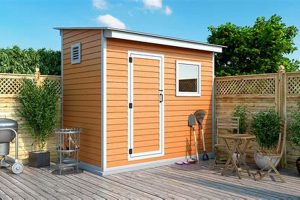
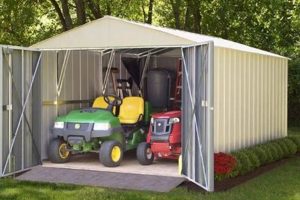
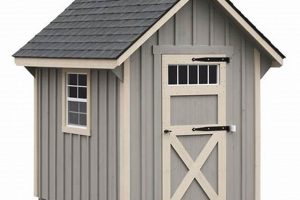
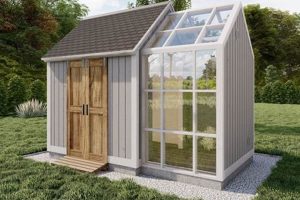
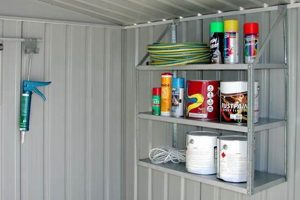
Structures intended for outdoor storage and leisure, characterized by high-quality materials, detailed craftsmanship, and aesthetic design elements, represent a premium segment within the outbuilding market. These constructions often incorporate features such as custom windows, intricate trim, and unique architectural styles, moving beyond basic functionality to become focal points within a landscape. For example, a building might include a cedar shake roof, copper gutters, and French doors, elevating it from a simple storage unit to a decorative garden feature.
The appeal of these elaborate outdoor structures lies in their ability to enhance property value, provide versatile space, and reflect individual style. Historically, similar constructions have served as status symbols, demonstrating wealth and refined taste. The present-day iterations offer not only storage for gardening tools and equipment but also potential for use as home offices, art studios, or relaxation retreats. The benefits extend beyond mere utility, contributing to increased property value and overall aesthetic appeal of outdoor spaces.
The following sections will delve into the various aspects of constructing and maintaining high-end outdoor buildings, including considerations for design, materials, functionality, and integration with existing landscapes. Understanding these factors is crucial for achieving a successful and satisfying outcome when investing in this type of outdoor structure.
Essential Considerations for Elevated Outdoor Buildings
This section outlines crucial factors to consider when planning and implementing the construction of aesthetically refined outdoor structures. Attention to these details ensures a functional, durable, and visually appealing addition to any landscape.
Tip 1: Prioritize Design Integration: The architectural style should complement the existing residence and surrounding landscape. Employ similar materials and design elements to create a cohesive aesthetic.
Tip 2: Select High-Quality Materials: Opt for durable, weather-resistant materials such as cedar, redwood, or composite siding. High-grade materials ensure longevity and minimize maintenance.
Tip 3: Plan for Functionality: Determine the intended use of the structure. Incorporate appropriate features such as shelving, workbenches, or electrical outlets to accommodate specific needs.
Tip 4: Address Foundation Requirements: A solid foundation is essential for stability and preventing moisture damage. Consider concrete slabs, gravel bases, or pier foundations depending on soil conditions and building size.
Tip 5: Consider Ventilation and Lighting: Adequate ventilation prevents moisture buildup and promotes air circulation. Natural light can be supplemented with strategically placed artificial lighting for optimal functionality and ambiance.
Tip 6: Ensure Proper Drainage: Implement effective drainage solutions, such as gutters and downspouts, to divert water away from the building’s foundation and prevent water damage.
Tip 7: Comply with Local Regulations: Research and adhere to all applicable building codes and zoning regulations. Obtain necessary permits before commencing construction to avoid legal issues.
Adherence to these guidelines contributes to the creation of a high-quality, functional, and aesthetically pleasing outdoor structure that enhances the overall property value and enjoyment of outdoor spaces.
The following sections will provide in-depth information about designs, materials, and other specific considerations for creating these outdoor spaces.
1. Aesthetics

Aesthetics constitute a critical component of high-end outdoor structures, transcending mere functionality to provide visual harmony with the surrounding environment and architectural style of the primary residence. The aesthetic considerations influence material selection, design details, and overall form, directly impacting the structure’s perceived value and its integration within the landscape. A direct correlation exists between enhanced aesthetic appeal and the increased property value, as well as a heightened sense of enjoyment for the property owner. For example, a meticulously designed structure featuring complementary colors, intricate woodwork, and harmonious proportions can significantly elevate the overall appearance of a garden, transforming a functional storage space into a focal point.
Furthermore, the aesthetic qualities of these outdoor buildings allow for the expression of individual style and preferences. Custom design elements, such as unique window shapes, decorative trim, and carefully selected hardware, contribute to a personalized aesthetic that reflects the owner’s taste. These design choices extend beyond visual appeal, enhancing the user experience. A structure designed to provide a tranquil retreat might incorporate elements of biophilic design, such as natural materials and ample natural light, promoting a sense of well-being and connection to nature. Proper aesthetic integration avoids the pitfalls of a visually jarring or incongruous structure, ensuring a seamless blend with the existing property.
In summary, aesthetics play a pivotal role in defining the value and impact of high-end outdoor buildings. By prioritizing thoughtful design, quality materials, and personalized touches, one creates a structure that is both functional and visually enriching. The challenge lies in achieving a balance between aesthetic appeal and practical considerations, ensuring the structure fulfills its intended purpose while seamlessly integrating with its surroundings. This balance allows for these structures to enhance the overall property and provide lasting value.
2. Functionality

Functionality, in the context of high-end outdoor structures, extends beyond mere storage. It encompasses the utility and adaptability of the space to meet the specific needs and preferences of the user. Careful consideration of intended use cases is paramount in maximizing the value and usability of these buildings.
- Spatial Configuration and Layout
The internal arrangement of the structure dictates its practicality. A building designed for gardening might incorporate potting benches, shelving for tools and supplies, and ample workspace for seed starting and plant care. A structure intended as a home office benefits from a layout that facilitates focused work, including designated areas for desks, storage, and potentially client meetings. Consider the placement of windows and doors to optimize natural light and ventilation, furthering its practical applications.
- Climate Control and Environmental Adaptation
Modifications to mitigate the effects of weather directly influences the usable months of the outdoor building. Installation of insulation, heating, and air conditioning systems allow year-round usability. Features such as operable windows, ventilation systems, and strategically placed shading structures mitigate overheating in warmer climates, while weatherproofing materials protect against moisture and extreme temperatures in more severe environments. This enhances the building’s functionality.
- Electrical and Plumbing Infrastructure
The integration of electrical and plumbing systems increases the versatility. Electrical wiring enables the use of lighting, power tools, and electronic devices, transforming it into a viable workspace or entertainment area. Plumbing infrastructure allows for the installation of sinks, toilets, or even outdoor showers, expanding its potential applications. The choice of these systems depends on the intended use, as their integration requires planning and adherence to local building codes.
- Accessibility and Adaptability
Designing for accessibility ensures all users can fully utilize the space. Ramps, wider doorways, and accessible hardware accommodate individuals with mobility challenges. Furthermore, incorporating modular or adaptable elements allows the structure to evolve with changing needs. Flexible shelving, movable furniture, and reconfigurable spaces enable the adaptation to various purposes, ensuring long-term usability and relevance.
The successful integration of these functional aspects results in a high-end outdoor structure that transcends simple storage. It becomes a valuable and adaptable extension of the property, enhancing both its utility and aesthetic appeal. The attention to detail in functionality ensures the structure remains a relevant and valuable asset for years to come.
3. Material Quality
Material quality is a defining characteristic of upscale outdoor structures, significantly impacting durability, aesthetic appeal, and overall value. The selection of premium materials is not merely an aesthetic choice but a fundamental investment in the longevity and performance of the structure.
- Durability and Longevity
High-quality materials, such as cedar, redwood, or durable composites, exhibit superior resistance to weathering, insect infestation, and decay. This inherent resilience minimizes the need for frequent repairs and replacements, extending the lifespan of the structure. For instance, a building constructed with pressure-treated lumber and weather-resistant siding can withstand harsh environmental conditions for decades, whereas a structure built with inferior materials may succumb to rot and structural damage within a few years.
- Aesthetic Enhancement
Premium materials contribute significantly to the visual appeal of a building. Natural wood grains, rich colors, and refined textures enhance the structure’s aesthetic qualities, creating a sense of sophistication and elegance. For example, a structure featuring handcrafted cedar shingles and copper accents exudes a level of craftsmanship and visual appeal unattainable with less expensive materials. The quality of the materials directly impacts the overall impression, making a statement of quality and refinement.
- Maintenance Requirements
The choice of materials influences the level of maintenance required to preserve the structure’s integrity and appearance. High-quality materials often require less frequent painting, staining, or sealing, reducing the ongoing maintenance burden. For example, using composite decking materials instead of wood decking eliminates the need for annual staining and sealing, simplifying maintenance. The long-term cost savings associated with reduced maintenance can offset the initial investment in superior materials.
- Structural Integrity
Premium materials provide superior structural strength and stability, ensuring the building can withstand wind loads, snow loads, and other environmental stresses. High-quality lumber, engineered wood products, and durable fasteners contribute to a robust and reliable framework. For example, using heavy-duty framing lumber and reinforced connections can enhance the structure’s resistance to high winds and seismic activity, protecting its contents and occupants.
The strategic investment in high-quality materials is crucial for achieving a premium outdoor building that provides lasting value, aesthetic appeal, and minimal maintenance. The superior properties of these materials contribute to a structure that not only enhances the property but also withstands the test of time.
4. Structural Integrity

Structural integrity is paramount in the design and construction of elaborate outdoor buildings. It determines the ability of the structure to withstand environmental stressors and maintain its form and function over time. Ensuring robust structural integrity is not merely a safety measure, but a prerequisite for preserving the investment and aesthetic value of high-end garden structures.
- Foundation Stability
The foundation forms the bedrock of structural integrity. A properly designed and constructed foundation distributes the building’s weight evenly, preventing settling, cracking, and other forms of structural damage. For example, a concrete slab foundation reinforced with steel rebar provides a stable and level base, capable of supporting heavy loads and resisting soil movement. Inadequate foundations can lead to catastrophic failures, jeopardizing the entire structure.
- Framing Strength
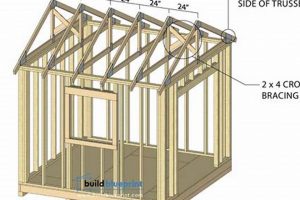
The framing provides the skeletal framework that supports the walls and roof. High-quality lumber, properly sized and spaced, is essential for creating a rigid and durable frame. For instance, using pressure-treated lumber for the framing ensures resistance to rot, insects, and moisture damage, extending the lifespan of the structure. Weak framing can lead to sagging roofs, leaning walls, and ultimately, structural collapse.
- Roofing System Integrity
The roofing system protects the structure from the elements. Durable roofing materials, such as asphalt shingles, metal roofing, or cedar shakes, must be properly installed to prevent leaks, water damage, and structural decay. For example, a properly installed metal roof with sealed seams and adequate drainage channels can withstand heavy rainfall and snow accumulation, preventing water infiltration and protecting the interior of the structure. A compromised roofing system can lead to significant water damage, compromising the structural integrity of the entire building.
- Connection Detailing
The connections between structural elements are critical for transferring loads and maintaining stability. Strong fasteners, such as bolts, screws, and nails, must be properly sized and installed to ensure secure connections. For example, using galvanized steel connectors to join framing members provides resistance to corrosion and ensures long-term structural integrity. Weak or corroded connections can lead to loosening, separation, and ultimately, structural failure.
The principles of structural integrity apply universally to all construction projects, but their importance is amplified in the context of elaborate outdoor buildings. A compromised structure not only poses a safety hazard but also detracts from the aesthetic appeal and overall value of the property. By prioritizing structural integrity through careful design, quality materials, and skilled workmanship, one can ensure that these structures remain a durable and valuable asset for years to come.
5. Location

The placement of aesthetically refined outdoor structures significantly impacts their functionality, visual integration with the landscape, and overall value. Careful consideration of location is paramount to ensure the structure fulfills its intended purpose and enhances the property’s appeal.
- Sunlight Exposure and Orientation
The orientation of the structure relative to sunlight patterns directly influences its internal environment. Structures intended for gardening or plant propagation benefit from southern exposure, providing ample sunlight for plant growth. Structures intended for use as relaxation spaces or home offices may benefit from eastern or western exposure, providing softer, indirect sunlight. Careful orientation minimizes glare and maximizes natural light while mitigating overheating during peak sunlight hours. Understanding the path of the sun across the property allows for optimal placement that aligns with the intended function of the building.
- Proximity to Existing Structures
The distance and relationship to the main residence and other structures influence accessibility and aesthetic cohesion. Structures located too close to the main residence may feel cramped or detract from privacy. Structures located too far away may be inconvenient or isolated. Maintaining a balanced proximity ensures easy access while preserving privacy and creating a harmonious flow between the structure and its surroundings. The architectural style and materials should complement the existing structures to maintain a unified aesthetic throughout the property.
- Landscape Integration and Topography
The structure should integrate seamlessly with the existing landscape, respecting the natural contours and features of the land. Placing the structure on a level surface minimizes grading and excavation, reducing construction costs and preserving the natural environment. Integrating the building with existing trees, shrubs, and other landscaping elements creates a visually appealing and harmonious composition. Avoid locations that require significant disruption to the natural landscape, as this can negatively impact the overall aesthetic and ecological balance of the property.
- Zoning Regulations and Setback Requirements
Compliance with local zoning regulations and setback requirements is crucial for ensuring legal compliance and avoiding potential conflicts with neighbors. Zoning regulations dictate the permissible size, height, and location of structures on a given property. Setback requirements specify the minimum distance between the structure and property lines, roads, and other structures. Failure to comply with these regulations can result in fines, legal action, or even the forced removal of the structure. Thoroughly researching and adhering to all applicable zoning regulations and setback requirements is essential before commencing construction.
The strategic selection of a location enhances the overall value and usability of high-end outdoor structures. By carefully considering factors such as sunlight exposure, proximity to existing structures, landscape integration, and zoning regulations, one ensures that the structure not only fulfills its intended purpose but also harmonizes with its surroundings and contributes to the overall aesthetic appeal of the property. Attention to location transforms these buildings into valuable and integrated elements of the outdoor environment.
6. Customization
Personalization represents a defining characteristic of elaborate outdoor structures, differentiating them from standard prefabricated units. The capacity to tailor various aspects of design, materials, and features allows for the creation of a unique and functional space that aligns precisely with individual needs and aesthetic preferences. This degree of personalization elevates the structure from a mere utility item to a reflection of personal style and a valuable addition to the property.
- Architectural Design Adaptations
Modifying the architectural style provides an opportunity to harmonize the structure with the existing residence or express a distinct aesthetic vision. Custom rooflines, window styles, door designs, and exterior cladding options contribute to a personalized architectural statement. For example, a client might request a Victorian-style building with intricate gingerbread trim and arched windows to complement a historic home, or a modern structure with clean lines, minimalist detailing, and sustainable materials to reflect a contemporary design sensibility. These adaptations enhance visual appeal and ensure seamless integration with the surrounding environment.
- Interior Configuration Tailoring
Adjusting the interior layout and features to suit specific functional requirements maximizes the utility and adaptability of the space. Custom shelving systems, workbenches, storage solutions, and electrical and plumbing installations contribute to a highly personalized interior environment. A client intending to use the structure as a potting shed might request custom-built potting benches with integrated sinks and ample shelving for tools and supplies. Alternatively, a client intending to use the structure as a home office might require dedicated work areas, soundproofing, and advanced electrical wiring for computer equipment. These interior configurations optimize functionality and create a comfortable and productive environment.
- Material and Finish Selections
Choosing specific materials and finishes enables the creation of a distinct aesthetic and ensures durability and longevity. Selecting premium wood species, custom paint colors, unique hardware, and specialized roofing materials contribute to a personalized and high-quality finish. A client might opt for cedar siding with a natural oil finish to enhance the wood grain and provide weather protection or select a custom-blended paint color to match the existing exterior of the main residence. These material and finish choices reflect personal taste and contribute to the overall aesthetic appeal and durability of the structure.
- Integration of Bespoke Features
Incorporating custom-designed features adds a layer of uniqueness and functionality that sets the structure apart. Custom windows, doors, lighting fixtures, and landscaping elements contribute to a personalized and high-end result. A client might request a custom stained-glass window to add a touch of artistic flair or a custom-built pergola to provide shade and create an outdoor seating area. The addition of these elements elevates the building from a standard structure to a unique and valuable asset that reflects the owner’s individual style and preferences.
The multifaceted nature of personalization significantly enhances the appeal and value of elaborate outdoor structures. By carefully tailoring the architectural design, interior configuration, material selections, and bespoke features, it becomes a reflection of personal taste and a valuable addition to the property.
Frequently Asked Questions
This section addresses common inquiries regarding the acquisition, design, and maintenance of premium outdoor structures. The information provided aims to clarify potential concerns and provide a comprehensive understanding of these specialized buildings.
Question 1: What distinguishes elaborate outdoor buildings from standard storage units?
Elaborate outdoor buildings are differentiated by their superior construction materials, sophisticated design elements, and integration with existing landscapes. Standard storage units prioritize functionality, whereas elaborate structures emphasize both aesthetics and utility.
Question 2: How does the structure enhance property value?
A well-designed and constructed building adds both functional space and visual appeal to a property. This enhancement translates into increased market value, particularly if the structure complements the existing architecture and landscaping.
Question 3: What factors influence the cost of high-end outdoor structures?
The cost is determined by several factors, including size, materials, design complexity, and site preparation requirements. Custom features and intricate detailing also contribute to the overall expense.
Question 4: Are permits required for the construction of these buildings?
Most jurisdictions require permits for the construction of any permanent structure, including outdoor buildings. Researching local building codes and obtaining the necessary permits before commencing construction is essential.
Question 5: How should maintenance practices be implemented?
Maintenance practices vary depending on the materials used in construction. Regular cleaning, painting or staining (if applicable), and inspection for damage are crucial for preserving the structure’s integrity and appearance.
Question 6: Can the structure be used for purposes other than storage?
Elaborate outdoor buildings can serve a variety of purposes, including home offices, art studios, guest houses, or relaxation retreats. The intended use should be considered during the design phase to ensure the structure meets specific needs.
In summary, investing in these outdoor buildings represents a commitment to quality, functionality, and aesthetic enhancement. Careful planning and adherence to best practices ensure a valuable and lasting addition to any property.
The next section will delve into case studies and examples of these buildings, illustrating the principles discussed in this article.
Conclusion
The preceding exploration of fancy garden sheds has elucidated their position within the landscape of outdoor structures. Key points emphasized the significance of material quality, structural integrity, aesthetic integration, functional design, strategic location, and personalized customization. These elements collectively define the value proposition of these buildings, differentiating them from utilitarian alternatives.
The decision to invest in fancy garden sheds represents a commitment to both functional utility and elevated design. The long-term value of such an investment hinges on meticulous planning, adherence to construction best practices, and a sustained focus on maintenance. Further consideration of the outlined principles will ensure the realization of a durable, aesthetically pleasing, and functionally versatile addition to any property.