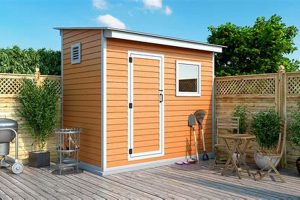
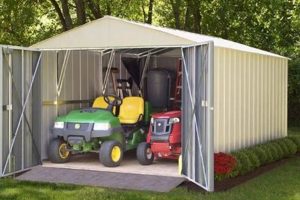
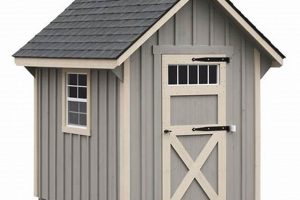
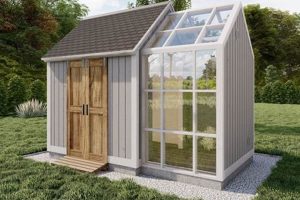
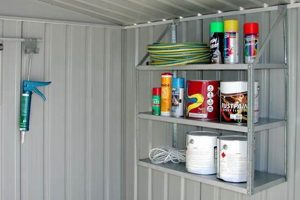
A dedicated outbuilding situated within a garden or yard area, modified and equipped to serve as a workspace for hobbies, crafts, or light manufacturing, constitutes a supplemental structure for various activities. It provides a contained environment distinct from the primary residence. For example, individuals might utilize this type of structure for woodworking, model building, or small-scale repairs.
The utilization of a garden structure as a workshop offers several advantages. It provides a separate, dedicated area, reducing disruption within the main dwelling. This segregation allows for noise containment and the containment of dust or debris associated with specific projects. Historically, these structures have offered accessible spaces for craftsmanship, evolving from simple storage solutions to tailored work environments, promoting self-sufficiency and creative pursuits.
The subsequent sections will delve into crucial elements relating to the establishment and efficient utilization of such a structure, covering aspects such as structural considerations, effective space management strategies, and the selection of appropriate tools and equipment.
Optimizing a Garden Shed Workshop
Maximizing the utility of a garden structure designated as a workspace requires careful planning and organization. The following guidelines offer insight into creating a functional and efficient environment.
Tip 1: Secure a Solid Foundation: A stable foundation is paramount for the longevity of the structure. Ensure the base is level and resistant to moisture to prevent structural issues over time. Concrete slabs or properly treated timber frames are recommended.
Tip 2: Implement Effective Ventilation: Adequate airflow is crucial for managing temperature, humidity, and the dispersal of fumes from paints or solvents. Consider installing vents or windows that can be opened to facilitate air circulation.
Tip 3: Prioritize Adequate Lighting: Sufficient illumination is essential for precision work and safety. Combine natural light sources with strategically placed artificial lighting, such as overhead fixtures and task lighting, to minimize shadows and eye strain.
Tip 4: Optimize Vertical Storage: Maximize floor space by utilizing vertical storage solutions. Shelving units, wall-mounted cabinets, and pegboards can efficiently organize tools and materials, keeping the workspace clear and accessible.
Tip 5: Establish a Dedicated Work Surface: A sturdy workbench is the centerpiece of any effective workspace. Choose a workbench that is appropriately sized for typical projects and constructed from durable materials that can withstand regular use.
Tip 6: Invest in Tool Organization: Implement a systematic approach to tool storage. Clearly label storage containers and utilize tool racks to maintain order and allow for quick retrieval. This reduces wasted time and minimizes the risk of misplaced items.
Tip 7: Consider Electrical Safety: If electrical tools will be used, ensure the structure is properly wired and equipped with sufficient outlets. Install a ground fault circuit interrupter (GFCI) outlet to protect against electrical shock.
These tips facilitate the creation of a functional and safe environment. Proper planning and organization will significantly enhance productivity and enjoyment within the designated area.
The final section will summarize the key advantages and potential applications of establishing a functional area in a garden outbuilding.
1. Space Optimization

Space optimization is a critical determinant of functionality within a garden outbuilding used as a workshop. The limited area inherent in such structures necessitates a strategic approach to layout and storage. Inadequate planning results in a cluttered environment, impeding workflow and potentially compromising safety. Conversely, effective utilization of vertical space, multi-functional furniture, and targeted storage solutions transforms a confined area into a highly efficient workspace. For example, a compact structure dedicated to model building might incorporate wall-mounted shelving for component storage and a folding workbench to maximize maneuverability.
The benefits of optimized space extend beyond mere convenience. A well-organized area reduces the time spent searching for tools or materials, enhancing productivity. Further, a clear workspace minimizes the risk of accidents by preventing obstructions and ensuring adequate room for movement. Consider the practical application: installing a pegboard system allows for the immediate visual inventory of tools, facilitating quick selection and preventing loss. Similarly, integrating a mobile tool cart enables the relocation of necessary implements to the immediate work area, reducing unnecessary steps and strain.
In conclusion, space optimization is not merely an aesthetic consideration but a foundational element for the successful transformation of a garden outbuilding into a functional workspace. Addressing this aspect proactively yields significant improvements in efficiency, safety, and overall usability. Overcoming the challenge of limited space requires innovative solutions tailored to specific needs and work habits, directly enhancing the utility and value of the area.
2. Tool Organization

Tool organization within a garden shed workshop directly impacts the efficiency, safety, and overall productivity of the workspace. The confined nature of these structures necessitates a systematic approach to tool storage and accessibility. Without proper organization, valuable time is lost searching for implements, increasing the risk of accidents and hindering project completion.
- Accessibility and Efficiency
Effective tool organization ensures that necessary implements are readily accessible, minimizing downtime and maximizing workflow efficiency. A designated location for each tool, combined with a clear labeling system, allows for rapid retrieval and storage. This contrasts sharply with haphazard storage, where tools are scattered and difficult to locate, leading to frustration and reduced productivity.
- Safety and Injury Prevention
A well-organized workshop mitigates potential safety hazards. When tools are properly stored, the risk of tripping, falling, or inadvertently coming into contact with sharp edges or blades is significantly reduced. Implementing secure storage solutions, such as wall-mounted racks or lockable cabinets, further enhances safety, particularly in environments where children or unauthorized individuals may be present.
- Tool Preservation and Longevity
Proper storage practices contribute to the preservation of tools and extend their lifespan. Protecting tools from moisture, dust, and physical damage prevents corrosion, rust, and other forms of degradation. Specialized storage solutions, such as toolboxes with moisture-absorbing desiccant packs, can safeguard sensitive instruments, ensuring optimal performance and minimizing replacement costs.
- Space Optimization and Workflow
Strategic tool organization maximizes usable space within a garden shed workshop. Vertical storage solutions, such as pegboards, shelving units, and wall-mounted organizers, free up valuable floor space and create a more functional work area. A clear and organized workspace promotes a smoother workflow, allowing for greater concentration and improved project outcomes.
The implementation of effective tool organization strategies within a garden shed workshop is not merely a matter of convenience; it is a fundamental element of creating a safe, efficient, and productive environment. The benefits extend beyond immediate convenience, contributing to the long-term preservation of tools, enhanced safety, and optimized utilization of available space. Consistent adherence to established organizational practices ensures the ongoing functionality of the area, supporting a variety of projects and activities.
3. Environmental Control

Environmental control within a garden shed workshop directly influences its usability, the longevity of stored materials, and the safety of occupants. An uncontrolled environment can lead to temperature extremes, excessive humidity, and poor air quality, each presenting distinct challenges. Unregulated temperature fluctuations can damage sensitive materials such as wood, adhesives, and electronic components. High humidity promotes corrosion, mold growth, and the deterioration of organic materials. Insufficient ventilation allows the build-up of dust, fumes from solvents, and volatile organic compounds, posing health risks and fire hazards. The omission of environmental control mechanisms transforms a potentially productive workspace into an inhospitable and even hazardous environment.
Effective environmental control measures encompass insulation, ventilation, and climate regulation. Insulation minimizes heat transfer, maintaining a more stable internal temperature regardless of external conditions. Proper ventilation, whether through natural airflow or mechanical systems, removes pollutants and excess moisture. Climate regulation, typically achieved through heating or cooling systems, provides precise temperature control for specialized activities or sensitive material storage. Consider a structure used for woodworking: dust collection systems mitigate respiratory hazards, while dehumidifiers prevent wood warping and adhesive failure. Conversely, a structure used for electronics repair may require climate control to protect delicate components from electrostatic discharge and temperature-induced damage. The selection and implementation of environmental control strategies are contingent upon the specific applications of the garden shed workshop and the local climatic conditions.
In summary, environmental control is not a peripheral consideration but an integral component of a functional and safe garden shed workshop. Addressing temperature, humidity, and air quality through appropriate measures ensures the comfort and well-being of occupants, protects stored materials from degradation, and promotes the longevity of the structure itself. Neglecting environmental control compromises the usability of the space and may lead to significant financial costs associated with material damage, health issues, and structural repairs. A proactive approach to environmental management optimizes the utility of the workspace and safeguards both the user and their investment.
4. Structural Integrity

Structural integrity is a foundational element for any garden shed workshop, dictating its longevity, safety, and overall suitability for intended purposes. A compromised structure jeopardizes the contents, poses risks to occupants, and necessitates costly repairs. Careful consideration of design, materials, and construction techniques is paramount to ensuring structural resilience.
- Foundation Stability
The foundation serves as the critical interface between the structure and the ground, bearing the entire load. An inadequate foundation results in settling, shifting, and eventual structural failure. Concrete slabs, properly compacted gravel beds, or treated timber frames are suitable options, contingent on soil conditions and building codes. Improperly prepared foundations, such as those lacking sufficient drainage, invite moisture intrusion and accelerated decay.
- Framing Resilience
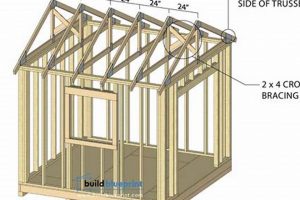
The framing constitutes the skeletal framework of the shed, providing structural support and defining its shape. Robust framing materials, such as pressure-treated lumber or steel, are essential to withstand wind loads, snow accumulation, and the weight of stored items. Weakened framing members, due to rot, insect infestation, or substandard materials, compromise the entire structure’s stability.
- Roofing Integrity
The roof provides weather protection, preventing water intrusion and maintaining a dry interior. Durable roofing materials, properly installed, are critical to withstand rain, snow, and wind. Leaks, damaged shingles, or inadequate roof pitch can lead to water damage, structural rot, and the deterioration of stored materials.
- Material Durability
The selection of durable, weather-resistant materials is fundamental to maintaining structural integrity over time. Pressure-treated lumber, composite siding, and corrosion-resistant fasteners offer enhanced protection against moisture, insects, and decay. The use of inferior materials results in premature deterioration, necessitating frequent repairs and compromising the long-term viability of the structure.
These interconnected facets underscore the significance of structural integrity in the context of the garden shed workshop. Neglecting any of these aspects diminishes the structure’s capacity to withstand environmental stressors, compromising its safety, utility, and lifespan. A proactive approach to structural design and maintenance ensures a durable and reliable workspace.
5. Electrical Safety
Electrical safety is a paramount concern when establishing a garden shed workshop. The potential for electrical hazards is amplified in these environments due to factors such as proximity to moisture, the use of power tools, and often, the extension of electrical circuits from the main residence. A thorough understanding of electrical safety principles and practices is essential to mitigate risks and ensure a safe working environment.
- Ground Fault Circuit Interrupters (GFCIs)
GFCIs are critical safety devices designed to detect ground faults, which occur when electricity flows through an unintended path, such as a person. In a garden shed workshop, GFCIs are essential for protecting against electrical shock, especially in areas where moisture is present or where power tools are used. These devices should be installed on all outlets and circuits serving the workshop. For instance, if a power tool’s insulation fails, the GFCI will quickly shut off the circuit, preventing serious injury.
- Proper Wiring and Circuit Capacity
The electrical wiring within a garden shed workshop must be appropriately sized for the intended load. Overloading circuits can lead to overheating, which poses a significant fire hazard. Circuits should be wired with the correct gauge of wire and protected by appropriately sized circuit breakers. A certified electrician should perform the wiring to ensure compliance with local electrical codes. Failure to adhere to these standards can result in dangerous conditions and potential property damage.
- Weatherproof Outlets and Enclosures
Due to the outdoor setting of a garden shed, all electrical outlets and enclosures must be weatherproof to prevent water intrusion. Moisture can compromise electrical components, leading to short circuits and corrosion. Weatherproof covers and enclosures provide a protective barrier against rain, snow, and humidity, ensuring the safe operation of electrical equipment. Regular inspection of these components is necessary to identify and address any signs of damage or deterioration.
- Safe Use of Extension Cords
Extension cords are often necessary in garden shed workshops to provide power to tools and equipment. However, improper use of extension cords can create electrical hazards. Extension cords should be of the appropriate gauge for the intended load and should be inspected regularly for damage. Avoid running extension cords across walkways or under rugs, as this can create tripping hazards and cause the cord to overheat. Permanent wiring solutions are preferable to relying solely on extension cords.
These facets underscore the importance of prioritizing electrical safety when establishing and maintaining a garden shed workshop. Adherence to safety protocols, combined with regular inspections and professional electrical work, significantly reduces the risk of electrical accidents and ensures a safe and productive workspace. The financial implications of neglecting electrical safety can be substantial, encompassing not only property damage but also potential injuries or fatalities. Therefore, a proactive approach to electrical safety is essential for safeguarding both individuals and property.
6. Purpose Definition

The functional design and overall effectiveness of a garden shed workshop are inextricably linked to its intended purpose. A lack of clearly defined objectives leads to a disorganized, inefficient, and potentially unsafe workspace. Conversely, a well-defined purpose informs every decision, from the initial layout and structural modifications to the selection of tools and storage solutions. The causal relationship is direct: a vaguely defined purpose results in a generic, less effective space, while a specific purpose begets a highly tailored and optimized environment. The absence of a clear purpose forces compromises that degrade overall functionality, such as inadequate ventilation for painting or insufficient structural support for heavy machinery.
Consider, for example, a garden shed workshop intended primarily for woodworking. The defined purpose necessitates specific considerations, including dust collection systems to mitigate respiratory hazards, robust workbenches capable of withstanding significant force, and specialized storage solutions for lumber and tools. Electrical requirements will be dictated by the power demands of saws, routers, and planers. Conversely, a shed intended for potting and gardening activities will prioritize natural light, water access, and storage for soil, seeds, and gardening implements. The contrasting needs of these two activities illustrate the pivotal role of purpose definition in shaping the workshop’s design and functionality. Ignoring this crucial step results in a structure ill-suited to its intended use, diminishing its value and potentially creating safety hazards.
In conclusion, purpose definition serves as the cornerstone of a successful garden shed workshop. The allocation of resources, the selection of materials, and the organization of space must be guided by a clear understanding of the intended activities. Challenges arise when attempting to accommodate multiple, disparate purposes within a single structure, necessitating careful compromise and potentially reducing the overall effectiveness of the space for each individual activity. Prioritizing a specific, well-defined purpose yields a highly functional and efficient workshop, maximizing its utility and value. Failure to do so results in a compromised environment that fails to fully support the intended endeavors.
Frequently Asked Questions
The following addresses commonly encountered inquiries regarding the planning, construction, and utilization of a garden structure as a dedicated workspace.
Question 1: What constitutes a permissible size for a structure without requiring a building permit?
Permissible dimensions vary significantly based on local ordinances and zoning regulations. It is imperative to consult with municipal authorities to ascertain specific size restrictions, setback requirements, and permissible construction materials. Failure to comply with local regulations may result in fines or mandated structural modifications.
Question 2: What is the optimal foundation type for a garden structure intended as a workshop?
The selection of a foundation depends on soil conditions, structural size, and intended use. Concrete slabs provide a stable and durable base, while gravel beds offer adequate support for smaller structures. Treated timber frames are suitable for lightweight applications. Regardless of the chosen method, proper drainage is crucial to prevent moisture-related issues.
Question 3: How can adequate ventilation be achieved within a confined workshop space?
Effective ventilation can be achieved through a combination of natural and mechanical means. Strategically placed windows and vents facilitate natural airflow, while exhaust fans or dust collection systems remove pollutants and moisture. Cross-ventilation, maximizing airflow across the structure, is particularly beneficial in warmer climates.
Question 4: What electrical safety measures should be implemented within a garden shed workshop?
Electrical safety requires meticulous attention to detail. Ground fault circuit interrupters (GFCIs) should be installed on all outlets. Wiring must be appropriately sized for the intended load and protected by circuit breakers. Weatherproof outlets and enclosures are essential to prevent water intrusion. Reliance on permanent wiring is preferable to extension cords, minimizing tripping hazards and electrical overloads.
Question 5: How can the limited space within a garden shed workshop be effectively optimized?
Space optimization requires a strategic approach to storage and layout. Vertical storage solutions, such as shelving units and pegboards, maximize usable space. Multi-functional furniture, such as folding workbenches, provides flexibility. Prioritizing the essential tools and equipment, while minimizing clutter, enhances workflow and improves overall efficiency.
Question 6: What security measures should be implemented to protect the contents of a garden shed workshop?
Security measures should include robust door and window locks, reinforced doors, and potentially, a security system. Opaque window coverings prevent visual access to valuable tools and equipment. Regular inspections of the structure’s perimeter are crucial to identify and address potential vulnerabilities.
These inquiries represent common concerns regarding the establishment and maintenance of a functional workspace in a garden environment. Addressing these issues proactively contributes to a safe, efficient, and productive environment.
The following section will summarize the key considerations for creating a successful garden workshop environment.
Conclusion
This exploration of the garden shed workshop has underscored the critical interplay between purpose, planning, and execution. From establishing structural integrity to ensuring electrical safety and optimizing available space, each element contributes to the creation of a functional and productive environment. The necessity of adhering to local building codes and zoning regulations was emphasized, as was the importance of tailoring the structure to specific needs and intended activities. Further, the long-term viability of the workshop relies on diligent maintenance and consistent adherence to established safety protocols.
The successful establishment of a garden shed workshop is a testament to meticulous planning and unwavering attention to detail. While the undertaking presents inherent challenges, the benefits of a dedicated workspace enhanced productivity, creative freedom, and a defined separation between work and domestic life warrant careful consideration. The future of this type of workspace hinges on sustainable practices and adaptable designs, ensuring a lasting contribution to both individual pursuits and community engagement.