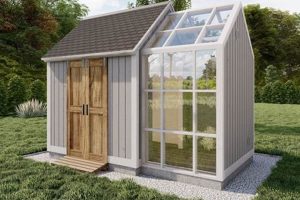
Structures that merge storage and plant cultivation functionalities represent a practical solution for individuals with limited outdoor space or those seeking a multi-purpose garden building. These units provide sheltered storage for tools, equipment, and supplies, while simultaneously offering a controlled environment for growing plants, extending the growing season, and protecting delicate species.
The advantage of these combined structures lies in their space efficiency, cost-effectiveness compared to purchasing separate buildings, and optimized resource utilization. Historically, gardeners often relied on makeshift or adapted spaces for both storage and propagation. These integrated designs modernize that approach, offering a dedicated, purpose-built solution that enhances both the aesthetic and functional aspects of the garden. The combination allows for efficient workflow, keeping essential tools readily accessible while tending to plants.
This article will explore the design considerations, material choices, and practical applications that drive the growing popularity of this innovative approach to outdoor living and gardening. It will also cover the benefits of choosing the right style of combined building, as well as the different sizes and types available.
Essential Considerations for Integrated Garden Structures
Selecting the appropriate integrated garden structure requires careful evaluation of needs, site conditions, and long-term usage goals. Prioritizing these considerations ensures a functional and aesthetically pleasing addition to the garden.
Tip 1: Assess Spatial Requirements: Accurately measure available space and determine the ratio of storage to greenhouse area needed. This informs the overall footprint and internal layout of the combined structure.
Tip 2: Optimize Orientation for Light: Orient the greenhouse section to maximize sunlight exposure, particularly during the winter months. Southern exposure is generally preferred in the Northern Hemisphere.
Tip 3: Choose Durable and Compatible Materials: Select building materials that withstand both storage requirements and greenhouse humidity. Pressure-treated lumber, durable plastics, and tempered glass are common choices.
Tip 4: Plan for Adequate Ventilation: Proper ventilation is crucial in the greenhouse portion to regulate temperature and humidity, preventing fungal diseases and promoting plant health. Install vents or automated ventilation systems.
Tip 5: Implement Effective Drainage: Ensure adequate drainage both inside the greenhouse section and around the perimeter of the entire structure to prevent waterlogging and structural damage.
Tip 6: Secure Structural Integrity: Given the dual-purpose nature, prioritize a robust framework that can support stored items and withstand environmental factors. Consider local building codes and wind load requirements.
Tip 7: Incorporate Accessible Storage Solutions: Optimize the storage section with shelving, hooks, and other organizational elements to maximize space and facilitate easy access to tools and supplies.
Implementing these considerations will result in a functional and efficient structure that meets both storage and gardening needs. Attention to detail during the planning phase will contribute to the longevity and usability of this valuable garden asset.
With these essential considerations addressed, the subsequent sections will delve into specific design options and construction techniques.
1. Space Optimization

Space optimization is paramount when integrating storage and cultivation areas. Given limited garden space, a combined structure must efficiently utilize every available square foot, maximizing both storage capacity and plant growing potential.
- Vertical Storage Solutions
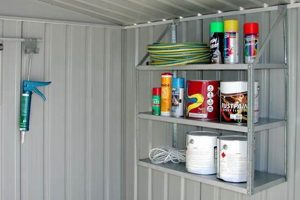
Vertical shelving, wall-mounted organizers, and overhead storage racks within the storage section are crucial for maximizing space utilization. These solutions allow for organized storage of tools, potting mixes, and gardening supplies without encroaching on valuable floor space needed for movement and larger items. Examples include tiered shelving systems for seed trays and hanging tool organizers to keep implements readily accessible and off the ground.
- Multi-Tiered Planting Systems
In the greenhouse portion, multi-tiered planting systems, such as stacked planters or vertical gardening walls, significantly increase growing capacity within a limited footprint. These systems allow for the cultivation of a greater variety and quantity of plants compared to traditional ground-level planting, making efficient use of vertical space. Examples include hydroponic systems and stacked herb gardens.
- Dual-Purpose Furniture and Equipment
Selecting furniture and equipment that serve multiple purposes optimizes space utilization. A potting bench with built-in storage drawers provides both a workspace and storage for essential gardening tools. Collapsible or foldable tables and chairs can be easily stored when not in use, freeing up valuable space for other activities. Examples include potting benches with integrated tool storage and foldable work tables.
- Strategic Layout and Zoning
Careful planning of the internal layout, designating specific zones for storage, propagation, and mature plant growth, ensures efficient workflow and prevents overcrowding. By strategically allocating space based on function and frequency of use, users can minimize wasted space and optimize accessibility. Examples include separating seedling starting areas from mature plant display areas and organizing tools by category and frequency of use.
Ultimately, successful space optimization within a combined structure leads to a more functional and productive garden. By thoughtfully integrating vertical storage, multi-tiered planting systems, dual-purpose equipment, and strategic layout, users can maximize the potential of their limited outdoor space, creating an efficient and aesthetically pleasing environment for both storage and cultivation.
2. Environmental Control
Environmental control is a critical factor in the successful operation of garden sheds greenhouses combined. The greenhouse component, by its nature, requires management of temperature, humidity, light, and ventilation to foster optimal plant growth. Unlike a standard garden shed, which primarily functions as storage, the greenhouse section’s efficacy is directly dependent on the ability to maintain a stable and suitable environment for the cultivated plants. This requires active intervention and monitoring, addressing the cause-and-effect relationships between environmental factors and plant health. For example, inadequate ventilation can lead to excessive humidity, creating conditions conducive to fungal diseases. Real-life examples include automated ventilation systems triggered by temperature sensors, and shade cloths deployed to mitigate excessive sunlight exposure during peak summer months. Understanding these principles is practically significant for maximizing yield and minimizing plant losses within the integrated structure.
Further analysis reveals the interconnectedness of these environmental factors. Temperature, for instance, directly influences humidity levels, which in turn affect nutrient uptake and transpiration rates in plants. Practical applications of this understanding include the use of thermostatically controlled heaters during colder months and evaporative coolers during warmer periods. Furthermore, the integration of shade cloth or reflective materials can moderate light intensity, preventing scorching and optimizing photosynthesis. The selection of appropriate greenhouse glazing materials, such as polycarbonate or glass, also plays a crucial role in regulating temperature and light transmission. Careful calibration of these elements allows for the creation of microclimates tailored to the specific needs of different plant species.
In summary, environmental control is an indispensable component of integrated garden sheds greenhouses. Mastery of temperature, humidity, light, and ventilation management techniques directly translates to improved plant health, increased yield, and reduced maintenance costs. Challenges remain in balancing these factors within a shared structure, particularly given the varying requirements of different plant species. Nevertheless, a deep understanding of the principles of environmental control, coupled with appropriate technology and proactive monitoring, is essential for harnessing the full potential of this innovative garden solution. This understanding links directly to the broader theme of sustainable gardening practices and efficient resource utilization.
3. Structural Integrity

Structural integrity is paramount in the design and construction of combined garden sheds and greenhouses, ensuring the stability and safety of the structure over its intended lifespan. This is particularly critical due to the dual-purpose nature of the building, which must withstand both the static loads of stored items and the dynamic stresses associated with environmental factors such as wind, snow, and humidity changes.
- Foundation Stability
The foundation provides the essential base support for the entire structure. Soil conditions, frost lines, and drainage patterns must be considered to prevent settling, heaving, or shifting, which can compromise the integrity of the walls and roof. Examples include concrete slabs, gravel beds, or pier foundations, each suited to specific soil types and climate conditions. Failure to provide a stable foundation can result in structural failure, making it important to ensure correct placement and soil stability assessment.
- Framing Strength
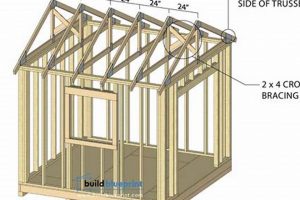
The framework, typically constructed from wood or metal, provides the skeletal support that bears the weight of the roof, walls, and stored items. Proper selection of framing materials, joint connections, and bracing techniques is essential to resist bending, shear, and buckling forces. Examples include using pressure-treated lumber for ground contact, employing gusset plates for reinforced connections, and incorporating diagonal bracing to enhance wind resistance. Insufficient framing strength can lead to collapse under heavy loads.
- Cladding Durability
The cladding, consisting of the outer wall and roof materials, protects the interior from the elements while contributing to the overall structural stiffness. Materials must be weather-resistant, able to withstand ultraviolet radiation, moisture, and physical impacts. Examples include using polycarbonate panels for greenhouse sections and durable siding materials for the storage area. Inadequate cladding can lead to water damage, decay, and reduced structural performance.
- Load Distribution
Effective load distribution ensures that weight is evenly transferred from the roof and walls to the foundation, preventing localized stress concentrations that can lead to failure. This requires careful planning of structural member placement and sizing. Examples include using load-bearing walls, roof trusses, and evenly spaced support columns to distribute weight effectively. Improper load distribution can cause localized buckling or cracking, weakening the overall structure.
Collectively, these facets underscore the significance of structural integrity in the enduring utility and safety of combined garden sheds and greenhouses. Ignoring these critical aspects can result in costly repairs or even catastrophic failure. The synergy between robust design and construction methods ensures that the structure effectively serves its intended purpose, providing a reliable space for both storage and plant cultivation.
4. Material Compatibility

The selection of materials for a combined garden shed and greenhouse structure is governed by the principle of material compatibility, a factor critical to the longevity and functionality of the entire building. The inherent differences in environmental conditions within the storage and greenhouse sections necessitate careful consideration of how materials interact with each other and the surrounding environment. The humid atmosphere of a greenhouse, conducive to plant growth, can accelerate corrosion in certain metals or promote decay in untreated wood, potentially compromising structural integrity if incompatible materials are used in adjacent areas. For instance, using untreated steel framing within the greenhouse section can lead to rust and eventual structural weakening, directly affecting the lifespan and safety of the entire building. Similarly, employing porous materials in the storage area can lead to moisture absorption, potentially damaging stored tools or supplies. The failure to account for material compatibility can lead to premature degradation, increased maintenance costs, and compromised functionality.
Further analysis reveals the complexities of material selection in this context. Pressure-treated lumber, for example, is often used for framing due to its resistance to decay and insect infestation, making it suitable for the damp conditions prevalent in greenhouses. However, certain chemicals used in the treatment process may leach into the soil, potentially affecting plant health. Similarly, while aluminum framing offers excellent corrosion resistance in humid environments, it may not provide the structural strength required for heavy storage loads, particularly if spanning large areas. The selection of greenhouse glazing materials, such as polycarbonate or glass, also has implications for material compatibility, as the framing system must be designed to accommodate the expansion and contraction properties of these materials. Practical applications of these considerations include employing stainless steel fasteners to prevent corrosion, using vapor barriers to isolate the storage area from greenhouse humidity, and selecting composite decking materials that resist moisture absorption and decay. Furthermore, the use of paints and sealants compatible with both the chosen framing and cladding materials is vital for preventing premature degradation and maintaining a weather-tight seal.
In summary, material compatibility is an indispensable component of combined garden shed and greenhouse design, directly impacting the structure’s durability, safety, and functionality. Balancing the different environmental demands of storage and cultivation areas requires a thorough understanding of material properties and their interactions. Challenges remain in selecting materials that offer both structural strength and resistance to the corrosive effects of humidity. Nevertheless, a meticulous approach to material selection, coupled with appropriate construction techniques, is essential for maximizing the lifespan and utility of this practical gardening solution. This careful consideration helps support sustainability efforts by reducing the need for repairs and replacements.
5. Accessibility
Accessibility is a fundamental consideration in the design and implementation of combined garden sheds and greenhouses. The utility of such a structure is significantly diminished if its design impedes access for gardeners, particularly those with mobility limitations, or if the layout complicates the retrieval of stored items and the tending of plants. Effective design must prioritize ease of movement, ergonomic considerations, and intuitive organization.
- Pathway Width and Surface
Adequate pathway width within both the storage and greenhouse areas is crucial for accommodating wheelchairs, walkers, or garden carts. A minimum pathway width of 36 inches is generally recommended to ensure comfortable passage. Moreover, the surface material should be firm, level, and non-slip to prevent falls. Examples include compacted gravel, paved surfaces, or rubberized matting. Insufficient pathway width or uneven surfaces can create hazardous conditions and limit access for individuals with mobility challenges.
- Doorway Dimensions and Thresholds
Doorways must be wide enough to allow easy passage with gardening equipment and for individuals using mobility aids. A minimum doorway width of 32 inches is typically required to comply with accessibility standards. Thresholds should be kept as low as possible or eliminated entirely to avoid tripping hazards. Ramps or beveled edges can be used to provide smooth transitions between different floor levels. High thresholds or narrow doorways can present significant barriers to access.
- Ergonomic Work Surfaces and Storage
Work surfaces, such as potting benches and shelving, should be designed at a comfortable height for both standing and seated users. Adjustable-height work surfaces can accommodate a wider range of individuals. Storage solutions should be designed to minimize bending, reaching, and lifting. Examples include pull-out shelves, lazy Susans, and tool organizers that keep items within easy reach. Inaccessible work surfaces and storage areas can lead to strain, fatigue, and reduced productivity.
- Lighting and Visibility
Adequate lighting is essential for safe navigation and task performance within the combined structure. Natural light should be maximized through the use of clear glazing materials and strategically placed windows. Supplemental lighting, such as LED fixtures, can be used to illuminate dark corners and provide adequate light levels during nighttime or cloudy conditions. Poor lighting can increase the risk of accidents and make it difficult to see plants and tools.
Integrating these accessibility considerations into the design of combined garden sheds and greenhouses enhances their usability and inclusivity, ensuring that individuals of all abilities can enjoy the benefits of gardening and outdoor storage. A well-designed structure not only promotes independence and safety but also maximizes the efficiency and enjoyment of gardening activities.
6. Cost-Effectiveness
The economic viability of integrating storage and cultivation functions into a single garden structure is a primary driver for many prospective owners. Analyzing the cost-effectiveness of this approach requires a multifaceted evaluation encompassing initial investment, long-term operational expenses, and potential return on investment.
- Reduced Initial Investment
Combining storage and greenhouse capabilities often results in lower upfront costs compared to constructing separate structures. Sharing a common foundation, walls, and roofing reduces material requirements and labor expenses. For example, a prefabricated combined unit may cost less than purchasing a standalone shed and a separate greenhouse of comparable size. This consolidation of resources represents a direct economic benefit, particularly for individuals with budget constraints.
- Efficient Space Utilization
Integrating functions within a single footprint maximizes land use efficiency, especially valuable in properties with limited space. By avoiding the need for separate building locations, owners can dedicate more of their garden area to cultivation or other outdoor activities. This efficient space utilization translates to tangible cost savings, particularly in urban areas where land values are high. For instance, a combined structure allows for a larger productive garden area compared to allocating separate spaces for storage and cultivation.
- Optimized Resource Management
Sharing resources between the storage and greenhouse sections can lead to cost savings in areas such as electricity and water. For example, a single electrical connection can power both lighting in the storage area and ventilation systems in the greenhouse. Similarly, rainwater harvesting systems can supply water for both irrigation and cleaning purposes. This optimized resource management reduces operational expenses and contributes to environmental sustainability, representing a long-term economic advantage.
- Extended Growing Season and Increased Yield
The greenhouse component enables an extended growing season, allowing for earlier planting and later harvesting of crops compared to open-air gardening. This can lead to increased yields and reduced reliance on store-bought produce, generating potential savings on grocery bills. Furthermore, the controlled environment within the greenhouse can improve plant health and reduce the need for pesticides and herbicides, further minimizing expenses. This potential for increased productivity is a key factor in assessing the overall cost-effectiveness of combined structures.
Ultimately, the economic advantages of combined garden sheds and greenhouses stem from reduced initial investment, efficient space utilization, optimized resource management, and increased productivity. While specific cost savings will vary depending on the size, materials, and features of the structure, the potential for long-term economic benefits makes this an attractive option for many gardeners.
Frequently Asked Questions
The following addresses common inquiries concerning structures that integrate garden storage with greenhouse cultivation capabilities. It provides clear, concise answers to typical user questions.
Question 1: What are the primary advantages of combining a garden shed with a greenhouse?
The main benefits include efficient space utilization, reduced construction costs compared to separate structures, and simplified resource management due to shared utilities.
Question 2: Is it feasible to regulate the temperature and humidity within a combined structure, considering the differing requirements of storage and plant cultivation?
Yes, effective ventilation systems, insulation, and strategic placement of vents and temperature controls within the greenhouse section are required to maintain optimal conditions for plant growth, while the storage area remains dry.
Question 3: What types of materials are best suited for constructing a combined garden shed and greenhouse?
Durable, weather-resistant materials such as pressure-treated lumber, galvanized steel, polycarbonate panels, and tempered glass are recommended. Material selection depends on the specific structural and environmental requirements.
Question 4: How does one ensure adequate structural integrity for a combined structure, considering the weight of stored items and the potential for extreme weather conditions?
A robust foundation, reinforced framing, and secure cladding are essential. Local building codes should be consulted, and wind and snow load requirements must be factored into the design.
Question 5: What are the main considerations when planning the layout of a combined garden shed and greenhouse?
Optimal sunlight exposure for the greenhouse portion, easy access to both storage and cultivation areas, and efficient workflow patterns should guide the layout design. Strategic placement of doorways and internal pathways is crucial.
Question 6: How does the cost of a combined garden shed and greenhouse compare to purchasing separate structures?
In most cases, a combined structure is more cost-effective due to shared building components and reduced labor expenses. However, the specific cost will depend on the size, materials, and features of the chosen design.
In summary, integrating storage and cultivation spaces presents a practical solution with various benefits, but thoughtful planning and careful execution are vital for long-term success.
The following section will delve into specific case studies and practical examples of combined garden sheds and greenhouses.
Conclusion
This exploration of garden sheds greenhouses combined has illuminated essential design considerations, material choices, and functional aspects critical to their successful implementation. The analysis has underscored the importance of spatial optimization, environmental control, structural integrity, material compatibility, accessibility, and cost-effectiveness in realizing the full potential of these integrated structures. It highlights their utility as a pragmatic response to space limitations and resource constraints, offering a pathway to enhanced gardening productivity.
The synthesis of storage and cultivation within a single structure represents a significant advancement in garden design. As urbanization continues and sustainable living practices gain prominence, such integrated solutions are poised to play an increasingly important role in enabling individuals to cultivate their own food and manage their garden resources efficiently. Further research and development in this field are essential to refining design principles and expanding the accessibility of these valuable garden assets.