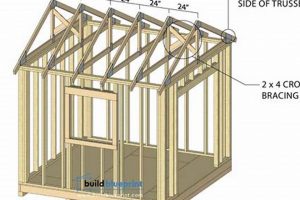
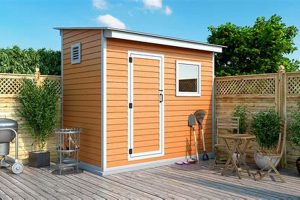
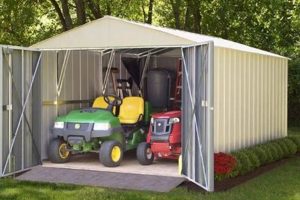
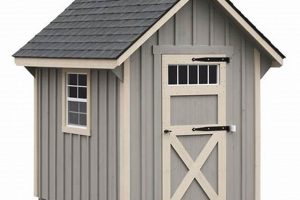
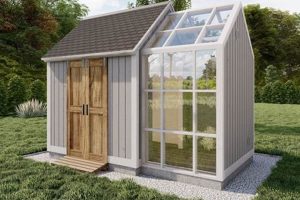
The concept involves transforming a common outdoor storage structure into a habitable dwelling. Examples range from simple hobby spaces to fully-equipped residences. This conversion repurposes existing space, often offering a smaller footprint and potentially reduced construction costs compared to traditional building methods.
The practice provides opportunities for affordable housing solutions and promotes sustainable living. Historically, similar outbuildings have served as temporary or seasonal accommodations. The modern adaptation emphasizes functionality and comfort, incorporating insulation, plumbing, and electrical systems to meet contemporary living standards.
The following discussion will explore the regulatory considerations, design principles, and practical challenges associated with adapting these structures for residential use. Furthermore, it will address the environmental impact and long-term viability of this housing alternative.
Practical Considerations for Habitable Outbuildings
Transforming an outdoor storage structure into a habitable space requires careful planning and execution. The following tips address key considerations for successful implementation.
Tip 1: Assess Structural Integrity: Evaluate the existing structure’s foundation, framing, and roofing for stability and durability. Necessary repairs or reinforcements should be completed prior to any further modifications.
Tip 2: Prioritize Insulation: Adequate insulation is crucial for temperature regulation and energy efficiency. Utilize appropriate insulation materials in walls, roof, and floor to minimize heat loss and gain.
Tip 3: Address Moisture Control: Implement effective vapor barriers and ventilation systems to prevent moisture accumulation and potential mold growth. Proper drainage around the perimeter is also essential.
Tip 4: Plan Electrical Systems: Design a safe and compliant electrical system with sufficient outlets and appropriate wiring. Consult with a qualified electrician to ensure adherence to local building codes.
Tip 5: Integrate Plumbing Solutions: If plumbing is required, install water supply and wastewater disposal systems in accordance with regulations. Consider water-saving fixtures and efficient drainage solutions.
Tip 6: Ensure Proper Ventilation: Adequate ventilation is essential for maintaining air quality and preventing condensation. Install windows, vents, or mechanical ventilation systems to promote airflow.
Tip 7: Optimize Space Utilization: Maximize the usable space through thoughtful design and efficient storage solutions. Consider multi-functional furniture and vertical storage options.
By carefully addressing these structural, environmental, and logistical considerations, the transformation into a habitable outbuilding can provide a sustainable and functional living space. Success hinges on meticulous planning and adherence to building codes.
The subsequent sections will delve into the legal framework surrounding this type of construction and the importance of obtaining necessary permits before commencing any work.
1. Regulations and Permitting

The conversion of garden sheds into habitable spaces is significantly influenced by adherence to local regulations and the acquisition of necessary permits. Neglecting these requirements can result in legal complications, financial penalties, and potential safety hazards.
- Zoning Ordinances
Local zoning ordinances dictate permissible land uses within specific areas. Converting a garden shed into a dwelling may violate these ordinances if the zoning does not allow for additional residential units or accessory dwelling units (ADUs). Compliance requires careful review of zoning maps and regulations to ensure the proposed use aligns with local requirements. Ignoring these rules can lead to enforcement actions by the municipality.
- Building Codes
Building codes establish minimum standards for construction, including structural integrity, fire safety, and sanitation. Modifications to a garden shed to make it habitable must comply with these codes. This often entails upgrading electrical, plumbing, and HVAC systems, as well as ensuring proper insulation and ventilation. Obtaining building permits ensures that inspections are conducted to verify code compliance, safeguarding the health and safety of occupants.
- Permitting Process
The permitting process involves submitting detailed plans and specifications to the local building department for review. This process allows officials to assess the proposed conversion and ensure that it meets all applicable regulations. Failure to obtain necessary permits can result in stop-work orders, fines, and even the requirement to demolish the unpermitted structure. A thorough understanding of the permitting process is therefore crucial for a successful conversion.
- Impact Fees and Assessments
Some jurisdictions may impose impact fees or assessments on new residential units or ADUs to offset the increased demand on public services such as water, sewer, and schools. Converting a garden shed into a habitable space may trigger these fees, adding to the overall cost of the project. Understanding these potential financial obligations is an essential part of the planning process.
In conclusion, navigating the landscape of regulations and permitting is an indispensable aspect of transforming a garden shed into a viable living space. Proactive engagement with local authorities and adherence to established procedures are vital for avoiding legal issues and ensuring the safety and habitability of the converted structure.
2. Structural Integrity

Structural integrity constitutes a fundamental prerequisite for transforming a garden shed into a habitable dwelling. The original design and construction of a typical storage shed rarely account for the sustained loads and environmental stresses associated with continuous occupancy. Therefore, a comprehensive assessment of the existing structure is paramount before any conversion work commences. Deficiencies in the foundation, framing, or roofing can lead to significant safety hazards, including collapse, particularly in regions susceptible to seismic activity, high winds, or heavy snowfall. For example, a shed constructed on a simple gravel base may experience settling and shifting, compromising the structural stability of the walls and roof over time.
Reinforcing the structure often involves upgrading the foundation to a concrete slab or pier system, strengthening wall studs and rafters with additional bracing, and replacing deteriorated materials. The selection of appropriate construction materials is also crucial. For instance, using pressure-treated lumber for components in contact with the ground prevents rot and insect infestation, extending the lifespan of the structure. Proper fastening techniques, such as using screws and bolts instead of nails, enhance the overall strength and stability of the frame. A case study of a shed conversion in a coastal area revealed that neglecting to address wind load requirements resulted in significant damage during a severe storm, highlighting the importance of adhering to local building codes and engineering standards.
Ultimately, ensuring structural integrity is not merely a matter of code compliance; it is a fundamental responsibility to safeguard the well-being of the occupants. A structurally sound garden shed conversion provides a safe, durable, and comfortable living environment. While the initial investment in structural upgrades may be substantial, it is a necessary expense that protects against costly repairs and potential disasters in the long term. The long-term viability and safety of habitable garden sheds hinges on the unwavering commitment to structural soundness.
3. Insulation Effectiveness

Insulation effectiveness is a critical determinant of habitability in converted garden sheds. Inadequate insulation leads directly to increased energy consumption for heating and cooling, rendering the space uncomfortable and potentially costly to maintain. Conversely, proper insulation mitigates temperature fluctuations, creating a more stable and energy-efficient living environment. Consider, for example, a shed converted in a region with harsh winters; without sufficient insulation, the interior temperature will plummet, making it uninhabitable without excessive and expensive heating.
The choice of insulation material and its proper installation significantly impact overall effectiveness. Materials like fiberglass batts, spray foam, and rigid foam boards each offer different R-values (a measure of thermal resistance). Improper installation, such as gaps or compression, diminishes the insulation’s performance, creating thermal bridges that allow heat transfer. Practical applications involve carefully sealing all seams and penetrations to prevent air infiltration, a common source of heat loss. Another key application is the use of radiant barriers to reflect sunlight, reducing summer heat gain.
Effective insulation strategies present challenges, including space limitations within the typically confined dimensions of a garden shed and the need to balance insulation thickness with interior space. Prioritizing insulation effectiveness is essential, because it lowers energy bills, enhances thermal comfort, and supports the long-term sustainability of converted sheds. A well-insulated shed represents a more responsible and comfortable living solution. The success of a garden shed living arrangement depends in large part on the effectiveness of the insulation strategy implemented.
4. Plumbing Integration

Plumbing integration is a pivotal factor influencing the viability and functionality of habitable garden sheds. Unlike simple storage structures, dwellings require dependable water supply and wastewater disposal systems. The absence of integrated plumbing limits usability, restricting activities such as cooking, sanitation, and bathing. This lack of basic amenities transforms a potential living space into a mere shelter. Consider, for example, a shed converted for use as a guest house; without a functional bathroom and kitchenette, its utility is severely curtailed.
Effective plumbing integration demands adherence to local building codes and regulations, ensuring both occupant safety and environmental protection. Improperly installed or maintained plumbing systems pose risks of water contamination, sewage leaks, and structural damage from moisture. Compliance typically involves obtaining permits, employing licensed plumbers, and utilizing approved materials. For instance, drainage must be correctly graded to facilitate proper wastewater flow, while backflow preventers safeguard the potable water supply. Moreover, energy-efficient plumbing fixtures, such as low-flow toilets and showerheads, reduce water consumption and lower utility bills. The practical significance lies in preventing costly repairs, ensuring a safe and hygienic environment, and promoting sustainable resource management.
In summary, plumbing integration is not merely an optional upgrade, but rather a necessity for transforming a garden shed into a functional and comfortable living space. Addressing the integration of plumbing is important for the safety, functionality, and sustainability of any habitation project, and it presents a crucial part in the long-term success of the habitation. A well-designed and properly installed plumbing system ensures the shed is more than just a converted storage unit, it becomes a habitable home.
5. Electrical Safety
The conversion of garden sheds into habitable dwellings necessitates stringent adherence to electrical safety standards. Original shed construction rarely incorporates the electrical systems demanded by residential occupancy. Retrofitting electrical infrastructure requires careful planning, skilled execution, and rigorous inspection to prevent hazards.
- Code Compliance and Permitting
Electrical installations within habitable structures are governed by local building codes and electrical codes. Obtaining permits is mandatory for ensuring compliance with these regulations. Unpermitted or non-compliant electrical work poses fire risks, electrocution hazards, and potential legal liabilities. A thorough inspection by a certified electrical inspector confirms adherence to code requirements, validating the safety of the installation within the converted shed.
- Wiring and Circuit Protection
Residential electrical systems require appropriate wiring gauge and circuit protection. Overloaded circuits and undersized wiring can cause overheating, insulation damage, and electrical fires. Ground Fault Circuit Interrupters (GFCIs) are essential in damp locations, such as bathrooms and kitchens, to prevent electrocution. Arc Fault Circuit Interrupters (AFCIs) provide protection against arc faults, a leading cause of electrical fires. Proper wiring and circuit protection are paramount to the safety of the shed’s electrical system.
- Grounding and Bonding
Effective grounding and bonding create a low-impedance path for fault currents, facilitating the operation of overcurrent protection devices. Improper grounding can lead to voltage buildup, increasing the risk of electric shock. Metal components, such as electrical boxes and appliance frames, must be properly bonded to the grounding system to prevent hazardous voltage potentials. Adequate grounding and bonding are crucial safeguards within habitable garden sheds.
- Professional Installation
Electrical work within habitable structures should be performed by qualified and licensed electricians. Professional electricians possess the knowledge, skills, and tools necessary to ensure safe and compliant installations. DIY electrical work, particularly by individuals lacking expertise, can result in dangerous conditions and code violations. Engaging a professional electrician mitigates risks and provides assurance that the electrical system is properly installed and safe for residential use.
These considerations collectively emphasize the critical importance of electrical safety in the context of habitable garden sheds. Prioritizing code compliance, proper wiring, effective grounding, and professional installation is essential for safeguarding occupants and preventing electrical hazards. The electrical system, correctly installed, can make garden shed living a viable and comfortable option.
6. Ventilation Compliance

Ventilation compliance is not merely an optional addendum to garden shed living; it is a fundamental prerequisite for ensuring a healthy and habitable environment. Inadequate ventilation directly contributes to a myriad of problems, including moisture accumulation, mold growth, and poor indoor air quality, each of which poses significant health risks to occupants. Consider a scenario where a converted shed, inadequately ventilated, experiences condensation on interior surfaces during colder months. This moisture fosters the proliferation of mold, releasing spores into the air, which can trigger allergic reactions, respiratory problems, and other adverse health effects. Ventilation systems engineered according to code and building regulations mitigate such dangers, ensuring air exchange rates suitable for the structure’s occupancy and usage patterns.
Effective ventilation strategies vary depending on the climate, shed size, and occupant activities. Natural ventilation, achieved through strategically placed windows and vents, can be effective in milder climates, provided that adequate airflow is maintained. However, in more extreme climates, mechanical ventilation systems, such as exhaust fans and heat recovery ventilators (HRVs), may be necessary to ensure consistent air quality and temperature control. For example, kitchens and bathrooms within converted sheds require exhaust fans to remove moisture and odors generated during cooking and showering. The system design accounts for the shed’s specific dimensions and intended use to deliver the optimal ventilation rate as defined by building codes.
Adherence to ventilation compliance is not merely a matter of meeting regulatory requirements; it represents a commitment to safeguarding the well-being of the occupants. Improper ventilation undermines the investment made in creating a habitable space, leading to long-term maintenance issues and potential health hazards. Proactive implementation of compliant ventilation systems, coupled with regular maintenance, ensures the sustained habitability of converted garden sheds, transforming what might otherwise be a problematic living arrangement into a comfortable and healthy home.
Frequently Asked Questions about Garden Shed Living
The following questions and answers address common concerns and misconceptions surrounding the conversion of garden sheds into habitable spaces. The information provided is intended for informational purposes only and should not be considered legal or professional advice.
Question 1: Is the conversion of a garden shed into a dwelling legally permissible?
The legality of converting a garden shed into a habitable space varies depending on local zoning ordinances and building codes. Many jurisdictions require permits and adherence to specific regulations governing accessory dwelling units (ADUs). It is essential to consult with local authorities to determine the specific requirements in a given area.
Question 2: What structural modifications are typically necessary?
Significant structural modifications are often required to ensure the safety and stability of a converted garden shed. This may involve upgrading the foundation, reinforcing the framing, and replacing roofing materials. A structural engineer should assess the existing structure to determine the necessary modifications.
Question 3: How can adequate insulation be achieved in a confined space?
Effective insulation strategies involve utilizing high-R-value insulation materials and minimizing air infiltration. Spray foam insulation and rigid foam boards offer efficient insulation in limited spaces. Proper sealing of seams and penetrations is crucial for preventing heat loss.
Question 4: What are the key considerations for plumbing integration?
Plumbing integration requires adherence to local plumbing codes and regulations. Proper drainage, backflow prevention, and the use of approved materials are essential. Energy-efficient plumbing fixtures can help reduce water consumption.
Question 5: How can electrical safety be ensured?
Electrical safety necessitates compliance with electrical codes and the engagement of licensed electricians. Proper wiring, circuit protection, and grounding are critical for preventing electrical hazards. Ground Fault Circuit Interrupters (GFCIs) and Arc Fault Circuit Interrupters (AFCIs) provide additional safety measures.
Question 6: What ventilation requirements must be met?
Adequate ventilation is essential for maintaining indoor air quality and preventing moisture accumulation. Natural ventilation, through windows and vents, may be sufficient in some cases. Mechanical ventilation systems, such as exhaust fans and heat recovery ventilators (HRVs), may be necessary in others. Adherence to ventilation codes ensures a healthy living environment.
Thorough due diligence, careful planning, and adherence to applicable regulations are crucial for the successful conversion of garden sheds into habitable spaces. The information provided serves as a general guideline and should be supplemented with professional advice.
The subsequent section will explore case studies of successful garden shed conversions, providing practical examples and insights into best practices.
Conclusion
This exploration of garden shed living has underscored the complex interplay of regulatory compliance, structural integrity, and essential utilities. Successful conversion requires a thorough understanding of local ordinances, meticulous attention to structural soundness, and seamless integration of plumbing, electrical, and ventilation systems. Neglecting any of these factors jeopardizes the safety, habitability, and legality of the endeavor.
The viability of garden shed living as a housing solution hinges on responsible planning and execution. Prospective converters must prioritize adherence to established codes and seek professional guidance to navigate the challenges involved. Thoughtful consideration of these aspects will determine whether this concept becomes a sustainable and beneficial addition to the housing landscape or remains a precarious and problematic undertaking.