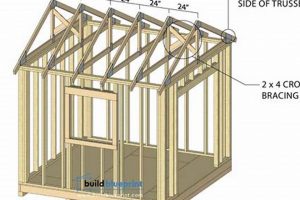
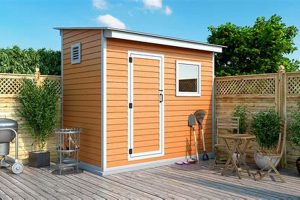
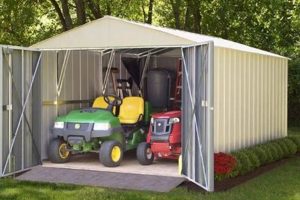
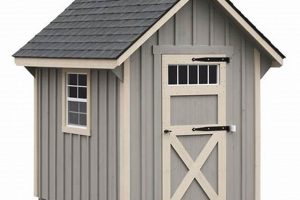
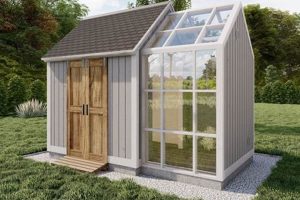
A prefabricated system designed to provide a stable and level base for a backyard structure is essential for ensuring longevity and preventing structural issues. These systems typically include components such as plastic grids, wooden frames, or metal frameworks, all engineered for easy assembly and load distribution. For example, a homeowner might choose a pre-made plastic grid system for a small storage building, opting for its ease of installation and resistance to rot.
The employment of a proper sub-structure offers multiple advantages, including protection from ground moisture, prevention of settling and shifting, and enhanced stability during varying weather conditions. Historically, various materials such as concrete slabs and gravel beds were the traditional choices; however, modern options offer faster installation times and reduced labor costs. This evolution represents a significant improvement in efficiency and accessibility for homeowners seeking to erect outdoor buildings.
Understanding the components, installation process, and available material choices is crucial for selecting the appropriate solution for a specific outdoor building project. The subsequent sections will delve into these key aspects, providing a detailed guide to navigating the selection and implementation of these systems.
Guidance for Optimal Implementation
Achieving a stable and durable base for a backyard structure necessitates careful consideration of several critical factors. The following recommendations are designed to aid in the selection and installation process, ensuring long-term performance and structural integrity.
Tip 1: Assess Soil Conditions: Prior to installation, a thorough assessment of the underlying soil is paramount. Unstable or poorly draining soil may require amendment or compaction to ensure adequate load-bearing capacity. Consult with a soil engineer if necessary.
Tip 2: Verify Levelness: Precise leveling is essential to prevent structural stress and ensure proper drainage. Utilize a laser level or spirit level to confirm that the base is perfectly horizontal in all directions. Shims can be employed to correct minor variations.
Tip 3: Account for Drainage: Effective water management is crucial for preventing rot and decay. Ensure the selected solution incorporates adequate drainage pathways or consider installing a French drain to divert water away from the base.
Tip 4: Select Appropriate Materials: Material selection should be based on the size and weight of the intended structure, as well as environmental conditions. Pressure-treated lumber, composite materials, or durable plastics offer varying degrees of resistance to moisture, insects, and decay.
Tip 5: Follow Manufacturer Instructions: Adhering strictly to the manufacturer’s installation guidelines is imperative. Deviation from these instructions may compromise the structural integrity of the base and void any warranties.
Tip 6: Secure Anchoring: Implement proper anchoring techniques to safeguard against wind uplift and movement. Ground anchors, concrete footings, or auger systems can provide the necessary stability, particularly in areas prone to high winds.
Tip 7: Consider Local Codes: Verify compliance with all applicable local building codes and regulations. Permits may be required prior to installation, and inspections may be necessary upon completion.
By adhering to these guidelines, a durable and reliable foundation can be established, safeguarding the investment in a backyard structure for years to come. Careful planning and execution are essential for achieving optimal results.
The subsequent sections will address common challenges encountered during installation and provide troubleshooting strategies for resolving potential issues.
1. Leveling

Precise leveling is a prerequisite for the successful installation of a foundation system, directly impacting the structural integrity and long-term performance of the garden structure it supports. Deviations from a level plane can induce stress, leading to premature wear and potential failure.
- Structural Integrity
An unlevel base introduces uneven weight distribution across the framework of the structure. This can cause warping, buckling, and compromised joints. The stress concentrates on specific points, weakening the overall construction and potentially leading to collapse under load or during adverse weather conditions. For example, a shed built on an uneven foundation may exhibit doors and windows that are difficult to open and close, indicating structural strain.
- Moisture Management
Leveling ensures proper water runoff, preventing water from pooling around the base of the structure. Standing water promotes rot, mildew, and insect infestation, all of which can degrade the materials used in both the foundation and the shed itself. Consider a scenario where a shed slopes towards one side; rainwater will accumulate along the lower edge, accelerating decay of the wooden components in contact with the ground.
- Operational Functionality
A level base facilitates the smooth operation of doors, windows, and other moving parts. Unevenness can cause these components to bind, stick, or fail to align properly. This not only impairs functionality but also places undue stress on the hardware and surrounding structure. A garden building used for potting, for instance, benefits from a level floor, allowing for stable placement of shelves and equipment.
- Aesthetic Appeal
A level base contributes to the overall visual appeal of the completed project. A structure that appears visibly tilted or uneven detracts from its aesthetic value and can negatively impact the surrounding landscape. Even if the functional consequences are minimal, the lack of levelness can create a perception of poor workmanship and neglect.
The integration of precise leveling techniques during the installation of a garden building foundation kit is therefore not merely an aesthetic consideration but a critical factor in ensuring structural stability, effective moisture management, operational functionality, and long-term durability. Neglecting this aspect can lead to costly repairs or premature replacement of the entire structure.
2. Material Choice

Material selection profoundly impacts the performance and longevity of a garden building sub-structure. The composition of a foundation system dictates its resistance to moisture, insect infestation, ground contact degradation, and overall load-bearing capacity. For instance, pressure-treated lumber, while cost-effective, necessitates proper treatment and maintenance to prevent eventual decay. Conversely, recycled plastic grids offer superior resistance to moisture and insects but may have limitations in load capacity compared to a reinforced concrete base. This underscores the critical relationship between the anticipated weight of the structure and the selection of a suitable material.
The decision-making process must also consider local environmental conditions. In regions with high humidity or frequent rainfall, moisture-resistant materials like composite lumber or plastic become more advantageous. Similarly, in areas prone to termite infestations, insect-resistant materials are essential to prevent structural damage. Examples include substituting wooden components for galvanized steel framework or utilizing gravel underlayment to improve drainage and deter pests. Furthermore, the ease of installation is directly tied to material selection; lightweight plastic systems offer quicker assembly compared to concrete, requiring specialized tools and expertise. These factors necessitate a comprehensive evaluation of needs before committing to a particular type of sub-structure.
In conclusion, the material choice in a garden building sub-structure constitutes a critical decision that influences structural stability, resistance to environmental degradation, ease of installation, and long-term maintenance requirements. A thorough understanding of the trade-offs associated with each material type is essential for selecting the most appropriate and cost-effective solution. Challenges include balancing cost considerations with durability and performance expectations, while remaining compliant with local building codes and regulations. Ultimately, proper material selection protects the investment in the garden structure and ensures its longevity for years to come.
3. Load Capacity

Load capacity, in the context of a foundation system for a garden structure, refers to the maximum weight a base can support without experiencing structural failure or excessive deformation. It is a critical parameter that dictates the suitability of a particular base for a given structure. Insufficient load capacity can lead to settling, cracking, or even collapse, rendering the structure unstable and unsafe.
- Material Strength and Distribution
The inherent strength of the materials used in the construction of a base directly determines its ability to bear weight. Materials like concrete or steel offer superior load-bearing capabilities compared to plastic or untreated wood. Additionally, the distribution of weight across the base is crucial. A design that evenly distributes the load, such as a grid system or a solid slab, will exhibit a higher overall load capacity. For example, a base constructed with a reinforced concrete slab can support significantly heavier loads than a base consisting of spaced wooden skids.
- Soil Bearing Capacity
The underlying soil’s ability to support weight is a critical factor that influences the overall load capacity of the foundation. Soil types vary significantly in their load-bearing capabilities. Loose soil, such as sand or silt, has a lower capacity compared to compacted clay or bedrock. The base design must account for the soil conditions to prevent settling or sinking. A base installed on unstable soil may require the addition of a compacted gravel base or the use of soil stabilization techniques to improve the soil’s load-bearing capacity.
- Structural Design and Engineering
The structural design of the foundation itself plays a pivotal role in determining its load-bearing capacity. Factors such as the thickness of the materials, the spacing of support members, and the type of joints used all contribute to the overall strength of the structure. Engineered bases, which are designed and analyzed by structural engineers, often exhibit higher load capacities due to optimized material usage and stress distribution. For example, a base incorporating a system of interconnected beams can effectively distribute weight and prevent localized stress concentrations.
- Environmental Factors and Degradation
Environmental factors, such as moisture, temperature fluctuations, and exposure to chemicals, can gradually degrade the materials used in the construction, thereby reducing the long-term load capacity. Rot, corrosion, and weathering can weaken the structure over time. Regular inspection and maintenance are essential to identify and address potential issues before they compromise the structural integrity of the base. For instance, a wooden foundation exposed to prolonged moisture may experience rot, reducing its ability to support the intended load.
The selection of a foundation system for a garden structure must consider the anticipated weight of the structure, the soil conditions, the structural design of the base, and the potential for environmental degradation. Understanding these factors is essential to ensure that the foundation provides adequate support and maintains its load-bearing capacity throughout the lifespan of the garden structure.
4. Drainage

Effective drainage is a critical consideration in the selection and installation of a foundation system for a garden structure. Inadequate drainage can lead to moisture accumulation, which can compromise the structural integrity of both the foundation and the structure it supports. Therefore, understanding the mechanisms by which drainage is managed within these systems is essential for long-term performance.
- Water Runoff Management
Foundation systems should be designed to facilitate the efficient removal of rainwater and surface water away from the base of the structure. This can be achieved through various methods, including sloping the ground away from the structure, incorporating drainage channels within the foundation itself, or utilizing a permeable sub-base material. For example, gravel underlayment allows water to percolate through the soil rather than pooling around wooden components, mitigating the risk of rot and decay.
- Material Permeability and Moisture Resistance
The materials used in the construction of the foundation system directly impact its drainage properties. Permeable materials, such as gravel or crushed stone, allow water to pass through easily, while impermeable materials, such as concrete or solid plastic, require alternative drainage solutions. Moisture-resistant materials, such as pressure-treated lumber or composite decking, are less susceptible to water damage even when exposed to prolonged moisture. For instance, a plastic grid foundation system, while impermeable, often incorporates open spaces that allow water to drain freely beneath the structure.
- Ground Contact Considerations
Direct contact between wooden components and the ground can accelerate rot and decay due to moisture absorption. Foundation systems that elevate the structure above ground level, such as those utilizing concrete blocks or metal frames, minimize ground contact and improve drainage. Additionally, the use of a vapor barrier between the ground and the foundation can prevent moisture from migrating upwards. A garden structure built directly on the soil, without a proper foundation, is significantly more vulnerable to water damage and insect infestation.
- Ventilation and Airflow
Adequate ventilation beneath the structure promotes drying and reduces the risk of moisture accumulation. Foundation systems with open designs or ventilation openings allow air to circulate freely, preventing the buildup of condensation. This is particularly important in humid climates or areas with poor soil drainage. For example, a pier foundation system with open space beneath the structure allows for optimal airflow, reducing the likelihood of moisture-related problems.
The integration of effective drainage strategies into a foundation for a garden structure is not merely a cosmetic consideration but a fundamental requirement for ensuring its longevity and structural integrity. Careful planning and execution are essential for protecting the investment in the structure and preventing costly repairs down the line. These concepts directly relate to the longevity and performance of a proper garden building installation.
5. Anchoring

Effective anchoring is a crucial component of any sub-structure system. It directly addresses the potential for wind uplift, a significant threat to lightweight structures. A shed, even one resting on a seemingly substantial concrete base, can be vulnerable to overturning or displacement during strong winds. The connection methods counteract these forces, effectively securing the structure to the ground and preventing damage to the structure itself, its contents, and surrounding property. A system lacking this element is inherently incomplete and poses a considerable risk, particularly in regions prone to high winds or storms.
Anchoring systems vary in design and complexity, ranging from simple ground anchors driven into the earth to more elaborate concrete footings with embedded straps. The appropriate choice depends on several factors, including the size and weight of the structure, local wind conditions, and soil type. For instance, a small plastic storage building might require only basic ground anchors, while a larger wooden shed in an exposed location would necessitate a more robust system, such as auger anchors or concrete piers. Proper installation, following manufacturer specifications and local building codes, is paramount for ensuring the effectiveness of these systems. Neglecting this step can negate any perceived benefits derived from a well-constructed foundation.
In conclusion, the integration of a reliable anchoring system is not an optional add-on but an integral element of a well-designed structure support. Its function is to safeguard against wind-related damage, ensuring the long-term stability and safety. Ignoring this critical aspect can render the entire foundation system ineffective, exposing the structure to avoidable risks and potential financial losses.
6. Durability

Durability, as it pertains to the structure support system, represents its capacity to withstand degradation and maintain structural integrity over an extended period. This characteristic is paramount, directly impacting the lifespan and overall value of the supported building. The selection of materials and construction methods plays a crucial role in determining the long-term resilience of these systems.
- Material Resistance to Environmental Factors
A primary determinant of durability is the material’s inherent resistance to environmental stressors. Moisture, ultraviolet radiation, temperature fluctuations, and biological agents can all contribute to degradation. For example, pressure-treated lumber offers enhanced resistance to rot and insect infestation compared to untreated wood, extending the life of the foundation in damp environments. Concrete, while inherently durable, can be susceptible to cracking from freeze-thaw cycles if not properly reinforced or sealed. Understanding these vulnerabilities is essential for selecting appropriate materials.
- Construction Techniques and Structural Integrity
The methods employed during construction significantly influence the long-term stability. Proper joinery, secure fastening, and adequate load distribution are critical for preventing structural failure. A poorly constructed foundation, even with durable materials, can be prone to premature degradation. For instance, improperly spaced supports or inadequate drainage can lead to concentrated stress points and moisture accumulation, respectively, accelerating deterioration.
- Maintenance and Protective Measures
Even the most durable base requires periodic maintenance to ensure continued performance. Regular inspections, cleaning, and the application of protective coatings can significantly extend its lifespan. For example, re-staining or sealing wooden components can prevent moisture absorption and UV damage, while applying a waterproof membrane to a concrete base can protect against freeze-thaw cracking. Neglecting these maintenance tasks can negate the benefits of using durable materials and sound construction techniques.
- Ground Contact and Soil Conditions
Direct contact between the sub-structure and the ground exposes it to moisture, soil-borne organisms, and potential chemical interactions. Employing a barrier, such as a layer of gravel or a moisture-resistant membrane, can mitigate these effects. Furthermore, the composition of the soil itself can influence durability. Highly acidic or alkaline soils can accelerate corrosion of metallic components, necessitating the use of corrosion-resistant materials or protective coatings. Addressing these soil-related factors is crucial for ensuring long-term resilience.
The durability of a garden structure’s sub-structure is a multifaceted attribute, dependent on material selection, construction practices, maintenance protocols, and interaction with the surrounding environment. A comprehensive approach that addresses each of these facets is essential for maximizing the lifespan and ensuring the continued stability of the garden structure.
Frequently Asked Questions
The following questions address common inquiries regarding systems designed to provide a stable base for structures.
Question 1: What constitutes a foundation system?
A prefabricated or custom-built support system designed to provide a level and stable base for a structure. It typically includes components such as wooden frames, plastic grids, or concrete pads.
Question 2: Why is a properly installed foundation system important?
A properly installed system prevents settling, moisture damage, and structural instability, extending the lifespan of the structure. It provides a level surface, ensures proper drainage, and prevents ground contact.
Question 3: What factors should be considered when selecting a foundation system?
Factors to consider include the size and weight of the structure, soil conditions, local climate, budget constraints, and ease of installation.
Question 4: What are the most common types of foundation systems?
Common types include gravel pads, concrete slabs, wooden frames, plastic grids, and pier systems. Each type offers different advantages and disadvantages in terms of cost, installation, and durability.
Question 5: How do I prepare the ground for foundation system installation?
Ground preparation typically involves clearing vegetation, leveling the surface, and compacting the soil. In some cases, the addition of a gravel base or soil stabilization may be necessary.
Question 6: Are permits required for foundation system installation?
Local building codes vary, and permits may be required for certain types of system installations. Contacting the local building department is recommended to ensure compliance.
Careful planning and proper installation are essential for achieving a stable and durable base.
The subsequent sections will delve into troubleshooting techniques for common problems encountered during installation.
Conclusion
The preceding analysis has underscored the critical importance of a properly selected and installed garden shed foundation kit. Key considerations, including leveling, material choice, load capacity, drainage, and anchoring, directly impact the structural integrity and longevity of a backyard structure. A thorough understanding of these factors is essential for informed decision-making.
As environmental factors and structural demands continue to evolve, ongoing research and development in garden shed foundation kit technology will remain paramount. Diligent adherence to best practices and a commitment to proper installation are necessary to safeguard investments and ensure the enduring stability of outdoor structures.