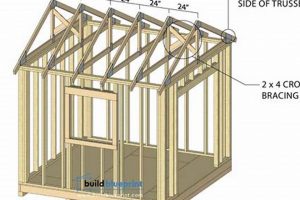
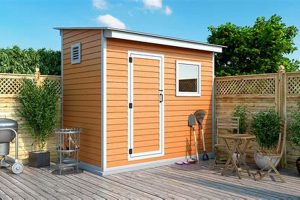
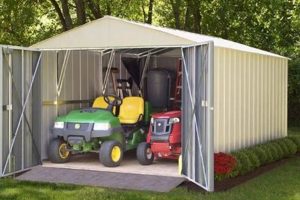
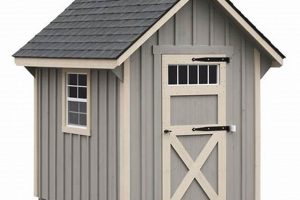
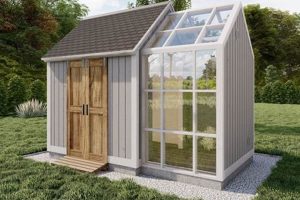
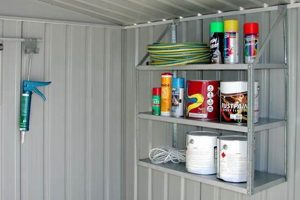
The concept represents a dedicated, personalized retreat typically constructed within an existing garden structure. These spaces serve as sanctuaries for pursuing hobbies, relaxation, or focused work, providing an escape from the main household environment. For instance, a pre-existing outdoor building may be converted into a workshop, a home office, or an entertainment area.
The increasing popularity of such spaces stems from several factors. They offer a cost-effective way to expand living area without undertaking major home renovations. Furthermore, these personalized zones provide a distinct advantage in fostering mental well-being by creating a dedicated area for leisure and personal pursuits. Historically, the desire for separate, functional spaces has existed in various forms, reflecting a need for individual expression and privacy.
The subsequent sections will delve into considerations for construction, design ideas tailored to specific interests, necessary regulatory aspects, and strategies for maximizing the functionality and comfort of these valuable extensions of the home.
Essential Considerations for the Garden Shed Man Cave
Creating a functional and enjoyable garden retreat requires careful planning and attention to detail. Prioritizing key aspects during the design and construction phases ensures the longevity and utility of the space.
Tip 1: Foundation Assessment: Evaluate the existing foundation or establish a solid base. Uneven ground or inadequate support will compromise the structural integrity of the altered space, potentially leading to costly repairs. Ensure the foundation is level and capable of supporting the intended load.
Tip 2: Weatherproofing Measures: Implement robust weatherproofing to protect against the elements. This includes sealing gaps, insulating walls and ceilings, and addressing potential leaks. Proper weatherproofing extends the usable lifespan of the structure and maintains a comfortable internal environment.
Tip 3: Electrical System Planning: Design an electrical system that meets current and future needs. Consider the number of outlets, the amperage requirements of intended appliances, and the installation of appropriate lighting. Engaging a certified electrician ensures compliance with safety regulations and prevents potential hazards.
Tip 4: Ventilation Strategies: Incorporate adequate ventilation to prevent moisture buildup and maintain air quality. This can be achieved through the installation of windows, vents, or an exhaust fan. Proper ventilation minimizes the risk of mold growth and promotes a healthy atmosphere.
Tip 5: Security Enhancement: Implement security measures to safeguard valuable possessions and deter unauthorized access. Installing sturdy locks, reinforcing doors and windows, and considering a security system provide peace of mind and protect against potential theft.
Tip 6: Legal Compliance: Check with local authorities regarding permits and building codes. Ensure the construction adheres to all regulations to avoid future legal issues and ensure the safety of the structure. This may include restrictions on size, setbacks, and utility connections.
Tip 7: Thoughtful Interior Design: Optimize the interior layout to maximize space and functionality. Choose furniture and storage solutions that are appropriate for the dimensions of the structure and accommodate the intended activities. A well-designed interior enhances usability and creates a comfortable environment.
Addressing these considerations proactively enhances the usability, longevity, and overall value of the designated space. Careful planning in the initial stages leads to a more rewarding and functional outcome.
The subsequent sections will provide a comprehensive guide to design inspirations and customization options for the garden retreat.
1. Structural Integrity

Structural integrity serves as the foundational element for any garden building transformed into a functional retreat. The existing structure, be it a pre-fabricated shed or a custom-built outbuilding, must possess the capacity to withstand environmental stressors and intended use. Compromised structural integrity manifests in various forms, including weakened foundations, deteriorated walls, or a compromised roof, which subsequently jeopardizes the safety and usability of the converted space. For instance, a shed with a rotting foundation is unsuitable for conversion without first addressing the underlying issue, as the added weight of insulation, furnishings, and equipment exacerbates the existing problem. A failure to rectify these issues directly leads to potential collapse, water damage, and the inability to safely utilize the allocated space.
The connection between structural soundness and the overall success of this endeavor extends beyond basic safety. Implementing reinforcement strategies, such as adding support beams, reinforcing foundations, or replacing deteriorated materials, directly impacts the longevity and usability of the space. Consider a scenario where a garden shed, originally intended for light storage, is repurposed into a workshop housing heavy machinery. Without proper reinforcement of the floor and walls, the vibrations and weight of the equipment will induce stress on the structure, leading to premature wear and potential failure. In such cases, proactive measures, such as installing additional support posts and reinforcing the floor with thicker plywood, mitigate these risks and ensure the structural integrity necessary for safe and effective use.
In summary, structural integrity is not merely a desirable attribute but a prerequisite for the successful conversion of any garden building into a habitable and functional retreat. Failure to adequately assess and address structural weaknesses poses significant risks, ranging from minor inconveniences to catastrophic failures. A thorough inspection, followed by necessary repairs and reinforcement, provides a solid foundation for realizing the intended purpose of the transformed space, ensuring its safety, longevity, and overall utility. This principle underpins all subsequent design and functionality enhancements.
2. Climate Control

Climate control within a garden outbuilding transformed into a personalized space is not merely an amenity but a fundamental requirement for year-round usability and comfort. The efficacy of climate control systems directly influences the extent to which the space can be utilized regardless of external weather conditions. Without adequate climate management, the structure may become uninhabitable during extreme temperatures or prone to moisture-related issues.
- Insulation Effectiveness
Insulation plays a pivotal role in regulating temperature fluctuations within the confined space. Effective insulation minimizes heat transfer, keeping the interior cooler during warmer months and retaining heat during colder periods. The selection of appropriate insulation materials, such as fiberglass batts, spray foam, or rigid foam boards, depends on the local climate and the desired level of thermal resistance. Inefficient insulation results in increased energy consumption for heating and cooling, as well as compromised comfort levels. For example, a poorly insulated structure in a region with harsh winters may experience significant heat loss, necessitating higher heating costs and potentially leading to frozen pipes.
- Ventilation Strategies
Ventilation is crucial for maintaining air quality and mitigating moisture buildup within the structure. Adequate ventilation prevents the accumulation of stale air, reduces the risk of mold and mildew growth, and helps regulate internal temperature. Natural ventilation, achieved through strategically placed windows and vents, can provide sufficient airflow during moderate weather conditions. However, mechanical ventilation systems, such as exhaust fans or whole-house ventilation systems, may be necessary in humid climates or when the structure is tightly sealed for energy efficiency. Insufficient ventilation results in elevated humidity levels, unpleasant odors, and potential health hazards.
- Heating and Cooling Systems
The selection of appropriate heating and cooling systems is paramount for achieving optimal climate control. Options range from portable space heaters and window air conditioners to more sophisticated systems such as ductless mini-split systems or radiant heating. The choice depends on the size of the structure, the local climate, and the desired level of temperature control. Undersized or inefficient heating and cooling systems may struggle to maintain comfortable temperatures during extreme weather, while oversized systems may cycle frequently and waste energy. For example, a ductless mini-split system offers efficient and precise temperature control, allowing for individual zone control and minimizing energy consumption.
- Dehumidification Methods
In humid climates, dehumidification is essential for preventing moisture-related problems. High humidity levels can foster mold and mildew growth, damage sensitive equipment, and create an uncomfortable environment. Dehumidifiers remove excess moisture from the air, maintaining a comfortable humidity level and protecting the structure from water damage. Portable dehumidifiers are suitable for smaller spaces, while whole-house dehumidifiers can provide more comprehensive moisture control. Failure to address humidity issues can lead to significant structural damage and health risks.
The integration of effective insulation, strategic ventilation, appropriate heating and cooling systems, and proactive dehumidification methods is essential for creating a comfortable and functional space, regardless of external weather conditions. A comprehensive approach to climate control extends the usability of the retreat throughout the year, providing a dedicated space for relaxation, hobbies, or work.
3. Power Accessibility

Reliable power access constitutes a cornerstone for the functionality and usability of any garden building repurposed as a personalized space. The absence of a dependable electrical supply significantly restricts the range of activities that can be performed and the overall enjoyment of the space, essentially reducing its potential to function as a true extension of the home.
- Lighting Provision
Adequate lighting is paramount for safety, functionality, and aesthetics. Insufficient lighting renders the space unusable during evening hours or in inclement weather, while poorly placed or inadequate lighting diminishes the ambiance. Electrical power enables the installation of various lighting solutions, including task lighting for specific activities, ambient lighting for creating a relaxed atmosphere, and exterior lighting for security. Furthermore, intelligent lighting systems, controlled via smartphones or voice assistants, enhance convenience and energy efficiency.
- Equipment Operation
Most hobbies, professions, or recreational activities require electrical power to operate necessary equipment. Woodworking necessitates power tools such as saws, drills, and sanders. Home offices rely on computers, printers, and monitors. Entertainment spaces utilize televisions, sound systems, and gaming consoles. Without reliable power, these activities are severely limited or rendered impossible. Adequate power capacity and sufficient outlets are essential for accommodating all potential equipment needs.
- Climate Control Support
Many climate control systems, including air conditioners, heaters, and dehumidifiers, require electrical power to function. In regions with extreme temperatures or high humidity, these systems are essential for maintaining a comfortable and usable environment. The absence of power hinders the ability to regulate temperature and humidity, rendering the space uncomfortable or even uninhabitable during certain times of the year.
- Safety and Security Systems
Electrical power is essential for operating safety and security systems, such as smoke detectors, carbon monoxide detectors, and security cameras. These systems provide critical protection for the structure and its occupants. Battery-powered alternatives exist, but they require regular maintenance and may not be as reliable as hardwired systems. A dedicated circuit for safety and security systems ensures their continued operation, even during power outages.
In summation, the presence of accessible and reliable power transforms the garden shed from a rudimentary storage structure into a versatile and functional extension of the home, enabling a wide range of activities and enhancing the overall enjoyment of the space. Careful planning and professional installation are essential for ensuring safe and efficient power distribution, maximizing the potential of the transformed structure.
4. Personalization Options

The concept of a garden building transformed into a personalized retreat hinges significantly on the breadth and depth of available customization options. Personalization serves as the defining characteristic that distinguishes a mere storage shed from a dedicated, functional space tailored to specific interests and needs. The absence of personalization reduces the utility and appeal, limiting its potential as a true extension of the home. The range of achievable customization directly impacts the degree to which the converted space aligns with individual requirements. For example, a model railroading enthusiast requires specific shelving, track layouts, and lighting arrangements, while a woodworking hobbyist necessitates workbenches, tool storage, and dust collection systems.
The integration of carefully selected features provides tangible benefits beyond mere aesthetic appeal. Ergonomic considerations, such as adjustable work surfaces and supportive seating, enhance comfort and productivity. Storage solutions, customized to accommodate specific tools, materials, or equipment, optimize space utilization and facilitate efficient workflow. Acoustic treatments, such as soundproofing panels or bass traps, minimize noise pollution and improve the auditory environment for music production or home theater setups. Furthermore, the incorporation of personal artifacts, artwork, and memorabilia fosters a sense of ownership and belonging, contributing to the overall enjoyment of the space. A practical application involves transforming a standard shed into a writer’s retreat, complete with a custom-built desk, bookshelves, and sound-dampening materials to create a quiet, distraction-free environment conducive to creative endeavors.
In summation, personalization options are not merely superficial embellishments but integral components that define the character and functionality of a garden building conversion. The degree to which the space can be tailored to individual needs directly impacts its usability, comfort, and overall appeal. While challenges may arise in terms of budget constraints, space limitations, or technical expertise, the investment in thoughtful personalization yields significant returns in terms of enhanced enjoyment and practical utility, aligning with the broader theme of creating a valuable and functional extension of the home.
5. Regulatory Compliance

Adherence to relevant regulations constitutes an indispensable aspect of constructing or modifying a garden structure into a functional space. The term “regulatory compliance,” in this context, encompasses adherence to local building codes, zoning ordinances, and potentially, homeowners’ association (HOA) rules. Failure to comply can result in legal penalties, including fines, mandatory alterations, or even demolition of the non-compliant structure. The practical significance lies in the potential financial burden and disruption caused by such consequences. For instance, erecting a structure exceeding the permissible square footage without obtaining the necessary permits may trigger a stop-work order from the local building department, halting construction and necessitating costly revisions to comply with regulations.
The interplay between regulations and the design of the intended space is multifaceted. Building codes often dictate minimum requirements for structural integrity, fire safety, electrical wiring, and plumbing. Zoning ordinances may restrict the size, location, and permitted uses of accessory structures on a property. HOA rules can further impose restrictions on aesthetics, materials, and noise levels. A real-world example involves the installation of plumbing for a wet bar or bathroom without obtaining the requisite permits and inspections. Such actions can violate plumbing codes, leading to potential health hazards from improper drainage or contamination of the water supply. Furthermore, the homeowner could face fines and be required to dismantle the unauthorized plumbing.
Therefore, diligent investigation and adherence to all applicable regulations are paramount. Consulting with local building officials, reviewing zoning ordinances, and obtaining necessary permits before commencing any construction or modification work mitigates the risk of costly penalties and ensures the safety and legality of the transformed space. Neglecting this aspect jeopardizes the entire project, potentially negating the intended benefits of the personalized retreat and exposing the homeowner to significant legal and financial repercussions.
Frequently Asked Questions Regarding Structures of this Type
This section addresses common inquiries and misconceptions concerning the establishment and utilization of customized outdoor spaces.
Question 1: What defines a structure of this nature versus a standard shed?
The defining characteristic is its intended use as a personalized, habitable space for hobbies, relaxation, or work, equipped with amenities beyond simple storage.
Question 2: Are there size limitations for such buildings?
Local zoning ordinances typically dictate maximum size restrictions for accessory structures based on lot size and setbacks from property lines.
Question 3: Do such projects always require building permits?
Most jurisdictions mandate building permits for structures exceeding a certain size or involving electrical or plumbing work.
Question 4: What are common heating and cooling solutions?
Options range from portable heaters and air conditioners to ductless mini-split systems, depending on the size of the space and climate.
Question 5: Is insulation truly necessary in all climates?
Insulation is strongly recommended to regulate temperature fluctuations and improve energy efficiency, even in milder climates.
Question 6: How can I ensure adequate ventilation?
Proper ventilation can be achieved through a combination of windows, vents, and exhaust fans to prevent moisture buildup and maintain air quality.
Proper planning and execution are crucial for creating a functional and enjoyable space.
The subsequent sections will delve into advanced design concepts.
Concluding Remarks on the Transformed Garden Structure
The preceding discussion has explored various facets of the “garden shed man cave,” emphasizing structural integrity, climate control, power accessibility, personalization, and regulatory compliance. Careful consideration of these elements is paramount for creating a functional and enduring space that aligns with individual needs and preferences. The transformation of a basic garden structure into a personalized retreat represents a significant undertaking, demanding meticulous planning and execution.
Ultimately, the successful conversion of a garden structure hinges on a commitment to quality craftsmanship, adherence to regulations, and a clear understanding of the intended purpose. While the allure of a dedicated space for relaxation, hobbies, or focused work is undeniable, neglecting fundamental principles may compromise the viability of the endeavor. Prospective individuals are encouraged to thoroughly assess their requirements, engage qualified professionals when necessary, and prioritize safety and compliance throughout the process to fully realize the potential of a well-designed and properly constructed garden retreat.