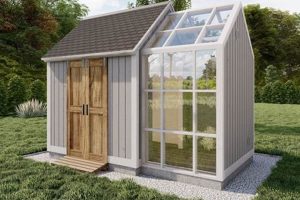
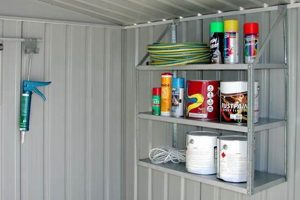
Garden structures designed for storage and workspace come in a diverse range, varying significantly in material, size, and purpose. These outbuildings provide a dedicated space for tools, equipment, and gardening supplies, enhancing organization and protecting items from the elements. Examples include structures built from wood, metal, or plastic, each offering unique advantages in terms of durability, cost, and aesthetics.
The availability of these structures offers substantial benefits to homeowners and gardening enthusiasts. They contribute to decluttering living spaces, safeguarding valuable equipment, and creating a functional area for potting plants or pursuing other gardening tasks. Historically, these structures evolved from simple shelters to sophisticated designs, reflecting changing needs and technological advancements in building materials.
The following sections will explore specific categories of these structures based on construction material, roof style, and intended function, providing a detailed overview of the options available to meet diverse needs and preferences.
Selection and Maintenance Guidelines
The following guidelines offer practical advice for selecting and maintaining garden storage structures to ensure longevity and optimal functionality.
Tip 1: Consider Material Durability. Assess the climate and environmental factors to determine the most suitable material. Metal structures offer superior resistance to rot and pests, while wooden structures require regular treatment to prevent degradation.
Tip 2: Evaluate Storage Needs. Accurately estimate the volume of items to be stored. Choosing a structure with insufficient space leads to clutter and inefficiency, while an excessively large structure may occupy valuable garden space unnecessarily.
Tip 3: Assess Foundation Requirements. Ensure a stable and level foundation. Uneven ground compromises structural integrity and can lead to premature wear and tear. Concrete slabs, gravel beds, or pressure-treated timber frames are common foundation options.
Tip 4: Prioritize Proper Ventilation. Adequate ventilation prevents moisture buildup, minimizing the risk of mold and mildew. Install vents or consider designs with breathable materials to promote airflow.
Tip 5: Implement Regular Maintenance. Conduct routine inspections to identify and address minor issues promptly. Repair leaks, treat wood, and clear debris to prevent more significant damage over time.
Tip 6: Adhere to Local Regulations. Research local zoning ordinances and building codes before installation. Compliance ensures that the structure meets legal requirements and avoids potential fines or removal orders.
Tip 7: Invest in Quality Hardware. Opt for robust hinges, latches, and fasteners. Inferior hardware compromises security and reduces the overall lifespan of the structure.
Adhering to these guidelines ensures the selection of an appropriate structure and promotes long-term preservation, maximizing the utility of the outdoor storage solution.
The subsequent sections will delve into specific styles and applications to further inform the selection process.
1. Material Durability

Material durability is a paramount consideration when selecting a garden structure. The longevity and resistance to environmental factors directly influence the long-term cost-effectiveness and maintenance requirements of the chosen structure.
- Wood Resistance
Wooden structures, while aesthetically pleasing, are susceptible to rot, insect infestation, and moisture damage. Treated lumber and regular maintenance, including staining or painting, are essential to prolong their lifespan. However, even with diligent care, wooden units may require periodic replacement of components. Examples include cedar and redwood, which possess natural resistance to decay but still necessitate protection.
- Metal Corrosion Prevention
Metal structures offer enhanced durability, particularly those constructed from galvanized steel or aluminum. Galvanization provides a protective zinc coating that prevents rust formation, extending the service life. Aluminum is naturally corrosion-resistant but may be less structurally robust than steel. Regular inspection and prompt treatment of any surface scratches prevent localized corrosion and maintain integrity.
- Plastic Stability
Plastic structures, often made from polyethylene or vinyl, are resistant to rot, insects, and moisture. However, prolonged exposure to ultraviolet (UV) radiation can cause degradation and embrittlement. UV-stabilized plastics offer improved resistance, but even these may experience fading or cracking over time. The quality of the plastic formulation significantly impacts its long-term performance.
- Composite Longevity
Composite materials, such as those combining wood fibers and plastics, offer a balance of aesthetics and durability. They resist rot and insects while providing structural stability. However, the quality of the composite blend affects its resistance to moisture absorption and UV degradation. High-quality composites can provide decades of service with minimal maintenance.
The choice of material directly impacts the lifespan and maintenance needs of garden structures. Selecting materials appropriate for the local climate and usage patterns ensures a worthwhile investment and minimizes long-term costs associated with repair or replacement.
2. Size and Dimensions

The physical proportions of garden outbuildings are critical determinants of their suitability for specific purposes. Size and dimensions directly influence storage capacity, internal usability, and the structure’s compatibility with the available space. The selection of appropriate dimensions is therefore integral to maximizing the utility of such a structure.
- Footprint and Site Constraints
The overall footprint, defined by length and width, must conform to the available area within a garden or property. Restrictions imposed by property lines, existing landscaping, or easements may dictate the maximum allowable dimensions. Overly large structures can violate zoning regulations and require costly modifications or removal. Conversely, a structure too small may not adequately fulfill storage needs.
- Height and Vertical Space
Height affects internal storage capacity, particularly for tall items or those requiring vertical shelving. Sufficient headroom is essential for comfortable access and maneuverability within the structure. However, excessive height may require additional structural support to withstand wind loads and can impact aesthetic integration with surrounding elements. Low profile structures may be preferable in areas with height restrictions or strong winds.
- Door Size and Accessibility
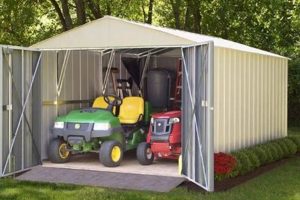
Door dimensions dictate the size of items that can be easily moved in and out. Wide doorways are necessary for accommodating large equipment, such as lawnmowers or wheelbarrows. Single doors are often sufficient for smaller structures, while double doors facilitate access to larger items. Door placement and swing direction also affect internal usability and should be considered in relation to storage layout.
- Internal Configuration and Layout
Internal dimensions influence the potential for shelving, workbenches, and other storage solutions. Sufficient space must be allocated for pathways and working areas to ensure safe and efficient utilization. The layout should optimize storage density while maintaining accessibility to frequently used items. Structures intended for use as workshops require more open space than those primarily for storage.
The interplay of footprint, height, door size, and internal configuration defines the practical utility of garden outbuildings. These dimensional characteristics are crucial when assessing different designs, ensuring alignment with specific needs and site limitations. Selection based on these factors optimizes functionality and integration within the outdoor environment.
3. Roofing Structure
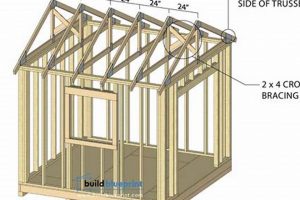
The roofing structure is a critical component in determining the functionality and longevity of garden outbuildings. It provides primary protection against precipitation, solar radiation, and wind, directly impacting the structural integrity and usability of the interior space. Varying architectural styles and materials dictate the effectiveness of this protective function across different types of garden structures.
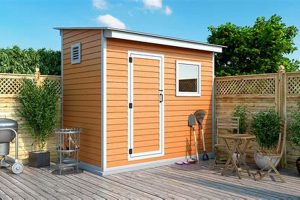
For example, a simple shed might employ a single-sloped (shed) roof, offering cost-effective construction and efficient water runoff in areas with moderate rainfall. Conversely, a more elaborate structure intended for use as a workshop or greenhouse could utilize a gable roof, providing increased headroom and allowing for the installation of ventilation systems or skylights. The choice of roofing material, such as asphalt shingles, metal sheeting, or wooden shakes, further influences durability, insulation, and aesthetic appeal. Leaks in the roof of a garden shed can cause severe damage to tools and equipment.
Effective roofing design balances structural requirements with aesthetic considerations and local climatic conditions. Understanding the correlation between roofing structure and the overall performance of garden outbuildings is essential for informed selection and long-term maintenance. Considerations must include local weather patterns, such as heavy snow loads, and the intended use of the structure.
4. Foundation Type

The choice of foundation for garden outbuildings significantly influences their structural integrity, stability, and longevity. Different foundation types are suited to various soil conditions, shed sizes, and intended uses, impacting both initial cost and long-term maintenance requirements.
- Concrete Slab Foundations
Concrete slabs provide a rigid, level surface ideal for larger, more permanent structures. They offer excellent support, prevent ground moisture from entering the structure, and minimize the risk of settling or shifting. Slab foundations require careful site preparation, including excavation and proper drainage to prevent cracking or heaving. These are often used for larger workshop or storage units requiring a stable base.
- Gravel Bed Foundations
Gravel beds offer a cost-effective and well-draining foundation solution, particularly suitable for smaller sheds or temporary structures. They consist of a compacted layer of gravel that provides a stable, level base while allowing water to drain away from the structure’s base. Gravel foundations are relatively easy to install but may not provide the same level of support as concrete slabs, potentially leading to gradual settling over time. This is often used for the smallest sheds.
- Timber Frame Foundations
Timber frame foundations involve constructing a rectangular frame from pressure-treated lumber to support the structure. This type of foundation elevates the structure off the ground, improving ventilation and reducing the risk of rot or insect infestation. Timber frame foundations are relatively easy to install and can be adjusted to accommodate uneven terrain, but they may require periodic maintenance to ensure structural integrity and prevent decay.
- Pier and Beam Foundations
Pier and beam foundations consist of concrete or masonry piers that support a network of beams, creating a raised platform for the structure. This type of foundation provides excellent ventilation, minimizes ground contact, and is well-suited for sites with sloping terrain. Pier and beam foundations require careful planning and construction to ensure proper weight distribution and prevent sagging or shifting over time.
The selection of an appropriate foundation is critical to ensuring the long-term performance and stability of garden outbuildings. Careful consideration of soil conditions, shed size, and intended use, along with proper installation techniques, will maximize the lifespan and utility of the structure.
5. Intended Purpose

The function a garden structure is designed to fulfill dictates critical aspects of its construction, layout, and features. The intended purpose serves as a primary determinant influencing the type selected, creating a direct causal relationship. For instance, a structure purposed as a potting shed necessitates abundant natural light, workbench space, and ample storage for soil and containers. Conversely, a structure intended solely for the storage of lawn equipment demands robust security features, a wide door for accessibility, and potentially, a ramp for ease of loading and unloading. The absence of a clear understanding of the intended purpose results in the selection of a structure unsuited to the task, thereby diminishing its utility and value.
Consider two practical examples: a homeowner requiring winter storage for patio furniture benefits from a simple, uninsulated structure with minimal features. However, a professional gardener seeking a year-round workspace for plant propagation and seed starting would necessitate a climate-controlled structure with insulation, heating, and potentially, supplemental lighting. These divergent needs highlight the importance of defining the function before assessing specific models, features, or materials. Furthermore, ignoring this preliminary step can lead to costly retrofitting or, ultimately, the need for complete replacement.
In summary, the intended purpose fundamentally shapes the selection and configuration of garden structures. Defining this purpose, therefore, becomes paramount. Overlooking this initial assessment can lead to inefficient or ineffective solutions. Recognizing the direct link between intended function and the appropriate structure guarantees optimized utility and ensures that the chosen solution fully addresses the specified needs.
6. Aesthetic Style

The visual appearance of garden outbuildings significantly impacts their integration into the surrounding landscape and contributes to the overall aesthetic of the property. Aesthetic style is a crucial factor in selecting these structures, influencing their compatibility with existing architectural themes and personal preferences.
- Material and Finish Harmony
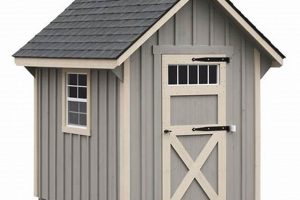
Material choices directly influence the aesthetic. Natural wood finishes provide a rustic appeal, while painted surfaces allow for color coordination with existing structures or landscaping elements. The finish quality, whether a matte stain or a glossy paint, contributes to the perceived sophistication and integrates the structure into the surrounding environment. This harmony is essential for cohesive visual appeal.
- Architectural Design Coherence
The structural design should complement existing architectural styles. A modern garden might benefit from a minimalist, geometric shed, while a traditional garden could accommodate a structure with Victorian-era detailing. Coherence ensures that the structure enhances, rather than detracts from, the property’s overall visual theme. Elements like roof pitch and window design play critical roles here.
- Landscaping Integration and Visual Blending
The position of the structure in the garden affects its visibility and impact. Careful consideration should be given to visual blending with existing landscaping. Strategic placement behind shrubs or the use of climbing plants can soften the structure’s visual presence. The integration strategy should consider seasonal variations and growth patterns to maintain a balanced and visually pleasing effect throughout the year.
- Customization and Personal Expression
Garden structures offer opportunities for personal expression through customization. Decorative elements, such as window boxes, shutters, or custom paint colors, allow homeowners to tailor the structure to their individual tastes. Customization enhances the structure’s aesthetic value and strengthens its connection to the property’s overall design. Consider adding bespoke touches that reflect individual style.
Aesthetic style fundamentally shapes the integration of garden structures into the broader landscape. Harmonious material choices, architectural design coherence, landscaping integration, and personalization collectively define the visual impact. Careful consideration of these factors ensures that garden structures contribute positively to the property’s overall aesthetic appeal, enhancing both its functionality and its beauty.
Frequently Asked Questions About Garden Storage Structures
The following addresses common inquiries regarding garden storage structures, providing concise and informative answers to assist in the selection and maintenance of these valuable outdoor assets.
Question 1: What is the anticipated lifespan of a wooden garden outbuilding?
The lifespan of a wooden garden outbuilding varies significantly, dependent on the type of wood used, the quality of construction, and the diligence of maintenance. Structures built with pressure-treated lumber and diligently maintained with regular staining or painting can potentially last for 15 to 20 years or more. Neglecting maintenance, however, significantly reduces this lifespan.
Question 2: Are permits typically required for the installation of a garden storage structure?
Permit requirements are contingent upon local zoning ordinances and building codes. Generally, structures exceeding a certain size, often 100 square feet, necessitate a permit. It is imperative to consult local authorities to ascertain specific regulations before commencing construction or installation to avoid potential legal ramifications.
Question 3: What are the primary advantages of metal structures compared to wooden structures?
Metal structures exhibit enhanced resistance to rot, insect infestation, and fire, representing key advantages over wooden counterparts. Metal structures, particularly those constructed from galvanized steel, generally require less ongoing maintenance. However, they may be more prone to denting or scratching and can lack the aesthetic appeal of natural wood.
Question 4: How can condensation within garden outbuildings be mitigated?
Condensation occurs due to temperature differentials between the interior and exterior environments. Adequate ventilation is crucial for mitigating condensation. Installing vents, ensuring proper airflow, and employing moisture-absorbing materials can effectively reduce condensation buildup, preventing mold and mildew growth. Insulation is helpful, too.
Question 5: What constitutes an appropriate foundation for garden storage structures?
The appropriate foundation depends on the size and intended use of the structure, as well as the soil conditions. Smaller structures may suffice with a gravel bed or timber frame, while larger, more permanent structures necessitate a concrete slab. The foundation should provide a level, stable base to prevent settling and ensure structural integrity.
Question 6: What are the recommended security measures for garden storage structures?
Robust security measures deter theft and protect valuable contents. Installing a high-quality locking mechanism, reinforcing doors and windows, and considering motion-activated lighting enhance security. Further, securing the structure to a solid foundation can prevent unauthorized removal.
In summary, addressing these frequently asked questions provides a foundational understanding of key considerations when selecting and maintaining garden storage structures. Careful planning and diligent maintenance are essential for maximizing the utility and longevity of these valuable outdoor assets.
The subsequent section will explore various practical applications to further inform usage strategy.
Concluding Remarks on Garden Structures
The preceding analysis has elucidated the diverse range of garden outbuildings available, emphasizing critical factors such as material durability, size considerations, roofing structures, foundation types, intended purposes, and aesthetic styles. A thorough understanding of these elements is paramount for informed decision-making. Proper evaluation ensures the selection of a structure that aligns with specific requirements and environmental conditions.
Selecting an appropriate garden structure represents a significant investment requiring diligent planning and assessment. Failure to adequately consider the aforementioned factors can result in functional inadequacies, increased maintenance costs, or premature structural failure. Ongoing research and consultation with industry professionals are encouraged to optimize the selection process and ensure the enduring utility of garden outbuildings within the landscape.