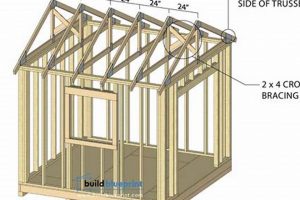
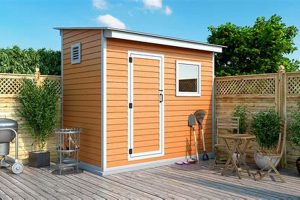
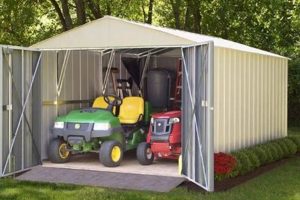
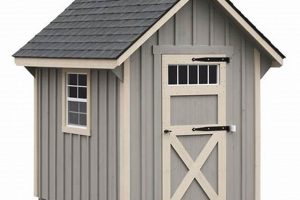
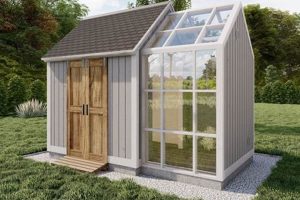
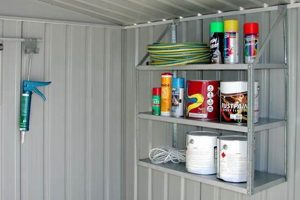
These components facilitate air circulation within enclosed outdoor storage structures. They are designed to mitigate moisture buildup and temperature extremes, promoting a healthier internal environment. For example, installing screened openings near the roofline and base of a structure allows for a natural convection current.
Proper ventilation is crucial for preserving the integrity of stored items and the structure itself. It prevents the growth of mold and mildew, reduces the risk of rust and corrosion, and helps regulate internal temperatures. Historically, simple openings or gaps in construction served this purpose; modern designs offer more sophisticated and effective solutions.
The following sections will delve into the selection criteria, installation techniques, and maintenance strategies for effective implementation of these crucial elements.
Effective Implementation Strategies
Optimizing the performance of outdoor storage structures requires careful attention to airflow management. The following guidelines provide key insights for maximizing the benefits of ventilation systems.
Tip 1: Strategic Placement: Position inlets low and outlets high to leverage natural convection. This promotes efficient upward movement of warm, moist air.
Tip 2: Adequate Sizing: Calculate the appropriate vent area based on the square footage of the structure. Insufficient area limits effectiveness, while excessive area may compromise security.
Tip 3: Weather Protection: Select models incorporating features like louvers or overhangs to prevent rainwater ingress. Consider prevailing wind direction when determining placement.
Tip 4: Insect Screening: Install fine mesh screens to deter insects and pests. Regularly inspect and clean screens to maintain optimal airflow.
Tip 5: Material Compatibility: Choose materials compatible with the shed’s construction. Avoid dissimilar metals that can lead to corrosion.
Tip 6: Regular Inspection: Conduct periodic inspections to ensure unobstructed airflow. Clear debris, such as leaves and cobwebs, that may accumulate.
Tip 7: Consider Adjustable Options: Implement adjustable models allowing regulation of airflow based on seasonal conditions and stored items.
Implementing these strategies promotes a dry, well-ventilated environment, safeguarding stored items from moisture damage and extending the lifespan of the structure.
The concluding section will summarize the critical considerations for selecting and maintaining effective ventilation solutions.
1. Placement Height

Strategic positioning significantly impacts the effectiveness of air circulation within a garden shed. The vertical location of intake and exhaust points determines the efficiency of natural convection currents, influencing temperature and humidity levels within the structure.
- Low Inlet Vents: Facilitating Cool Air Intake
Positioning intake points near ground level leverages cooler, denser air. This cool air enters the shed, displacing warmer, moisture-laden air upwards. This approach is especially beneficial in warmer climates or during summer months, promoting a constant influx of cooler air. Failure to position inlets low reduces the temperature differential, hindering effective circulation.
- High Outlet Vents: Exhausting Warm, Moist Air
Outlet points placed near the roofline facilitate the escape of warm, humid air that naturally rises. As warm air exits, it draws in cooler air through the lower inlets, creating a continuous cycle. Without high-mounted exhaust, moisture can accumulate, fostering mold growth and corrosion. The greater the vertical distance between inlet and outlet, the stronger the convective current.
- Differential Height: Optimizing Convection
The difference in elevation between intake and exhaust is a key factor. A greater vertical separation maximizes the pressure differential, leading to increased airflow. This is particularly important in larger or poorly insulated sheds. The ideal height differential depends on shed size, climate, and stored contents.
- Obstruction Avoidance: Ensuring Unimpeded Airflow
Placement must account for potential obstructions both inside and outside the shed. Internal shelving or stored items should not block airflow between the intake and exhaust. External obstacles, like trees or fences, can disrupt wind patterns and reduce the effectiveness of vents. Choosing locations with minimal obstructions ensures optimal performance.
Optimal vent placement, considering inlet and outlet height, maximizes natural convection within the structure. Proper installation and design can greatly improve storage conditions.
2. Screen Mesh Size

The specification of screen mesh size is integral to the function and effectiveness of ventilation components integrated into garden storage structures. This attribute determines the balance between airflow and the exclusion of unwanted elements, such as insects and debris, directly impacting the internal environment.
- Insect Exclusion Efficiency
A finer mesh size, indicated by a higher number of openings per inch, provides greater resistance to insect ingress. This is particularly critical in regions with prevalent insect populations. However, excessively fine mesh can impede airflow, diminishing the overall performance of the ventilation system. A balance must be struck to minimize insect entry without significantly restricting air circulation. For example, 16-mesh screening is commonly used to exclude mosquitoes, while still permitting adequate airflow.
- Debris Prevention
Mesh size also influences the ability to prevent the entry of airborne debris, such as leaves, dust, and seeds. Accumulation of debris within a shed can create breeding grounds for pests and contribute to moisture retention. Larger mesh openings offer less resistance to airflow but are less effective at blocking debris. The selection of mesh size should consider the local environment and prevailing weather conditions. Areas prone to high winds or heavy leaf fall may necessitate a finer mesh to prevent excessive debris accumulation.
- Airflow Restriction
Increasing the mesh count reduces the open area available for airflow. This restriction increases resistance to air movement, potentially diminishing the overall effectiveness of the ventilation system. The impact of mesh size on airflow should be considered in relation to the total vent area. A larger vent area may compensate for the reduced airflow caused by a finer mesh. Computational fluid dynamics (CFD) modeling can be used to optimize mesh size and vent area to achieve desired airflow rates.
- Material Durability
The material composition and construction of the screen mesh influence its durability and resistance to damage. Common materials include aluminum, fiberglass, and stainless steel. Aluminum is lightweight and corrosion-resistant but can be susceptible to damage from impacts. Fiberglass is more flexible but may degrade over time with exposure to UV radiation. Stainless steel offers superior strength and corrosion resistance but is more expensive. The selection of mesh material should consider environmental conditions and potential physical stressors.
The selection of an appropriate screen mesh size for garden shed ventilation components requires careful consideration of insect exclusion, debris prevention, airflow restriction, and material durability. Optimizing this parameter is crucial for maintaining a dry, well-ventilated storage environment.
3. Material Durability

The lifespan and effectiveness of garden shed ventilation components are intrinsically linked to the durability of the materials used in their construction. Material selection directly influences a vent’s ability to withstand environmental stressors, maintain structural integrity, and consistently perform its intended function of facilitating airflow. Premature degradation of vent materials leads to compromised ventilation, resulting in moisture buildup, pest infestation, and potential damage to stored contents. For instance, vents constructed from low-grade plastics may become brittle and crack under prolonged UV exposure, negating their protective function. Conversely, vents crafted from corrosion-resistant metals or UV-stabilized polymers maintain their integrity and functionality over extended periods.
The practical application of durable materials in vent construction extends beyond simple longevity. Well-chosen materials minimize maintenance requirements. For example, aluminum or stainless-steel mesh screens resist rust and corrosion, reducing the need for frequent replacement or repair. In coastal regions with high salinity, the use of corrosion-resistant materials is paramount to prevent rapid deterioration. Similarly, in climates with extreme temperature fluctuations, materials that maintain dimensional stability are essential to prevent warping or cracking, which can compromise airflow and allow pest entry. Consider the example of fiberglass screening versus metal screening: While fiberglass is initially cheaper, it degrades under sunlight, requiring more frequent replacement compared to galvanized steel or aluminum, representing a long-term cost saving.
In summary, material durability is a crucial design consideration for garden shed ventilation. The selection of appropriate materials directly affects the longevity, performance, and maintenance requirements of these components. Utilizing robust, weather-resistant materials ensures effective ventilation, safeguarding stored items and prolonging the structural integrity of the shed. Failure to prioritize material durability results in frequent replacements, increased maintenance costs, and ultimately, a less effective storage solution.
4. Airflow Capacity

Airflow capacity is a critical performance parameter for garden shed ventilation systems. It quantifies the volume of air that can be exchanged within a given time period, directly influencing the shed’s internal environment and the preservation of stored items. Insufficient airflow leads to moisture accumulation, temperature extremes, and potential degradation of stored goods. Adequate airflow mitigates these risks, creating a more stable and protective environment.
- Ventilation Rate Requirements
Different storage needs necessitate varying airflow rates. For general storage, a moderate exchange rate may suffice. However, storing temperature-sensitive items, such as paints or chemicals, requires higher ventilation rates to prevent overheating and maintain stable conditions. Over-ventilation, while less problematic, can lead to excessive temperature fluctuations in cold climates, potentially damaging certain items. Determining the appropriate ventilation rate involves assessing the stored contents and the prevailing climate.
- Factors Influencing Airflow
Several factors govern the actual airflow capacity of a vent system. These include the size and number of vents, the prevailing wind conditions, and the internal layout of the shed. Larger and more numerous vents naturally increase airflow. External wind pressure can significantly enhance ventilation, particularly with strategically placed vents. Internal obstructions, such as shelving or stored items, can impede airflow, reducing overall effectiveness. A comprehensive assessment of these factors is essential for accurate airflow estimation.
- Measurement and Calculation
Airflow capacity can be measured using specialized equipment, such as anemometers, to determine air velocity through the vents. Alternatively, it can be estimated using computational fluid dynamics (CFD) modeling, simulating airflow patterns within the shed. These measurements and calculations provide valuable insights for optimizing vent placement and sizing. For example, CFD analysis can identify areas of stagnant air within the shed, indicating the need for additional vents or repositioning of existing ones.
- Impact of Obstructions
The presence of internal obstructions dramatically affects airflow patterns and overall ventilation efficiency. Shelving, large equipment, and tightly packed items can block airflow pathways, creating stagnant zones. Careful arrangement of stored items and strategic placement of vents can mitigate these effects. Implementing vented shelving or utilizing airflow deflectors can promote better circulation throughout the shed. Regular rearrangement of stored items may also be necessary to maintain optimal airflow.
In conclusion, understanding and managing airflow capacity is crucial for effective garden shed ventilation. Proper vent sizing, strategic placement, and consideration of internal obstructions are all essential for maintaining a stable and protective storage environment. Regular monitoring and adjustment of the ventilation system may be necessary to adapt to changing storage needs and environmental conditions.
5. Weather Resistance

Weather resistance constitutes a fundamental attribute of effective garden shed ventilation components. The ability to withstand environmental stressors, such as rain, snow, extreme temperatures, and ultraviolet (UV) radiation, directly impacts the longevity and performance of these systems. Without adequate weather resistance, vents are susceptible to degradation, compromising their functionality and negating their intended purpose of regulating internal humidity and temperature.
The consequences of inadequate weather resistance manifest in various forms. Water infiltration through damaged vents can lead to moisture accumulation within the shed, fostering mold and mildew growth, which, in turn, can damage stored items and compromise the structural integrity of the shed itself. Thermal degradation from prolonged exposure to sunlight can cause vents made from certain plastics to become brittle and crack, reducing their airflow capacity and allowing pest entry. Furthermore, repeated freeze-thaw cycles can exacerbate material degradation, leading to premature failure. For example, vents constructed from untreated wood are prone to rot and decay, while those made from low-grade plastics may warp and deform under high heat. The selection of materials with inherent weather-resistant properties, such as UV-stabilized polymers, corrosion-resistant metals (e.g., aluminum, stainless steel), or pressure-treated lumber, is crucial for ensuring long-term reliability.
Therefore, weather resistance is not merely a desirable feature but an essential requirement for garden shed ventilation. It directly affects the vent’s ability to perform its intended function and contributes significantly to the overall protection and preservation of stored items and the shed structure itself. Investing in vents with proven weather-resistant properties represents a sound long-term strategy for minimizing maintenance costs and ensuring optimal storage conditions.
6. Installation ease

The installation process of garden shed ventilation components directly influences their widespread adoption and effectiveness. Complex installation procedures can deter potential users, while straightforward installation promotes proper implementation and, consequently, optimal performance. The correlation stems from the increased likelihood of correct installation when procedures are simple and well-documented. Incorrectly installed components may not function as intended, negating the benefits of ventilation and potentially leading to moisture buildup or pest intrusion. An example is the difference between vents requiring specialized tools and those designed for basic DIY installation, the latter lowers the barrier to proper airflow in the shed.
Ease of installation is also directly tied to reduced labor costs and time investment. Pre-fabricated vents with clear, concise instructions minimize the need for professional assistance, making them accessible to a broader range of users. Features such as pre-drilled mounting holes, standardized sizes, and intuitive attachment mechanisms further simplify the installation process. Conversely, components requiring custom cutting, intricate assembly, or specialized tools can significantly increase installation complexity and cost.
Successful implementation of garden shed ventilation relies not only on the quality of the components but also on the practicality of their installation. Straightforward installation procedures translate to more widespread adoption, proper function, and ultimately, a healthier and more durable storage environment. Prioritizing user-friendly installation design is crucial for maximizing the benefits of these systems.
7. Adjustable louvers

Adjustable louvers are a significant feature integrated into certain garden shed ventilation systems. Their presence allows for dynamic control over airflow, responding to changing environmental conditions and storage requirements. The capacity to modulate the vent opening directly impacts the rate of air exchange within the structure. Without adjustable louvers, ventilation is static, potentially leading to either insufficient airflow during periods of high humidity or excessive airflow during colder months. Consider, for example, a shed used for storing gardening tools and sensitive potted plants. During the humid summer months, open louvers maximize airflow, preventing mold and mildew. Conversely, during the winter, partially closed louvers reduce cold drafts, protecting the plants from frost damage. This adaptability is crucial for maintaining an optimal storage environment.
The practical significance of adjustable louvers extends to energy conservation and cost savings. By regulating airflow based on seasonal needs, adjustable louvers minimize temperature fluctuations within the shed, reducing the need for supplemental heating or cooling. Furthermore, they offer a degree of protection against inclement weather. Partially closing the louvers during heavy rain prevents water ingress, protecting stored items from water damage. In contrast, fixed vents offer no such protection, potentially exposing the contents to moisture. The inclusion of adjustable louvers represents a design enhancement that prioritizes both functionality and adaptability, providing users with greater control over their storage environment. They provide a flexible component in the fixed parameters of a garden shed.
Adjustable louvers provide a practical solution in the often static design of garden shed vents. While offering increased adaptability, the selection of durable, weather-resistant materials is paramount to ensure long-term reliability. Adjustable louvers’ benefit is directly proportional to proper operation by the end-user. This design balances adaptability with potential for user error, underlining the importance of clear operation instructions.
Frequently Asked Questions
The following questions address common concerns regarding the selection, installation, and maintenance of ventilation systems for outdoor storage structures.
Question 1: What is the primary purpose of garden shed vents?
The primary purpose is to facilitate air circulation, mitigating moisture buildup and regulating temperature within the shed. This prevents mold growth, corrosion, and damage to stored items.
Question 2: How does vent placement impact effectiveness?
Strategic placement, with inlets low and outlets high, promotes natural convection. This encourages the upward movement of warm, moist air and the intake of cooler, drier air.
Question 3: What factors should be considered when sizing garden shed vents?
Consider the shed’s square footage, climate, and type of stored items. Insufficient vent area limits airflow, while excessive area can compromise security or temperature stability.
Question 4: What mesh size is recommended for insect screening?
A mesh size of 16 openings per inch is generally effective for excluding mosquitoes and other insects while maintaining adequate airflow. Finer mesh sizes may further restrict airflow.
Question 5: How often should garden shed vents be inspected and maintained?
Periodic inspections, ideally quarterly, are recommended to ensure unobstructed airflow. Remove any accumulated debris, such as leaves, cobwebs, or insect nests. Replace damaged screens or vent covers promptly.
Question 6: Are adjustable louvers necessary for all garden sheds?
Adjustable louvers provide greater control over airflow, allowing for adjustments based on seasonal conditions or specific storage needs. While not essential, they enhance ventilation effectiveness and can conserve energy.
Proper implementation of these factors ensures the best possible environmental control inside the shed.
The succeeding segment will provide a concise overview of vent purchasing and long-term management strategies.
Garden Shed Vents
This exploration has detailed the critical role of “garden shed vents” in maintaining suitable storage environments. Key factors discussed include strategic placement, adequate sizing, material durability, appropriate screen mesh, and the advantages of adjustable louvers. Effective implementation directly influences the preservation of stored items and the longevity of the storage structure.
The implementation of these ventilation components represents a necessary investment. Ongoing diligence in inspection and maintenance ensures continued optimal performance. Prioritizing proper ventilation is a proactive measure against preventable damage, ultimately safeguarding resources and infrastructure.