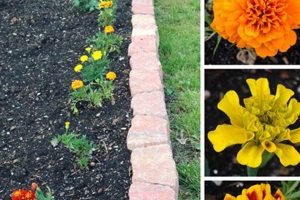
A curated outdoor space designed to foster positive emotional responses and well-being through specific horticultural elements is increasingly recognized. These areas incorporate features intended to elicit joy, reduce stress, and promote social interaction. For example, the strategic placement of colorful blooms, soothing water features, and comfortable seating can contribute to a more uplifting and restorative environment.
The significance of such spaces lies in their potential to enhance mental and emotional health. Studies suggest that exposure to nature can lower cortisol levels, improve mood, and increase feelings of connectedness. Historically, gardens have served as places of refuge and healing, and modern interpretations build upon this tradition by intentionally incorporating elements that promote psychological well-being. The availability of these therapeutic environments can have a positive impact on communities and individuals alike.
The following sections will delve into the specific design principles, plant selections, and community engagement strategies involved in the creation and maintenance of such spaces, providing practical guidance for establishing similar projects.
Cultivating a Beneficial Outdoor Space
The following offers specific strategies to maximize the positive impact of carefully designed and maintained outdoor areas. These guidelines focus on practical application and measurable outcomes.
Tip 1: Conduct a Thorough Site Assessment: Evaluate sunlight exposure, soil composition, and drainage patterns. This analysis informs plant selection and ensures long-term viability of the design.
Tip 2: Prioritize Plant Diversity: Select a variety of plants with varying textures, colors, and bloom times to provide visual interest throughout the year and attract beneficial insects.
Tip 3: Incorporate Sensory Elements: Integrate features that engage multiple senses, such as fragrant herbs, textured foliage, and the sound of moving water, to enhance the overall experience.
Tip 4: Design for Accessibility: Ensure pathways are wide, smooth, and accessible to individuals with mobility limitations. Include seating areas with varying heights and support options.
Tip 5: Optimize for Maintenance: Choose plants that are well-suited to the local climate and require minimal pruning and watering. Implement efficient irrigation systems and consider drought-tolerant species.
Tip 6: Foster Community Involvement: Organize volunteer opportunities for planting, weeding, and general upkeep. Engage local residents in the planning and design process to ensure the space reflects their needs and preferences.
Tip 7: Establish Clear Guidelines for Use: Develop and enforce rules regarding noise levels, waste disposal, and appropriate conduct to maintain a peaceful and respectful environment.
Maximizing the benefits of these environments requires a data-driven approach. Consistent monitoring of usage patterns, participant feedback, and environmental conditions is essential for continuous improvement and long-term success.
The subsequent sections will elaborate on the long-term maintenance strategies and community integration methods vital for sustaining these therapeutic outdoor environments.
1. Accessibility

The principle of accessibility is fundamental to the efficacy of any outdoor therapeutic space. A garden designed to promote positive emotional responses cannot fulfill its purpose if physical barriers impede its use by individuals with mobility limitations, visual impairments, or other disabilities. Inaccessible environments inherently exclude a segment of the population, negating the intended benefit of universal well-being. Consequently, the design of such spaces must prioritize inclusive design principles from the outset.
Practical implementations of accessibility in garden design include the installation of smooth, wide pathways suitable for wheelchairs and walkers. Raised planting beds mitigate the need for bending and kneeling, allowing individuals with limited mobility to participate in gardening activities. Tactile paving and audio cues can aid navigation for visually impaired visitors. Furthermore, the provision of shaded rest areas and accessible restroom facilities enhances the overall experience and encourages prolonged use. For example, the Sensory Garden at the Royal Botanic Garden Edinburgh incorporates these elements to ensure inclusivity for all visitors.
Prioritizing accessibility within outdoor therapeutic spaces is not merely a matter of compliance with disability legislation; it is an ethical imperative. By creating inclusive environments, communities ensure that all members have the opportunity to experience the restorative benefits of nature, fostering a sense of belonging and promoting overall well-being. Overcoming accessibility barriers requires a commitment to universal design principles and a collaborative approach involving landscape architects, accessibility consultants, and community stakeholders. The continued emphasis on accessibility is essential for realizing the full potential of therapeutic outdoor spaces.
2. Plant Selection

Plant selection exerts a direct influence on the efficacy of any outdoor therapeutic space designed to elicit positive emotional responses. The intentional choice of plant species and their arrangement contributes significantly to the overall sensory experience and psychological impact of the environment. Inadequate consideration of plant characteristics can undermine the intended therapeutic benefits, leading to an environment that is aesthetically unappealing, functionally impractical, or even detrimental to well-being. For example, a garden dominated by thorny or allergenic plants would likely deter visitors and negate any positive emotional effects.
The principles of horticultural therapy emphasize the importance of selecting plants that engage multiple senses, stimulate cognitive function, and promote a sense of calm. Fragrant herbs such as lavender and rosemary can evoke pleasant memories and reduce stress. Plants with varying textures and colors provide visual stimulation and encourage exploration. The inclusion of edible plants, such as fruits and vegetables, can promote a sense of accomplishment and connection to nature. Furthermore, the selection of native species supports local biodiversity and reduces the need for intensive maintenance. At Maggie’s Centres, which provide support for people with cancer, plant selection is a crucial part of their garden design, creating spaces that are both beautiful and beneficial for patients.
Therefore, the careful consideration of plant selection is not merely an aesthetic concern but a fundamental component of creating a truly therapeutic outdoor space. Addressing challenges such as climate limitations, resource constraints, and the specific needs of the target user group is essential for maximizing t
he positive impact of these environments. By understanding the interconnectedness of plant characteristics and human well-being, practitioners can cultivate outdoor spaces that effectively promote positive emotional responses and improve quality of life.
3. Sensory Stimulation
Sensory stimulation serves as a cornerstone within the concept of a therapeutic outdoor area. The carefully orchestrated engagement of the senses sight, sound, smell, touch, and taste directly influences emotional state and cognitive function. A lack of deliberate sensory design can result in a sterile or uninspiring environment, failing to elicit the desired positive responses. Consider, for example, a space dominated by monotonous green foliage, devoid of fragrance or tactile variation. Such a space is unlikely to promote relaxation or joy. Conversely, a well-designed area intentionally incorporating vibrant colors, soothing sounds of flowing water, fragrant blooms, and varied textures stimulates the senses in a manner conducive to well-being.
The intentional integration of sensory elements has demonstrable effects. Studies have shown that exposure to natural sounds, such as birdsong or rustling leaves, can reduce stress hormone levels. Similarly, the aroma of lavender has been linked to improved mood and reduced anxiety. Tactile experiences, such as running one’s hand along textured bark or feeling the cool smoothness of a stone, provide a grounding effect, promoting mindfulness and a sense of connection to nature. The Eden Project in Cornwall, UK, exemplifies this approach, utilizing diverse plant collections and interactive exhibits to create a multi-sensory experience that promotes environmental awareness and personal well-being.
Effective application requires a nuanced understanding of sensory preferences and potential sensitivities. Overstimulation can be as detrimental as under-stimulation, particularly for individuals with sensory processing disorders or cognitive impairments. Therefore, designers must carefully consider the intensity and variety of sensory inputs, providing opportunities for retreat and quiet contemplation. A thoughtfully designed sensory experience is fundamental to realizing the full therapeutic potential, contributing to a more enriching and restorative environment for all users.
4. Social Interaction
The provision for social interaction within designed outdoor spaces significantly impacts their overall effectiveness. The capacity for individuals to connect, communicate, and engage with one another shapes the perception and utilization of these environments.
- Community Building and Shared Experiences
A primary function is to foster a sense of community through shared activities and experiences. Communal gardening plots, group exercise sessions, or simply the presence of ample seating areas encourage interaction. Shared experiences cultivate social bonds and contribute to a sense of belonging, reducing feelings of isolation. For example, community gardens often serve as focal points for neighborhood events and celebrations, strengthening social cohesion.
- Intergenerational Engagement
Designed spaces facilitate intergenerational engagement by providing opportunities for different age groups to interact. Play areas for children located near seating areas for adults encourage interaction between parents and children, as well as between older adults and younger generations. The sharing of knowledge, skills, and experiences across generations enhances social capital and fosters mutual understanding. Intergenerational programs in gardens have been shown to improve mental and physical well-being for both younger and older participants.
- Therapeutic Group Activities
Outdoor settings are conducive to therapeutic group activities, such as horticultural therapy sessions, support groups, or art classes. The natural environment provides a calming and restorative backdrop for these activities, while the group setting encourages social support and shared learning. These activities can be particularly beneficial for individuals experiencing social anxiety or those recovering from trauma, providing a safe and supportive environment for developing social skills and building self-confidence.
- Informal Encounters and Casual Conversations
The design promotes informal encounters and casual conversations. Well-placed benches, winding pathways, and strategically located water features create opportunities for spontaneous interactions. These casual conversations contribute to a sense of connection and reduce feelings of loneliness. The act of simply acknowledging and interacting with others in a shared space can have a positive impact on mood and overall well-being. For instance, a water cooler area can facilitate casual interactions.
The integration of these facets into the design of intended environment maximizes its potential to function as a catalyst for positive social interaction. A strategically conceived space that prioritizes community building, intergenerational engagement, therapeutic activities, and informal encounters, becomes a valuable asset for fostering social well-being and enhancing the overall quality of life for its users.
5. Tranquility
The presence of tranquility is not merely a desirable attribute but a foundational element for spaces designed to elicit positive emotional responses. Without a sense of peace and calm, the intended therapeutic benefits of an outdoor environment are significantly diminished. Thus, tranquility is a core design consideration.
- Sound Management
The mitigation of disruptive noise is paramount. External sounds such as traffic or construction diminish the restorative potential. Techniques to minimize these intrusions include the strategic placement of barriers, such as dense plantings or berms. Conversely, the incorporation of natural sounds, such as flowing water or rustling leaves, can mask unwanted noise and promote a sense of calm. The careful manipulation of soundscapes contributes significantly to the overall sense of peace.
- Visual Harmony
Disorderly visual elements create unease and detract from the intended atmosphere. A well-organized design, incorporating harmonious color palettes, balanced compositions, and clear lines, promotes a sense of visual tranquility. Avoiding excessive clutter and maintaining a sense of spaciousness further enhances this effect. The careful selection of plants, materials, and architectural features contributes to a cohesive and calming visual experience.
- Seclusion and Privacy
The provision of spaces for solitude and reflection is essential. The ability to retreat from social interaction and external stimuli allows individuals to fully immerse themselves in the restorative environment. Secluded seating areas, hidden pathways, and enclosed gardens provide opportunities for quiet contemplation and introspection. The presence of these private spaces enhances the sense of safety and security, promoting relaxation and stress reduction.
- Absence of Intrusive Technology
Over-reliance on technology detracts from the natural environment and disrupts the intended sense of calm. Minimizing the presence of electronic devices, loud speakers, and artificial lighting preserves the tranquility. Design prioritizing natural lighting, promoting silence (or natural sounds) and limiting the use of technology enhances the sense of peace and allows individuals to fully connect with the natural world.
By thoughtfully integrating these elements, designers can create outdoor spaces that truly promote a sense of tranquility, thereby maximizing their potential to elicit positive emotional responses and enhance overall well-being. These spaces serve as refuges from the stresses of modern life, offering a valuable resource for individuals seeking peace, calm, and emotional restoration.
6. Maintenance
Sustained maintenance is not ancillary but intrinsic to the ongoing success of therapeutic outdoor spaces. The failure to adequately maintain these environments directly undermines their intended benefits, leading to deterioration, disuse, and a diminished capacity to elicit positive emotional responses.
- Weed Control and Plant Health
Uncontrolled weed growth detracts from the aesthetic appeal and can outcompete desirable plants, compromising the overall health and vitality of the garden. Regular weeding, mulching, and fertilization are essential for maintaining a healthy and visually appealing environment. Neglecting these tasks leads to a decline in plant diversity and a less inviting space for visitors.
- Path and Infrastructure Upkeep
Well-maintained pathways, seating areas, and water features are crucial for accessibility and safety. Cracked pavements, broken benches, and malfunctioning water systems not only pose physical hazards but also create a sense of neglect, diminishing the overall therapeutic value. Regular inspections and repairs are essential for ensuring that these elements remain functional and aesthetically pleasing.
- Litter Removal and Waste Management
Accumulated litter and improperly managed waste create an unhygienic and uninviting environment. Regular removal of trash and debris is essential for maintaining a clean and pleasant atmosphere. The provision of adequate waste receptacles and the implementation of effective waste management practices contribute to the overall sense of care and respect for the space.
- Seasonal Adjustments and Long-Term Planning
Effective maintenance necessitates proactive adaptation to seasonal changes and strategic planning for the future. Pruning schedules, seasonal planting, and preparations for inclement weather are crucial for preserving the environment’s viability and visual appeal throughout the year. Long-term planning addresses potential problems, such as aging infrastructure or changing community needs, ensuring continued therapeutic benefits. Failure to adapt to changing conditions will lead to decline.
These maintenance facets highlight the importance of sustained commitment to care. The long-term effectiveness in fostering positive emotional responses depends on a strategic and consistent approach to upkeep. Without this dedication, the benefits are severely compromised.
7. Sustainability

Sustainability constitutes a critical, inextricable link within the framework of an outdoor therapeutic space. The long-term viability and efficacy of such a space hinge on its adherence to sustainable practices. The integration of environmentally responsible methods is not merely an ethical consideration; it directly impacts the capacity of the space to deliver enduring benefits. If ecological sustainability is compromised, the restorative function will similarly suffer. Consider a space reliant on excessive chemical fertilizers and pesticides; the resultant environmental degradation ultimately diminishes the appeal and healthfulness, counteracting its intended purpose. The causal relationship is clear: unsustainable practices lead to an environment that is less capable of fostering positive emotional responses.
Practical application of sustainability includes prioritizing native plant species, reducing water consumption through xeriscaping, composting organic waste to enrich soil, and utilizing recycled materials in construction. The Brooklyn Botanic Garden, for example, demonstrates a commitment to sustainability through its composting program, green roofs, and integrated pest management strategies. These practices not only minimize the environmental footprint of the garden but also create a more resilient and ecologically diverse environment, enhancing its appeal as a therapeutic space. Further examples include water harvesting, reducing light pollution, and using renewable energy sources.
In conclusion, sustainability is not merely a supplementary feature but a fundamental pillar. A neglect of responsible practices risks undermining the environment’s intended function. Integrating sustainable design, renewable material usage, and continuous resource conservation ensures the area will continue to provide ecological services. Embracing sustainability secures the long-term effectiveness in promoting positive emotional responses. Balancing sustainability with the intended function of these spaces contributes to a more resilient and thriving environment for both present and future users.
Frequently Asked Questions About Therapeutic Outdoor Spaces
This section addresses common inquiries regarding the design, implementation, and benefits of outdoor spaces intended to promote well-being.
Question 1: What defines a space as therapeutic, beyond simply being outdoors?
A therapeutic outdoor space is distinguished by its intentional design to evoke specific positive emotional and psychological responses. This involves careful consideration of plant selection, sensory stimulation, accessibility, social interaction opportunities, and overall tranquility. It is not merely a natural setting but a curated environment.
Question 2: How does accessibility impact the efficacy of a therapeutic outdoor area?
Accessibility is paramount. If the physical environment presents barriers to individuals with mobility limitations, visual impairments, or other disabilities, the intended therapeutic benefits are negated. An inclusive design ensures that all members of the community can experience the restorative effects.
Question 3: What role does plant selection play in achieving a therapeutic effect?
Plant selection is critical. The species chosen should engage multiple senses, stimulate cognitive function, and promote a sense of calm. Consideration must be given to fragrance, texture, color, and the potential for allergies or irritations. Intentionally curating the plant palette can enhance the therapeutic impact.
Question 4: Why is maintenance a key consideration in therapeutic area design?
Adequate and consistent maintenance is essential for preserving the long-term therapeutic benefits. A neglected space loses its aesthetic appeal, poses safety hazards, and diminishes the overall sense of tranquility. Regular upkeep is necessary to ensure sustained positive outcomes.
Question 5: Can exposure to outdoor areas genuinely improve mental and emotional health?
S
ubstantial evidence supports the assertion that exposure to well-designed natural environments can improve mental and emotional health. Studies have shown that these spaces are associated with reduced stress levels, improved mood, and increased feelings of connectedness.
Question 6: What are the fundamental challenges in establishing a space intended to be therapeutic?
Key challenges include securing adequate funding, identifying suitable sites, engaging community stakeholders, and ensuring long-term sustainability. Addressing these challenges requires a collaborative and strategic approach involving landscape architects, horticultural therapists, and community leaders.
These spaces, when designed and maintained thoughtfully, can be valuable assets for promoting well-being.
The next section will delve into case studies of existing designs, illustrating best practices and demonstrating the tangible impact of intentionally designed and sustained spaces.
Conclusion
This exploration has detailed the multifaceted aspects of establishing and maintaining an effective therapeutic outdoor space. The elements of accessibility, plant selection, sensory stimulation, social interaction, tranquility, maintenance, and sustainability are not isolated concepts but interdependent components of a cohesive system. A deficiency in any one of these areas compromises the overall efficacy in promoting positive emotional responses.
The implementation of such environments represents a significant investment in community well-being. Continued research, diligent design, and sustained maintenance are crucial for realizing the full potential of these spaces. Further investigation into the quantifiable benefits and optimized designs will ensure their continued relevance and impact on public health.