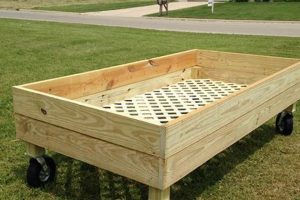
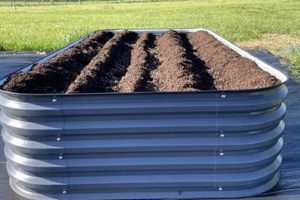
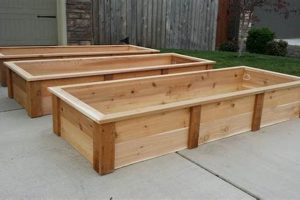
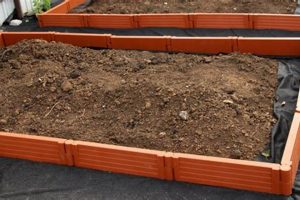
Elevated planting beds, often enclosed with a protective barrier, provide a dedicated space for cultivating plants while mitigating damage from herbivores. The structure typically incorporates a frame constructed of materials such as wood, metal, or composite lumber, filled with soil and organic matter. The perimeter is usually enclosed with mesh or fencing to deter animals from accessing the plants within.
This approach to gardening offers several advantages, including improved soil drainage, reduced back strain from bending, and a controlled growing environment. The elevated structure enhances accessibility for individuals with limited mobility, and the enclosure minimizes the risk of predation by deer and other wildlife. Historically, similar structures have been used in various forms to optimize crop production and manage environmental challenges.
The following sections will delve into the specific design considerations for these structures, the materials commonly used in their construction, effective strategies for pest management, and best practices for maximizing plant yields within this specialized environment.
Optimizing Elevated Cultivation and Herbivore Deterrence
The following are essential considerations for maximizing the effectiveness of elevated planting structures incorporating herbivore exclusion:
Tip 1: Height and Depth of Structure: Construct the structure with sufficient height (at least 24 inches) to discourage browsing by smaller animals and adequate soil depth (minimum 12 inches) to accommodate root systems of desired plants.
Tip 2: Fence Material Selection: Employ a woven wire or polypropylene mesh fence with openings no larger than 2 inches to effectively exclude deer. Ensure the material is UV-resistant for longevity.
Tip 3: Fence Height and Installation: Install the fence at a minimum height of 8 feet to deter deer from jumping over it. Securely anchor the fence posts deep into the ground (at least 2 feet) to withstand animal pressure and weather conditions.
Tip 4: Barrier Extension: Consider extending the fencing below the soil surface by several inches or adding an L-shaped footer to prevent animals from burrowing underneath the structure.
Tip 5: Material Durability: Utilize rot-resistant lumber, such as cedar or treated wood, or alternative materials like metal or composite lumber for the bed frame to ensure structural integrity over time.
Tip 6: Integrated Pest Management: Implement strategies to manage pests and diseases within the protected environment, including companion planting, regular inspection, and appropriate organic treatments.
Tip 7: Soil Amendment and Fertility: Amend the soil within the raised bed with compost and other organic matter to enhance drainage, fertility, and water retention, ensuring optimal plant growth.
By adhering to these principles, individuals can create a thriving growing space while effectively mitigating the threat of herbivore damage. These integrated strategies maximize crop yields and promote long-term sustainability of the system.
The subsequent sections will provide a comprehensive overview of specific plant selection, maintenance practices, and troubleshooting techniques to further optimize the performance of this growing method.
1. Height and Construction

The height and robust construction of a raised garden are inextricably linked to the effectiveness of its associated deer fence. Inadequate height allows deer to easily access the plants within, rendering the fence largely ineffective. Similarly, flimsy construction compromises the structural integrity of both the garden bed and the fence, leaving it vulnerable to damage from animal impact, weather events, or general wear and tear. For instance, a raised bed constructed from untreated lumber and standing only 18 inches tall, even with an 8-foot fence, would be susceptible to both rapid deterioration and browsing by deer reaching over the barrier. The symbiotic relationship between these factors is therefore critical for a successful barrier.
Consider a scenario where a sturdy, rot-resistant raised bed, constructed from cedar and elevated to 30 inches, is paired with a well-anchored, 8-foot woven wire fence. This combination presents a formidable obstacle to deer. The height of the bed itself makes it more difficult for deer to reach plants at the perimeter, while the fence effectively prevents them from jumping into the enclosed space. In contrast, a poorly constructed raised bed, even with a deer fence, might collapse under the weight of the soil or be easily breached by a determined animal seeking access to the plants. The construction quality directly impacts the lifespan and performance of the entire system.
In conclusion, the height and robust construction of a raised garden are not merely aesthetic considerations but fundamental components of an effective deer deterrent system. Failure to adequately address these aspects undermines the purpose of the fence, leading to potential crop damage and frustration. A well-constructed and appropriately elevated raised garden, integrated with a properly installed fence, represents a comprehensive approach to protecting plants from deer predation, ensuring a more productive and sustainable gardening endeavor.
2. Fencing Material Selection

The effectiveness of any raised garden intended to deter deer hinges significantly on the fencing material employed. The choice of material dictates the physical barrier’s impenetrability and longevity, directly influencing the protection afforded to cultivated plants. The selection process must consider factors beyond initial cost, encompassing durability, visibility, and ease of installation, as each element contributes to the system’s overall success or failure. Inferior materials may succumb to weathering, animal pressure, or require frequent repairs, negating the purpose of a dedicated exclusion zone. For instance, flimsy plastic netting, while inexpensive, offers minimal resistance to determined deer and is prone to damage from UV exposure and physical stress.
Conversely, robust options such as woven wire or heavy-gauge metal fencing provide a substantially more effective deterrent. These materials withstand considerable impact, exhibit greater resistance to environmental degradation, and offer a more permanent solution. The mesh size is also crucial; openings should be small enough to prevent deer from reaching through the fence and browsing on plants. An example of successful implementation would be the use of 14-gauge galvanized welded wire mesh with 2×4 inch openings, installed on sturdy posts and extending at least 8 feet above ground level. This combination presents a formidable barrier that is both physically and visually deterrent to deer. Cost, ease of installation, and aesthetic considerations may influence material selection, but the primary focus must remain on achieving effective and long-lasting protection.
In summary, the selection of appropriate fencing materials is not merely a peripheral aspect of constructing a raised garden deer deterrent; it is a fundamental determinant of its functionality. Compromising on material quality or mesh size can render the entire structure ineffective, leading to crop damage and wasted resources. Therefore, a comprehensive understanding of material properties and their impact on deer exclusion is essential for creating a sustainable and productive gardening environment. While challenges related to cost or aesthetics may arise, prioritizing durability and impenetrability will ultimately ensure the long-term success of the raised garden system.
3. Anchoring and Stability

The structural integrity of a raised garden, particularly one designed with deer exclusion in mind, relies heavily on adequate anchoring and stability. The deer fence component adds considerable weight and wind resistance to the overall structure, magnifying the forces acting upon the garden bed itself. Without proper anchoring, the entire system becomes vulnerable to collapse or displacement, negating its intended protective function. This vulnerability extends beyond mere aesthetic concerns; a compromised structure allows deer access to plants, undermining the investment in both the raised garden and the deer fence. For example, a raised garden bed merely resting on the ground, even with an attached fence, is susceptible to tipping due to wind or animal pressure, creating gaps that deer can exploit.
Effective anchoring involves securing the raised garden bed and fence posts firmly into the ground. This can be achieved through the use of ground anchors, concrete footings, or deep post settings. The specific method depends on the soil type, the size of the raised garden, and the height and material of the deer fence. A raised garden situated in sandy soil, for instance, requires deeper and more robust anchoring than one placed on clay soil. Similarly, a taller fence necessitates stronger support to withstand wind loads. Failure to account for these factors can lead to structural failure, as exemplified by gardens where shallow post settings result in fence leaning or collapse after heavy storms.
In summary, anchoring and stability are not secondary considerations in the construction of a raised garden with a deer fence; they are fundamental to its success. Insufficient anchoring compromises the entire system, rendering it ineffective against deer and vulnerable to environmental forces. Understanding the principles of structural stability and employing appropriate anchoring techniques are crucial for creating a durable, long-lasting, and genuinely protective growing environment. Prioritizing these aspects ensures that the investment in the raised garden and deer fence translates into tangible benefits: a thriving garden protected from deer predation.
4. Soil Composition

The efficacy of a raised garden, particularly when integrated with a deer fence, is intrinsically linked to the composition of the soil it contains. The confined environment of a raised bed necessitates careful consideration of soil properties, as it directly influences plant health, nutrient availability, and water retention. Unlike in-ground gardens where roots can access a wider range of soil horizons, raised beds rely solely on the quality of the imported soil mix. Improper soil composition can lead to stunted growth, nutrient deficiencies, and increased susceptibility to diseases, even with the protection afforded by a deer fence. For example, a raised bed filled with heavy clay soil will exhibit poor drainage, potentially leading to root rot, while a sandy soil may drain too quickly, resulting in water stress and nutrient leaching.
The ideal soil composition for a raised garden typically comprises a balanced mix of topsoil, compost, and other organic matter. Topsoil provides the foundation for plant growth, while compost enhances nutrient content, improves drainage, and increases water-holding capacity. Additional amendments, such as peat moss, perlite, or vermiculite, may be added to further optimize soil properties based on the specific needs of the plants being cultivated. A well-amended soil not only supports healthy plant growth but also promotes beneficial microbial activity, which is essential for nutrient cycling and disease suppression. The deer fence then protects this carefully cultivated environment from external threats, allowing plants to thrive in optimal conditions. The exclusion of deer allows a wider range of plants to be grown, including those particularly susceptible to browsing, without the need for chemical deterrents or constant vigilance.
In conclusion, soil composition is not merely a peripheral consideration but a fundamental determinant of success in a raised garden setting. Neglecting soil quality can undermine the benefits of a deer fence by creating an inhospitable environment for plant growth. A carefully formulated soil mix, tailored to the specific needs of the intended plants, is essential for maximizing yields, promoting plant health, and creating a sustainable and productive growing space. The integration of a deer fence further enhances these benefits by protecting the carefully crafted soil environment from external threats, ensuring the long-term success of the raised garden.
5. Integrated Pest Control
The integration of pest control strategies is crucial within a raised garden environment, particularly when fortified with a deer fence. The enclosed nature of these gardens, while excluding large herbivores, can inadvertently create a conducive microclimate for insect pests and fungal diseases. The deer fence, by restricting airflow and limiting access for beneficial predators, can exacerbate pest pressures if proactive management measures are not implemented. Consequently, the success of a raised garden, shielded by a deer fence, hinges on a comprehensive pest management approach that minimizes reliance on synthetic pesticides, promoting a balanced ecosystem within the controlled space. Failure to adopt an integrated approach can lead to pest outbreaks, compromising plant health and negating the benefits of the elevated structure and deer exclusion.
Integrated Pest Management (IPM) in this context necessitates a multi-faceted strategy. This includes regular monitoring for pest activity, employing cultural practices such as crop rotation and companion planting to disrupt pest life cycles, and utilizing biological controls like introducing beneficial insects or applying microbial pesticides. For instance, introducing ladybugs to control aphid populations or using Bacillus thuringiensis (Bt) to manage caterpillar infestations are practical applications of IPM. Furthermore, maintaining optimal soil health and plant vigor strengthens the plants’ natural defenses against pests and diseases, reducing the need for intervention. The careful selection of disease-resistant plant varieties can also minimize the risk of pathogen-related problems within the enclosed environment. Such proactive measures represent a sustainable and effective approach to pest control, preventing outbreaks before they occur and minimizing environmental impact.
In conclusion, Integrated Pest Control is not merely an optional add-on to a raised garden with a deer fence, but an essential component for its long-term viability. The enclosed environment necessitates a proactive and holistic approach to pest management that minimizes reliance on chemical interventions, promoting a balanced ecosystem within the controlled space. Prioritizing IPM strategies ensures the continued health and productivity of the garden, maximizing the benefits of both the raised bed and the deer fence. The challenge lies in maintaining a delicate balance between excluding deer and managing the internal ecosystem to prevent pest problems from negating the advantages of the protective structure.
Frequently Asked Questions
The following addresses common inquiries regarding the design, construction, and maintenance of elevated planting structures designed to exclude deer.
Question 1: What is the optimal height for a deer fence surrounding a raised garden?
A minimum height of eight feet is generally recommended to effectively deter deer from jumping over the barrier. Local deer populations and their typical jumping behavior may necessitate adjustments to this height.
Question 2: What materials are most suitable for constructing a deer-resistant fence for a raised garden?
Woven wire mesh, polypropylene netting with small openings, or metal fencing are all viable options. The selection depends on budget, aesthetic preferences, and the severity of deer pressure in the area. Material durability and UV resistance should be prioritized.
Question 3: How can the base of the deer fence be secured to prevent deer from burrowing underneath?
Extending the fencing several inches below the soil surface or installing an L-shaped footer are effective methods. Burying the fence and bending it outwards creates a physical barrier that discourages digging.
Question 4: What is the recommended soil composition for raised gardens with deer fences?
A blend of topsoil, compost, and other organic matter is generally recommended. Specific soil amendments may be added based on the needs of the plants being cultivated. Proper drainage is crucial to prevent root rot.
Question 5: How can pests and diseases be managed within a raised garden enclosed by a deer fence?
Integrated Pest Management (IPM) strategies are essential. This includes regular monitoring, cultural practices such as crop rotation and companion planting, and the judicious use of biological controls. Minimize reliance on synthetic pesticides.
Question 6: What maintenance is required for a raised garden with a deer fence to ensure its longevity and effectiveness?
Regular inspection of the fence for damage, repair of any breaches, and maintenance of soil fertility are crucial. Pruning overgrown vegetation near the fence can also prevent deer from using it as leverage to jump over.
Proper planning and consistent maintenance are vital for the success of any elevated planting structure intended to deter deer. Adhering to established best practices can ensure a productive and sustainable gardening endeavor.
The subsequent section will provide practical tips and troubleshooting advice for common challenges encountered when establishing and maintaining these specialized gardens.
Conclusion
The preceding discussion has outlined the critical considerations for effectively utilizing a raised garden with deer fence. From structural design and material selection to soil composition and pest management, each element contributes to the success or failure of this integrated system. Properly implemented, these structures offer a viable solution for protecting cultivated plants from herbivore damage, improving accessibility, and enhancing overall garden productivity. The investment in a well-constructed and maintained system translates to tangible benefits, including increased yields, reduced plant loss, and a more sustainable gardening practice.
As land development continues to encroach on natural habitats, interactions between humans and wildlife are likely to increase. Therefore, employing effective strategies to mitigate conflicts, such as the utilization of a raised garden with deer fence, becomes increasingly important. Continued research and innovation in materials and design will further refine these systems, making them an even more valuable tool for gardeners and agriculturalists seeking to coexist with local wildlife while ensuring the health and productivity of their plantings.