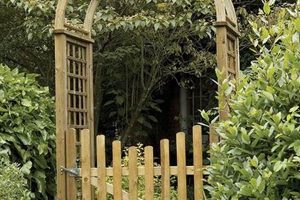
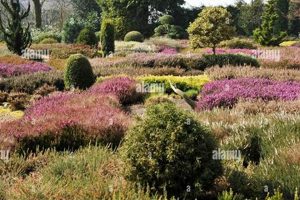
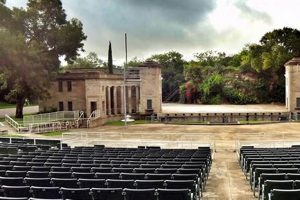
A cultivated outdoor space designed for aesthetic enjoyment and recreational activities can enhance residential or community environments. Such areas frequently incorporate diverse botanical species, water features, and constructed elements to create visually appealing and functionally versatile environments. For instance, these spaces might showcase native plants, ornamental flowers, shaded seating areas, or pathways for exploration.
The value of these verdant environments lies in their capacity to foster well-being through access to nature, provide habitat for wildlife, and improve the overall aesthetic quality of a location. Historical precedent demonstrates that formally designed outdoor spaces have often served as gathering places, centers for learning, and reflections of cultural values. Furthermore, strategic planning of these spaces can contribute to property value and ecological sustainability.
The following discussion will examine key aspects of landscape architecture, plant selection, and maintenance practices relevant to the establishment and upkeep of thriving outdoor environments. Specific considerations related to soil composition, irrigation techniques, and pest management will be addressed. Finally, the integration of sustainable design principles in the creation of these areas will be explored.
Landscape Design & Horticultural Guidance
Effective landscape management necessitates adherence to proven strategies. The following guidelines will assist in establishing and maintaining a successful and aesthetically pleasing outdoor environment.
Tip 1: Conduct Thorough Soil Analysis. Before initiating any planting, analyze soil composition and pH levels. Amend soil as necessary to ensure optimal growth conditions for the chosen plant species. For instance, alkaline soil may require the addition of sulfur to lower the pH for acid-loving plants.
Tip 2: Implement a Water-Efficient Irrigation System. Conserve water resources by installing a drip irrigation system or soaker hoses. These methods deliver water directly to plant roots, minimizing water loss through evaporation and runoff. Regular monitoring of soil moisture levels is also recommended to avoid overwatering.
Tip 3: Select Plant Species Adapted to the Local Climate. Prioritize native or climate-appropriate plant species. These plants are generally more resilient to local pests, diseases, and weather conditions, reducing the need for extensive maintenance and chemical interventions.
Tip 4: Develop a Comprehensive Pest Management Strategy. Integrate pest management strategies focusing on prevention and early detection. Promote beneficial insects and consider utilizing organic pest control methods before resorting to synthetic pesticides. Regular inspection of plants for signs of infestation is crucial.
Tip 5: Incorporate Proper Pruning Techniques. Pruning should be conducted at the appropriate time of year for each plant species. Employ proper pruning techniques to encourage healthy growth, maintain desired plant shape, and remove dead or diseased branches. Research specific pruning requirements for each plant type is necessary.
Tip 6: Utilize Mulch to Conserve Moisture and Suppress Weeds. Apply a layer of organic mulch around plants to help retain soil moisture, suppress weed growth, and regulate soil temperature. Select mulch materials suitable for the specific plant species and avoid placing mulch directly against plant stems.
Tip 7: Regularly Monitor Plant Health and Address Issues Promptly. Implement a routine inspection schedule to identify and address potential problems early. Early detection and intervention can prevent minor issues from escalating into more serious and costly problems.
Adhering to these landscape management and horticultural tips will promote the creation and maintenance of a thriving and sustainable outdoor environment, contributing to ecological balance and aesthetic appeal.
The subsequent sections will delve into specific aspects of sustainable design principles and their application in outdoor space development.
1. Planning

Effective planning is paramount to the successful establishment and long-term sustainability of outdoor spaces, including landscapes. A comprehensive planning phase addresses numerous critical factors, ensuring the realization of a functional, aesthetically pleasing, and ecologically responsible environment.
- Needs Assessment and Goal Definition
The initial phase involves a thorough assessment of the site’s existing conditions and the articulation of specific goals. This includes evaluating factors such as soil composition, sun exposure, drainage patterns, and existing vegetation. Clear goals define the intended use of the space, aesthetic preferences, and long-term maintenance capabilities. For example, a plan may specify creating a low-maintenance, drought-tolerant landscape focusing on native plant species to minimize water consumption and attract local wildlife.
- Spatial Layout and Functional Zoning
Strategic spatial layout optimizes the use of available space and ensures functional zoning. This involves delineating areas for various activities, such as recreation, relaxation, gardening, and circulation. Efficient layout considers the relationship between different zones and their accessibility. For instance, a plan might position a vegetable garden near a water source and a composting area, while locating a seating area in a shaded portion of the landscape.
- Resource Allocation and Budget Management
Effective planning includes careful allocation of resources and meticulous budget management. This entails estimating the costs associated with materials, labor, and ongoing maintenance. Resource allocation prioritizes essential elements and identifies cost-effective alternatives without compromising the overall quality of the project. A well-defined budget prevents unforeseen expenses and ensures the project remains financially viable throughout its lifecycle.
- Sustainability Considerations and Long-Term Maintenance
Integrating sustainability considerations from the outset is crucial for the long-term viability of outdoor spaces. This involves selecting environmentally friendly materials, implementing water-efficient irrigation systems, and promoting biodiversity through native plant selections. Long-term maintenance planning addresses ongoing needs such as pruning, fertilization, pest control, and waste management. A comprehensive maintenance plan minimizes environmental impact and ensures the continued health and beauty of the landscape.
Integrating the aforementioned facets within the initial planning phase is imperative. Failure to properly plan and design outdoor environments can result in costly revisions, environmental degradation, and diminished functionality. Proactive planning, therefore, serves as the cornerstone of a successful and sustainable project.
2. Design

The design phase dictates the aesthetic and functional properties of outdoor environments, transforming conceptual plans into tangible realities. Its effectiveness determines the long-term viability and user satisfaction with these spaces.
- Spatial Arrangement and Circulation
This facet governs the organization of elements within the space, defining pathways, activity zones, and their interrelationships. Efficient spatial arrangement optimizes usability, accessibility, and the overall flow of movement. For example, well-defined pathways ensure smooth circulation, while strategically positioned seating areas provide designated spaces for relaxation and social interaction. Ineffectively designed circulation can lead to congestion and diminished enjoyment.
- Plant Selection and Composition
The selection of plant species plays a pivotal role in shaping the visual character and ecological function of the environment. Careful consideration should be given to factors such as plant size, form, color, texture, and seasonal interest. Plant composition aims to create a harmonious balance between diverse species, contributing to visual appeal and biodiversity. Thoughtful plant selection minimizes maintenance requirements and enhances the long-term sustainability of the space.
- Material Palette and Hardscape Elements
The choice of materials for hardscape elements, such as pathways, patios, walls, and water features, significantly impacts the overall aesthetic and functional properties of the design. Materials should be selected for their durability, visual compatibility with the surrounding environment, and sustainability. Hardscape elements define boundaries, create focal points, and provide structure to the space. The integration of sustainable materials, such as recycled aggregates or locally sourced stone, contributes to environmentally responsible design.
- Lighting and Ambiance
Strategic lighting design enhances the functionality and aesthetic appeal of the space, particularly during evening hours. Lighting should be carefully planned to provide adequate illumination for safety and visibility while creating a desired ambiance. The selection of lighting fixtures, their placement, and their intensity all contribute to the overall atmosphere. Energy-efficient lighting technologies, such as LED lighting, can minimize energy consumption and reduce environmental impact.
The convergence of these design facets determines the overall success of outdoor space development. Careful consideration of spatial arrangement, plant selection, material palettes, and lighting results in environments that are both aesthetically pleasing and functionally efficient. Conversely, neglecting these design aspects can lead to spaces that are visually unappealing, difficult to maintain, and ecologically unsustainable.
3. Maintenance
Sustained viability of cultivated outdoor spaces is intrinsically linked to diligent and informed maintenance practices. Neglecting essential maintenance activities results in the gradual decline of intended aesthetic characteristics, compromised ecological function, and diminished long-term value. The effectiveness of implemented design and planning efforts are contingent upon consistent upkeep, addressing immediate needs while proactively mitigating potential future issues. Real-world examples abound, illustrating the deleterious effects of deferred maintenance. A failure to regularly prune trees leads to overcrowding, reduced sunlight penetration, and increased susceptibility to disease. Similarly, inadequate weed control diminishes plant vigor and undermines the visual cohesiveness of the landscaped area. The practical significance of prioritizing maintenance lies in its capacity to preserve the initial investment, extend the lifespan of installations, and optimize the environmental benefits derived from the cultivated space.
Effective maintenance protocols incorporate a range of activities tailored to specific site characteristics and plant communities. These include, but are not limited to, irrigation management, soil amendment, pest and disease control, and structural repairs. Irrigation schedules should be adapted to seasonal variations and plant water requirements, preventing both overwatering and drought stress. Periodic soil testing informs the need for nutrient supplementation, ensuring optimal plant health. Integrated pest management strategies minimize the reliance on chemical interventions, promoting ecological balance within the environment. Regular inspection and repair of hardscape elements, such as pathways and retaining walls, prevent safety hazards and preserve the structural integrity of the space. Proper execution of these activities requires trained personnel and adherence to established horticultural practices.
In conclusion, maintenance is not merely a supplementary task but a fundamental determinant of the long-term success and sustainability. Its proactive application serves as a critical safeguard against decline, ensuring continued aesthetic appeal, ecological function, and enduring value. Addressing the challenges associated with resource allocation, skilled labor availability, and evolving environmental conditions is essential for maintaining the integrity of these designed spaces. The commitment to consistent and informed maintenance practices reflects a dedication to stewardship, safeguarding the long-term benefits derived from the cultivated outdoor environment.
4. Biodiversity

Biodiversity, encompassing the variety of life forms at all levels of biological organization, is a critical factor influencing the ecological health and long-term sustainability of any cultivated outdoor space. In the context of designed environments, promoting biodiversity contributes to ecosystem services, enhances resilience to environmental stressors, and enriches the aesthetic and recreational value of the space. The integration of biodiversity principles into design and management practices requires careful consideration of plant selection, habitat creation, and sustainable maintenance strategies.
- Plant Species Diversity and Ecosystem Function
The range of plant species present directly influences the stability and functionality of the ecosystem. A diverse plant community provides a variety of resources for wildlife, supports complex food webs, and enhances nutrient cycling processes. For instance, incorporating native plants attracts pollinators, such as bees and butterflies, which contribute to plant reproduction and overall ecosystem health. Furthermore, a diverse plant palette reduces the risk of widespread disease outbreaks and enhances the resilience of the cultivated space to environmental changes.
- Habitat Creation and Wildlife Support
Designed outdoor areas can be strategically managed to create or enhance habitats for a variety of wildlife species. This involves providing food sources, shelter, and nesting sites that cater to the specific needs of local fauna. For example, constructing a small pond provides habitat for amphibians and aquatic insects, while planting berry-producing shrubs offers a food source for birds. Creating diverse habitats within the space increases its ecological value and contributes to the conservation of local biodiversity.
- Soil Biodiversity and Health
The soil ecosystem is a complex web of organisms, including bacteria, fungi, and invertebrates, that play a vital role in nutrient cycling and plant health. Maintaining soil biodiversity is essential for promoting healthy plant growth and reducing the need for chemical fertilizers. This can be achieved through practices such as composting, mulching with organic materials, and minimizing soil disturbance. A healthy soil ecosystem supports a diverse community of beneficial organisms that contribute to the overall resilience and productivity of the cultivated space.
- Sustainable Management Practices and Biodiversity Conservation
Long-term conservation of biodiversity requires the adoption of sustainable management practices that minimize environmental impacts and promote ecological balance. This includes reducing the use of pesticides and herbicides, conserving water resources, and managing waste responsibly. Implementing integrated pest management strategies, which prioritize biological control methods over chemical applications, reduces the risk of harming beneficial insects and other non-target organisms. Sustainable practices contribute to the long-term health and stability of the ecosystem, ensuring the continued presence of a diverse range of plant and animal species.
Integrating biodiversity considerations into the design and management of cultivated outdoor spaces enhances their ecological value, aesthetic appeal, and long-term sustainability. The selection of diverse plant species, the creation of varied habitats, the promotion of soil health, and the adoption of sustainable management practices collectively contribute to the conservation of biodiversity and the creation of ecologically vibrant environments. The overall effect is to make the space more sustainable for the environment.
5. Sustainability

Sustainability is a cornerstone principle governing the long-term viability and ecological integrity of cultivated outdoor spaces. Its application, particularly in the context of garden design and management, directly influences resource consumption, environmental impact, and the resilience of the ecosystem. The integration of sustainable practices aims to minimize negative externalities while maximizing the benefits derived from the designed landscape. For example, utilizing rainwater harvesting systems reduces reliance on municipal water supplies, conserving a finite resource and minimizing the environmental footprint associated with water treatment and distribution. Similarly, employing composting techniques transforms organic waste into a valuable soil amendment, reducing landfill burden and improving soil health. The direct impact of these actions is reduced resource depletion and a diminished carbon footprint.
The importance of sustainability extends beyond resource conservation to encompass the promotion of biodiversity and ecosystem services. Selecting native plant species, for example, creates habitats for local wildlife, supports pollinator populations, and enhances the overall ecological value of the space. Implementing integrated pest management strategies, which prioritize biological control methods over chemical pesticides, minimizes harm to beneficial insects and reduces the risk of environmental contamination. Real-world examples illustrate the positive consequences of sustainable landscaping practices. Urban gardens that incorporate green roofs and permeable pavements mitigate stormwater runoff, reducing the risk of flooding and improving water quality. Community gardens that emphasize organic farming practices provide access to fresh, locally grown produce while minimizing the environmental impact associated with conventional agriculture. These examples highlight the interconnectedness of sustainability, environmental stewardship, and community well-being.
The practical significance of understanding the connection between sustainability and outdoor space management lies in its ability to inform decision-making across various aspects of design, implementation, and maintenance. Addressing challenges such as climate change, water scarcity, and habitat loss requires a shift towards more sustainable landscape practices. Embracing sustainability principles enhances the environmental, economic, and social value of cultivated areas, contributing to a more resilient and equitable future. Continued research and innovation in sustainable landscaping techniques are crucial for addressing emerging challenges and maximizing the benefits of these designed environments. The integration of sustainability into outdoor space management aligns with broader efforts to promote environmental stewardship and build a more sustainable society.
6. Aesthetics

Aesthetics, concerning the nature and appreciation of beauty, is a central consideration in the design and maintenance of outdoor spaces. The visual appeal of these areas significantly impacts their utility, perceived value, and contribution to overall well-being. Careful attention to aesthetic principles is crucial for creating environments that are both visually pleasing and harmoniously integrated with their surroundings.
- Color Palette and Harmony
The selection and arrangement of colors within a landscape significantly influence its aesthetic impact. Harmonious color combinations create a sense of unity and balance, while contrasting colors can be used to draw attention to specific features or create visual interest. For instance, employing a limited palette of analogous colors (colors that are adjacent on the color wheel) can create a soothing and cohesive aesthetic. The specific color scheme should be carefully considered in relation to the overall design theme and the surrounding environment. Conversely, discordant color choices can result in a visually jarring and unpleasant experience.
- Form and Texture
The shapes and textures of plants, hardscape elements, and other components contribute to the overall visual experience. Varying forms and textures can create depth, interest, and a sense of dynamism within the landscape. For example, contrasting the smooth, rounded forms of shrubs with the sharp, angular lines of architectural elements can add visual complexity. The careful juxtaposition of different textures, such as the fine foliage of ornamental grasses against the coarse bark of trees, enhances the tactile and visual appeal of the space. Uniformity in form and texture can result in a monotonous and uninspired aesthetic.
- Spatial Composition and Balance
The arrangement of elements within the space determines its spatial composition and overall balance. Symmetrical compositions, where elements are evenly distributed around a central axis, create a sense of formality and order. Asymmetrical compositions, where elements are unevenly distributed, can create a more dynamic and informal aesthetic. Balance, whether symmetrical or asymmetrical, is essential for creating a visually pleasing and harmonious space. A poorly composed landscape can feel unbalanced, chaotic, and visually unsettling.
- Seasonal Variation and Continuity
The aesthetic appeal of outdoor spaces should extend throughout the year, with consideration given to seasonal changes in plant color, texture, and form. Selecting plants that provide year-round interest, such as evergreens for winter structure or flowering plant
s for spring and summer color, ensures continuous visual appeal. Incorporating elements that transition smoothly between seasons, such as deciduous trees that provide shade in summer and vibrant foliage in autumn, creates a sense of continuity and rhythm. Neglecting seasonal variation can result in a landscape that is visually appealing during only a limited portion of the year.
The successful integration of these aesthetic elements is crucial for creating outdoor spaces that are both visually pleasing and functionally effective. Careful consideration of color, form, texture, spatial composition, and seasonal variation results in landscapes that enhance the quality of life, promote environmental stewardship, and contribute to the overall aesthetic value of the built environment. The attention to detail and thoughtful design ensures that spaces not only meet functional needs but also contribute to psychological well-being and appreciation for the natural world.
Frequently Asked Questions
The following addresses common inquiries concerning the establishment, maintenance, and ecological considerations associated with cultivated outdoor spaces.
Question 1: What factors determine the optimal plant selection for a specific environment?
Plant selection should prioritize species adapted to the local climate, soil conditions, and available sunlight. Native or climate-appropriate plants generally exhibit greater resilience to local pests and diseases and require less supplemental irrigation and fertilization. Careful consideration should also be given to plant size, growth rate, and potential impact on surrounding infrastructure.
Question 2: How can water conservation be effectively integrated into outdoor space management?
Water conservation strategies include the implementation of drip irrigation systems, the use of drought-tolerant plant species, and the application of mulch to reduce soil evaporation. Rainwater harvesting systems can supplement irrigation needs and reduce reliance on municipal water sources. Regular monitoring of soil moisture levels is also essential to avoid overwatering.
Question 3: What constitutes an effective strategy for pest and disease management in outdoor spaces?
An integrated pest management (IPM) approach emphasizes prevention, monitoring, and the use of non-chemical control methods whenever possible. This includes promoting beneficial insects, utilizing organic pest control products, and implementing cultural practices that enhance plant health and resistance. Chemical pesticides should be used judiciously and only as a last resort, following label instructions carefully to minimize environmental impact.
Question 4: How does soil composition influence the health and vitality of outdoor spaces?
Soil composition directly affects plant nutrient availability, water retention, and drainage. A balanced soil contains a mixture of sand, silt, clay, and organic matter. Soil testing can identify nutrient deficiencies or imbalances, allowing for targeted amendments to improve soil fertility and structure. Proper soil drainage is essential to prevent root rot and other soilborne diseases.
Question 5: What are the key considerations for ensuring the long-term sustainability of outdoor spaces?
Sustainability encompasses resource conservation, biodiversity promotion, and the minimization of environmental impacts. This includes selecting environmentally friendly materials, implementing water-efficient irrigation systems, using organic fertilizers and pest control products, and managing waste responsibly. Long-term sustainability also requires ongoing monitoring and adaptive management to address changing environmental conditions.
Question 6: How can aesthetic principles be effectively integrated into the design of outdoor spaces?
Aesthetic considerations include the selection of harmonious color palettes, the creation of balanced spatial compositions, and the integration of varied forms and textures. The design should consider the surrounding environment and incorporate elements that enhance the visual appeal of the space throughout the year. The careful integration of aesthetic principles contributes to the overall enjoyment and perceived value of the outdoor environment.
The preceding questions and responses provide a foundational understanding of crucial elements relating to developed external territories. Continued study and practical application are key for success.
The subsequent section details relevant case studies and highlights effective methodologies for the growth and preservation of sustainable and aesthetically beautiful developed territories.
Conclusion
The preceding discussion has elucidated the multi-faceted aspects of effectively managing cultivated outdoor spaces. Through diligent planning, thoughtful design, consistent maintenance, the fostering of biodiversity, and a commitment to sustainability, environments can be established that are both aesthetically pleasing and ecologically sound. These principles, when rigorously applied, ensure the long-term health and viability of designed landscapes.
The ongoing integration of these principles into landscape architecture and horticultural practices remains crucial. A continued focus on innovation, research, and the sharing of best practices will be essential for addressing the challenges of a changing environment. The responsible stewardship of outdoor spaces ultimately contributes to broader environmental sustainability goals and enhances the quality of life for communities.