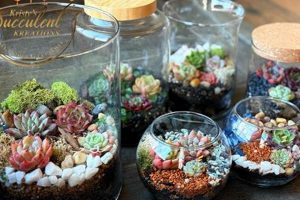
Selecting flora that require minimal care is a strategy employed by homeowners seeking visually appealing landscapes without extensive upkeep. This approach focuses on species that are drought-tolerant, pest-resistant, and require infrequent pruning or fertilization. Examples include succulents, ornamental grasses, and certain varieties of shrubs that thrive in diverse climates with limited intervention.
The adoption of this method offers several advantages, notably reduced water consumption, diminished use of chemical fertilizers and pesticides, and a significant saving in time and labor associated with traditional gardening practices. Historically, reliance on indigenous plants that are naturally adapted to the local environment has been a key component of this strategy, minimizing the need for artificial support systems.
Consideration should be given to various factors when implementing this approach, including local climate conditions, soil type, and desired aesthetic. Further sections will explore specific plant recommendations, planting techniques, and ongoing care strategies to facilitate the successful establishment of a vibrant, yet self-sufficient, outdoor space.
Establishing a Thriving, Effortless Outdoor Space
The following guidelines offer practical advice for establishing a front garden that demands minimal attention while maintaining visual appeal. Adhering to these recommendations will foster a sustainable and aesthetically pleasing environment.
Tip 1: Select Indigenous Varieties: Prioritize plant species native to the geographical location. Indigenous plants are naturally adapted to the local climate and soil conditions, thereby reducing the need for supplemental watering, fertilization, and pest control measures. For example, in arid climates, consider drought-resistant native grasses.
Tip 2: Optimize Soil Preparation: Amend the soil with organic matter, such as compost or well-rotted manure, to improve drainage and nutrient retention. Proper soil preparation reduces the need for frequent fertilization and promotes robust root growth.
Tip 3: Implement Mulching Strategies: Apply a layer of organic mulch around plants to suppress weed growth, conserve soil moisture, and regulate soil temperature. Wood chips, shredded bark, or straw serve as effective mulching materials.
Tip 4: Group Plants by Water Needs: Organize plants with similar water requirements together. This allows for efficient irrigation and prevents overwatering or underwatering individual species. Xeriscaping principles should be considered.
Tip 5: Utilize Slow-Release Fertilizers: Employ slow-release fertilizers to provide nutrients gradually over an extended period. This reduces the frequency of fertilization and minimizes the risk of nutrient burn.
Tip 6: Prune Strategically: Prune plants judiciously to maintain their shape and promote healthy growth. Avoid excessive pruning, which can stress plants and increase their susceptibility to pests and diseases.
Tip 7: Automate Irrigation: Consider installing a drip irrigation system or soaker hoses to deliver water directly to plant roots. Automated irrigation systems conserve water and reduce the need for manual watering.
Tip 8: Choose Pest-Resistant Varieties: Select plant varieties known for their resistance to common pests and diseases. This reduces the need for chemical pesticides and promotes a healthier ecosystem.
By incorporating these tips, individuals can cultivate an attractive outdoor space while minimizing the commitment of time and resources typically associated with gardening.
The subsequent section will delve into specific plant recommendations tailored for various climate zones and aesthetic preferences.
1. Drought Tolerance

Drought tolerance is a pivotal attribute for flora designated for low-maintenance front gardens. It directly impacts water conservation, reduces the frequency of irrigation, and contributes to the overall sustainability of the landscape design.
- Reduced Irrigation Needs
Drought-tolerant plants possess physiological and morphological adaptations that enable survival with minimal water input. These adaptations include deep root systems, water-storing tissues, and reduced leaf surface area. Consequently, the necessity for frequent or supplemental watering is diminished, conserving water resources and minimizing homeowner effort.
- Enhanced Survival in Arid Conditions
In regions characterized by limited rainfall or extended periods of drought, drought-tolerant species exhibit a higher survival rate compared to those with higher water demands. This resilience ensures the sustained aesthetic value of the front garden without requiring intensive care or replacement of deceased plants.
- Decreased Susceptibility to Water-Related Diseases
Overwatering can create conditions conducive to fungal diseases and root rot. Drought-tolerant plants, by virtue of their adaptation to drier conditions, are inherently less susceptible to these water-related ailments. This reduces the need for preventative or curative treatments, further contributing to the low-maintenance nature of the garden.
- Lower Water Bills and Environmental Impact
Minimizing water consumption through the selection of drought-tolerant plants translates directly into lower water bills for homeowners. Additionally, it contributes to the conservation of water resources, reduces the strain on municipal water systems, and minimizes the environmental impact associated with water extraction and distribution.
The incorporation of drought-tolerant plants is a strategic approach to achieving a low-maintenance front garden that is both aesthetically pleasing and environmentally responsible. Careful selection based on local climate conditions ensures long-term viability and reduces the resource demands associated with traditional gardening practices.
2. Pest Resistance

Pest resistance is a critical factor in establishing a low-maintenance front garden. Plants susceptible to common pests require frequent intervention in the form of pesticides, manual removal, or other control methods, directly contradicting the goal of minimal upkeep. The selection of naturally pest-resistant species reduces the need for such interventions, leading to significant time savings and reduced reliance on potentially harmful chemicals. For example, certain varieties of lavender exhibit resistance to aphids, while some types of ornamental grasses are less attractive to grasshoppers. The presence of these pests in a front garden landscape can lead to detrimental effects to other plants, therefore pest resistance plant can lower the risk. Therefore, focusing
on pest resistance contributes directly to achieving a true low-maintenance environment.
Incorporating pest-resistant plants often involves choosing native or well-adapted species. These plants have evolved alongside local pests, developing natural defenses that minimize damage. Furthermore, a diverse planting scheme, including various pest-resistant plants, can create a more resilient ecosystem within the front garden. A monoculture, conversely, can be highly susceptible to pest outbreaks, as pests can readily spread from one plant to another. By using pest resistance plants, the front garden become more resilent and reduce the risk of major plant die offs. Pest resistance plants also have low demand of labor. Instead of using resources on maintaning pest problem, you are free to focus on other aspects.
In summary, pest resistance is an indispensable characteristic of flora intended for low-maintenance front gardens. The ability of plants to withstand pest infestations without human intervention translates directly into reduced labor, lower costs associated with pest control, and a healthier environment. The deliberate selection and integration of pest-resistant varieties contribute significantly to the long-term sustainability and aesthetic appeal of the front garden. Choosing pest resistance plant is not just a smart strategy, it is essential for the long term investment of your front garden.
3. Soil Adaptability

Soil adaptability, the capacity of a plant species to thrive across a range of soil types and conditions, is a critical determinant of the long-term success and minimal upkeep required for a front garden. The inverse relationship between a plant’s soil adaptability and the need for soil amendments, fertilization, and other interventions directly contributes to the reduction of maintenance efforts. Plants with broad soil tolerance can establish and flourish without extensive modification of the existing soil, thereby simplifying the gardening process. For example, Sedum varieties are often lauded for their ability to thrive in poor, gravelly soils, mitigating the need for extensive soil enrichment typically required by more demanding species. Similarly, certain native grasses are adapted to clay soils, reducing the necessity for costly drainage improvements. These plants is well suited in front garden settings.
The importance of soil adaptability becomes particularly evident when considering the variability of soil compositions across different residential properties. Rather than undertaking extensive soil remediation efforts, selecting plants inherently suited to the existing soil environment offers a more practical and cost-effective solution. This approach also fosters a more sustainable gardening practice, reducing the reliance on external inputs and promoting the natural health of the soil ecosystem. Careful soil analysis can inform plant selection, ensuring compatibility and maximizing the likelihood of successful establishment and growth. For instance, knowing the soil pH level allows for the selection of plants that thrive in acidic, alkaline, or neutral conditions, further reducing the need for amendments.
In summary, soil adaptability is an essential characteristic to consider when establishing a low-maintenance front garden. Choosing plants capable of thriving in the existing soil conditions minimizes the need for soil amendments, fertilization, and other interventions, contributing to a more sustainable and less labor-intensive gardening approach. Ignoring soil adaptability can lead to stunted growth, increased susceptibility to disease, and ultimately, greater maintenance requirements. The strategic selection of plants with high soil adaptability is, therefore, paramount to achieving a truly low-maintenance front garden landscape.
4. Growth Habit

The growth habit of plant species significantly influences the overall maintenance demands of a front garden. Selecting plants with growth patterns that naturally align with desired aesthetic outcomes reduces the need for frequent pruning, shaping, and other interventions typically associated with maintaining a formal or highly manicured landscape.
- Compact Growth and Reduced Pruning
Plants exhibiting a naturally compact or dwarf growth habit inherently require less pruning to maintain their shape and size. For instance, dwarf cultivars of shrubs or trees remain smaller than their standard counterparts, mitigating the need for extensive trimming to prevent them from overgrowing their designated space. The selection of these species minimizes labor investment in maintaining a tidy appearance.
- Spreading Groundcovers and Weed Suppression
Groundcover plants with a spreading growth habit can effectively suppress weed growth by creating a dense mat that inhibits weed seed germination and establishment. This reduces the need for manual weeding or the application of herbicides, significantly lowering the overall maintenance burden. Examples include creeping thyme or certain varieties of sedum that quickly cover bare soil.
- Non-Invasive Growth and Controlled Spread
It is crucial to select plants with non-invasive growth habits to prevent them from spreading uncontrollably into adjacent areas or displacing other desirable plants. Invasive species can rapidly dominate a landscape, requiring extensive efforts to control their spread. Choosing plants with a clumping or contained growth pattern avoids this issue, maintaining a balanced and manageable garden ecosystem.
- Upright Forms and Structural Integrity
Plants with strong, upright growth forms often require less staking or support to maintain their structural integrity. This is particularly important for taller species or those prone to leaning or lodging under the weight of foliage or flowers. Selecting plants with inherent structural stability minimizes the need for external support systems, reducing both the labor and material costs associated with maintenance.
The strategic selection of plants based on their growth habit is a fundamental aspect of designing a low-maintenance front garden. By choosing species that naturally exhibit desired growth patterns, individuals can minimize the need for ongoing interventions, creating a landscape that is both aesthetically pleasing and requires minimal upkeep.
5. Sunlight Needs

Sunlight requirements exert a primary influence on the long-term viability and low-maintenance characteristics of a front garden. A mismatch between a plant’s light needs and the available sunlight leads to compromised health, diminished flowering, and increased susceptibility to pests and diseases. Consequently, plants stressed by inadequate or excessive sunlight demand more frequent intervention in the form of fertilization, pest control, and even replacement. For instance, shade-loving hostas planted in full sun often suffer leaf scorch and require constant watering, negating their potential as low-maintenance groundcover. Conversely, sun-loving succulents planted in deep shade become etiolated, losing their compact form and pest-resistant properties. Selecting species adapted to the specific sunlight conditions of a front garden is
, therefore, essential for minimizing maintenance demands.
Practical application of this understanding involves careful observation and assessment of sunlight patterns throughout the day and across seasons. Factors such as building orientation, tree canopy cover, and seasonal changes in solar angle significantly influence the amount and duration of sunlight received by different areas of the front garden. Understanding these variations allows for strategic plant placement, ensuring that each species receives the optimal amount of light for healthy growth. Furthermore, light-reflective surfaces, such as light-colored walls or paving stones, can amplify sunlight intensity, potentially creating unsuitable conditions for shade-loving plants. Conversely, strategically placed trellises or shade structures can mitigate excessive sunlight exposure, creating microclimates suitable for a wider range of plant species.
In summary, sunlight needs represent a fundamental consideration in the design and maintenance of a front garden. Failing to adequately address this factor leads to increased maintenance demands and compromised plant health. By carefully assessing sunlight conditions and selecting species adapted to those conditions, it is possible to create a vibrant and sustainable front garden that requires minimal intervention. Challenges may arise in situations with highly variable sunlight patterns or limited sunlight availability. However, through careful planning and plant selection, these challenges can be overcome, resulting in a low-maintenance landscape that thrives with minimal effort.
6. Longevity
The persistence of plant life, or longevity, is a defining characteristic contributing to the low-maintenance quality of a front garden. Plant survival and continued aesthetic contribution over extended periods reduce the frequency of replacement, which directly minimizes labor, cost, and resource expenditure. For example, a perennial shrub with a lifespan exceeding a decade alleviates the need for annual replanting common with seasonal bedding plants. The selection of long-lived species inherently establishes a more stable and self-sustaining garden ecosystem.
Further, longevity often correlates with enhanced adaptation to local environmental conditions. Plants capable of withstanding seasonal variations in temperature, precipitation, and soil nutrient availability are more likely to thrive without extensive intervention. A mature, well-established plant also demonstrates increased resilience to pests and diseases, reducing the need for chemical treatments and preventative measures. For instance, certain native trees and shrubs exhibit exceptional longevity and require minimal care once established. Implementing the principle of longevity enables a more sustainable gardening practice by reducing the demand for propagation, transplanting, and disposal of plant material. The long-term performance of plants in the front garden is therefore paramount.
In summary, longevity is integral to realizing a low-maintenance front garden. The selection of long-lived species diminishes the need for frequent replacement, promotes ecological stability, and reduces the overall investment of time and resources. Challenges may arise in balancing longevity with other desired plant characteristics such as bloom color or size, but prioritizing long-term performance ultimately contributes to a more sustainable and less demanding gardening experience. Plant longevity ensures the consistent look in the landscape design. A long life plants will greatly save the overall cost.
Frequently Asked Questions About Low-Maintenance Front Gardens
This section addresses common inquiries regarding the selection and cultivation of flora requiring minimal upkeep in front garden environments. The goal is to provide clarity and dispel misconceptions surrounding this gardening approach.
Question 1: What defines a “low-maintenance” plant in the context of front gardens?
The classification encompasses species exhibiting drought tolerance, pest resistance, minimal fertilization needs, and infrequent pruning requirements. These characteristics collectively reduce the time and resources needed for ongoing care.
Question 2: Are all native plants inherently low-maintenance?
While many native species demonstrate low-maintenance traits due to their adaptation to local conditions, this is not universally true. Some native plants may require specific soil conditions, pruning regimens, or exhibit invasive tendencies, necessitating careful selection.
Question 3: How does soil preparation impact the long-term maintenance needs of a front garden?
Proper soil preparation, including the incorporation of organic matter and addressing drainage issues, improves plant establishment and reduces the need for frequent fertilization or remediation efforts. Neglecting soil preparation often leads to increased maintenance demands.
Question 4: Can a low-maintenance front garden still be aesthetically appealing?
Yes, aesthetic appeal is achievable through careful plant selection, thoughtful design, and strategic placement. Various low-maintenance plants offer diverse colors, textures, and forms, enabling the creation of visually pleasing landscapes.
Question 5: Does low-maintenance imply a complete absence of maintenance?
No. “Low-maintenance” signifies a reduction, not elimination, of gardening tasks. Occasional weeding, pruning, and monitoring for pests or diseases remain necessary, albeit at a significantly reduced frequency compared to conventional gardening practices.
Question 6: How does climate influence the selection of low-maintenance plants?
Climate dictates the suitability of various species. Plants must be able to withstand the prevailing temperature extremes, rainfall patterns, and sunlight intensity of the local climate to thrive with minimal intervention. Selecting climate-appropriate species is crucial for long-term success.
These frequently asked questions highlight key considerations for establishing and maintaining a low-maintenance front garden. A thorough understanding of these principles enables informed decision-making and facilitates the creation of a sustainable and aesthetically pleasing landscape.
The following section will offer resources for further exploration of low-maintenance gardening practices.
Concluding Remarks on Low Maintenance Plants for Front Garden
This exploration has detailed various facets of utilizing flora demanding minimal upkeep in front garden landscapes. The discussions encompassed factors influencing plant selection, including drought tolerance, pest resistance, soil adaptability, growth habit, sunlight needs, and longevity. Practical advice for establishing and maintaining such a garden, along with answers to frequently asked questions, were also presented.
The strategic adoption of this methodology yields tangible benefits in resource conservation, reduced labor demands, and the creation of sustainable outdoor environments. Further investigation and implementation of these principles contribute to the long-term viability and aesthetic enhancement of residential landscapes worldwide. The careful planning in plant selection process is crucial to the successful front garden.