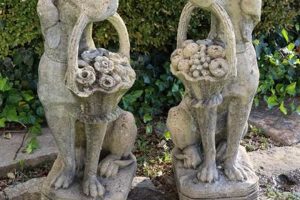
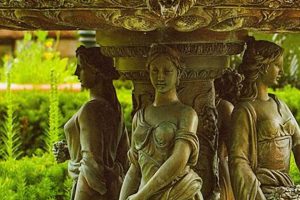
Representations of the Virgin Mary, often rendered in durable materials suitable for outdoor display, serve as devotional objects and aesthetic enhancements within residential landscapes. These sculpted figures provide a tangible focal point for prayer and contemplation in a garden setting. The statuary typically depicts Mary in traditional poses, such as the Immaculate Conception or Our Lady of Grace, and is often integrated into grottoes or flowerbeds.
The presence of such religious iconography in a garden offers spiritual solace and reinforces personal faith. These figures can be a source of comfort and inspiration for individuals and families. Historically, the practice of placing religious figures in gardens reflects a long-standing tradition of blending spirituality with natural environments, dating back to ancient cultures and continuing through various Christian traditions. This act transforms a simple garden into a sacred space, imbuing it with deeper meaning and purpose.
Understanding the symbolism, materials, and design considerations involved in choosing and placing a religious figure enhances the overall impact of the garden. Subsequent sections will delve into specific aspects, including the selection of appropriate materials for longevity, the artistic styles prevalent in such statuary, and the horticultural practices that complement and enhance their visual presentation within the outdoor setting.
Tips for Selecting and Maintaining a Garden Statue of Mary
Consider these practical suggestions to ensure the appropriate selection, placement, and preservation of a Virgin Mary statue within a garden environment. Prior planning and consistent maintenance are crucial.
Tip 1: Material Durability is Paramount: Assess the local climate and choose a material resistant to weathering. Options include cast stone, marble, or durable resins. Avoid materials prone to cracking or fading in direct sunlight or freezing temperatures.
Tip 2: Scale the Statue to the Garden: A statue’s size should be proportional to the surrounding landscape. An oversized statue can overwhelm a small garden, while a diminutive one may be lost in a larger space. Consider the visual impact from various vantage points.
Tip 3: Placement Enhances Devotional Aspect: Position the figure in a location that encourages contemplation and prayer. This may be a quiet corner of the garden, near a bench, or within a designated prayer area. Consider the statue’s orientation relative to sunrise or sunset.
Tip 4: Complement with Appropriate Landscaping: Surround the figure with plants that enhance its aesthetic appeal and devotional significance. Consider planting flowers associated with Mary, such as lilies or roses, or using ground cover that complements the statue’s base.
Tip 5: Regular Cleaning Prevents Damage: Implement a schedule for cleaning the statue to remove dirt, moss, or other debris. Use appropriate cleaning solutions based on the material of the statue, and avoid abrasive cleaners that may damage the surface.
Tip 6: Winter Protection Prolongs Lifespan: In regions with freezing temperatures, take precautions to protect the statue during the winter months. This may involve covering the figure with a protective tarp or moving it indoors to prevent cracking due to frost damage. Consider a pedestal to prevent direct ground contact.
Tip 7: Secure the Base for Stability: Ensure the figure is securely mounted to prevent tipping or displacement from wind or accidental contact. Use a stable base or anchoring system appropriate for the statue’s size and weight.
Careful selection and conscientious maintenance will ensure the longevity and beauty of the religious representation, enhancing its significance as a focal point for devotion and reflection within the garden. Adherence to these guidelines will create a peaceful and enduring sanctuary.
The following sections will discuss artistic styles and historical interpretations related to depictions within a garden context.
1. Devotional Iconography

Representations, specifically within the context of garden statuary, serve as prominent examples of devotional iconography, acting as tangible expressions of faith and reverence within a private or communal outdoor space. These figures transcend mere aesthetic ornamentation, functioning as focal points for prayer, contemplation, and spiritual connection.
- Visual Representation of Faith
The core role lies in visually embodying religious beliefs and narratives. Figures typically depict Mary in recognizable poses, such as the Immaculate Heart or Our Lady of Lourdes. These images provide a visual representation of core Marian doctrines, facilitating personal devotion and acting as a constant reminder of religious principles.
- Tangible Focus for Prayer
These figures offer a physical focal point for prayer and meditation. Rather than abstract contemplation, devotees can direct their thoughts and supplications towards a concrete representation. This tangible connection can enhance the sense of presence and intimacy during prayer, promoting a deeper spiritual experience. A rosary garden featuring a figure provides an illustrative example.
- Expression of Personal Belief
Placement of a religious figure in a garden often reflects a deliberate and personal expression of faith. It demonstrates a commitment to religious values and a desire to incorporate those values into daily life. The choice of figure, its style, and its placement within the garden all contribute to a unique and individualized expression of belief. This act transforms a secular space into a sacred one.
- Didactic Tool
The figure, particularly in religious educational settings or family gardens, serves as a teaching aid, reinforcing religious narratives and values. The presence of such iconography can spark conversations about faith, tradition, and spirituality, fostering a deeper understanding of religious principles among family members or visitors. The statue’s portrayal can serve as a visual reminder of moral and spiritual teachings.
In conclusion, the relationship between devotional iconography and religious figure underscores the statue’s function as more than mere decoration. It is a potent symbol that visually expresses faith, provides a focal point for prayer, represents personal belief, and can serve as a valuable didactic tool. Careful consideration of these elements contributes to a richer, more meaningful incorporation of these figures within garden landscapes.
2. Material Durability

The enduring presence of a religious figure in a garden is fundamentally linked to the selection of appropriate materials. Environmental exposure necessitates materials capable of withstanding temperature fluctuations, precipitation, ultraviolet radiation, and potential physical impact. Inadequate material selection directly leads to deterioration, compromising both the aesthetic integrity and the spiritual significance of the garden statue. For instance, a resin statue placed in a region with harsh winters may crack and crumble, while a statue crafted from untreated metal could corrode over time. The material, therefore, is not merely a component, but rather a foundational element influencing longevity and requiring careful consideration.
Commonly utilized materials include cast stone, marble, bronze, and certain durable polymers. Cast stone offers a cost-effective alternative to natural stone, exhibiting considerable resistance to weathering. Marble, valued for its aesthetic qualities, requires periodic sealing to prevent staining and erosion from acid rain. Bronze statues, while initially more expensive, provide exceptional durability and develop a desirable patina over time. Durable polymers, specifically formulated for outdoor use, offer a lightweight and weather-resistant option. The practical application of this knowledge lies in thoroughly researching material properties and selecting the most suitable option based on local climate conditions and budgetary constraints. Routine maintenance, such as cleaning and sealing, further extends the lifespan of the chosen material.
Ultimately, ensuring material durability is essential for preserving the value and meaning of a religious figure within a garden. The initial investment in a suitable material, coupled with consistent maintenance practices, mitigates the risk of premature degradation and ensures the statue remains a lasting symbol of faith and devotion. Challenges may arise from unforeseen environmental events or the use of substandard materials, underscoring the importance of due diligence in material selection and ongoing monitoring for signs of deterioration. Proper material selection ensures the statue endures as a poignant and lasting symbol within the landscape.
3. Artistic Representation

The artistic rendering of a Virgin Mary figure, intended for garden placement, transcends mere replication, embodying theological narratives and reflecting prevailing cultural aesthetics. The artistic choices made in its design significantly influence its perceived message and its integration within the surrounding landscape.
- Stylistic Interpretations
Diverse artistic styles, ranging from classical realism to contemporary abstraction, dictate the statue’s form and expression. A Renaissance-inspired statue, for instance, might emphasize idealized beauty and serene composure, while a Baroque representation could incorporate dramatic drapery and emotive gestures. The chosen style shapes the viewer’s interpretation and emotional response. A Romanesque statue would impart a much different feeling and message compared to a more modern rendering.
- Material and Texture
The selection of materials and their surface treatment profoundly impacts the visual and tactile experience. Smooth, polished marble conveys a sense of purity and elegance, while rough-hewn stone evokes rustic simplicity. The texture and color of the material, whether bronze, cast stone, or resin, contribute to the statue’s overall character and its ability to harmonize with the garden’s natural elements. A statue cast in bronze will interact with light in a completely different way compared to one made from white marble.
- Symbolic Elements
Incorporated symbols, such as lilies, roses, stars, or specific garments, imbue the figure with deeper layers of meaning. Lilies, for example, often symbolize purity and virginity, while roses can represent love and devotion. The inclusion and accurate depiction of these symbols are vital for conveying the intended theological message. The presence or absence of a halo also significantly contributes to the symbolic communication of the artwork.
- Proportion and Scale
The proportions of the figure and its overall scale relative to its surroundings are crucial design considerations. An overly large statue can overwhelm a small garden, while a diminutive one may be lost in a sprawling landscape. Careful attention to proportion ensures visual harmony and prevents the statue from appearing disproportionate or out of place. The golden ratio may be employed in pursuit of visual perfection.
These facets of artistic representation converge to shape the final form and perceived meaning of a garden figure. Conscious attention to style, material, symbolism, and scale is essential for creating a piece that not only embodies religious devotion but also enhances the aesthetic appeal of the outdoor environment. The skillful integration of these artistic elements results in a statue that transcends its physical form, becoming a powerful symbol of faith and beauty within the garden setting.
4. Garden Integration

The seamless incorporation of a religious figure into a garden environment requires deliberate planning and thoughtful execution. Effective garden integration moves beyond mere placement, considering the statue’s relationship with surrounding vegetation, structural elements, and the overall design aesthetic of the outdoor space.
- Spatial Harmony
This refers to the proportional relationship between the statue and its surroundings. An inappropriately sized statue can disrupt visual balance. A statue towering over a small garden overwhelms the space, while a diminutive statue can disappear within a larger landscape. Successful spatial harmony ensures the figure complements, rather than dominates, the garden’s existing features. Strategic placement considers sightlines and vantage points within the garden.
- Vegetative Complementation
The selection and arrangement of plants around the statue can enhance its visual impact and spiritual significance. Plants associated with Mary, such as lilies, roses, or irises, reinforce the devotional theme. The color palette of surrounding flowers can also complement the statue’s material, such as white roses accentuating a marble statue. Careful consideration must be given to plant height and spread to avoid obscuring the statue over time. Seasonal blooms add dynamic visual interest.
- Structural Integration
Incorporating the statue within existing or newly constructed garden structures strengthens its connection to the landscape. Grottoes, trellises, or stone walls provide a backdrop and define the statue’s immediate surroundings. These structural elements can also create a sense of enclosure, enhancing the statue’s role as a focal point for contemplation. The material and style of these structures should harmonize with the statue’s aesthetic and the overall garden design. A simple brick wall can provide a structured contrast to a marble statue.
- Thematic Consistency
Ensuring thematic consistency between the statue and the garden’s overall design strengthens the sense of purpose and unity. A formal garden might feature a classical-style statue, while a cottage garden could incorporate a more rustic or folk-art representation. The garden’s style, plant selection, and structural elements should collectively reinforce the religious theme embodied by the statue. This cohesive approach transforms the garden into a unified and meaningful space, resonating with the underlying devotional intent. A herb garden with medicinal herbs may complement a statue representing healing.
Successful garden integration elevates the religious figure from a standalone object to an integral component of a harmonious and spiritually enriching outdoor environment. Thoughtful consideration of spatial harmony, vegetative complementation, structural integration, and thematic consistency creates a garden that not only pleases the eye but also nourishes the soul. These efforts transform a simple garden into a personal sanctuary, reflecting faith through horticultural design and artistic expression.
5. Spiritual Solace

The presence of a Virgin Mary statue within a garden setting frequently serves as a catalyst for spiritual solace. The visual representation of a revered figure, coupled with the tranquility often associated with gardens, creates an environment conducive to reflection and inner peace. The statue, therefore, acts as more than mere decoration; it functions as a tangible symbol of faith and hope, offering comfort to individuals seeking solace from life’s challenges. The act of tending to the garden surrounding the statue can further enhance this effect, transforming a mundane task into a meditative practice. For example, an individual grappling with grief may find comfort in tending a rosary garden with a statue at its center, finding a sense of connection and peace amidst their sorrow.
The importance of spiritual solace as a component of a garden statue extends to its ability to foster a sense of connection to something larger than oneself. The figure’s presence serves as a reminder of faith, providing a sense of stability during times of uncertainty. Real-life examples abound, from small private gardens offering respite to individuals battling illness to larger communal gardens providing a sanctuary for communities facing adversity. The practical significance of understanding this lies in designing and maintaining gardens with the express purpose of promoting spiritual well-being. This involves carefully selecting the figure, creating a peaceful and inviting environment, and encouraging interaction with the space.
In summary, the connection between spiritual solace and a religious figure within a garden is undeniable. The statue acts as a visual anchor for faith, providing a space for reflection and offering comfort during times of distress. While challenges may arise in maintaining a garden that consistently fosters such solace, the underlying principle of creating a peaceful and faith-affirming environment remains paramount. This understanding reinforces the role of gardens as not merely aesthetically pleasing spaces, but as sanctuaries that contribute to emotional and spiritual well-being. The garden statue, then, becomes an integral part of that holistic experience.
6. Cultural Significance
The presence of a Virgin Mary statue in a garden is inextricably linked to cultural significance, reflecting a confluence of religious devotion, artistic tradition, and historical context. The widespread adoption of these figures within domestic and public landscapes underscores their enduring appeal as symbols of faith and cultural identity. The cultural resonance of the statue stems from its association with Marian devotion, a prominent aspect of Christianity, particularly within Catholicism and Orthodoxy. As a result, the statue serves as a visual manifestation of deeply held religious beliefs, connecting individuals to a broader community of faith and reinforcing shared cultural values. For instance, in many Latin American cultures, the inclusion of such a figure in a garden is not merely decorative but rather a customary expression of faith and a symbol of protection for the home and family. This cultural phenomenon highlights the statues function as a powerful emblem that resonates far beyond its aesthetic value.
The importance of cultural significance as a component is evident in the diverse artistic styles employed in their creation, each reflecting a particular cultural interpretation. From classical marble sculptures to folk-art renditions crafted from locally sourced materials, these figures embody unique cultural aesthetics. The specific depiction of Mary, the clothing she wears, and the surrounding iconography all contribute to the statue’s cultural narrative. Further practical application of understanding this lies in appreciating the nuances of cultural context when selecting a statue for a particular garden setting. A statue with strong ties to a specific regional tradition can enhance the cultural authenticity of the space, while a figure that clashes with the surrounding cultural context may appear incongruous or even disrespectful. The cultural significance of the statue extends to its ability to transmit religious narratives and moral values across generations. The statue serves as a visual reminder of these stories, reinforcing their cultural importance.
In summary, the cultural significance of a Virgin Mary statue in a garden underscores its role as more than mere ornamentation. It serves as a powerful symbol of faith, cultural identity, and historical continuity. While challenges may arise in navigating the complexities of cultural appropriation and respecting diverse cultural interpretations, the understanding of cultural significance remains crucial for creating a garden space that is both aesthetically pleasing and culturally meaningful. By acknowledging and respecting the cultural context of these figures, individuals can cultivate gardens that honor religious traditions, promote cultural understanding, and contribute to the preservation of cultural heritage.
7. Aesthetic Enhancement
The incorporation of religious figures, specifically representations of the Virgin Mary, into garden landscapes significantly contributes to aesthetic enhancement. The artistic form of the statue, combined with the garden’s natural elements, creates a visually appealing and harmonious environment, elevating the overall aesthetic value of the outdoor space.
- Focal Point Creation
The religious figure serves as a central focal point within the garden, drawing the eye and providing a sense of order and purpose to the landscape design. This creates visual interest and guides the viewer’s gaze, organizing the surrounding elements and establishing a clear hierarchy within the garden’s composition. For example, a centrally placed marble statue surrounded by carefully manicured flowerbeds instantly establishes a sense of formality and grandeur. The statue becomes the anchor of the entire design.
- Stylistic Complementarity
The style of the figure, whether classical, baroque, or contemporary, can be chosen to complement the existing garden style, enhancing the overall aesthetic coherence. A classical-style statue aligns well with formal gardens, reinforcing the symmetry and order of the design, while a more rustic figure might be better suited to a cottage garden, adding a touch of charm and informality. Proper style selection strengthens the overall aesthetic unity and reinforces the garden’s intended character.
- Material Contrast and Harmony
The statue’s material, texture, and color provide opportunities to create visual contrast and harmony with the surrounding landscape. A white marble statue, for instance, can stand out against a backdrop of lush greenery, creating a striking visual contrast, while a bronze figure can blend seamlessly with earth-toned pathways and foliage, achieving a sense of natural harmony. Skillful manipulation of material properties enhances visual interest and creates a more dynamic and engaging landscape.
- Emotional Ambiance
Beyond purely visual considerations, the religious figure contributes to the emotional ambiance of the garden, fostering a sense of peace, tranquility, and reverence. The statue’s presence can transform a simple garden into a contemplative sanctuary, inviting reflection and providing a space for spiritual solace. The aesthetic impact extends beyond visual appeal, contributing to the overall emotional well-being of those who interact with the space. It elevates a simple garden into a symbolic place of devotion.
In conclusion, the presence of a religious figure significantly enhances the aesthetic value of a garden. The integration of artistic form, stylistic coherence, material interplay, and emotional ambiance transforms the garden into a space of beauty, contemplation, and spiritual significance, where visual appeal is intertwined with profound cultural and religious meaning.
Frequently Asked Questions
The following questions address common inquiries regarding the selection, placement, maintenance, and significance of religious figures, specifically representations of the Virgin Mary, within garden settings.
Question 1: What factors should be considered when selecting a statue for outdoor display?
Material durability is paramount, with considerations including resistance to weathering, temperature fluctuations, and ultraviolet radiation. Scale is also important; the statues size should be proportional to the garden space to ensure visual harmony. Consider the statues style to be consistent with overall theme of the garden.
Question 2: How does one protect the statue from the elements during winter months?
In regions with freezing temperatures, preventative measures are essential. These include covering the statue with a protective tarp, elevating it on a pedestal to prevent direct ground contact, or, in some cases, moving it indoors to prevent damage from frost and ice. The protective measurement should be based on the material used.
Question 3: What is the best method for cleaning the religious representation?
Cleaning methods depend on the statues material. Generally, gentle washing with mild soap and water is recommended. Abrasive cleaners should be avoided, as they can damage the surface. Regular cleaning prevents the build-up of dirt, moss, and other debris, preserving the statue’s appearance.
Question 4: How does placement within the garden enhance its significance?
Strategic placement can enhance the statue’s visual impact and spiritual resonance. Consider positioning the figure in a quiet corner, near a bench, or within a designated prayer area. Orienting the statue towards sunrise or sunset can also amplify its devotional aspect. Strategic placement promotes contemplation.
Question 5: What plants are most appropriate to complement a Virgin Mary statue?
Plants associated with Mary, such as lilies, roses, and irises, reinforce the devotional theme. The color palette of surrounding flowers can also complement the statues material. Consider plant height and spread to avoid obscuring the statue over time.
Question 6: What is the symbolic meaning associated with having a Virgin Mary statue in the garden?
The presence of the statue can serve as a tangible expression of faith, a reminder of religious values, and a focal point for prayer and contemplation. It can transform a secular space into a sacred one, providing spiritual solace and connecting individuals to a broader religious tradition. This can be a personal reminder or symbol.
Understanding these aspects of selection, maintenance, and symbolism is crucial for integrating a garden statue into a landscape in a meaningful way. These figures are more than decorative art. They are devotional items.
Subsequent sections will explore the historical and artistic origins of religious iconography within garden design.
Conclusion
The preceding discussion has provided a comprehensive examination of the multifaceted nature of the garden statue of mary. From considerations of material durability and artistic representation to the nuanced integration within garden design and its profound cultural and spiritual significance, the analysis underscores its importance as a powerful symbol. The interplay of horticultural elements, artistic choices, and devotional intent creates a focal point that transcends mere decoration, offering solace and reflecting deeply held beliefs.
The integration of such a figure is a deliberate act of faith, imbuing a physical space with spiritual meaning. As societal values evolve and personal expressions of faith adapt, the presence of the garden statue of mary will likely continue to serve as a tangible and enduring emblem of devotion, prompting reflection and connecting individuals to a timeless narrative of faith and hope. Further scholarly research into the cultural impact of religious iconography in outdoor spaces remains warranted, allowing for a deeper understanding of its role in shaping individual and collective spiritual experiences.