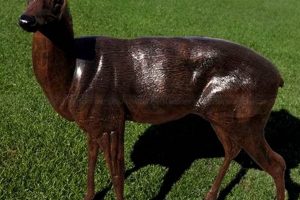
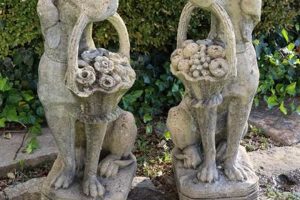
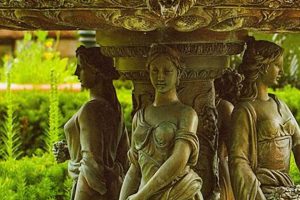
Representations of holy figures, often crafted from materials like stone, resin, or metal, are placed in outdoor spaces. These devotional objects serve as visual reminders of faith and can enhance the aesthetic quality of gardens and landscapes. For instance, a figure of St. Francis of Assisi, patron saint of animals and the environment, might be positioned amongst flowering plants to evoke themes of stewardship and compassion.
These artistic renderings provide a source of inspiration and contemplation. Their presence fosters a sense of peace, reflection, and spiritual connection. Throughout history, individuals have used religious iconography to express devotion and seek solace. Integrating such symbolism into outdoor settings allows for a continuous engagement with spiritual values within a natural environment. Such inclusions act as focal points, creating personalized sanctuaries for prayer and meditation.
The following sections will delve into specific materials used in their creation, the diverse styles available, and guidance on selecting appropriate figures to complement different garden designs, including considerations for weather resistance and placement.
Selection and Placement Considerations
The incorporation of devotional statuary into garden design requires careful consideration. Aesthetic harmony, material durability, and thematic coherence are crucial to achieving a pleasing and meaningful outdoor space.
Tip 1: Material Selection for Longevity: Opt for materials suited to the local climate. Stone, such as granite or marble, offers substantial durability but may be susceptible to acid rain in certain regions. Resin composites provide a lighter-weight, more weather-resistant alternative, though their aesthetic appeal may differ. Bronze necessitates periodic maintenance to prevent corrosion.
Tip 2: Scale Appropriateness: Ensure the size of the figure complements the surrounding landscape. A diminutive figurine may be lost in a sprawling garden, while an overly large statue can overwhelm a smaller space. Consider the viewing distance and sightlines when determining appropriate dimensions.
Tip 3: Thematic Consistency: Select figures whose iconography aligns with the garden’s overall design. A formal, symmetrical garden may benefit from classical depictions of patron saints, while a more naturalistic setting might be better suited to figures associated with nature or healing.
Tip 4: Weatherproofing Considerations: Protect statues from extreme temperature fluctuations. In regions with severe winters, consider moving more delicate materials indoors or providing protective coverings. Ensure adequate drainage to prevent water damage.
Tip 5: Placement for Visual Impact: Strategically position statues to maximize their visual impact. A focal point at the end of a path or within a flower bed can draw the eye and create a sense of depth. Consider the angle of sunlight and shadow patterns throughout the day.
Tip 6: Consider Spiritual Significance: Choose figures that hold personal or community meaning. Statues can serve as focal points for prayer, meditation, and remembrance, reflecting the values and beliefs of the individuals who tend the garden.
Tip 7: Secure Mounting: Ensure that statues are securely mounted to prevent accidental displacement or damage, especially in areas prone to high winds or seismic activity. A stable base will contribute to the statue’s longevity and aesthetic appeal.
Proper selection and placement not only enhance the visual appeal of the garden but also create a meaningful and enduring space for reflection and devotion.
The subsequent discussion will focus on the historical origins of these devotional objects and their evolving role in landscape design.
1. Devotion

The installation of figures in garden spaces is inextricably linked to the concept of devotion. The choice of which holy figure to depict is rarely arbitrary; rather, it stems from a pre-existing allegiance or a profound reverence for the saint’s life and teachings. For example, placing a statue of Saint Jude, the patron saint of lost causes, might represent a personal struggle or a desire for hope and perseverance. Consequently, the figures serve as a continuous, visible reminder of faith and the values that the saint represents.
The act of placing these figures is itself an expression of religious observance. Individuals may engage in prayer or contemplation in their presence, transforming the garden into a personal sanctuary. Furthermore, the careful tending of the garden, planting specific flowers or herbs associated with a particular saint, can be seen as an extension of this devotional practice. The figure becomes a focal point, reinforcing the individual’s commitment to their faith and providing a tangible link to the divine. This is seen in the widespread popularity of statues of Mary in Marian gardens, serving as focal points for rosary recitations and personal supplications.
Understanding the central role of devotion is crucial for those considering incorporating these figures into their outdoor spaces. It moves beyond mere aesthetic considerations and centers on a sincere expression of faith. By aligning the choice of the statues with deeply held beliefs and values, individuals can create a garden that is not only visually appealing but also spiritually meaningful. This focus provides a richer, more personal spiritual experience, even if the garden serves as a visual affirmation of personal faith.
2. Materiality

The physical substance from which a devotional garden statue is constructed dictates not only its aesthetic qualities but also its longevity and suitability for outdoor display. The selection of materials, therefore, holds significant implications for the statue’s ability to withstand environmental conditions and to convey the intended symbolic meaning. For example, marble, traditionally associated with purity and status, lends a classical elegance and durability to statues, as evidenced by the enduring examples found in formal gardens across Europe. However, marble’s susceptibility to acid rain necessitates diligent maintenance to preserve its surface integrity. Consequently, the choice of material becomes a critical factor in long-term preservation.
Conversely, less expensive materials such as resin composites offer increased resistance to weathering but may lack the visual richness and perceived historical value of natural stone. Resin statues, often lighter and easier to relocate, are increasingly prevalent in contemporary gardens, offering a more accessible and practical alternative. The rise in popularity of these materials reflects a shift towards affordability and ease of maintenance, but compromises must be made concerning authenticity and long-term durability. The material also influences the level of detail achievable in the sculpting process, directly impacting the realism and expressiveness of the figure.
Ultimately, the choice of material for garden statues presents a trade-off between aesthetic appeal, durability, and cost. A comprehensive understanding of each material’s properties is essential for selecting a statue that will withstand the elements, maintain its visual integrity, and continue to serve as a tangible representation of faith and devotion for years to come. The materiality of the statue is therefore intricately linked to its function as a long-lasting symbol within the garden landscape, requiring careful consideration to ensure both its physical preservation and spiritual relevance.
3. Iconography

The visual language employed in garden statues of saints, encompassing symbols, attributes, and artistic conventions, is fundamental to their meaning and function. Understanding this system of representation allows for a deeper appreciation of the statue’s purpose within a devotional garden setting.
- Symbolic Attributes
Each saint is often associated with specific objects or symbols that represent aspects of their life, martyrdom, or patronage. Saint Patrick, for instance, is typically depicted with a shamrock, representing the Holy Trinity, while Saint Cecilia, patron saint of music, is often shown with a musical instrument. The inclusion of these attributes serves to identify the figure and to convey the saint’s particular virtues or area of intercession. Their presence enriches the statue’s narrative and invites contemplation on the saint’s role in religious tradition.
- Postural and Gestural Conventions
The pose and gestures of the saint are also significant components of its iconography. A figure with outstretched arms may represent divine grace or a call to prayer, while a kneeling figure signifies humility and submission. The positioning of the hands, the direction of the gaze, and the overall body language contribute to the statue’s emotional impact and communicate specific messages about the saint’s character and relationship with the divine. These visual cues are carefully crafted to evoke specific emotional responses and spiritual reflections.
- Color Symbolism
While less prominent in stone or bronze statues, the use of color can play a role in conveying symbolic meaning, especially in painted or polychrome figures. Blue, often associated with the Virgin Mary, represents purity and divinity, while red may symbolize martyrdom or divine love. The careful selection of colors can enhance the statue’s visual appeal and reinforce its spiritual message. However, the long-term preservation of colored finishes in outdoor environments requires careful consideration and maintenance.
- Historical Artistic Styles
The artistic style in which the statue is rendered reflects the prevailing aesthetic trends of its time and can influence its overall impact. A statue sculpted in the classical tradition will evoke a sense of timelessness and reverence, while a more contemporary rendering may emphasize the saint’s humanity and relevance to modern life. Understanding the historical context of the statue’s artistic style can provide insights into the cultural and religious values that shaped its creation.
The effective use of iconography in garden statues of saints transforms them from mere decorative objects into powerful symbols of faith. By understanding the language of symbols, gestures, and artistic conventions, viewers can engage with the statues on a deeper level and appreciate their significance within the context of the devotional garden.
4. Placement

The deliberate arrangement of devotional statuary within a garden significantly affects its symbolic resonance and aesthetic integration. Placement is not merely a matter of spatial allocation; it is a crucial determinant of how the statue interacts with its environment and influences the observer’s perception. A poorly positioned statue may appear incongruous or fail to evoke the desired spiritual response, whereas a well-considered location can enhance the statue’s visual impact and deepen its symbolic significance. For example, a statue of Saint Francis positioned near a birdbath or surrounded by flowering plants reinforces his role as the patron saint of animals and nature, creating a harmonious interplay between the figure and its surroundings. Conversely, placing the same statue in a shadowed, neglected corner might diminish its presence and undermine its symbolic intent.
Practical considerations also dictate optimal placement. Exposure to sunlight, wind, and moisture levels should influence decisions, as prolonged exposure to harsh elements can accelerate material degradation. Securing the statue to a stable base is essential to prevent accidental toppling or theft. Furthermore, the statue’s sightlines from various vantage points within the garden should be evaluated. Strategically positioning the statue along a pathway or at the terminus of a vista can draw the eye and create a sense of depth. The scale of the statue must also be considered in relation to the surrounding landscape; a diminutive figurine may be lost in a sprawling garden, while an overly large statue can overwhelm a smaller space. The placement of a statue of Saint Joseph near a home’s entrance, according to tradition, provides spiritual protection, which exemplifies this practical application, but its effect depends on factors like visibility and relation to the architectural style.
In summary, thoughtful placement is paramount to maximizing the aesthetic and spiritual impact of garden statues of saints. A confluence of environmental awareness, artistic sensibility, and understanding of symbolic meaning are essential. Challenges such as limited space, budget constraints, or adverse weather conditions may necessitate creative solutions. By carefully considering these factors, individuals can ensure that the statues harmoniously integrate into the garden landscape, serving as enduring symbols of faith and inspiration and linking the material presence of the sculpture to the intangible benefits of spiritual enrichment.
5. Protection

Safeguarding garden statues of saints requires multifaceted strategies, ensuring their longevity and preserving their devotional significance within outdoor spaces. The implementation of appropriate protective measures is essential for mitigating potential damage from both environmental factors and human activity.
- Material-Specific Preservation
Different materials necessitate distinct protective measures. Bronze statues benefit from regular waxing to prevent oxidation, while stone figures may require sealant applications to repel water and minimize the effects of freeze-thaw cycles. Resin statues, though generally more weather-resistant, can be vulnerable to prolonged UV exposure, necessitating the use of UV-resistant coatings or strategic placement in shaded areas. Understanding the specific vulnerabilities of each material is crucial for implementing targeted preservation efforts.
- Environmental Shielding
Garden environments inherently expose statues to weather extremes. Protective coverings, such as tarpaulins or custom-fitted enclosures, offer a physical barrier against snow, ice, and heavy rain during winter months. Elevating statues on plinths or platforms can minimize ground moisture absorption and prevent direct contact with soil, reducing the risk of algae or mold growth. Strategic landscaping, such as planting windbreaks or constructing partial shelters, can further mitigate environmental stressors.
- Security Measures
Theft and vandalism pose significant threats to garden statues, particularly in publicly accessible spaces. Installing security cameras, motion-activated lighting, and perimeter fencing can deter unauthorized access. Anchoring statues to stable bases or embedding them in concrete foundations can prevent their removal. In some cases, employing security personnel or engaging with neighborhood watch programs may provide an additional layer of protection.
- Maintenance and Repair
Regular maintenance is vital for detecting and addressing minor damage before it escalates. Periodic cleaning removes accumulated dirt, moss, and lichen, preventing them from compromising the statue’s surface. Promptly repairing cracks, chips, or other structural defects prevents further deterioration. Professional conservation services may be necessary for addressing significant damage or implementing specialized preservation techniques.
Collectively, these protective measures ensure the enduring presence of garden statues of saints, allowing them to continue serving as visual reminders of faith and sources of inspiration within outdoor spaces. The strategic implementation of material-specific preservation, environmental shielding, security measures, and regular maintenance safeguards these devotional objects against a range of potential threats, preserving their aesthetic integrity and spiritual significance for future generations.
Frequently Asked Questions
The following questions address common inquiries and concerns related to the selection, placement, and maintenance of devotional garden statues.
Question 1: What materials are best suited for garden statues intended for year-round outdoor display?
Durable materials such as granite, bronze, and high-quality resin composites are generally recommended for year-round outdoor use. These materials exhibit superior resistance to weathering, temperature fluctuations, and UV exposure compared to less robust alternatives. Local climatic conditions should be considered when making a final selection.
Question 2: How can the risk of theft or vandalism be minimized for garden statues displayed in publicly accessible areas?
Employing a combination of security measures can deter theft and vandalism. These measures include installing security cameras, utilizing motion-activated lighting, anchoring statues to stable bases, and engaging with local neighborhood watch programs. Consider incorporating anti-theft devices or utilizing GPS tracking systems for high-value items.
Question 3: What are the recommended cleaning methods for garden statues made of different materials?
Cleaning methods vary depending on the material. Stone statues can be cleaned with mild soap and water, using a soft brush to remove dirt and debris. Bronze statues benefit from periodic waxing to prevent oxidation. Resin statues can be cleaned with a damp cloth and mild detergent. Avoid using harsh chemicals or abrasive cleaners, as these can damage the statue’s surface.
Question 4: How does statue size impact the overall aesthetic of a garden design?
The size of the statue should be proportionate to the scale of the garden. A diminutive figurine may be lost in a sprawling landscape, while an overly large statue can overwhelm a smaller space. Consider the viewing distance and sightlines when determining appropriate dimensions. Achieving a harmonious balance between the statue and its surroundings is crucial for creating a visually pleasing composition.
Question 5: What are the key considerations for positioning garden statues to maximize their spiritual impact?
Strategic placement can enhance a statue’s spiritual impact. Consider placing statues in focal points, such as at the end of a pathway or within a flower bed. Orient statues to align with prevailing sunlight patterns, creating dramatic shadow effects. Select locations that promote contemplation and reflection, such as near seating areas or water features.
Question 6: How can the life expectancy of garden statues be extended in regions with severe weather conditions?
In regions with severe weather, implementing protective measures is essential. These measures include covering statues during winter months, elevating them on plinths to prevent ground moisture absorption, and applying weather-resistant coatings to protect against UV damage and freeze-thaw cycles. Regular maintenance and prompt repair of any damage will further extend the statue’s lifespan.
Proper care and thoughtful placement contribute significantly to the enduring beauty and spiritual significance of garden statues.
The subsequent section will offer a comprehensive guide to selecting appropriate figures based on specific garden styles and personal preferences.
Conclusion
This exposition has systematically explored the multifaceted aspects of garden statues of saints, encompassing materials, iconography, placement, and protection strategies. Each element contributes to the overall significance and longevity of these devotional objects within outdoor spaces. Understanding these dimensions allows for a more informed approach to their selection and integration into diverse garden designs.
The enduring presence of garden statues of saints reflects a continuing desire to express faith through tangible symbols within the natural world. Careful consideration of the presented principles ensures that these representations serve not only as aesthetic enhancements but also as enduring testaments to spiritual values. Their continued presence in gardens globally underscores their lasting cultural and religious significance.