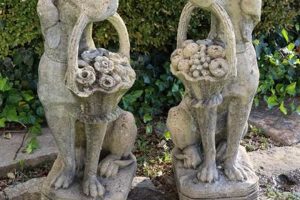
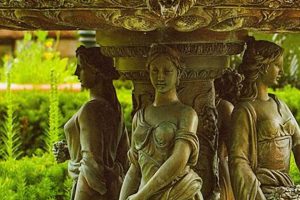
Representations of the Virgin Mary, often crafted from durable materials such as stone, resin, or metal, and designed for outdoor placement, serve as focal points within landscaped areas. These devotional objects range in size from modest figurines suitable for small flowerbeds to larger-than-life sculptures intended for prominent display. Their presence within a garden setting provides a visual cue for contemplation and spiritual reflection.
Historically, placing images of the Virgin Mary in gardens reflects a tradition rooted in religious devotion and artistic expression. These installations offer aesthetic enhancements while simultaneously fostering a sense of tranquility and peace. The presence of such a figure provides comfort and inspiration to those who encounter it, transforming an outdoor space into a sanctuary.
The subsequent discussion explores the diverse styles, materials, and placements associated with these devotional garden features, examining their role in shaping both personal and communal outdoor spaces.
Selection and Placement Guidance
The following recommendations provide a structured approach to choosing and positioning devotional outdoor figures, ensuring longevity and aesthetic integration within a garden or landscape.
Tip 1: Material Considerations: Select materials appropriate for the local climate. Stone and treated resin offer enhanced durability against weathering compared to less robust options. Consider the long-term maintenance requirements associated with each material.
Tip 2: Scale and Proportion: Evaluate the dimensions of the intended placement area. An excessively large figure may overwhelm a small garden, while an undersized figure could be lost in a larger landscape. Strive for visual harmony and balance.
Tip 3: Style Compatibility: Align the stylistic features of the figure with the existing garden design. A classical statue complements a formal garden, whereas a more rustic design may better suit a naturalized or cottage-style setting.
Tip 4: Placement Orientation: Consider the direction of sunlight exposure. Positioning the figure to avoid direct afternoon sun, especially in warmer climates, can prevent premature fading or damage.
Tip 5: Foundation and Stability: Ensure the figure is securely anchored to a stable base, particularly in areas prone to high winds or ground movement. A properly prepared foundation prevents tipping or displacement.
Tip 6: Integrate with Landscaping: Enhance the figure’s visual appeal by surrounding it with complementary plantings. Utilize foliage, flowers, and groundcover to create a cohesive and visually engaging focal point.
Tip 7: Consider Focal Point and Views: Select placement based on views from key areas of the house and garden. Creating a visually striking focal point provides a sense of purpose and design intentionality.
Proper material selection, proportional considerations, stylistic alignment, sunlight management, secure anchoring, landscape integration, and focal point considerations contribute significantly to the successful incorporation and lasting impact of devotional figures within outdoor environments.
The subsequent sections explore maintenance protocols and protective measures essential for preserving the condition and extending the lifespan of these features.
1. Material Durability

Material durability is a crucial factor in determining the longevity and aesthetic appeal of outdoor devotional representations. The selection of materials directly impacts the statue’s resistance to environmental stressors and its ability to maintain structural integrity over time.
- Resistance to Weathering
Outdoor statues are consistently exposed to the elements. Weathering encompasses processes such as freeze-thaw cycles, ultraviolet radiation, and acid rain. Materials like marble or certain types of untreated stone are susceptible to erosion or cracking in such conditions. Resin-based composites or treated metals offer increased resistance to these degradation factors, extending the statue’s lifespan and preserving its detail.
- Impact of Environmental Pollutants
Statues in urban or industrial environments face exposure to airborne pollutants. These pollutants can chemically react with certain materials, causing discoloration, pitting, or structural weakening. Selecting materials that exhibit chemical inertness or applying protective coatings can mitigate the negative impacts of these environmental contaminants, ensuring the statue maintains its visual integrity.
- Maintenance Requirements
The material composition dictates the required maintenance protocols. Porous materials may necessitate periodic sealing to prevent water absorption and subsequent damage from freezing temperatures. Metal statues may require occasional cleaning to remove oxidation. Understanding these maintenance demands is crucial for ensuring the long-term preservation of the outdoor feature.
- Structural Integrity Over Time
The chosen material’s inherent strength and resistance to deformation are paramount. Over time, statues can experience stress from wind loads, ground settling, or temperature fluctuations. Materials with high compressive strength and dimensional stability, such as reinforced concrete or certain stone types, are better suited for withstanding these forces and maintaining their structural integrity.
The correlation between material selection and statue longevity is undeniable. A thoughtful assessment of environmental factors and material properties is essential for ensuring that these devotional outdoor representations retain their beauty and structural soundness for generations.
2. Artistic Style

Artistic style significantly influences the perception and impact of devotional outdoor figures. The chosen aesthetic directly shapes the emotional response evoked and determines the figure’s integration within the surrounding landscape.
- Classical Realism
Classical realism, characterized by anatomical accuracy and idealized forms, evokes a sense of timelessness and reverence. Examples include depictions of the Virgin Mary with flowing robes and serene expressions, often inspired by Renaissance or Baroque sculptures. This style lends an air of formality and tradition to the garden setting.
- Romanesque Influence
Adopting simplified forms, symmetrical designs, and stylized features, this approach harkens back to the artistic traditions of medieval Europe. Statues adopting this aesthetic, may exhibit less concern for realistic proportions, instead emphasizing symbolic representation and creating a sense of solemnity.
- Folk Art Renditions
Folk art incorporates regional traditions and handcrafted techniques, resulting in more stylized and personalized depictions. The usage of local materials and handmade processes results in pieces with unique character and local significance, blending naturally into the garden landscape.
- Contemporary Interpretations
Contemporary artists introduce abstract forms, unconventional materials, and modern design principles. Such interpretations provide opportunities for individual expression and can create visual harmony in modern landscapes, but also may generate controversy or misinterpretation.
The artistic style of a devotional outdoor figure directly affects its ability to resonate with viewers and integrate into a garden environment. Each style conveys a distinct set of values and evokes specific emotional responses, impacting the overall atmosphere of the space.
3. Placement Context
The placement context of a devotional outdoor figure profoundly influences its perceived significance and aesthetic integration. The deliberate selection of a specific location within a landscape shapes the viewer’s experience and defines the statue’s role within its surrounding environment. A carefully chosen site maximizes visual impact and fosters a sense of reverence, while a poorly considered location can diminish the statue’s intended effect.
Consider, for example, a figure positioned at the terminus of a garden path, creating a focal point that draws the eye and invites contemplation. Conversely, placing the same figure in a cluttered or obscured location would negate its visual prominence and reduce its spiritual impact. The surrounding vegetation, architectural features, and lighting conditions all contribute to the overall placement context. For instance, framing a statue with flowering plants can enhance its beauty and create a sense of serenity, whereas harsh, direct sunlight can cause glare and detract from its aesthetic qualities. Historical precedents, such as placing statues within grottoes or near water features, demonstrate an understanding of how the environment can amplify the figure’s symbolic meaning. The arrangement of these landscape components is critical. An open space promotes reflection. Statues with a southern exposure will be visible most of the day. Consider if the placement supports or detracts from contemplation.
Therefore, understanding and carefully manipulating the placement context is essential for maximizing the aesthetic and spiritual impact of a devotional outdoor representation. Thoughtful consideration of the surrounding environment, lighting, and visual sightlines is paramount. These elements must be carefully balanced to create a harmonious and meaningful setting for the figure.
4. Devotional Significance

The presence of a Marian figure within a garden setting often extends beyond mere aesthetic enhancement, serving as a profound expression of faith and personal connection to the Virgin Mary. The devotional significance embedded within these installations is a multifaceted concept encompassing personal, communal, and historical dimensions.
- Symbolic Representation
Marian statues serve as tangible representations of core religious beliefs and values. The Virgin Mary is often depicted in poses and with attributes that symbolize purity, compassion, and maternal care. The presence of such a figure provides a constant visual reminder of these virtues, fostering a sense of spiritual connection and inspiration. Examples include depictions of the Immaculate Conception or Our Lady of Grace, each conveying specific theological concepts.
- Personal Connection and Prayer
For many individuals, a Marian statue serves as a focal point for prayer and contemplation. The act of tending to the statue and its surrounding garden becomes a form of devotional practice, fostering a deeper personal relationship with the Virgin Mary. The quiet solitude of the garden provides an ideal setting for reflection and supplication, strengthening one’s faith and seeking solace or guidance.
- Communal Identity and Faith Expression
In some communities, Marian statues serve as symbols of shared religious identity and collective faith. The placement of such a figure in a public garden or communal space becomes a visible testament to the community’s values and beliefs. These installations often serve as gathering places for prayer services or religious celebrations, reinforcing social bonds and promoting a sense of unity.
- Historical Continuity and Tradition
The tradition of placing Marian figures in gardens dates back centuries, reflecting a long-standing practice of honoring the Virgin Mary in outdoor settings. These installations often represent a continuation of cultural and religious traditions passed down through generations, connecting individuals to their heritage and providing a sense of historical continuity. Examples include statues erected in memory of significant historical events or figures, serving as lasting reminders of the past.
These interconnected facets underscore the significant role Marian figures play in fostering devotional expression. Beyond their aesthetic value, these statues serve as powerful symbols of faith, promoting personal reflection, communal identity, and a connection to historical traditions. The placement and care of a Marian statue in a garden, therefore, represents a deeply meaningful act of religious devotion.
5. Weather Resistance
Weather resistance is a paramount consideration in the selection and preservation of outdoor devotional figures. Exposure to environmental elements such as precipitation, temperature fluctuations, and ultraviolet radiation poses significant challenges to the long-term structural integrity and aesthetic quality of these representations. Consequently, the materials and construction techniques employed must exhibit resilience against these destructive forces.
- Material Degradation from Moisture
Prolonged exposure to moisture, in the form of rain, snow, or humidity, can lead to material degradation. Porous materials like untreated stone or certain types of wood are susceptible to water absorption, which can result in cracking during freeze-thaw cycles. Furthermore, moisture can promote the growth of mold, mildew, and algae, causing discoloration and surface damage. The selection of non-porous materials or the application of protective coatings can mitigate these effects, preserving the statue’s structural soundness and aesthetic appearance.
- Effects of Temperature Variation
Significant temperature fluctuations can induce thermal stress within a statue’s material composition. Rapid heating and cooling cycles can cause expansion and contraction, leading to cracking, warping, or delamination. The selection of materials with low coefficients of thermal expansion or the incorporation of expansion joints in the design can reduce the risk of these types of failure. Additionally, lighter colors tend to absorb less heat, making them more suitable for warmer climates.
- Ultraviolet (UV) Radiation Damage
Prolonged exposure to UV radiation can cause fading, discoloration, and embrittlement of certain materials, particularly plastics and painted surfaces. The use of UV-resistant materials or the application of UV-protective coatings can significantly extend the lifespan of the statue’s finish and prevent premature degradation. Regular maintenance, such as cleaning and re-coating, may be necessary to maintain optimal UV protection.
- Wind and Physical Impact
Statues placed in exposed locations are susceptible to damage from high winds and physical impact from falling debris or vandalism. Securing the statue to a stable base and selecting materials with high impact resistance can minimize the risk of these types of damage. Protective barriers or fencing can also provide an additional layer of security, particularly in areas prone to vandalism.
The long-term preservation of these outdoor statues depends directly on their capacity to endure environmental challenges. Therefore, careful consideration of material properties, protective measures, and regular maintenance protocols is essential to preserving both the aesthetic and devotional significance of these figures within the garden setting.
Frequently Asked Questions
The following section addresses common inquiries regarding outdoor devotional figures, focusing on aspects of selection, maintenance, and long-term preservation.
Question 1: What materials are most suitable for constructing a Marian garden statue intended for year-round outdoor display?
Durable options include cast stone, resin composites, and certain types of treated metal. These materials exhibit greater resistance to weathering, UV radiation, and temperature fluctuations compared to less robust alternatives. Material selection should be based on the local climate and expected environmental conditions.
Question 2: How can fading or discoloration of a statue’s finish be prevented or mitigated?
The application of UV-resistant coatings and sealants can help protect the statue’s finish from the damaging effects of sunlight. Periodic cleaning and reapplication of these protective layers are recommended to maintain optimal color retention. Selecting materials inherently resistant to UV degradation is also advisable.
Question 3: What measures can be taken to secure a statue and prevent tipping or theft?
A solid foundation is essential for stability. Anchoring the statue to a concrete base or using ground stakes can prevent tipping in windy conditions. In areas prone to theft, consider installing security cameras or using tamper-resistant fasteners. Consulting with a professional landscaper or security specialist is recommended.
Question 4: How frequently should a Marian garden statue be cleaned, and what cleaning methods are recommended?
Cleaning frequency depends on environmental factors such as rainfall and air pollution. A gentle washing with mild soap and water is generally sufficient. Avoid using abrasive cleaners or harsh chemicals, as these can damage the statue’s surface. Regular inspection and removal of debris, such as leaves and bird droppings, is also beneficial.
Question 5: Can a damaged statue be repaired, and what are the options for restoration?
Minor cracks or chips can often be repaired using epoxy resins or specialized fillers designed for outdoor use. More extensive damage may require professional restoration services. Consulting with a qualified sculptor or art conservator is recommended to assess the extent of the damage and determine the most appropriate repair methods.
Question 6: What are the considerations when selecting a statue to ensure aesthetic harmony with the existing garden design?
The statue’s style, scale, and material should complement the overall design of the garden. A formal garden may benefit from a classical or neoclassical style statue, while a more naturalistic setting may be better suited to a rustic or folk art rendition. Consider the surrounding vegetation, architectural features, and lighting conditions when making your selection.
These answers address key aspects of selecting, preserving, and maintaining devotional outdoor figures, emphasizing the importance of durable materials, appropriate maintenance practices, and aesthetic integration within the garden landscape.
The subsequent discussion explores advanced maintenance techniques and seasonal care considerations for these outdoor features.
In Conclusion
The preceding exploration underscores the multifaceted significance of the devotional figure in the outdoor environment. From material selection and artistic considerations to placement context and enduring symbolism, a comprehensive understanding of these aspects is crucial for ensuring the longevity and impact of these features. Whether it’s a “marian garden statue” or any other representation of reverence, the careful selection and maintenance are paramount.
Consideration of these elements allows for informed decisions regarding outdoor space design. By thoughtfully incorporating and maintaining devotional garden art, individuals and communities can cultivate environments that promote reflection, reverence, and a deeper connection to the values these statues represent. Future efforts should prioritize innovative material research and sustainable practices to further enhance the enduring presence of the “marian garden statue” in landscapes for generations to come.