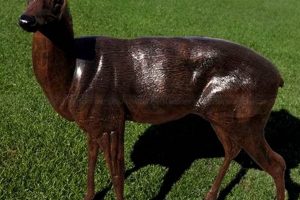
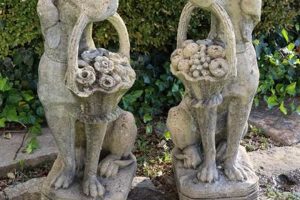
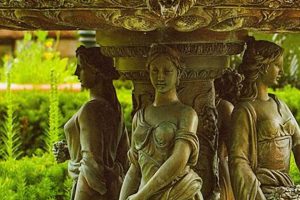
Ornamental sculptures, significantly scaled for outdoor placement, enhance landscape architecture. These substantial artistic pieces, often crafted from materials like stone, metal, or concrete, function as focal points within cultivated outdoor spaces. For example, a multi-foot tall depiction of a classical figure or an abstract metallic form could serve as prominent features in a residential or public garden.
The incorporation of sizable sculptural elements within external environments offers several advantages. Beyond aesthetic enrichment, these installations can evoke a sense of grandeur, historical resonance, or personal significance. Historically, large-scale outdoor sculptures have served as symbols of power, wealth, or cultural identity, enhancing prestigious gardens and public areas for centuries.
The subsequent discussion will address considerations for selecting appropriate materials, evaluating stylistic compatibility with existing landscape design, and outlining factors pertaining to installation and long-term maintenance of these prominent garden features.
Placement and Selection Guidance
Careful consideration is paramount when integrating substantial sculpted forms into garden designs. The following guidance addresses key aspects of successful implementation.
Tip 1: Assess Site Suitability: Evaluate the spatial dimensions, soil composition, and sunlight exposure of the intended location. Insufficient space or unstable ground may necessitate modifications before installation.
Tip 2: Material Durability: Opt for materials commensurate with the climate and environmental conditions. Bronze, granite, and high-density concrete exhibit greater resistance to weathering than less durable alternatives.
Tip 3: Stylistic Harmony: Select designs that complement the existing architectural and botanical elements. A contemporary abstract sculpture may clash with a traditional Victorian garden setting.
Tip 4: Scale and Proportion: Ensure the sculpture’s dimensions are proportionate to the surrounding landscape. An overly large piece can overwhelm a small garden, while an undersized one may be lost in a vast expanse.
Tip 5: Foundation Requirements: Heavier pieces necessitate properly engineered foundations to prevent settling or tipping. Consult with a qualified structural engineer for foundation design and construction guidance.
Tip 6: Professional Installation: Employ experienced professionals for transportation and placement. Improper handling can result in damage to the sculpture or injury to personnel.
Tip 7: Ongoing Maintenance: Establish a regular cleaning and inspection schedule. Remove debris, address minor cracks or damage promptly, and apply protective coatings as needed to prolong the sculpture’s lifespan.
By adhering to these principles, the integration of substantial garden sculptures will enhance the aesthetic appeal and enduring value of the outdoor environment.
The subsequent section will address the economic aspects of acquiring and maintaining these artistic installations.
1. Scale Considerations

Scale considerations are fundamental to the successful integration of substantial sculptural elements into garden environments. The dimensions of a sculpture must harmonize with the surrounding space to achieve visual equilibrium. An inappropriately sized statue, either too large or too small, disrupts the intended aesthetic, potentially overwhelming the garden or becoming visually insignificant. For instance, placing a monumental statue, typically suited for a public plaza, within a small residential garden creates a sense of crowding and diminishes the perceived size of the space. Conversely, a small sculpture in a vast garden might be overlooked, failing to serve as a focal point.
The relationship between the statue’s height, width, and depth, and the overall area of the garden influences the viewer’s perception and experience. A large statue necessitates a larger viewing distance to be appreciated fully, impacting path design and planting arrangements. The scale of surrounding plants also plays a role; towering trees can visually dwarf an otherwise substantial sculpture, necessitating careful consideration of plant selection and placement. Similarly, the existing architectural style of the residence or surrounding buildings affects scale decisions. A classical statue may appear incongruous in a garden associated with a modern, minimalist home if the size relationship is disproportionate.
In summary, the appropriate selection of sculpture scale is crucial for realizing the intended visual impact and aesthetic enhancement of a garden. Overlooking these proportional relationships can lead to visual disharmony, negating the intended artistic effect. Careful planning, including site assessment, measurement, and visual mock-ups, is therefore essential to ensure the sculpture integrates seamlessly with the surrounding landscape.
2. Material Selection

Material selection is a critical determinant in the longevity, aesthetic appeal, and structural integrity of large statues intended for garden environments. The materials employed directly influence the sculpture’s resistance to weathering, its susceptibility to damage from environmental factors, and its overall lifespan. Inadequate material selection can result in premature degradation, structural failure, and significant financial loss. For instance, using untreated wood in a humid climate will invariably lead to rot and decay, compromising the statue’s structural stability. Therefore, careful consideration of material properties is paramount to ensure lasting performance.
Specific material choices exhibit distinct advantages and disadvantages in outdoor settings. Bronze, for example, offers excellent corrosion resistance and the potential to develop a desirable patina over time, enhancing its aesthetic value. However, bronze statues can be susceptible to theft due to the metal’s high intrinsic value. Stone, such as granite or marble, provides inherent durability and visual gravitas. Yet, these materials are heavy and require specialized handling and installation. Concrete, a cost-effective alternative, can be molded into complex shapes but may be prone to cracking and spalling in regions with freeze-thaw cycles. The selection process must therefore weigh factors like climate, budget constraints, desired aesthetic, and installation feasibility.
In conclusion, the material composition of garden sculptures profoundly impacts their durability and aesthetic evolution. Thoughtful material selection necessitates a comprehensive understanding of environmental conditions, budget parameters, and the inherent properties of various sculpting mediums. This careful evaluation ensures the selection of materials best suited to enduring the challenges of outdoor placement, preserving the statue’s artistic and structural value for generations. Improper material choices may result in costly repairs or eventual replacement, underscoring the importance of informed decision-making in this critical aspect of garden sculpture design.
3. Foundation Requirements

The structural integrity of large statues intended for garden installation is directly contingent upon adequately engineered foundation systems. The mass and dimensions of these sculptures exert significant loads on the underlying soil, potentially leading to settling, tilting, or even catastrophic failure if the foundation is insufficient. Improper foundations are a primary cause of damage to outdoor sculptures, necessitating costly repairs or even removal. For example, a multi-ton marble statue placed directly on uncompacted soil will inevitably sink and shift over time, compromising its stability and aesthetic alignment. Therefore, appropriate foundation design is not merely a suggestion but a prerequisite for ensuring the longevity and stability of substantial garden statuary.
Foundation design must consider several factors, including soil bearing capacity, drainage patterns, and the anticipated environmental loads. Soil bearing capacity determines the maximum load the soil can support without excessive settlement. Insufficient drainage can lead to water accumulation around the foundation, weakening the soil and exacerbating settlement issues. Wind and seismic loads must also be accounted for in regions prone to these events, requiring the foundation to be designed to resist overturning forces. In practice, this often involves excavating to a stable soil layer, constructing a reinforced concrete pad, and incorporating drainage provisions to channel water away from the base of the statue. The foundation should also extend beyond the footprint of the statue to distribute the load effectively and prevent localized sinking. For example, in areas with expansive clay soils, deep pile foundations may be necessary to reach stable soil strata and prevent movement due to soil swelling and shrinking.
In summary, adequate foundation systems are an indispensable component of successful large statue installations in garden environments. Failure to address foundation requirements appropriately can result in structural instability, aesthetic degradation, and ultimately, the loss of the artwork. Thorough site assessment, geotechnical analysis, and professional engineering design are crucial steps in ensuring that the foundation can withstand the imposed loads and environmental conditions, preserving the statue’s integrity for decades. The cost of proper foundation design and construction is a necessary investment to safeguard the long-term value and beauty of these artistic features.
4. Stylistic Compatibility

The successful integration of substantial sculptural elements within garden environments hinges significantly on stylistic compatibility between the statue and its surroundings. Disparate aesthetics can create visual dissonance, diminishing the intended artistic impact and potentially devaluing the overall landscape design. This compatibility extends beyond mere surface appearance, encompassing considerations of historical period, architectural context, and the existing garden’s design principles. Placement of a highly modern, abstract sculpture within a formal Victorian garden, for example, often results in a jarring juxtaposition, disrupting the established sense of elegance and historical continuity. The effect is analogous to introducing a discordant note into a musical composition; the disruption distracts from the overall harmony.
Achieving stylistic harmony requires a comprehensive understanding of the garden’s existing aesthetic vocabulary. This includes assessing the architectural style of any adjacent buildings, the types of plants employed, the layout of pathways, and the overall mood or atmosphere the garden seeks to evoke. A rustic, informal garden, characterized by naturalistic plantings and winding paths, may be better suited to sculptures crafted from natural materials like wood or weathered stone, reflecting a sense of organic integration. Conversely, a formal garden with geometric layouts and manicured hedges might benefit from classically inspired sculptures crafted from marble or bronze, reinforcing the sense of order and refinement. Consideration must also be given to the sculpture’s scale, form, and material palette, ensuring these elements complement rather than compete with the surrounding landscape. The careful selection of appropriate materials, forms, and finishes contributes to a cohesive aesthetic that enhances the overall visual appeal of the garden.
In conclusion, stylistic compatibility is not merely an aesthetic preference but a crucial element in creating a visually harmonious and emotionally resonant garden environment. The careful consideration of historical context, architectural style, and the garden’s established design principles is paramount to selecting sculptural elements that seamlessly integrate with their surroundings. Overlooking these considerations can result in visual conflict, diminishing the intended artistic impact and potentially devaluing the overall landscape design. The practical significance of understanding stylistic compatibility lies in its ability to transform a garden from a collection of disparate elements into a cohesive and aesthetically pleasing work of art.
5. Environmental Durability

The prolonged presence of substantial sculptural works in exterior settings is inextricably linked to environmental durability. The capacity of such installations to withstand the deleterious effects of weather patterns, temperature fluctuations, and biological activity directly determines their lifespan and aesthetic integrity. Material degradation, structural weakening, and surface disfigurement represent common consequences of inadequate environmental resistance. The placement of a statue crafted from readily erodible sandstone in a region characterized by frequent acid rain exemplifies the adverse impact of environmental factors; the statue would exhibit accelerated weathering and loss of detail compared to the same work situated in a less aggressive climate. The assessment and mitigation of these risks are paramount to the sustained preservation of significant garden features.
The selection of appropriate materials and protective treatments constitutes a critical element in ensuring environmental durability. Metals such as bronze and stainless steel offer inherent resistance to corrosion, while specific stone varieties, including granite and certain types of marble, demonstrate superior weathering characteristics compared to less durable alternatives. Protective coatings, such as sealants and anti-graffiti applications, provide an additional layer of defense against environmental degradation. Furthermore, the strategic placement of sculptures can mitigate exposure to damaging elements. Sheltered locations, reduced sunlight exposure, and proper drainage systems all contribute to minimizing environmental stress. Routine maintenance protocols, including periodic cleaning and repair of surface imperfections, are also essential for prolonging the lifespan of garden statuary.
In summation, environmental durability is a non-negotiable criterion for the successful integration and long-term preservation of substantial sculptures in garden settings. Careful consideration of material properties, protective treatments, and strategic placement, coupled with diligent maintenance practices, represents a fundamental investment in the enduring aesthetic value of these installations. Neglecting these factors inevitably leads to accelerated degradation, diminishing the artistic merit and potentially necessitating costly repairs or replacement. The practical significance of understanding and addressing environmental durability lies in its ability to transform fleeting artistic expressions into enduring landmarks, enriching garden landscapes for generations.
6. Installation Logistics

The placement of substantial sculptures within garden environments necessitates meticulous planning and execution of logistical operations. Successful installation requires addressing numerous practical considerations to ensure the safe and efficient placement of these often heavy and unwieldy objects, while minimizing disruption to the existing landscape and ensuring the statue’s long-term stability.
- Site Accessibility and Preparation
The accessibility of the installation site is a primary logistical concern. This includes evaluating roadway widths, gate openings, and pathway surfaces to ensure they can accommodate the equipment required for transportation and lifting. Site preparation involves clearing vegetation, leveling the ground, and potentially reinforcing the soil to support the weight of the statue and installation machinery. For instance, a crane may require a stable, level surface to operate safely, necessitating the construction of a temporary platform or the reinforcement of existing paving.
- Equipment Selection and Operation
The selection of appropriate equipment is crucial for safe and efficient installation. This may include cranes, forklifts, dollies, and rigging equipment, each selected based on the statue’s weight, dimensions, and the site’s physical constraints. Skilled operators are essential to ensure the equipment is used correctly and safely. Improper operation can lead to damage to the statue, the surrounding landscape, or injury to personnel. The use of specialized lifting techniques, such as soft slings, can minimize the risk of scratching or damaging the statue’s surface during lifting.
- Transportation Planning and Execution
Transporting large statues to the installation site requires careful planning to comply with local regulations and minimize potential damage during transit. This involves securing necessary permits, coordinating with transportation companies experienced in handling oversized and fragile objects, and selecting appropriate transportation methods, such as flatbed trucks or specialized trailers. The statue must be properly secured and cushioned to prevent movement or vibration during transit, which can cause cracks or surface abrasions. Escort vehicles may be required for oversized loads to ensure safe navigation of roadways and bridges.
- Placement and Securing
The final placement of the statue requires precision and attention to detail. This involves aligning the statue with pre-determined markers, ensuring it is level and plumb, and securing it to its foundation using appropriate anchoring methods. The method of securing the statue depends on its size, weight, and the foundation’s design. Options include bolting, pinning, or embedding the statue’s base into the foundation. Proper securing is essential to prevent the statue from shifting or toppling due to wind or seismic activity. A final inspection ensures the statue is stable, aligned correctly, and aesthetically integrated into the surrounding landscape.
These facets of installation logistics underscore the multifaceted and complex nature of integrating large statues into garden spaces. Effective planning and execution of these logistical operations are vital to guaranteeing the safe, secure, and aesthetically pleasing placement of these significant artistic features, ensuring their long-term contribution to the beauty and value of the garden environment. The failure to meticulously address each of these considerations can result in costly delays, damage to the artwork, or even hazardous conditions.
7. Maintenance Protocols
Maintenance protocols for substantial garden sculptures represent a crucial element in preserving the aesthetic appeal, structural integrity, and long-term value of these installations. Without systematic maintenance, environmental factors and material degradation inevitably compromise the artwork’s condition, necessitating costly repairs or eventual replacement. These protocols encompass a range of procedures designed to mitigate damage and prolong the lifespan of the statues.
- Regular Cleaning Regimens
Periodic cleaning removes accumulated dirt, debris, and biological growth that can accelerate material degradation. Frequency and method depend on the material; bronze may require gentle washing, while stone might tolerate more aggressive cleaning. Neglecting regular cleaning can lead to staining, discoloration, and the proliferation of algae or lichens, disfiguring the statue’s surface. For instance, a limestone sculpture exposed to acid rain will exhibit increased erosion if surface contaminants are not routinely removed.
- Protective Coating Applications
Protective coatings provide a barrier against environmental elements. Sealants for stone sculptures minimize water absorption, while waxes or lacquers protect metal surfaces from corrosion. Reapplication frequency varies based on the coating type and environmental exposure. Failure to maintain protective coatings results in increased material degradation; a bronze statue without a protective wax coating is more susceptible to oxidation and pitting.
- Structural Inspections and Repairs
Periodic inspections identify structural weaknesses or damage, such as cracks, fractures, or joint failures. Prompt repairs prevent minor issues from escalating into major structural problems. Inspection frequency depends on the statue’s material and location; statues in seismically active regions require more frequent inspections. Delaying repairs can lead to catastrophic failure; a small crack in a granite statue’s base may widen over time, causing the statue to topple.
- Vandalism Mitigation Strategies
Implementing measures to deter and address vandalism is essential. This includes installing security cameras, enhancing lighting, and applying anti-graffiti coatings. Prompt removal of graffiti prevents further damage and discourages future incidents. Ignoring vandalism can create an environment that encourages further acts of defacement; a statue repeatedly targeted by graffiti is more likely to suffer additional damage if the initial vandalism is not addressed swiftly.
The implementation of comprehensive maintenance protocols is indispensable for safeguarding the investment in substantial garden sculptures. These protocols represent a proactive approach to mitigating environmental damage, preserving aesthetic qualities, and extending the operational life of these significant artistic installations. Adherence to these procedures ensures that these sculptures continue to enhance garden landscapes for generations.
Frequently Asked Questions
The following questions address common inquiries concerning the selection, installation, and maintenance of substantial sculptural features in outdoor garden environments.
Question 1: What is the optimal size for a garden sculpture to ensure proportional harmony?
The optimal size is contingent upon the garden’s overall dimensions and design. A proportionally balanced sculpture neither overwhelms the space nor becomes visually insignificant. Assessing the viewing distance and surrounding landscape elements is crucial.
Question 2: Which materials exhibit the greatest resistance to weathering in outdoor settings?
Bronze, granite, and certain high-density concretes demonstrate superior resistance to weathering. These materials withstand temperature fluctuations, precipitation, and ultraviolet radiation more effectively than less durable alternatives.
Question 3: Why is a properly engineered foundation essential for large garden sculptures?
A properly engineered foundation distributes the sculpture’s weight evenly, preventing settling, tilting, or structural failure. Adequate foundations account for soil bearing capacity, drainage, and potential seismic activity.
Question 4: How can stylistic compatibility between a sculpture and its surroundings be achieved?
Stylistic compatibility requires considering the architectural style of nearby structures, the existing garden design, and the overall mood. Select sculptures that complement rather than clash with the established aesthetic.
Question 5: What maintenance protocols are necessary to prolong the lifespan of outdoor sculptures?
Regular cleaning, protective coating applications, and periodic structural inspections are essential. These measures mitigate environmental damage, prevent material degradation, and identify potential structural weaknesses.
Question 6: What factors should be considered when planning the installation logistics for a large garden sculpture?
Site accessibility, equipment selection, transportation planning, and placement techniques are critical logistical considerations. Ensure the installation process minimizes disruption to the landscape and guarantees the statue’s long-term stability.
Careful consideration of these factors ensures the successful integration and enduring beauty of large sculptures in garden environments.
The subsequent section will summarize the key considerations for incorporating these statues into your landscape.
Conclusion
The incorporation of “large statues for garden” settings represents a significant undertaking, demanding meticulous attention to various critical factors. Material selection, foundation engineering, stylistic compatibility, environmental resistance, installation logistics, and ongoing maintenance protocols all exert considerable influence on the longevity and aesthetic impact of these installations. A failure to adequately address any of these aspects can result in premature degradation, structural instability, or visual discordance, diminishing the intended artistic enhancement of the outdoor environment.
The enduring presence and visual harmony of substantial garden sculptures depend upon a comprehensive and informed approach. Careful planning, professional expertise, and a commitment to long-term maintenance are essential for realizing the artistic potential of these imposing features. Prudent consideration of these elements ensures that these artistic investments will enrich garden landscapes for generations to come, transforming them into enduring testaments to aesthetic vision and diligent stewardship.