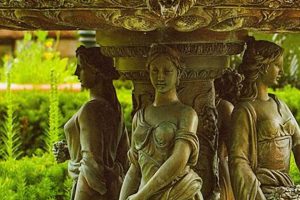
Representations of equines, crafted from materials such as resin, metal, or stone, and intended for outdoor display, serve as decorative elements within landscapes. These ornamental figures, often life-sized or scaled replicas, bring an element of classical art or rustic charm to residential or public green spaces. For example, a bronze figure of a rearing steed can add a dramatic focal point to a formal garden.
The incorporation of such sculpted forms enhances aesthetic appeal, introducing visual interest and a sense of elegance or whimsy. Historically, depictions of these animals have symbolized power, freedom, and nobility, lending a sense of prestige to the surroundings. Moreover, placement in gardens or yards can subtly alter the perceived size and perspective of the outdoor area, creating a more visually dynamic and engaging environment.
Considerations for selecting appropriate materials, scale, and style are crucial to ensuring that the equine sculpture complements the existing landscape design. Further discussion will delve into various styles, placement strategies, and maintenance requirements relevant to successfully integrating these sculptural elements into outdoor settings.
Tips for Selecting and Placing Equine Sculptures in Outdoor Spaces
The following guidelines offer advice on choosing and arranging equine figures in garden environments to maximize their aesthetic impact and longevity.
Tip 1: Material Selection: Consider climate. Bronze offers durability but can be costly. Resin is a more affordable, weather-resistant alternative. Stone, while elegant, may be susceptible to cracking in colder climates.
Tip 2: Scale and Proportion: Evaluate the size of the outdoor space. A large, life-size replica dominates smaller gardens, whereas a smaller sculpture might be lost in a vast landscape. Maintain proportional harmony.
Tip 3: Style Compatibility: Align the style of the figure with the existing design. A contemporary, abstract form complements a modern garden, while a classical design suits more traditional settings.
Tip 4: Strategic Placement: Position the sculpture to maximize visual impact. Elevated surfaces, such as pedestals or slightly raised ground, draw attention. Consider sightlines from windows and pathways.
Tip 5: Environmental Considerations: Account for sunlight exposure. Dark-colored statues may become excessively hot in direct sunlight, potentially affecting their surface. Provide partial shade when feasible.
Tip 6: Security Measures: Implement security precautions, particularly for valuable pieces. Secure statues to a concrete base or employ other deterrent measures to prevent theft or damage.
Tip 7: Regular Maintenance: Establish a cleaning schedule. Remove dirt, debris, and algae regularly to maintain the sculptures appearance and prevent deterioration. Apply protective coatings as needed.
Careful consideration of materials, scale, style, placement, and maintenance ensures that the equine sculpture becomes an enduring and aesthetically pleasing element of the outdoor environment.
The subsequent sections will address common pitfalls to avoid when integrating sculpted figures into garden designs, ensuring a seamless and harmonious transition between art and nature.
1. Material Durability

The longevity and visual appeal of equine garden sculptures are intrinsically linked to the durability of the materials used in their construction. Material selection dictates the sculpture’s resistance to environmental factors and its overall lifespan, impacting long-term aesthetic and economic value.
- Resistance to Weathering
Outdoor sculptures are perpetually exposed to the elements, including rain, sunlight, wind, and temperature fluctuations. Materials like bronze and certain high-density resins exhibit superior resistance to weathering, minimizing corrosion, fading, and cracking. Conversely, less durable materials may require frequent maintenance or replacement, incurring additional costs and labor.
- Impact of Temperature Variations
Seasonal temperature changes can significantly affect materials. Some materials expand and contract, potentially leading to stress fractures and structural damage. Stone, for example, may be susceptible to freeze-thaw cycles in colder climates, while certain plastics can become brittle under prolonged exposure to heat. Selecting materials with low thermal expansion coefficients mitigates these risks.
- Resistance to Biological Growth
Moisture and shade can promote the growth of algae, moss, and lichen on sculpture surfaces. These organisms can stain or erode the material, diminishing its aesthetic appeal and potentially compromising its structural integrity. Materials with smooth, non-porous surfaces, or those treated with anti-microbial coatings, can inhibit biological growth and simplify maintenance.
- Resistance to Physical Damage
Equine sculptures are vulnerable to accidental impacts from lawnmowers, falling branches, or vandalism. Materials with high tensile strength and impact resistance, such as bronze or reinforced composites, are more likely to withstand these stresses without sustaining significant damage. The selection of robust materials reduces the risk of costly repairs and ensures the sculpture’s continued presence in the landscape.
The relationship between material durability and the overall value of an equine garden sculpture is undeniable. While initial cost considerations may influence material choices, long-term maintenance expenses and the potential for damage should be factored into the decision-making process. Investing in durable materials ensures lasting aesthetic enjoyment and reduces the financial burden associated with repair or replacement, allowing the sculptural element to serve as a enduring focal point within the garden environment.
2. Sculptural Style

The artistic character of equine garden sculptures, or sculptural style, significantly dictates their aesthetic integration within diverse landscape designs. The chosen style influences the sculpture’s perceived rolewhether as a commanding focal point or a subtle complement to the existing environment. For instance, a realistic bronze depicting a grazing foal evokes pastoral serenity, suitable for traditional gardens. Conversely, an abstract metal construction of a rearing stallion injects a modern, dynamic element, fitting for contemporary designs. The sculptural style dictates the emotional and visual impact, therefore necessitating careful consideration to achieve harmonious integration.
The effect of sculptural style extends beyond mere aesthetics, influencing maintenance requirements and longevity. Highly detailed, realistic sculptures may necessitate meticulous cleaning to preserve intricate features, while simpler, stylized forms often require less upkeep. Material choices are also intertwined with style; certain materials lend themselves better to specific artistic interpretations. For example, marble facilitates classical realism, while welded steel suits abstract expressionism. The interplay between style and material must be considered to ensure both aesthetic appeal and structural integrity. This consideration is similar to the Lincoln Park Zoo in Chicago where realism sculpture shows in the landscape.
Understanding sculptural style provides practical guidance for selecting appropriate equine sculptures for particular garden settings. Mishandling the stylistic balance can result in disharmony, diminishing the overall landscape design. Selecting a style that complements existing architectural elements, plant life, and overall garden theme is crucial. Effective implementation harmonizes the sculpture with its environment, creating an integrated and visually compelling outdoor space. Success hinges on carefully analyzing stylistic compatibility and its effect on the landscape narrative.
3. Scale Appropriateness

Scale appropriateness, as a core element in the selection of equine sculptures for garden display, directly influences the aesthetic harmony and spatial perception of the landscape. Introducing an undersized representation of an equine form in an expansive garden creates visual imbalance, diminishing the sculpture’s impact and potentially rendering it insignificant within the broader context. Conversely, an oversized figure dominates smaller gardens, overwhelming the surrounding flora and reducing the space to a mere stage for the artwork. The relationship between the dimensions of the sculpture and the available space determines its success as an integrated design element.
For example, a life-size Clydesdale sculpture, meticulously detailed and imposing in stature, would be incongruous within a small urban courtyard garden. Its sheer size would visually compress the space, creating a sense of confinement. Conversely, a miniature Shetland pony sculpture placed in a vast, rambling estate would likely be overlooked, failing to contribute meaningfully to the overall design. Practical application of this understanding requires assessing the garden’s dimensions, considering the viewing angles, and selecting a sculpture whose scale complements, rather than competes with, the environment. This assessment often involves creating visual mock-ups or employing spatial planning tools to ensure harmonious integration.
Ultimately, achieving scale appropriateness necessitates a nuanced understanding of spatial relationships and aesthetic balance. Challenges arise when personal preferences clash with objective design principles, potentially leading to disharmonious outcomes. However, adhering to established guidelines regarding proportion, perspective, and spatial planning ensures that the equine sculpture becomes an integral, visually pleasing component of the garden landscape, enhancing its beauty and creating a cohesive, unified outdoor environment. Failing to account for scale creates discord, detracting from the sculpture’s artistic merit and undermining the overall design intent.
4. Placement Impact

Placement impact, in the context of equine garden sculptures, refers to the strategic positioning of these art pieces within an outdoor environment to maximize their visual appeal and influence the overall aesthetic. Thoughtful consideration of placement ensures the sculpture harmonizes with its surroundings and effectively conveys its intended artistic message.
- Focal Point Creation
Strategic placement transforms the sculpture into a visual anchor, drawing the viewer’s eye and establishing a point of interest. An equine statue positioned at the end of a garden path, for example, creates a sense of anticipation and visual reward. Conversely, haphazard placement diminishes the sculpture’s prominence, resulting in a disjointed and uninspired landscape.
- Environmental Integration
The surrounding elements should complement the equine figure. Placing the sculpture amidst carefully selected foliage creates a naturalistic setting, blurring the line between art and nature. A statue positioned near a water feature might evoke a sense of movement and tranquility, enhancing the overall ambiance. Conversely, placing the sculpture against a stark, unadorned wall can emphasize its form and material, highlighting its artistic qualities.
- Spatial Perception Alteration
Strategic positioning manipulates the perceived size and shape of the garden. Placing a large equine sculpture near the periphery of a small garden can visually expand the space, creating an illusion of depth. Conversely, positioning a smaller sculpture centrally in a large garden can create a sense of intimacy and focus. The strategic use of placement alters spatial dynamics, shaping the viewer’s experience of the outdoor environment.
- Light and Shadow Interaction
Placement that takes advantage of natural light enhances the sculpture’s three-dimensionality. Sculptures oriented to capture the morning or evening light often display richer textures and contours. The interplay of light and shadow accentuates the equine form, adding depth and visual interest. Conversely, positioning the sculpture in perpetual shade can flatten its appearance, diminishing its aesthetic impact.
The strategic consideration of placement impact transforms a mere decorative element into a powerful design tool, capable of enhancing visual appeal, shaping spatial perception, and creating a harmonious outdoor environment. Proper placement emphasizes the statue’s artistic qualities and ensures its integration with the surrounding landscape.
5. Weather Resistance
Weather resistance constitutes a critical attribute of equine garden sculptures, directly influencing their longevity and aesthetic preservation when exposed to outdoor environmental conditions. The cause-and-effect relationship between weather elementsprecipitation, temperature fluctuations, ultraviolet radiationand the sculpture’s material composition dictates its degradation rate. For instance, bronze, due to its inherent corrosion resistance, withstands prolonged exposure to moisture and varying temperatures more effectively than untreated iron, thus requiring less maintenance and retaining its structural integrity for extended periods.
The practical significance of understanding weather resistance manifests in informed material selection during the acquisition or creation of the sculpture. A sculpture intended for placement in a region characterized by harsh winters and intense sunlight necessitates robust weather-resistant properties. Resin-based sculptures, while often more affordable, may exhibit cracking or fading under prolonged UV exposure, whereas stone sculptures may experience spalling due to freeze-thaw cycles. Therefore, the selection should align with the specific climatic conditions to mitigate potential damage and ensure lasting visual appeal. Consider the Cloud Gate sculpture in Chicago, its stainless steel construction designed specifically to withstand extreme weather conditions.
In summary, weather resistance plays an essential role in determining the long-term viability and aesthetic value of equine garden sculptures. Selection of appropriate materials, guided by an understanding of local weather patterns, minimizes maintenance requirements and ensures the sculpture remains a visually appealing element within the landscape for years to come. Addressing potential challenges associated with material degradation through proactive selection and maintenance preserves the integrity and intended artistic expression of the sculpture.
6. Aesthetic Harmony

Aesthetic harmony, in the context of equine garden sculpture placement, dictates the visual coherence between the art piece and its surrounding environment. A statue incompatible with the garden’s style, scale, or color palette disrupts this harmony, resulting in a discordant and visually unappealing landscape. For example, a highly ornate baroque sculpture within a minimalist Zen garden would clash significantly, detracting from the intended serenity of the space. The goal is to create a unified visual experience where the sculpture enhances, rather than detracts from, the garden’s overall design.
Achieving aesthetic harmony requires careful consideration of multiple factors. The sculpture’s material, color, and style must complement the existing architectural elements, plant life, and overall garden theme. A rustic stone figure might suit a cottage garden, while a sleek, modern metal sculpture would be more appropriate for a contemporary landscape. Furthermore, the scale of the sculpture must be proportionate to the size of the garden; a monumental figure would overwhelm a small space, while a diminutive statue might be lost in a large one. The positioning of the sculpture relative to focal points and sightlines also contributes to overall harmony.
In conclusion, aesthetic harmony is a critical component of integrating equine garden sculptures successfully into outdoor spaces. Understanding the principles of design, scale, proportion, and material compatibility ensures that the sculpture enhances, rather than disrupts, the visual coherence of the landscape. Addressing potential challenges through careful planning and execution leads to an integrated and visually compelling outdoor environment, where art and nature coexist harmoniously.
Frequently Asked Questions
This section addresses common inquiries and misconceptions surrounding the selection, placement, and maintenance of equine garden sculptures.
Question 1: What materials offer the best weather resistance for outdoor equine sculptures?
Bronze, high-density resins, and certain types of treated stone exhibit superior resistance to weathering, corrosion, and UV degradation. Material selection should align with the specific climate conditions of the installation site.
Question 2: How does the scale of an equine garden sculpture affect the overall landscape design?
An inappropriately scaled sculpture disrupts spatial harmony. Oversized figures overwhelm smaller gardens, while undersized figures are often lost in larger landscapes. Accurate assessment of garden dimensions is crucial for achieving balanced proportions.
Question 3: What stylistic considerations are important when selecting an equine garden sculpture?
The style of the sculpture should complement the existing architectural elements, plant life, and overall garden theme. Harmonious integration requires aligning the sculpture’s aesthetic with the existing design vocabulary.
Question 4: How does the placement of an equine garden sculpture impact its visual effectiveness?
Strategic placement transforms the sculpture into a focal point, enhances spatial perception, and alters the play of light and shadow. Effective placement requires considering viewing angles, sightlines, and environmental integration.
Question 5: What maintenance is required to preserve the aesthetic qualities of an equine garden sculpture?
Regular cleaning to remove dirt, debris, and biological growth is essential. Application of protective coatings and periodic inspections for damage mitigate weathering effects and extend the sculpture’s lifespan.
Question 6: What security measures can be implemented to protect equine garden sculptures from theft or damage?
Securing sculptures to concrete bases, employing surveillance systems, and implementing adequate lighting deter theft and vandalism. High-value sculptures may require additional security precautions.
In summary, informed decision-making regarding material selection, scale, style, placement, maintenance, and security ensures that equine garden sculptures enhance the aesthetic appeal and long-term value of outdoor spaces.
The subsequent article section will address emerging trends and future directions in the field of equine garden sculpture design and installation.
Concluding Remarks on Equine Garden Statuary
This exploration has underscored the multifaceted considerations inherent in the selection, placement, and maintenance of the equine garden statue. Material durability, scale appropriateness, stylistic compatibility, strategic placement, weather resistance, and aesthetic harmony each play critical roles in determining the success of integrating such sculptural elements into outdoor environments. Neglecting any of these factors can diminish the visual impact and long-term value of the installation. Emphasis has been placed on informed decision-making, ensuring that choices align with specific environmental conditions and design objectives.
The incorporation of equine garden statuary presents an opportunity to enhance the aesthetic and symbolic resonance of landscapes. Continued advancements in materials science and design innovation promise to expand the possibilities for creating enduring and visually compelling outdoor spaces. It is incumbent upon designers and property owners to approach this endeavor with a thoughtful and informed perspective, thereby maximizing the potential for these sculptures to enrich the environment for generations to come.