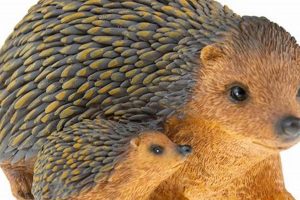
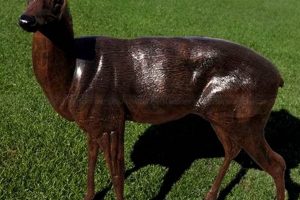
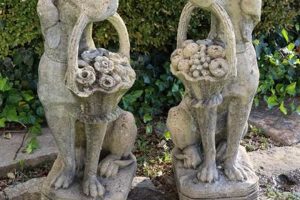
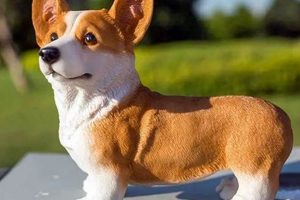
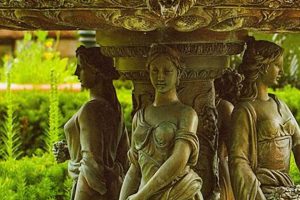
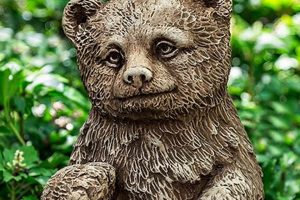
Representations of cervids, crafted from various materials like resin, stone, or metal, are frequently incorporated into outdoor decorative schemes. These figurative sculptures, often life-sized or scaled-down, introduce elements of wildlife and bucolic charm to landscapes. As an example, a homeowner might place a family of cast-iron animals near a flowerbed, providing a visual focal point within the garden.
The appeal of incorporating such figures stems from their ability to evoke a sense of tranquility and connection to nature. These decorative objects can enhance the aesthetic value of a property, creating a welcoming atmosphere for residents and visitors alike. Historically, animal statuary has served as symbols of prosperity and good fortune, adding layers of meaning to garden design. Their enduring popularity reflects a desire to integrate elements of the natural world into personal spaces.
The subsequent discussion will delve into the diverse range of styles, materials, and placement strategies associated with integrating these decorative elements effectively. Considerations such as maintenance requirements and compatibility with existing garden features will also be addressed. This exploration aims to provide practical guidance for selecting and utilizing these sculptures to achieve desired aesthetic outcomes.
Enhancing Landscapes with Cervid Sculptures
Integrating figurative cervid sculptures into gardens necessitates careful planning to ensure aesthetic harmony and longevity of the decorative elements. Consider the following recommendations for optimal results.
Tip 1: Scale and Proportion: Select sculpture sizes that complement the surrounding landscape. Overly large figures can overwhelm smaller gardens, while diminutive pieces may be lost in expansive spaces. Ensure the sculptures appear visually balanced within their designated area.
Tip 2: Material Selection: Choose materials appropriate for the climate and anticipated weather conditions. Metal statues may require rust-proofing treatments, while resin figures are susceptible to UV damage over prolonged exposure. Stone options offer durability but can be heavy and difficult to reposition.
Tip 3: Placement and Visibility: Position sculptures strategically to create visual interest from various vantage points. Consider sightlines from windows and pathways. Avoid placing figures in areas prone to flooding or excessive shade, which can accelerate material degradation.
Tip 4: Blending with the Environment: Integrate the sculptures with existing flora and landscape features. Position them near plants that complement their color and texture, or use them to accentuate focal points such as water features or rock gardens.
Tip 5: Security Considerations: Secure valuable sculptures to prevent theft or accidental displacement. Options include anchoring them to concrete bases or using security cables. Consult with a landscape professional for tailored solutions.
Tip 6: Regular Cleaning: Implement a routine cleaning schedule to maintain the aesthetic appeal of the sculptures. Remove dirt, debris, and biological growth with appropriate cleaning agents. Avoid abrasive cleaners that can damage the surface finish.
Tip 7: Seasonal Protection: Provide seasonal protection for susceptible materials. Cover resin statues during winter months to prevent cracking from freeze-thaw cycles. Apply protective coatings to metal figures to inhibit corrosion.
Adhering to these guidelines will enhance the visual impact of cervid sculptures and extend their lifespan, thereby maximizing the investment in these decorative additions to the garden.
The subsequent sections will explore diverse artistic styles and historical precedents for utilizing animal statuary in landscape design.
1. Material Durability

Material durability is a paramount consideration in the selection and implementation of cervid sculptures intended for outdoor decorative purposes. Exposure to environmental elements necessitates that these figures withstand weathering, erosion, and physical stress. The lifespan and aesthetic integrity of these garden adornments are directly proportional to the intrinsic durability of the materials from which they are constructed.
- Resistance to Environmental Degradation
The ability of a material to resist degradation from exposure to sunlight, moisture, and temperature fluctuations is crucial. For example, resin compounds with UV inhibitors can mitigate fading and cracking, while metals treated with protective coatings can prevent rust and corrosion. Failure to address this aspect results in premature deterioration and diminished aesthetic value.
- Physical Strength and Impact Resistance
Garden statues are susceptible to physical damage from accidental impacts, vandalism, or extreme weather events. Materials such as cast iron and certain types of stone offer superior impact resistance compared to lighter or more brittle materials. The selection of robust materials minimizes the risk of breakage and ensures structural integrity over time.
- Water Absorption and Freeze-Thaw Cycle Resistance
Materials with high water absorption rates are particularly vulnerable to damage in regions with freeze-thaw cycles. Water that permeates the material expands upon freezing, creating internal stress that can lead to cracking and disintegration. Denser materials with low porosity, such as granite, are less susceptible to this type of damage.
- Resistance to Biological Growth
Outdoor sculptures are prone to the accumulation of moss, algae, and lichen, which can detract from their aesthetic appeal and potentially accelerate material degradation. Materials with smooth, non-porous surfaces are less hospitable to biological growth and are easier to clean. Additionally, certain coatings can inhibit the growth of these organisms.
In summation, the long-term viability of cervid sculptures as decorative garden elements hinges upon careful selection of materials that exhibit exceptional durability. Neglecting this aspect can result in costly repairs, replacements, and a diminished aesthetic experience, ultimately undermining the intended purpose of integrating these figures into the landscape.
2. Artistic Style

The artistic style significantly determines the aesthetic impact and contextual appropriateness of cervid sculptures in garden settings. Style influences not only the visual appeal but also the emotional response elicited by these decorative objects. A realistic depiction, for example, may evoke a sense of naturalism and tranquility, while an abstract rendering might introduce a modern or whimsical element. The selection of an artistic style that harmonizes with the existing garden design and the homeowner’s personal preferences is, therefore, a critical consideration.
The correlation between artistic style and successful garden integration can be illustrated through several examples. A classical, neoclassical statue of a deer, characterized by detailed anatomy and smooth lines, often complements formal gardens with symmetrical layouts and manicured lawns. Conversely, a rustic, folk-art style deer sculpture, crafted from reclaimed wood or metal, is better suited to informal gardens featuring wildflowers and naturalistic landscaping. The incongruity of placing a highly stylized, abstract deer sculpture in a traditional English garden, or a hyper-realistic deer statue in a minimalist, zen-inspired garden, underscores the importance of stylistic alignment. In the practical realm, an understanding of various artistic styles enables informed purchasing decisions and prevents aesthetic discord within the landscape.
In conclusion, the chosen artistic style constitutes a foundational element in the effective integration of cervid sculptures into garden environments. Careful attention to stylistic coherence, considering both the immediate surroundings and the broader architectural context, enhances the overall visual harmony. This approach not only elevates the aesthetic quality of the garden but also ensures that the sculptures contribute positively to the intended atmosphere, reflecting a deliberate and considered design sensibility.
3. Scale Proportion

The concept of scale proportion is fundamental to the successful integration of cervid sculptures within garden landscapes. Disregard for appropriate scale can render even the most aesthetically pleasing statue visually jarring, detracting from the intended ambiance of the outdoor space. Therefore, careful consideration must be given to the relative dimensions of the sculpture in relation to its surroundings.
- Garden Size and Sculpture Dimensions
The overall size of the garden dictates the permissible dimensions of the sculpture. A small, enclosed garden necessitates a smaller, more delicate statue, preventing visual overcrowding. Conversely, a large, expansive garden can accommodate a larger, more imposing sculpture without appearing disproportionate. Placement of an oversized sculpture in a small garden creates a sense of claustrophobia, while an undersized sculpture in a large garden may become visually lost.
- Proximity to Focal Points
The scale of the statue must also harmonize with nearby focal points, such as water features, trees, or flowerbeds. A large statue positioned directly adjacent to a small fountain can overwhelm the feature, diminishing its visual impact. Conversely, a small statue placed at the base of a large tree may be completely obscured. The sculpture should complement, rather than compete with, existing garden elements.
- Viewing Distance and Perspective
The intended viewing distance influences the perceived scale of the sculpture. A statue viewed primarily from a distance can be slightly larger than one viewed at close range. Perspective also plays a role; a statue placed on an elevated platform may appear smaller than it actually is, requiring adjustments to its dimensions. Considerations of viewing distance and perspective are crucial for achieving visual balance.
- Material Density and Visual Weight
The perceived scale is also affected by the material density and visual weight of the statue. A solid bronze statue, for example, will appear larger and more imposing than a hollow resin statue of the same dimensions. Darker colors and rough textures increase visual weight, while lighter colors and smooth textures decrease it. These factors should be taken into account when selecting a sculpture to ensure its visual impact aligns with the desired aesthetic.
In conclusion, the effective application of scale proportion principles is essential for creating a visually harmonious and aesthetically pleasing garden environment incorporating cervid sculptures. Careful assessment of garden size, proximity to focal points, viewing distance, and material density are necessary to ensure that the sculpture complements, rather than overwhelms, its surroundings, enhancing the overall design.
4. Placement Harmony
Placement harmony, in the context of cervid garden statuary, denotes the successful integration of these decorative elements into the existing landscape, ensuring that the sculptures complement and enhance the overall aesthetic coherence of the outdoor space. It encompasses considerations of visual balance, spatial relationships, and contextual relevance, all contributing to a unified and aesthetically pleasing design.
- Contextual Appropriateness
The placement of a deer statue must align with the overall style and character of the garden. A formal garden might necessitate a centrally located, symmetrically positioned statue of classical design, while a more naturalistic setting would benefit from a placement that simulates a deer’s natural habitat, such as near a wooded area or a water source. The choice of placement must therefore reflect a conscious understanding of the garden’s established design principles.
- Visual Sightlines and Vantage Points
Effective placement considers key viewing angles and vantage points from which the statue will be observed. Placing a statue along a prominent sightline, such as at the end of a pathway or visible from a window, maximizes its visual impact. Conversely, obscuring the statue behind dense foliage or positioning it in a poorly lit area diminishes its presence and disrupts visual flow.
- Spatial Relationships with Other Elements
The statue’s relationship to other garden features, such as plants, rocks, and water features, must be carefully considered. Overcrowding the statue with surrounding elements can create a cluttered and distracting effect, while isolating it in an empty space can make it appear out of place. The statue should be integrated into the landscape in a manner that creates a sense of balance and visual harmony.
- Scale and Proportion within the Landscape
Placement contributes significantly to the perception of scale and proportion. Even if the statue is of an appropriate size for the garden overall, poor placement can distort its perceived dimensions. Positioning a small statue in a vast, open space can make it appear insignificant, while placing a large statue too close to a boundary can create a sense of confinement. Placement must reinforce the statue’s appropriate scale within its immediate surroundings.
The facets of placement harmony coalesce to determine the effectiveness of cervid garden statuary in enhancing a landscape. Successful integration hinges on an understanding of design principles, careful consideration of visual perspectives, and a deliberate approach to spatial relationships. When these elements are harmonized, the statue transcends its status as a mere decorative object and becomes an integral part of the garden’s overall aesthetic narrative.
5. Weather Resistance

The longevity and aesthetic appeal of cervid sculptures intended for outdoor placement are intrinsically linked to their capacity to withstand the effects of environmental exposure. Material selection and protective treatments are paramount in mitigating degradation caused by various weather conditions.
- UV Radiation Degradation
Prolonged exposure to ultraviolet radiation from sunlight can cause discoloration, cracking, and weakening of certain materials commonly used in garden statuary, particularly resins and plastics. UV-resistant coatings or the inherent properties of materials like stone or bronze can mitigate these effects. For instance, a resin deer statue without UV protection might become brittle and faded within a few years, while a bronze statue would retain its structural integrity and aesthetic appearance for decades.
- Freeze-Thaw Cycle Damage
In climates experiencing frequent freeze-thaw cycles, water absorbed by porous materials like certain types of stone or terracotta can expand upon freezing, leading to cracking and eventual disintegration. Proper sealing and the use of non-porous materials are crucial preventative measures. The selection of granite over sandstone, in regions with harsh winters, exemplifies a consideration for freeze-thaw resistance.
- Moisture and Corrosion
Exposure to rain, humidity, and snow can lead to corrosion in metallic sculptures and promote the growth of mold and mildew on various surfaces. Protective coatings, such as rust inhibitors for iron or sealants for porous materials, are essential for preserving the structural integrity and aesthetic appearance. Regularly applying a sealant to a terracotta deer statue can prevent water damage and extend its lifespan.
- Wind and Physical Stress
High winds can exert significant force on garden statues, potentially causing them to topple or break, especially in the case of taller or more fragile designs. Secure anchoring to a stable base is crucial for preventing wind-related damage. Additionally, the material’s inherent strength and resistance to physical stress contribute to its overall weather resistance. A hollow resin deer is more susceptible to wind damage compared to a solid bronze counterpart.
The selection of weather-resistant materials and the implementation of appropriate protective measures are essential considerations in ensuring the enduring beauty and structural integrity of cervid garden sculptures. These factors directly influence the long-term value and aesthetic contribution of these decorative elements to outdoor spaces.
6. Symbolic Representation

The deliberate integration of cervid figures into gardens often transcends mere aesthetic preference, instead serving as a conduit for symbolic expression. The deer, throughout history and across cultures, embodies a diverse array of meanings, influencing the perceived value and significance of its sculptural representation. The selection and placement of a deer statue, therefore, involves a tacit acknowledgement of these pre-existing associations. As a consequence, the statue functions not only as a visual element but also as a symbolic marker within the landscape. The use of deer figures in gardens is often linked to the promotion of tranquility, gentleness, and a connection to the natural world. In some cultural contexts, the deer represents prosperity, longevity, and good fortune. Selecting a deer statue for its symbolic value allows the garden’s owner to communicate specific intentions or beliefs through the landscape design.
Consider, for example, the deployment of deer sculptures in Japanese gardens. Shika (deer) are considered messengers of the gods in Shinto belief, and their presence is often interpreted as a sign of divine favor and protection. The integration of deer statues within these gardens serves to reinforce the spiritual and symbolic importance of the space, creating an environment conducive to meditation and reflection. Similarly, in Western gardens, a deer statue may evoke a sense of rustic charm and connection to the wilderness, embodying ideals of freedom and natural beauty. The practical result of understanding these symbolic underpinnings lies in the ability to create a garden design that resonates deeply with personal values and cultural heritage. By carefully selecting the style, material, and placement of a deer statue, individuals can enhance the symbolic narrative of their gardens.
In conclusion, the symbolic dimension represents a critical component in the utilization of cervid statuary as garden ornaments. Awareness of the deer’s multifaceted symbolic associations, from representations of grace and innocence to symbols of prosperity and spiritual connection, enables informed decisions regarding statue selection and placement. Challenges include interpreting these symbols accurately and integrating them seamlessly into the existing garden design. Recognizing the interplay between visual aesthetics and symbolic messaging ensures that the addition of deer figures enhances the garden’s overall coherence and enriches its narrative potential.
Frequently Asked Questions
This section addresses common inquiries regarding the selection, placement, and maintenance of deer statues in garden settings, providing clear and concise answers to frequently encountered concerns.
Question 1: What materials are best suited for outdoor cervid statues?
Durable options include bronze, cast iron, stone (such as granite or marble), and high-quality resin composites with UV inhibitors. Material selection should reflect the local climate and desired aesthetic.
Question 2: How does scale proportion impact the visual appeal of deer statues in a garden?
The statue’s size must harmonize with the garden’s overall dimensions. Oversized figures can overwhelm smaller spaces, while diminutive statues may be lost in expansive landscapes. Consider the statue’s relationship to surrounding features.
Question 3: What placement strategies enhance the aesthetic impact of cervid garden sculptures?
Placement should consider sightlines, vantage points, and the statue’s relationship to other garden elements. Position statues along prominent pathways, near water features, or among complementary flora to maximize visual interest.
Question 4: How can weather resistance be ensured for outdoor deer statues?
Choose materials inherently resistant to environmental degradation. Apply protective coatings to prevent corrosion, UV damage, and freeze-thaw damage. Implement regular cleaning and maintenance to remove debris and biological growth.
Question 5: What symbolic meanings are commonly associated with deer statues in gardens?
Deer often symbolize tranquility, gentleness, and a connection to nature. In some cultures, they represent prosperity, longevity, and good fortune. The choice of statue can reflect these symbolic associations.
Question 6: How should garden statues of deer be secured to prevent theft or damage?
Larger, heavier statues may not require additional securing. Lighter statues may benefit from being bolted to a concrete base or secured with discreet cabling systems. Security measures should minimize visual intrusion.
In summary, selecting, placing, and maintaining garden statues of deer require careful consideration of material properties, scale proportion, placement strategies, weather resistance, symbolic meanings, and security concerns. Addressing these factors ensures the longevity and aesthetic value of these decorative additions.
The following sections will explore specific design considerations for incorporating deer statues into various garden styles.
Garden Statues Deer
The preceding exploration has addressed critical facets of integrating cervid sculptures into landscape design. Key points encompass material durability, artistic style, scale proportion, placement harmony, weather resistance, and symbolic representation. Each element contributes to the successful incorporation of these figures, influencing their aesthetic impact and longevity. Diligent consideration of these factors is paramount for achieving a visually cohesive and enduring garden environment.
Ultimately, the judicious application of these principles elevates cervid garden statuary from mere decoration to integral components of a thoughtful landscape composition. The informed selection and strategic placement of these figures enriches outdoor spaces, reflecting a deeper understanding of design principles and a commitment to lasting aesthetic value. Continued vigilance regarding maintenance and environmental factors will ensure their enduring contribution to the garden’s character.