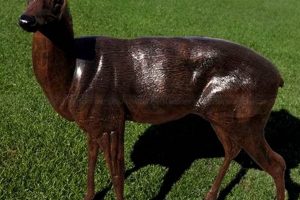
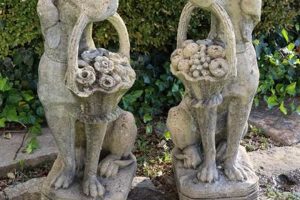
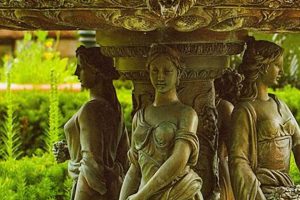
Figurative sculptures, often crafted from materials like stone or resin, and placed within outdoor environments to serve as decorative or symbolic elements. These pieces frequently depict grotesque or fantastical creatures, intended to evoke a sense of the archaic or the protective. As an illustration, one might position such a carving near a flowerbed or entryway to enhance the aesthetic appeal of the space.
The value of integrating these sculptural elements into garden design lies in their capacity to introduce visual intrigue and character. Historically, such adornments have been associated with safeguarding properties and warding off malevolent spirits. Beyond their apotropaic function, they add a distinctive artistic dimension, differentiating a garden from more conventional landscapes. This enhances property value and offers an enriching experience for those who inhabit or visit the space.
The following sections will delve into the diverse styles, materials, and placement considerations relevant to the selection and incorporation of these unique artistic details, ultimately providing a detailed overview for those seeking to enhance their outdoor spaces.
Placement and Selection Considerations for Ornamental Grotesques
Strategic selection and placement are crucial to maximizing the aesthetic and symbolic impact of these ornamental figures within a garden environment.
Tip 1: Consider Scale and Proportion: Select pieces that are appropriately sized relative to the surrounding landscape. A diminutive sculpture may be lost in a vast garden, while an overly large one could overwhelm a smaller space. Observe the surrounding elements and choose accordingly.
Tip 2: Material Durability: Opt for materials suitable for outdoor exposure. Stone, cast iron, and weather-resistant resin are generally more durable than less robust alternatives. Investigate material properties before purchase to prevent premature degradation.
Tip 3: Establish a Focal Point: Use the chosen figure as a focal point to draw the eye and create visual interest. Position it strategically at the end of a pathway, near a water feature, or within a flowerbed to maximize its impact.
Tip 4: Complement the Architectural Style: Ensure the style of the sculpture complements the architectural style of the residence and surrounding structures. A Gothic-inspired figure may be more suitable for a Victorian home than a modern one.
Tip 5: Integrate Lighting: Consider incorporating subtle lighting to accentuate the sculpture’s features at night. Uplighting or spotlighting can enhance the dramatic effect and create a visually appealing nighttime display.
Tip 6: Consider Symbolic Meaning: Research the symbolic meanings associated with different figures. This adds depth and personal significance to the placement and contributes to the overall narrative of the garden.
Tip 7: Regularly Clean and Maintain: Periodic cleaning is essential to preserve the appearance and integrity of the sculpture. Use gentle cleaning methods to remove dirt and debris without damaging the material.
Implementing these guidelines ensures the selected figure enhances the aesthetic value of the garden and complements the overall design. Careful consideration of scale, material, placement, and style will elevate the impact and enduring appeal of the outdoor space.
The subsequent sections will explore specific styles and designs, offering further insights into selecting the most appropriate pieces for individual preferences and garden aesthetics.
1. Aesthetic Appeal
Aesthetic appeal constitutes a primary consideration in the integration of figurative sculptures into garden design. The visual characteristics of these sculptures influence the overall ambiance and perceived value of the outdoor space.
- Textural Qualities
The surface texture of the sculpture contributes significantly to its visual allure. A rough, weathered stone finish evokes a sense of antiquity and resilience, while a smooth, polished surface presents a more contemporary aesthetic. The interplay of light and shadow on these textures further enhances the three-dimensional form, creating visual intrigue.
- Form and Silhouette
The overall shape and outline of the sculpture define its character and presence within the garden. A dynamic, imposing form conveys strength and protection, whereas a more whimsical or stylized shape introduces a sense of playfulness and artistic expression. The silhouette against the sky or surrounding foliage influences visual impact.
- Patina and Weathering
The natural aging process, resulting in patina or weathering, can significantly enhance the aesthetic appeal of these sculptures. A green or brown patina on bronze or copper conveys a sense of history and authenticity. Controlled weathering, through the application of sealants or patination agents, can be employed to achieve a desired visual effect.
- Integration with Flora
The arrangement of plant life around the sculpture impacts its aesthetic presentation. The juxtaposition of organic forms and textures of the surrounding greenery with the structured form of the sculpture creates visual harmony or striking contrast. The judicious use of flowering plants or climbing vines can further enhance the interplay of nature and art.
Collectively, these aspects of aesthetic appeal determine the overall impact of these sculptural elements within a garden. The strategic consideration of texture, form, weathering, and floral integration is crucial in curating a visually compelling and harmonious outdoor environment.
2. Material Durability

Material durability is a critical attribute influencing the longevity and aesthetic preservation of ornamental sculptures intended for outdoor display. The selected material must withstand environmental stressors to maintain its structural integrity and visual appeal over time.
- Resistance to Freeze-Thaw Cycles
In regions experiencing seasonal temperature fluctuations, the ability of a material to withstand repeated freeze-thaw cycles is paramount. Water absorbed within porous materials expands upon freezing, potentially leading to cracking and structural damage. Dense materials with low water absorption rates, such as certain types of stone or high-density resin, exhibit superior resistance to freeze-thaw degradation.
- Ultraviolet (UV) Radiation Stability
Prolonged exposure to ultraviolet radiation can cause fading, discoloration, and embrittlement in certain materials, particularly plastics and some types of resin. Materials with inherent UV resistance or those treated with UV-stabilizing additives maintain their color and structural properties over extended periods of outdoor exposure. This is crucial for retaining aesthetic value.
- Corrosion Resistance
For metallic sculptures, corrosion resistance is essential. Materials such as bronze, stainless steel, or aluminum exhibit inherent resistance to rust and oxidation. Coatings or treatments can further enhance corrosion protection. Selecting appropriate metals or applying protective measures mitigates the risk of structural weakening and aesthetic degradation due to corrosion.
- Resistance to Biological Growth
Outdoor sculptures are susceptible to colonization by algae, lichens, and moss, which can alter their appearance and, in some cases, contribute to material degradation. Materials that are non-porous or treated with antimicrobial agents are less prone to biological growth. Regular cleaning and maintenance practices further inhibit the accumulation of biological organisms and preserve the sculpture’s surface integrity.
These facets of material durability collectively determine the long-term performance and aesthetic value of figurative sculptures placed in garden environments. Careful consideration of these factors ensures that the selected material can withstand environmental stressors, preserving the structural integrity and visual appeal of the artwork for years to come.
3. Historical Significance

The historical significance of grotesque sculptures provides a rich context for understanding their presence in contemporary garden design. Tracing their origins and evolution reveals layers of meaning and purpose beyond mere ornamentation.
- Medieval Architectural Guardians
Originating in medieval architecture, these figures served a functional purpose as water spouts, diverting rainwater away from building foundations. Their grotesque forms were often interpreted as symbolic guardians warding off evil spirits. The transition of these figures from architectural necessity to garden adornment represents a shift in function but retains a connection to the idea of protection.
- Symbolism and Superstition
Throughout history, many cultures have imbued such figures with symbolic meaning, often related to warding off negative energies or entities. Their placement in gardens reflects a continuation of this superstitious tradition, providing a sense of security and safeguarding the space from perceived threats. Different forms and poses carry varied symbolism, contributing to their lasting appeal.
- Renaissance and Gothic Revival Influence
The Renaissance and Gothic Revival periods saw a renewed interest in classical and medieval art forms, including grotesque sculptures. Wealthy estate owners incorporated these figures into their gardens as symbols of status and erudition, demonstrating an appreciation for historical aesthetics. This trend solidified their presence in formal garden designs.
- Evolution into Decorative Art
Over time, their role shifted from primarily functional or symbolic to predominantly decorative. Mass production techniques allowed for broader accessibility, leading to their adoption in a wider range of garden styles. While their functional and superstitious aspects may have diminished, the historical associations continue to inform their appeal and cultural relevance.
These historical facets enrich the appreciation for grotesque sculptures in modern garden settings. Understanding their evolution from medieval architecture to contemporary ornamentation provides a deeper connection to the art form and its enduring significance.
4. Placement Strategy

Optimal placement of sculptural figures within a garden environment directly influences their aesthetic impact and perceived purpose. Strategic positioning maximizes visual appeal and reinforces symbolic associations.
- Focal Point Establishment
Placement strategy often involves designating a statue as a focal point, drawing the eye and creating visual interest. Positioning a grotesque figure at the termination of a pathway, adjacent to a water feature, or within a specifically designed garden bed strategically captures attention and enhances aesthetic composition. Careful consideration of sightlines and vantage points is essential to effective focal point establishment.
- Architectural Harmony
The location must complement the prevailing architectural style of the residence or surrounding structures. Positioning a Gothic-inspired figure near a Victorian-era home reinforces the historical aesthetic, while its integration into a modern minimalist landscape may create an incongruous effect. Harmonious placement reinforces visual coherence and enhances the overall architectural narrative.
- Scale and Proportion Considerations
Successful integration depends on aligning the scale of the statue with the dimensions of its surroundings. A diminutive figure can be lost within a vast garden space, whereas an oversized sculpture may overwhelm a smaller area. Appropriate scale selection is paramount in maintaining visual balance and preventing distortion of spatial relationships.
- Symbolic Reinforcement
The placement should align with the symbolic intent. Positioning a protective figure near an entryway reinforces its guarding function, while placing it amongst foliage may evoke a sense of mystery and seclusion. Consideration of symbolic association enhances the conceptual resonance and thematic coherence of the garden design.
Careful orchestration of these elements ensures the deliberate placement strategy enhances the visual and symbolic significance of sculptural figures, contributing to a cohesive and aesthetically pleasing garden environment. Neglecting placement considerations diminishes the impact, potentially rendering the figure aesthetically inconsequential within the landscape.
5. Symbolic Representation
The symbolic representation inherent in grotesque sculptures constitutes a significant dimension of their appeal and historical relevance. Beyond mere ornamentation, these figures often embody specific concepts, beliefs, or protective functions, lending depth and meaning to their presence in a garden setting.
- Apotropaic Function
Grotesque figures frequently serve an apotropaic purpose, intended to ward off malevolent spirits or negative energies. Their often fearsome or exaggerated features are meant to intimidate and repel harmful influences, creating a sense of security within the garden. For instance, figures with bared teeth or menacing claws symbolize defense and protection against perceived threats.
- Guardianship and Protection
Beyond warding off evil, certain figures symbolize guardianship and protection of the property and its inhabitants. Representations of mythological creatures or allegorical figures, such as griffins or sphinxes, often embody this protective role. Their placement near entrances or boundaries reinforces their symbolic function as vigilant sentinels.
- Representations of Vice and Virtue
Historically, some grotesque sculptures served as visual representations of vice or virtue, intended to impart moral lessons or warnings. Figures depicting greed, lust, or folly aimed to dissuade viewers from engaging in such behaviors. Conversely, figures embodying wisdom, justice, or fortitude served as aspirational ideals, encouraging virtuous conduct.
- Connections to the Natural World
Many grotesque figures incorporate elements of the natural world, blurring the boundaries between the organic and the artificial. Representations of hybrid creatures, such as chimeras or gargoyles with animalistic features, symbolize the power and unpredictability of nature. Their presence in gardens acknowledges the inherent forces at play and invites contemplation of humanity’s relationship with the environment.
These facets of symbolic representation underscore the deeper significance of grotesque sculptures in garden design. Their presence extends beyond mere aesthetic enhancement, serving as tangible embodiments of cultural beliefs, moral lessons, and connections to the natural world. The strategic selection and placement of these figures, informed by an understanding of their symbolic meanings, can enrich the overall narrative and experiential quality of a garden space.
6. Maintenance Requirements

Preserving the aesthetic appeal and structural integrity of figurative sculptures necessitates adherence to consistent upkeep protocols. The following elements constitute core aspects of maintenance for these outdoor adornments.
- Surface Cleaning
Accumulation of atmospheric pollutants, biological growth, and general debris can compromise the visual appearance and potentially contribute to material degradation. Regular surface cleaning using gentle, non-abrasive methods is essential. Periodic washing with a mild detergent solution, followed by thorough rinsing, effectively removes surface contaminants without damaging the sculpture’s finish. The frequency of cleaning depends on environmental factors, such as proximity to industrial areas or exposure to heavy rainfall.
- Protective Coatings
Application of protective coatings, such as sealants or waxes, provides a barrier against moisture penetration, ultraviolet (UV) radiation, and other environmental stressors. These coatings impede water absorption, mitigating the risk of freeze-thaw damage in colder climates. UV-resistant coatings shield the material from fading and discoloration caused by prolonged sun exposure. Reapplication of these coatings is necessary at intervals specified by the product manufacturer to maintain optimal protection.
- Biological Growth Control
Outdoor sculptures are susceptible to colonization by algae, lichens, and moss, which can disfigure their surfaces and potentially contribute to material deterioration. Application of biocidal treatments specifically designed for use on stone, metal, or resin surfaces inhibits biological growth. These treatments should be applied with caution, following manufacturer instructions, to avoid damage to the sculpture. Regular inspection for signs of biological growth and timely application of appropriate treatments are critical in preventing significant infestations.
- Structural Inspection and Repair
Periodic inspection for structural damage, such as cracks, chips, or loose components, is essential for ensuring the long-term stability of the sculpture. Prompt repair of any identified damage prevents further deterioration and potential collapse. Minor cracks can often be repaired using appropriate adhesives or patching compounds. More extensive damage may necessitate professional restoration services to ensure structural integrity and aesthetic preservation. Neglecting structural issues can lead to irreversible damage and the eventual loss of the sculpture.
These facets of maintenance collectively ensure the enduring beauty and structural soundness of figurative sculptures in garden settings. Consistent adherence to these practices preserves the aesthetic value, historical significance, and overall impact of these ornamental elements within the landscape.
7. Architectural Complement

The concept of architectural complement underscores the importance of harmonizing aesthetic elements within a designed space. When considered in relation to figurative sculptures, particularly those of a grotesque nature, it necessitates a careful assessment of how these items enhance or detract from the overall visual narrative established by surrounding structures.
- Stylistic Consistency
Achieving architectural complement requires ensuring stylistic consistency between the sculpture and the existing architectural motifs. A Gothic-inspired statue may find a natural affinity with a Victorian-era building, while its placement alongside a modernist structure could create a jarring visual dissonance. The choice of sculptural style should resonate with the architectural language of the surrounding environment to foster visual unity.
- Material Harmony
The materials employed in the construction of both the sculpture and the building should exhibit a sense of harmony. Utilizing materials with similar textures, colors, or weathering characteristics can create a cohesive aesthetic. For instance, a weathered stone statue could complement a building constructed of similar stonework, reinforcing the sense of age and permanence. Contrasting materials should be used judiciously to avoid visual conflict.
- Scale and Proportion
The scale and proportions of the sculpture must be carefully considered in relation to the size and dimensions of the surrounding architectural features. A statue that is disproportionately large or small can disrupt the visual balance of the space. It is essential to select a sculpture whose scale is commensurate with the architectural elements to maintain a harmonious relationship.
- Historical Context
Understanding the historical context of both the architecture and the sculpture is crucial for achieving meaningful architectural complement. Aligning the historical period or cultural influences of the sculpture with those of the building can create a sense of authenticity and depth. For example, integrating a Renaissance-era sculpture into a garden surrounding a building of similar vintage reinforces the historical narrative and enriches the overall aesthetic experience.
These facets collectively illustrate the importance of architectural complement in the integration of figurative sculptures within a garden setting. By carefully considering stylistic consistency, material harmony, scale and proportion, and historical context, designers can ensure that these ornamental elements enhance the visual and thematic coherence of the space, creating a unified and aesthetically pleasing environment.
Frequently Asked Questions
The following questions address common inquiries and concerns regarding the acquisition, placement, and maintenance of grotesque figures in garden settings.
Question 1: What materials are best suited for outdoor sculptures in regions with harsh winters?
Dense, non-porous materials such as granite, certain types of sandstone, and high-density resin are generally recommended. These materials exhibit superior resistance to freeze-thaw damage, minimizing the risk of cracking and structural degradation due to water absorption and subsequent expansion during freezing.
Question 2: How can the accumulation of moss and lichen on stone sculptures be effectively managed?
Gentle scrubbing with a soft brush and a solution of water and mild detergent is often sufficient for removing surface-level biological growth. For more persistent infestations, biocidal treatments specifically designed for use on stone surfaces may be necessary. Care should be taken to avoid damaging the stone’s finish during the cleaning process.
Question 3: Is it possible to restore a heavily weathered or damaged concrete sculpture?
Restoration of heavily weathered concrete sculptures is possible, but typically requires professional expertise. Restoration processes may involve cleaning, patching, and the application of protective coatings. The feasibility and cost-effectiveness of restoration depend on the extent of the damage.
Question 4: How can a garden sculpture be effectively secured against theft or vandalism?
Securing a garden sculpture against theft or vandalism involves a combination of physical security measures and deterrent strategies. Anchoring the sculpture to a concrete base, utilizing security cables, and installing motion-activated lighting can deter potential thieves. In high-risk areas, consider installing security cameras or employing a professional security service.
Question 5: What are the considerations for placing a sculpture near a water feature, such as a pond or fountain?
The proximity of a sculpture to a water feature necessitates careful consideration of material compatibility and potential water damage. Selecting materials resistant to moisture and algae growth is crucial. Additionally, ensure the sculpture is properly sealed and protected from prolonged submersion or exposure to splashing water. Appropriate drainage should be implemented to prevent water accumulation around the base of the sculpture.
Question 6: How does placement influence the perceived size and impact of a garden sculpture?
Placement plays a crucial role in determining the perceived size and visual impact of a sculpture. Placing the sculpture in a location that is proportional to its scale in relation to surrounding elements, such as trees or structures, will avoid it being visually overwhelmed or overpowering. Background also matters; utilizing contrasting surroundings, a relatively large sculpture might appear small.
Key takeaways emphasize the importance of material selection, routine maintenance, and strategic positioning in optimizing the longevity and aesthetic contribution of ornamental figures within a garden setting.
The following section offers concluding remarks on the integration of grotesque figures into garden design.
Conclusion
The preceding analysis has explored the multifaceted aspects of integrating gargoyle garden statues into landscape design. Key considerations include material durability, historical context, strategic placement, symbolic interpretation, and ongoing maintenance. Each element contributes to the successful incorporation of these figures, ensuring both aesthetic enhancement and enduring preservation within the outdoor environment.
Effective implementation of these principles yields a landscape enriched by layers of historical allusion, artistic expression, and symbolic depth. The careful selection and thoughtful arrangement of these unique elements transforms a conventional garden into a nuanced and compelling space, offering enduring aesthetic value and reinforcing the connection between art and the natural world. Continued attention to these considerations ensures the lasting impact and significance of gargoyle garden statues in shaping the landscape aesthetic.