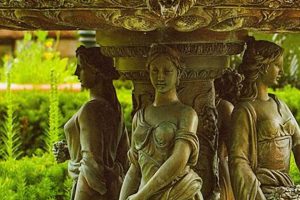
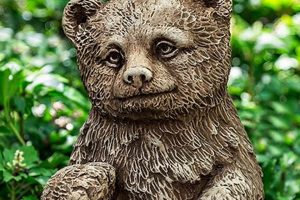
Figurines depicting avian subjects, often crafted from materials like resin, stone, or metal, and placed within outdoor cultivated spaces constitute a significant element of landscape design. These ornamental objects serve not only as decorative accents but also as potential focal points within a garden setting. Examples include representations of songbirds perched on branches, majestic eagles in flight, or whimsical flamingoes standing amongst floral arrangements.
The incorporation of these sculpted forms offers numerous advantages. They can enhance the aesthetic appeal of a garden by introducing visual interest and texture. Furthermore, they can evoke a sense of tranquility and connection to nature, even in urban environments. Historically, the use of such decorative elements dates back centuries, reflecting a desire to integrate art and the natural world.
The following sections will explore the various materials used in their creation, the diverse styles available, and considerations for placement and maintenance to ensure lasting beauty within the garden environment. Furthermore, it will examine how the selection of specific avian representations can contribute to a particular thematic design or personal aesthetic.
Tips for Selecting and Maintaining Avian Garden Sculptures
The following guidelines offer insights into choosing and caring for ornamental bird figures to maximize their aesthetic contribution and longevity within a garden landscape.
Tip 1: Material Selection: Consider the climate and environmental conditions when selecting the sculpture’s material. Resin statues are lightweight and relatively inexpensive but may be susceptible to fading or cracking in extreme temperatures. Stone or metal figures offer greater durability but can be heavier and more costly.
Tip 2: Scale and Proportion: Choose sculptures that are appropriately sized for the garden space. A large, imposing statue may overwhelm a small garden, while a tiny figure might be lost in a sprawling landscape. Maintain visual harmony by considering the proportions of the sculpture in relation to surrounding plants and structures.
Tip 3: Style Considerations: Select a style that complements the overall garden design. A formal garden might benefit from classic, realistic representations, while a whimsical garden could accommodate more stylized or abstract figures. Consistency in style enhances visual coherence.
Tip 4: Placement for Impact: Strategic placement can significantly enhance the visual impact. Position figures to create focal points, draw the eye through the garden, or add visual interest to specific areas. Consider lighting and background when choosing a location.
Tip 5: Weather Protection: Apply a sealant or protective coating to statues, particularly those made of porous materials, to protect against weathering and discoloration. Bring delicate or valuable figures indoors during harsh winter months to prevent damage.
Tip 6: Regular Cleaning: Clean statues regularly to remove dirt, moss, and algae. Use a soft brush and mild detergent solution to avoid damaging the surface. Rinse thoroughly with water and allow to air dry.
Tip 7: Secure Mounting: Ensure that statues are securely mounted or anchored to prevent them from being knocked over by wind, animals, or accidental contact. This is particularly important for taller or heavier figures.
By carefully considering these points, one can select and maintain aesthetically pleasing avian garden sculptures that will enhance the beauty and enjoyment of outdoor spaces for years to come.
The next section will explore common misconceptions about owning garden sculptures and provide practical solutions.
1. Material Composition

The material composition of avian garden statuary is intrinsically linked to its longevity, aesthetic appeal, and overall suitability for outdoor display. The choice of material directly influences the statue’s resistance to environmental factors such as UV radiation, temperature fluctuations, and precipitation. For instance, resin, a commonly employed material due to its moldability and affordability, is susceptible to cracking and fading when exposed to prolonged sunlight. Conversely, bronze, while significantly more expensive, offers exceptional durability and develops a desirable patina over time, enhancing its aesthetic value. Similarly, natural stone, such as granite or marble, provides inherent resistance to weathering but presents challenges due to its weight and the complexity of sculpting intricate avian details.
The selection of material also impacts the perceived realism and artistic style of the sculpture. For example, highly detailed resin statues can effectively mimic the plumage and anatomical features of birds, offering a relatively inexpensive option for realistic representations. Metal sculptures, often crafted through casting or welding, can achieve a more stylized or abstract aesthetic, emphasizing form and texture over precise anatomical accuracy. Furthermore, the weight and structural integrity of the material influence the size and complexity of the sculpture’s design. Heavier materials necessitate robust support structures and limit the feasibility of intricate or delicate features. Practical considerations, such as cost, weight, and the availability of skilled artisans, often dictate the material choices for mass-produced versus custom-designed avian garden statuary.
In conclusion, the material composition of garden sculptures depicting birds is a critical determinant of their long-term performance and aesthetic contribution to the garden environment. Understanding the properties and limitations of various materials empowers informed decision-making, ensuring the selection of sculptures that are both visually appealing and capable of withstanding the rigors of outdoor exposure. The trade-offs between cost, durability, and aesthetic qualities must be carefully considered to achieve optimal results.
2. Stylistic Representation

Stylistic representation is a fundamental component of avian garden statuary, directly influencing its aesthetic impact and its integration within the overall landscape design. The chosen style dictates not only the visual appearance of the sculpture but also its ability to evoke specific emotions, complement existing garden elements, and reflect the owner’s personal taste. For example, a highly realistic depiction of a great blue heron meticulously capturing its anatomical details and plumage will create a vastly different impression compared to an abstract rendering of a soaring falcon rendered in polished steel. This difference in style stems from the artists goals, whether a precise and accurate portrayal, or an artistic and impressionistic interpretation of the statue.
The practical significance of understanding stylistic representation lies in the ability to curate a garden space that is both visually harmonious and personally meaningful. A formal garden, characterized by symmetrical layouts and manicured hedges, may benefit from classically inspired avian sculptures crafted from materials like marble or bronze, reflecting a sense of elegance and tradition. Conversely, a more informal, cottage-style garden could accommodate whimsical or folk-art inspired bird figures made from repurposed materials, adding a touch of playfulness and individuality. The selection of a suitable stylistic representation therefore serves as a crucial step in translating the desired aesthetic vision into a tangible reality.
In conclusion, the stylistic representation of avian garden statues is not merely an aesthetic consideration but a critical design element that shapes the overall character and atmosphere of the garden. Awareness of the diverse stylistic options available, ranging from realism to abstraction, and an understanding of their compatibility with different garden styles, empowers informed decision-making. While the choice of style ultimately reflects individual preferences, a thoughtful approach ensures that the avian sculptures seamlessly integrate into the landscape, enhancing its visual appeal and contributing to a cohesive and engaging outdoor environment.
3. Scale Considerations

Scale, in the context of avian garden statuary, denotes the proportional relationship between the sculptures, the surrounding vegetation, and the overall dimensions of the garden space. Appropriate scale is paramount to achieving visual harmony and preventing a sense of imbalance or incongruity within the landscape.
- Sculpture Size Relative to Garden Area
The dimensions of the garden dictate the acceptable size range for bird statues. A small, enclosed garden may be overwhelmed by a large, imposing sculpture, leading to a cluttered and visually compressed appearance. Conversely, a diminutive statue placed in a sprawling landscape may become visually insignificant and fail to create a focal point. Effective design requires careful consideration of the garden’s area to ensure that the chosen sculpture occupies a proportionate amount of visual space.
- Proportionality with Existing Vegetation
The height, spread, and density of surrounding plants influence the perceived scale of bird statues. A sculpture placed beneath a mature tree with a dense canopy may appear smaller than it actually is. Similarly, a statue positioned amidst low-lying groundcover will command greater visual attention. Coordinating the scale of the sculpture with the surrounding vegetation is essential for creating a balanced and aesthetically pleasing composition. For instance, a life-sized heron statue positioned near a water feature surrounded by reeds and grasses can enhance the sense of realism and integration with the natural environment.
- Visual Weight and Dominance
Beyond physical dimensions, the visual weight of a sculpture contributes to its perceived scale. Darker colors, intricate details, and robust forms tend to increase visual weight, making a sculpture appear larger and more dominant. Conversely, lighter colors, simplified designs, and slender forms reduce visual weight. When selecting bird statues, it is crucial to consider their visual weight in relation to the surrounding elements to avoid creating an overpowering or underwhelming effect.
- Viewing Distance and Perspective
The distance from which a sculpture is typically viewed influences its perceived scale. A statue intended to be viewed from a considerable distance may require larger dimensions and bolder details to remain visually engaging. Conversely, a sculpture intended for close-up viewing can incorporate finer details and more subtle nuances. Furthermore, the perspective from which a sculpture is viewed can alter its perceived scale. Placing a statue on a raised platform can increase its visual prominence and make it appear larger.
In conclusion, scale considerations are integral to the successful integration of avian garden statues within the landscape. By carefully assessing the relationship between the sculpture’s dimensions, the surrounding vegetation, and the overall garden space, it is possible to create a visually harmonious and aesthetically pleasing environment. An understanding of visual weight, viewing distance, and perspective further enhances the ability to select and position statues that effectively complement and enhance the existing landscape design.
4. Placement Strategy

Effective placement strategy is essential for maximizing the aesthetic impact and perceived value of avian garden statuary. Strategic positioning enhances visual appeal, creates focal points, and integrates the sculptures harmoniously within the garden environment, preventing them from appearing as mere afterthoughts.
- Creating Focal Points and Visual Interest
Strategically placing a statue can draw the eye and guide the viewer’s gaze through the garden. A well-positioned sculpture can serve as a focal point, anchoring a particular area and providing a sense of visual order. For example, positioning a majestic eagle statue at the end of a pathway or near a water feature can create a compelling point of interest and enhance the overall design. Conversely, neglecting placement may result in a cluttered or disjointed aesthetic.
- Considering Light and Shadow
The interplay of light and shadow can significantly impact the appearance of bird statues. Placement should take into account the daily movement of the sun and the resulting patterns of light and shadow. Backlighting can create dramatic silhouettes, while sidelighting can accentuate texture and detail. Understanding these effects enables one to strategically position sculptures to maximize their visual impact at different times of the day. For example, a statue positioned to catch the morning sun can create a warm and inviting ambiance.
- Integrating Statues with Existing Landscape Elements
The placement of avian statues should harmonize with existing landscape features such as plants, rocks, and water features. Integrating statues with these elements can create a sense of unity and cohesion within the garden. For instance, placing a songbird statue near a bird feeder can create a naturalistic scene, while positioning a flamingo statue among colorful flowers can enhance the sense of whimsy and playfulness. This integration transforms statues from mere decorations into integral components of the garden ecosystem.
- Considering Viewing Angles and Perspectives
The perspective from which a statue is viewed influences its perceived size, shape, and overall impact. Placement should take into account the primary viewing angles and ensure that the statue presents a visually appealing profile from these vantage points. Raising a statue on a pedestal or positioning it at the crest of a hill can enhance its prominence, while placing it at eye level can foster a sense of intimacy and connection. Careful consideration of viewing angles ensures that the statue is presented in its most flattering light.
Ultimately, the success of a placement strategy hinges on the ability to create a cohesive and visually engaging garden environment. By carefully considering the factors outlined above, one can ensure that avian statues enhance the beauty and tranquility of the garden, transforming it into a captivating and harmonious outdoor sanctuary. This approach elevates the status of the statues from simple ornamentation to integral parts of a well-designed landscape.
5. Durability Assessment
Durability assessment, when applied to avian garden statuary, constitutes a systematic evaluation of a sculpture’s capacity to withstand environmental stressors and maintain its structural integrity and aesthetic appeal over an extended period. This assessment is crucial for informed purchasing decisions and for preserving the long-term value and visual impact of these ornamental objects within outdoor settings.
- Material Resistance to Weathering
The primary facet of durability assessment involves evaluating the resistance of the statue’s constituent material to weathering agents such as ultraviolet (UV) radiation, precipitation (rain, snow, ice), temperature fluctuations (freeze-thaw cycles), and wind. For instance, resin statues, while affordable, often exhibit limited UV resistance, leading to fading and cracking over time. Bronze or stone sculptures, conversely, demonstrate superior resistance to these elements, ensuring greater longevity, though potentially at a higher initial cost. The type of protective coatings applied, such as UV-resistant sealants, also significantly influences weathering resistance.
- Structural Integrity and Load-Bearing Capacity
This facet addresses the structural stability of the statue, particularly its ability to withstand physical stresses such as wind loads, accidental impacts, or the weight of accumulated snow or ice. Statues with intricate designs or cantilevered elements are inherently more vulnerable to structural failure. Durability assessment should consider the statue’s base stability, the strength of joints or connections, and the overall load-bearing capacity to prevent collapse or deformation under stress. For example, a top-heavy statue made of a brittle material is prone to tipping over or cracking in high winds.
- Resistance to Biological Degradation
Outdoor sculptures are susceptible to biological degradation caused by the growth of algae, moss, lichens, and other microorganisms. These organisms can disfigure the statue’s surface, accelerate material deterioration, and compromise its aesthetic appeal. Durability assessment should consider the material’s susceptibility to biological growth and the effectiveness of any protective coatings or treatments designed to inhibit such growth. For example, porous materials like unsealed concrete are highly susceptible to algae and moss growth, requiring regular cleaning and maintenance.
- Colorfastness and Resistance to Fading
Maintaining the original color and vibrancy of a garden statue is essential for preserving its aesthetic value. Durability assessment should evaluate the colorfastness of the statue’s surface finish, considering its resistance to fading or discoloration caused by UV radiation or chemical exposure. Pigments used in paints, dyes, or surface treatments vary in their resistance to fading. High-quality, UV-resistant pigments are crucial for ensuring long-term color retention. Regular cleaning and the application of protective coatings can further mitigate fading.
In conclusion, a comprehensive durability assessment of avian garden statuary provides valuable insights into the long-term performance and aesthetic resilience of these decorative elements. By carefully evaluating the material’s resistance to weathering, structural integrity, susceptibility to biological degradation, and colorfastness, informed decisions can be made regarding the selection, placement, and maintenance of these sculptures to ensure their enduring beauty and value within the garden environment. Furthermore, understanding these factors enables owners to proactively address potential issues and implement preventative measures to extend the lifespan of their garden ornaments.
6. Maintenance Requirements

The longevity and aesthetic appeal of avian garden statuary are directly contingent upon consistent and appropriate maintenance practices. Neglecting these requirements precipitates deterioration, diminishing the sculpture’s visual impact and potentially compromising its structural integrity. The cause-and-effect relationship is evident: inadequate upkeep leads to the accumulation of dirt, algae, and weathering effects, while proactive maintenance preserves the sculpture’s original condition and extends its lifespan. For instance, a bronze statue left uncleaned will develop an uneven patina, obscuring intricate details, whereas a resin statue exposed to direct sunlight without protective coating will suffer from fading and cracking. Therefore, understanding and adhering to specific maintenance protocols are paramount for safeguarding the investment and enjoyment derived from these garden ornaments.
Practical maintenance involves several key actions. Regular cleaning with a soft brush and mild detergent removes surface contaminants. Application of appropriate sealants protects against moisture penetration and UV damage. Winterization procedures, such as bringing sensitive statues indoors or covering them adequately, prevent freeze-thaw damage. Addressing minor repairs promptly, such as patching cracks or reattaching loose components, prevents escalation into more significant problems. The frequency and intensity of these actions depend on the statue’s material, environmental exposure, and desired level of preservation. For example, a marble statue in a humid climate requires more frequent cleaning to prevent algae growth than a granite statue in a drier environment.
In conclusion, the maintenance requirements of avian garden statues are not merely supplementary considerations but integral components of their long-term viability. Ignoring these needs results in accelerated degradation and diminished aesthetic value. Conversely, diligent adherence to appropriate maintenance practices ensures the preservation of these ornamental objects, allowing them to enhance the beauty and tranquility of the garden for years to come. Challenges arise from the diversity of materials and environmental conditions, necessitating tailored maintenance approaches. However, the consistent application of basic principles significantly contributes to the enduring quality and visual impact of avian garden statuary.
Frequently Asked Questions
The following section addresses common inquiries and misconceptions regarding the selection, care, and placement of decorative bird figures within garden landscapes. This information aims to provide clarity and guidance for optimal integration and enjoyment.
Question 1: What materials are best suited for avian garden sculptures in regions with harsh winters?
Materials exhibiting high resistance to freeze-thaw cycles are recommended. Stone, particularly granite or other dense varieties, and certain metals, such as bronze or stainless steel, offer superior durability compared to resin or terracotta. Proper sealing and winter storage can further mitigate potential damage.
Question 2: How does the size of a bird statue impact its suitability for a small garden space?
Scale is crucial. Overly large sculptures can overwhelm a small garden, creating a cramped and unbalanced aesthetic. Conversely, diminutive figures may become visually insignificant. Selecting sculptures that are proportionally appropriate to the available space and surrounding vegetation is essential.
Question 3: What are effective strategies for preventing the growth of algae and moss on garden statues?
Regular cleaning with a soft brush and mild detergent is recommended. Applying a sealant formulated to inhibit the growth of microorganisms can provide additional protection. Ensuring adequate sunlight exposure and good air circulation can also help prevent algae and moss accumulation.
Question 4: How does the color of a bird statue affect its visibility and impact within a garden setting?
Lighter colors tend to stand out more prominently against foliage, while darker colors may blend in more seamlessly. Consider the background and surrounding colors when selecting a statue’s hue. Contrasting colors can create visual interest, while complementary colors can foster a sense of harmony.
Question 5: What are the key considerations when positioning a bird statue near a water feature?
Material compatibility is paramount. Select materials that are resistant to water damage and corrosion. Ensure proper drainage to prevent water from pooling around the base of the statue. Position the statue to avoid obstructing the flow of water or disrupting the natural ecosystem of the water feature.
Question 6: How can a garden statue be secured to prevent it from being knocked over by wind or animals?
Anchoring the statue to a solid base is essential. This can be achieved through the use of stakes, bolts, or adhesive. Selecting a statue with a wide, stable base can also enhance its resistance to tipping. Positioning the statue in a sheltered location can further minimize the risk of damage.
The information presented above provides a foundation for informed decision-making regarding avian garden statuary. Careful consideration of these factors will contribute to the creation of visually appealing and enduring outdoor spaces.
The subsequent section will delve into the historical and cultural significance of incorporating avian motifs within garden design.
Garden Statues of Birds
This exploration has illuminated the multifaceted considerations surrounding the selection, placement, and maintenance of garden statues of birds. From the critical assessment of material durability and stylistic representation to the strategic implementation of scale and placement principles, the article has underscored the importance of informed decision-making in realizing the full aesthetic potential of these ornamental features. A thorough understanding of these elements is essential for ensuring the longevity and visual impact of avian sculptures within diverse garden environments.
The integration of these sculpted forms represents more than mere decoration; it signifies a deliberate engagement with natural themes and an enduring appreciation for avian beauty. Consequently, careful planning and consistent maintenance are warranted to preserve their value and to enrich outdoor spaces for generations to come. A thoughtful approach transforms a garden into a curated landscape, reflecting a profound connection between art and nature.