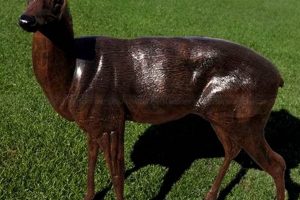
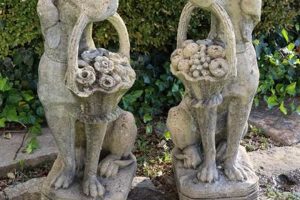
Figurines and sculptures inspired by Lewis Carroll’s iconic “Alice’s Adventures in Wonderland” are commonly used as decorative elements in outdoor spaces. These artistic representations capture characters and scenes from the novel, transforming gardens into whimsical and imaginative environments. For example, a rendering of the Mad Hatter’s tea party or the Cheshire Cat perched on a branch can add a playful and literary touch to a landscape.
The utilization of such dcor can enhance the aesthetic appeal of a garden, creating a focal point and sparking conversation. Furthermore, these artistic pieces provide an opportunity to express personal tastes and interests, reflecting an appreciation for literature and the fantastical. Historically, gardens have served as spaces for artistic expression, and these character-based sculptures continue that tradition, blending horticultural beauty with literary charm.
The following discussion explores the selection criteria, material considerations, and placement strategies involved in incorporating these unique garden features into various outdoor settings. It also addresses the maintenance and preservation techniques necessary to ensure the longevity and visual impact of these artistic garden elements.
Guidance on Selecting and Maintaining Wonderland-Themed Garden Figures
The selection and placement of character-inspired garden art necessitate careful consideration to ensure both aesthetic integration and long-term preservation. The following guidance addresses key aspects of incorporating these elements into outdoor spaces.
Tip 1: Material Selection: Prioritize weather-resistant materials such as cast stone, bronze, or high-fired ceramics. These materials withstand exposure to the elements, minimizing degradation and ensuring longevity compared to less durable alternatives.
Tip 2: Scale and Proportion: Evaluate the size of the designated area and select figures that are appropriately scaled to the surrounding landscape. Overly large pieces can overwhelm smaller gardens, while diminutive figures may be lost in expansive spaces.
Tip 3: Thematic Cohesion: Maintain consistency in the selection of characters and scenes. A cohesive theme, centered around a specific portion of the narrative or artistic style, enhances the overall visual impact and avoids a disjointed appearance.
Tip 4: Placement Considerations: Position figures strategically to maximize their visibility and impact. Consider sightlines from various vantage points within the garden and ensure that the figures are not obscured by vegetation or other landscape features.
Tip 5: Foundation and Stability: Ensure that each figure is securely anchored to a stable foundation. This prevents tipping or displacement due to wind, weather, or accidental contact. Concrete pads or buried supports may be necessary for larger pieces.
Tip 6: Routine Cleaning: Establish a regular cleaning schedule to remove dirt, debris, and organic growth. Use gentle cleaning agents and soft brushes to avoid damaging the surface of the figures.
Tip 7: Winter Protection: In regions with harsh winters, consider providing additional protection for vulnerable figures. This may involve covering them with tarps or moving them to a sheltered location to prevent frost damage.
Selecting durable materials, maintaining appropriate scale, and strategically placing garden figures are essential for creating a visually appealing and enduring outdoor environment. Regular maintenance and winter protection further ensure their longevity and aesthetic value.
The subsequent sections will delve into specific examples of garden designs incorporating literary-themed art and address common challenges encountered in their implementation.
1. Character Representation
Character representation constitutes a fundamental element in the effective utilization of “Alice in Wonderland” themed garden figures. The selection of specific characters and their accurate portrayal significantly influence the aesthetic and thematic coherence of the garden design.
- Authenticity of Depiction
The degree to which a figure accurately reflects its literary counterpart directly impacts the immersive quality of the garden environment. A meticulous rendering of the Mad Hatter’s attire or the Queen of Hearts’ regal bearing enhances the viewer’s connection to the source material. Inaccurate or generic representations detract from this desired effect.
- Thematic Resonance
The selected character should resonate thematically with the surrounding flora and architectural elements. Placing a Cheshire Cat figure amidst climbing ivy or a White Rabbit near a rabbit warren reinforces the narrative connection. Such arrangements amplify the thematic impact and create a more cohesive design.
- Artistic Interpretation
While authenticity is valuable, artistic interpretation provides an opportunity for stylistic variation. A sculptor may choose to emphasize certain aspects of a character’s personality or appearance, resulting in a unique and personalized representation. However, such interpretations must remain recognizable and true to the character’s essence to avoid confusion or misrepresentation.
- Emotional Evocation
The character’s posture, expression, and overall demeanor contribute to the emotional atmosphere of the garden. A contemplative Alice figure may evoke a sense of wonder, while a menacing Queen of Hearts can introduce an element of playful tension. The careful consideration of these emotional cues enhances the overall experience of the garden space.
These facets of character representation are integral to the successful integration of “Alice in Wonderland” garden figures. By prioritizing authenticity, thematic resonance, artistic interpretation, and emotional evocation, designers can create immersive and engaging outdoor environments that capture the spirit of Lewis Carroll’s timeless tale.
2. Material Durability

Material durability is a paramount consideration in the context of decorative figures inspired by Lewis Carroll’s “Alice’s Adventures in Wonderland,” particularly those intended for outdoor placement. The longevity and visual appeal of these figures are directly contingent upon the inherent properties of the materials used in their construction.
- Resistance to Environmental Degradation
Outdoor environments expose these figures to a range of potentially damaging elements, including ultraviolet radiation, moisture, temperature fluctuations, and physical abrasion. Materials such as bronze, cast stone, and certain high-density polymers exhibit superior resistance to these factors, thereby minimizing degradation, cracking, fading, and other forms of deterioration. Conversely, less durable materials, such as untreated wood or low-grade plastics, are susceptible to rapid degradation, necessitating frequent repairs or replacements.
- Structural Integrity Under Stress
Garden figures are subject to various mechanical stresses, including wind loads, accidental impacts, and the weight of accumulated snow or ice. Materials with high tensile and compressive strengths, such as reinforced concrete or welded steel, maintain structural integrity under these conditions, preventing fractures, deformations, and collapses. Materials with lower strength characteristics are prone to damage, compromising both the aesthetic appeal and the structural stability of the figure.
- Chemical Stability and Inertness
Exposure to acidic rainfall, fertilizers, and other chemicals present in the garden environment can induce chemical reactions that degrade the surface or internal structure of certain materials. Chemically stable materials, such as stainless steel or certain types of resin, resist these reactions, maintaining their appearance and structural properties over extended periods. Materials susceptible to chemical attack may exhibit corrosion, discoloration, or weakening of the material matrix.
- Resistance to Biological Growth
The damp and shaded conditions often prevalent in gardens promote the growth of moss, algae, and other biological organisms on the surface of garden figures. Non-porous materials with inherent resistance to microbial growth, such as glazed ceramics or treated composites, minimize the accumulation of these organisms, reducing the need for frequent cleaning and preventing potential damage to the material surface. Porous materials, such as untreated terracotta, provide a hospitable environment for biological growth, leading to staining, deterioration, and increased maintenance requirements.
The selection of materials exhibiting high durability is thus critical for ensuring the long-term viability and aesthetic quality of “Alice in Wonderland” themed garden figures. By prioritizing resistance to environmental degradation, structural integrity, chemical stability, and biological growth, one can significantly extend the lifespan of these decorative elements and minimize the need for costly repairs or replacements, ensuring that these whimsical additions continue to enhance garden spaces for years to come.
3. Scale Appropriateness

Scale appropriateness is a critical consideration when integrating figures inspired by “Alice in Wonderland” into garden settings. The dimensions of these figures must harmonize with the surrounding environment to ensure aesthetic coherence and avoid visual dissonance.
- Garden Size and Figure Proportions
The size of the garden dictates the appropriate dimensions of the figures. A large, expansive garden can accommodate larger-than-life representations of characters such as the Queen of Hearts or the Mad Hatter without overwhelming the space. Conversely, a small, intimate garden necessitates smaller, more delicate figures that complement the limited area. An oversized figure in a confined space can create a cluttered and visually jarring effect.
- Focal Point Considerations
The scale of the figures can be manipulated to create focal points within the garden. A strategically placed, larger figure can draw the eye and establish a visual hierarchy. However, care must be taken to ensure that the figure does not dominate the entire space. Smaller figures can be grouped together to create a collective focal point, offering a more subtle and nuanced visual effect. Too many large figures can distract from other garden features.
- Relationship to Surrounding Flora
The scale of the figures must be considered in relation to the surrounding plants and vegetation. A towering figure placed amidst delicate flowers can appear disproportionate and out of place. Conversely, a tiny figure concealed within dense foliage may go unnoticed. The figures should be scaled to complement the surrounding flora, creating a harmonious and balanced composition. Ensure the plants are not overwhelming the figurines.
- Perspective and Visual Impact
The perceived scale of the figures can be influenced by the viewer’s perspective. Figures placed further away will appear smaller, while those placed closer will appear larger. This principle can be used to create depth and dimension within the garden. Additionally, the scale of the figures can impact the overall visual impact of the garden. Appropriately scaled figures can enhance the sense of wonder and whimsy, while poorly scaled figures can detract from the overall aesthetic.
These considerations underscore the importance of carefully assessing scale appropriateness when incorporating figures inspired by “Alice in Wonderland” into garden designs. By harmonizing the dimensions of the figures with the surrounding environment, designers can create visually engaging and aesthetically pleasing outdoor spaces that capture the spirit of Lewis Carroll’s timeless tale. A properly scaled environment will result in a greater sense of harmony.
4. Placement Strategy

The placement strategy for a garden statue directly impacts its aesthetic contribution and thematic resonance within a landscape. This is particularly pertinent to figures inspired by “Alice in Wonderland,” where the whimsical nature of the characters and scenes demands careful consideration of context. Inadequate placement can diminish the visual impact, obscuring the statue or creating a sense of disharmony with the surrounding environment. Conversely, thoughtful placement can enhance the statues narrative power, drawing attention to specific features and creating an immersive experience. For instance, a Cheshire Cat strategically positioned amongst climbing ivy creates an illusion of disappearing, mirroring its literary representation. Similarly, a Mad Hatter placed near a mock tea party setting amplifies the thematic elements.
Effective placement encompasses several key considerations. Firstly, the sightlines from various vantage points must be evaluated to maximize visibility and ensure the statue is presented in an optimal light. Secondly, the background should complement the statue, avoiding distractions and enhancing its silhouette. Thirdly, the relationship with surrounding flora is crucial; for example, the Queen of Hearts might be positioned near a rose garden to reinforce her association with the color red. These considerations demonstrate that placement is not merely a logistical task, but a deliberate act of curation that shapes the viewer’s experience and reinforces the statue’s thematic connections.
In summary, the placement strategy significantly influences the effectiveness of a garden statue inspired by “Alice in Wonderland.” Proper placement enhances the statue’s aesthetic value, strengthens its thematic resonance, and creates a more immersive and engaging experience for viewers. Conversely, poor placement can detract from the statue’s impact, diminishing its contribution to the overall landscape design. Therefore, thoughtful and deliberate placement is an essential element in successfully integrating these whimsical figures into outdoor environments.
5. Maintenance Protocol

The longevity and aesthetic integrity of “Alice in Wonderland” garden statues are directly correlated with adherence to a rigorous maintenance protocol. Exposure to environmental elements, including precipitation, ultraviolet radiation, and temperature fluctuations, can lead to material degradation, surface discoloration, and the growth of biological organisms. Neglecting routine maintenance precipitates a decline in the statue’s visual appeal and accelerates the need for costly repairs or replacements. For example, a cast stone Mad Hatter statue left uncleaned in a humid environment may exhibit accelerated moss growth, obscuring its features and potentially damaging the surface over time. Similarly, a bronze Cheshire Cat exposed to acidic rainfall without periodic waxing may develop unsightly corrosion.
A comprehensive maintenance protocol encompasses several key components. Regular cleaning, performed using appropriate cleaning agents and non-abrasive implements, removes accumulated dirt, debris, and biological growth. Periodic inspection allows for the early detection of cracks, chips, or other forms of damage, facilitating timely repairs and preventing further deterioration. Application of protective coatings, such as sealants or waxes, shields the statue from environmental stressors and enhances its resistance to weathering. Winterization procedures, including covering or relocating statues to sheltered locations, mitigate the risk of frost damage in regions with cold climates. The specific requirements of the maintenance protocol are contingent upon the material composition of the statue; bronze necessitates different treatment than resin or ceramic.
In conclusion, a proactive maintenance protocol is indispensable for preserving the aesthetic value and extending the lifespan of “Alice in Wonderland” garden statues. By implementing a schedule of regular cleaning, inspection, protection, and winterization, owners can mitigate the detrimental effects of environmental exposure and ensure that these whimsical additions continue to enhance garden spaces for years to come. The investment in diligent maintenance practices translates directly into a sustained visual appeal and reduced long-term costs associated with repair or replacement. Therefore, considering maintenance needs is crucial from the point of purchase.
Frequently Asked Questions
This section addresses common inquiries regarding the selection, care, and placement of decorative figures inspired by Lewis Carroll’s “Alice in Wonderland” for outdoor use. The information presented aims to provide clarity and guidance for potential buyers and current owners seeking to maximize the longevity and visual impact of these artistic features.
Question 1: What materials are best suited for an outdoor garden sculpture depicting “Alice in Wonderland” characters?
Ideal materials exhibit resistance to weathering and degradation. Options include cast bronze, which offers durability and classic appeal; cast stone, providing a cost-effective alternative with good weather resistance; and high-density polyethylene, a lightweight and weather-resistant plastic suitable for detailed designs. Material selection depends on budget, desired aesthetic, and local climate conditions.
Question 2: How should an “Alice in Wonderland” garden statue be protected from harsh winter conditions?
In regions experiencing freezing temperatures, precautionary measures are advised. Smaller statues can be moved indoors or to a sheltered location. Larger, immovable statues should be covered with waterproof tarpaulins to prevent moisture accumulation and freeze-thaw damage. Elevating the statue slightly can also improve drainage and minimize contact with ground moisture.
Question 3: What is the best method for cleaning an “Alice in Wonderland” garden statue made of cast stone?
Gentle cleaning methods are recommended. Use a soft-bristled brush and a mild detergent solution to remove dirt, algae, and other surface contaminants. Avoid abrasive cleaners or high-pressure washing, as these can damage the surface of the cast stone. Rinse thoroughly with clean water and allow to air dry completely.
Question 4: How can the placement of an “Alice in Wonderland” garden statue enhance the overall aesthetic of the garden?
Strategic placement is essential. Consider the sightlines from various vantage points within the garden and position the statue to maximize its visual impact. Create thematic connections by placing specific characters near relevant features; for example, the Mad Hatter could be situated near a tea table or the Queen of Hearts adjacent to a rose garden. Ensure the statue is proportionally scaled to its surroundings.
Question 5: How often should an “Alice in Wonderland” garden statue be inspected for damage?
Regular inspections are advisable, ideally on a quarterly basis. Examine the statue for cracks, chips, discoloration, or other signs of deterioration. Address any issues promptly to prevent further damage and prolong the statue’s lifespan. Photographic documentation can assist in tracking changes over time.
Question 6: Is it possible to restore a damaged “Alice in Wonderland” garden statue?
Restoration is often feasible, depending on the extent of the damage and the material of the statue. Consult with a professional conservator or restoration specialist to assess the damage and determine the appropriate course of action. Restoration may involve patching cracks, repairing chips, re-painting, or applying protective coatings.
In summary, diligent material selection, proper maintenance practices, and thoughtful placement are critical for ensuring the long-term preservation and visual appeal of decorative figures inspired by Lewis Carroll’s work. These considerations contribute to the enduring enjoyment of these artistic features within outdoor spaces.
The subsequent sections will delve into specific examples of garden designs incorporating literary-themed art and address common challenges encountered in their implementation.
Conclusion
The preceding discussion elucidates the multifaceted considerations involved in selecting, placing, and maintaining “Alice in Wonderland garden statue”. Durability of materials, appropriate scale, strategic placement, and consistent maintenance are all crucial to ensuring the longevity and visual appeal of these decorative features. The selection process should prioritize materials capable of withstanding environmental stressors, while placement must consider sightlines and thematic coherence. Regular cleaning and protective measures are essential for preserving the statue’s integrity.
Ultimately, the successful integration of “Alice in Wonderland garden statue” into an outdoor space requires a thoughtful and informed approach. By carefully considering the factors outlined, individuals can create captivating and enduring garden environments that reflect an appreciation for literature and artistic expression. Continued attention to these aspects will ensure these whimsical elements remain a source of enjoyment for years to come.