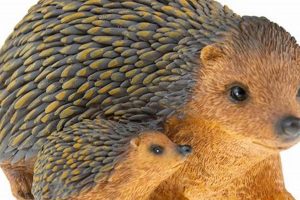
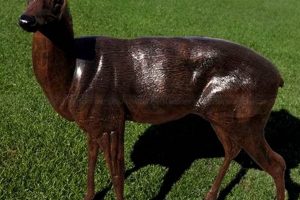
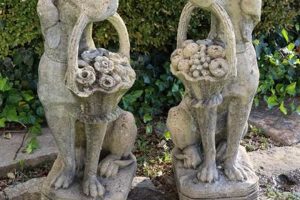
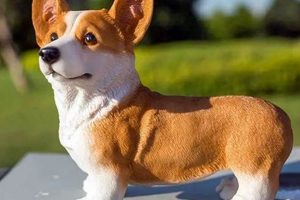
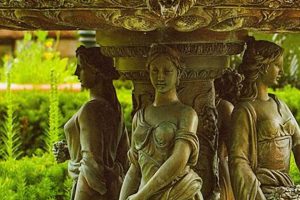
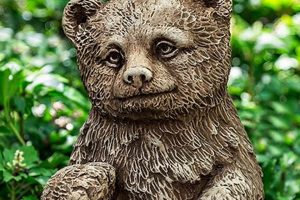
Ornamental figurines, frequently depicting diminutive humanoids with pointed hats, are often placed within outdoor cultivated spaces. These decorations, often crafted from materials resistant to weathering, introduce a whimsical element to landscaping. They serve as an example of garden art, adding character and visual interest to lawns, flowerbeds, and other outdoor areas.
The inclusion of such decorative items enhances the aesthetic appeal of residential landscapes, fostering a personalized and inviting ambiance. Their prevalence reflects a broader cultural appreciation for folklore and fantasy, intertwining these themes with the natural environment. Historically, these representations have been associated with good luck and guardianship, further contributing to their enduring popularity as horticultural embellishments.
The subsequent sections will delve into the selection criteria, placement considerations, and maintenance strategies pertinent to these garden features. The information aims to provide a thorough understanding of how to effectively integrate these elements into various outdoor settings.
Guidance on Selecting and Positioning Garden Figurines
The following advice aims to offer practical assistance in choosing and strategically placing ornamental figurines within outdoor spaces, ensuring both aesthetic harmony and prolonged durability.
Tip 1: Material Durability: Prioritize weather-resistant materials such as resin, ceramic, or treated concrete. These materials withstand exposure to sun, rain, and temperature fluctuations, mitigating degradation and extending the lifespan of the figurine.
Tip 2: Size and Scale Considerations: Select figurines that are proportionate to the surrounding garden environment. Overly large items can overwhelm smaller spaces, while diminutive figures may become lost in expansive landscapes. Consider the scale of nearby plants and structures.
Tip 3: Placement for Visual Impact: Position figurines to create focal points or complement existing garden features. Placing one near a flowerbed, beneath a tree, or alongside a pathway enhances visual appeal and draws the eye.
Tip 4: Color Harmony and Contrast: Select figurines with colors that complement or contrast the surrounding foliage and blooms. A vibrant figure can inject a pop of color into a muted area, while muted tones can blend seamlessly with natural elements.
Tip 5: Seasonal Protection: In regions with harsh winters, consider moving figurines indoors or covering them with protective materials. This prevents damage from freezing temperatures, snow, and ice, preserving their condition.
Tip 6: Secure Placement: Ensure figurines are securely placed to prevent tipping or displacement due to wind, pets, or accidental contact. Securing them with stakes or embedding them slightly into the ground provides added stability.
Tip 7: Regular Cleaning: Periodically clean figurines with a soft brush and mild soap to remove dirt, algae, or other buildup. This maintains their appearance and prevents the accumulation of substances that can degrade the material over time.
Strategic selection and placement, paired with diligent maintenance, will ensure these features contribute positively to the overall garden aesthetic and withstand the elements for years to come.
The subsequent sections will delve into advanced design principles and creative applications, to further enhance the integration of these elements within varied garden designs.
1. Durable Materials

The longevity and visual appeal of garden figurines are intrinsically linked to the materials employed in their construction. Durable materials are crucial for resisting environmental stressors and maintaining the integrity of these decorative items over extended periods.
- Resin Composition and Weather Resistance
Resin, a widely used material, can be formulated to withstand ultraviolet radiation, moisture, and temperature fluctuations. For example, UV-resistant resins prevent fading and degradation when exposed to sunlight, while water-resistant formulations minimize damage from rain and humidity. This is vital, as exposure to the elements can quickly deteriorate less robust materials, causing cracking, discoloration, and eventual structural failure of the garden figurine.
- Ceramic Firing Temperature and Hardness
Ceramic figurines, depending on their manufacturing, require high firing temperatures to achieve durability. Elevated firing temperatures result in a denser and more resilient material, better equipped to withstand impacts and abrasion. This is particularly important for figurines placed in high-traffic areas or environments prone to accidental contact. Inadequate firing can result in a fragile figurine susceptible to chipping and breakage.
- Concrete Composition and Reinforcement
Concrete offers considerable strength and stability for larger garden figurines. The specific composition of the concrete mix, including the cement-to-aggregate ratio, significantly impacts its durability. The incorporation of reinforcing materials such as steel fibers enhances its resistance to cracking and improves its overall structural integrity. Without proper reinforcement, concrete figurines are prone to developing cracks and spalling, compromising their aesthetic appeal and structural soundness.
- Metal Alloys and Corrosion Resistance
While less common, certain metal alloys can be used in garden figurines. The primary consideration for metal materials is corrosion resistance. Alloys containing chromium, nickel, or other protective elements form a passive layer that inhibits oxidation and prevents rust formation. Figurines crafted from non-resistant metals will corrode over time, resulting in unsightly rust and eventual structural weakening. Protective coatings can also be applied to some metals to extend durability.
The selection of appropriate durable materials is paramount for ensuring that garden figurines maintain their aesthetic appeal and structural integrity over time. Careful consideration of the material properties and their resistance to specific environmental stressors is essential for maximizing the lifespan and value of these garden ornaments.
2. Appropriate Sizing

The selection of an appropriately sized garden figurine is integral to the successful integration of the element within the outdoor space. The dimensions of a garden feature, such as a gnome statue, must correspond harmoniously with its surroundings to avoid visual imbalance. A statue that is too large may overwhelm the garden, diminishing the impact of other features and creating a sense of clutter. Conversely, a statue that is too small may become visually insignificant, failing to contribute meaningfully to the overall aesthetic. The size must be carefully considered in relation to the scale of plants, pathways, and other structures within the garden.
The impact of appropriate sizing is demonstrably evident in diverse garden layouts. In a small, enclosed patio garden, a smaller figurine, perhaps no more than 12 inches in height, would be suitable. Such a scale ensures the figurine does not dominate the limited space. In contrast, a large, sprawling garden might accommodate a figurine of up to 36 inches, which will be visible amidst expansive landscaping. Consider the viewing distance; a statue intended to be viewed from afar requires a larger size than one meant to be observed up close. Furthermore, the intended effect of the garden element is crucial: a subtly placed, small figure adds a touch of whimsy, while a larger, more prominent piece creates a bolder statement.
Proper sizing creates balance and enhances the visual coherence of the garden. Ignoring this principle can lead to a discordant and aesthetically displeasing environment. The practical significance of understanding scale ensures the garden figurine becomes a complementary element, enriching the overall design rather than detracting from it. The careful selection of appropriate size is therefore a fundamental step in achieving a harmonious and aesthetically pleasing garden landscape.
3. Strategic Placement

The effective integration of garden figurines hinges significantly on their strategic placement within the landscape. This element directly influences the visual impact, thematic coherence, and overall aesthetic value of the garden design. Placement, therefore, is not arbitrary but rather a calculated decision that considers sightlines, surrounding features, and the intended effect.
One notable effect of strategic placement involves the creation of focal points. A figurine positioned at the terminus of a garden path, for example, draws the eye and invites exploration. Similarly, placing a figurine amidst a flowerbed of contrasting colors amplifies its visibility and emphasizes its role as a decorative element. In contrast, haphazard placement can result in visual clutter, wherein the figurine becomes lost within the broader landscape and its impact is diminished. The positioning of these elements also has a functional impact. Figurines placed in high-traffic areas, without proper consideration, are susceptible to damage from accidental contact. Protective placement, such as situating them amongst dense foliage or behind protective barriers, can mitigate this risk. The environmental context also plays a crucial role. Figurines placed in direct sunlight may experience accelerated fading or material degradation, highlighting the importance of considering shade and sun exposure.
Strategic placement, therefore, is not merely about positioning an object within a garden; it is about carefully considering how that object interacts with its surroundings and contributes to the overall design. Understanding these principles allows for the effective utilization of garden features to create visually appealing and enduring landscapes.
4. Color Harmony

Color harmony, in the context of garden dcor, refers to the pleasing arrangement of colors to create a visually appealing and cohesive aesthetic. When incorporating decorative figurines into a garden, the statue’s coloration must complement or intentionally contrast with the surrounding flora and structural elements. An inappropriate color choice can create visual discord, diminishing the overall effect of the landscape. For instance, a brightly colored figurine placed within a garden dominated by muted greens and earth tones may appear jarring and out of place, disrupting the natural harmony. Conversely, a carefully chosen color palette can enhance the existing beauty of the garden, drawing attention to specific areas and creating visual interest.
The relationship between color harmony and these statues is directly observable in real-world applications. A statue with a predominantly green or brown color scheme blends seamlessly into a garden rich with foliage, creating a sense of unity and natural integration. Alternatively, a statue featuring vibrant blues, reds, or yellows can serve as a focal point, injecting a touch of whimsy and contrast into a predominantly green landscape. The practical significance of understanding this connection lies in the ability to strategically employ color to achieve specific aesthetic goals. Whether the aim is to create a calming and serene environment or a vibrant and stimulating one, the careful consideration of color is paramount. Consider a statue placed near flowering plants; matching or complementing the colors of the blooms can create a harmonious visual effect, while contrasting colors can create a striking and memorable focal point.
In summation, color harmony is a critical component of successful garden figurine integration. The appropriate application of color enhances the visual appeal of the garden, creating a sense of cohesion and balance. Challenges in achieving color harmony often stem from a lack of understanding of color theory and the specific characteristics of the garden environment. Overcoming these challenges requires careful observation, thoughtful planning, and a deliberate approach to color selection, ensuring that the decorative elements contribute positively to the overall aesthetic landscape.
5. Weather Protection

Weather protection is a crucial consideration for preserving the aesthetic appeal and structural integrity of ornamental garden figurines. Exposure to environmental elements directly impacts the lifespan and appearance of these decorations, necessitating proactive measures to mitigate potential damage.
- Material Degradation Mitigation
Prolonged exposure to sunlight, moisture, and fluctuating temperatures accelerates the degradation of many common figurine materials. Ultraviolet (UV) radiation causes fading and discoloration of painted surfaces and can weaken certain plastics. Moisture penetration leads to cracking, warping, and fungal growth, particularly in porous materials like unsealed ceramic or concrete. Protective coatings, UV-resistant formulations, and water-repellent treatments can significantly extend the lifespan of these figurines.
- Freeze-Thaw Cycle Management
In regions experiencing seasonal temperature variations, the freeze-thaw cycle poses a significant threat. Water absorbed within the figurine’s material expands upon freezing, exerting internal pressure that can lead to fracturing and disintegration. Proper sealing of porous materials and the strategic placement of figurines in sheltered locations minimizes the risk of damage caused by this process. Alternatively, indoor storage during winter months provides complete protection.
- Wind and Impact Resistance
Exposure to strong winds can result in figurines being toppled over, leading to breakage or displacement. Securing figurines to the ground using stakes or adhesive compounds prevents accidental tipping. The selection of heavier, more stable figurines also reduces the risk of wind damage. Placement in areas sheltered from prevailing winds further minimizes potential impact.
- Protective Enclosures and Coverings
For particularly delicate or valuable figurines, the use of protective enclosures or coverings provides an additional layer of defense against the elements. Custom-fitted covers made from weather-resistant fabrics shield the figurine from rain, snow, and direct sunlight. Temporary structures or shelters can provide complete protection during severe weather events.
The effective implementation of weather protection strategies directly correlates with the longevity and sustained visual quality of these garden adornments. These efforts ensure that the statues remain attractive and enduring features within the landscape for extended periods.
6. Secure Mounting

The secure mounting of garden figurines, particularly those depicting gnomes, is a critical, often overlooked aspect of their successful integration into outdoor spaces. The absence of secure mounting creates a direct causal link to potential damage, theft, and even physical injury. Instability increases vulnerability to toppling due to wind, accidental contact, or the activities of animals, resulting in breakage or displacement. The value of the figurine, whether sentimental or monetary, is jeopardized when secure attachment is neglected.
The implementation of effective secure mounting strategies mitigates these risks. For smaller figurines, embedding the base slightly into the ground or using landscape adhesive provides sufficient stability. Larger, heavier statues necessitate more robust solutions, such as anchoring them to a concrete base with metal rods or employing purpose-built mounting brackets. In regions prone to high winds or vandalism, these measures are not merely advisable but essential. Failure to address these concerns results in compromised aesthetics, increased replacement costs, and potential safety hazards. A common scenario involves a gust of wind toppling an unsecured figurine onto a nearby plant, causing damage to both. Similarly, an easily removable statue becomes an attractive target for theft, particularly in publicly accessible areas.
In conclusion, secure mounting is an indispensable component of responsible garden figurine ownership. It is a proactive measure that protects the investment, preserves the aesthetic integrity of the garden, and safeguards against potential harm. By understanding the relationship between secure mounting and the long-term viability of these ornamental elements, individuals can ensure they remain cherished and enduring features of their outdoor environments.
Frequently Asked Questions
The following addresses common inquiries and misconceptions pertaining to the selection, maintenance, and integration of ornamental figurines within garden environments.
Question 1: What materials offer the greatest longevity for outdoor garden figures?
Resin, high-fired ceramic, treated concrete, and certain metal alloys exhibit superior weather resistance. Selecting materials formulated to withstand ultraviolet radiation, moisture, and temperature fluctuations is crucial for extending the lifespan of garden figurines.
Question 2: How does the size of a garden figurine impact the overall aesthetic?
The size of a garden figurine should be proportionate to the surrounding landscape. Overly large items can overwhelm small spaces, while diminutive figures may become lost in expansive environments. Proper sizing ensures visual balance and enhances the overall coherence of the garden design.
Question 3: What constitutes strategic placement for a garden figure?
Strategic placement considers sightlines, surrounding features, and the intended effect. Placing a figurine at the end of a garden path or amidst a flowerbed of contrasting colors draws the eye and creates a focal point. Haphazard placement can result in visual clutter and diminish the figurine’s impact.
Question 4: How can one prevent garden figures from fading or degrading due to sun exposure?
UV-resistant coatings or formulations protect against fading and degradation caused by prolonged sun exposure. Placing figurines in shaded areas or using temporary coverings during peak sunlight hours also mitigates UV damage.
Question 5: What measures can be taken to safeguard garden figures against theft or vandalism?
Securing figurines to the ground with stakes, landscape adhesive, or concrete bases deters theft and prevents accidental displacement. Installing motion-activated lighting or security cameras may further discourage unwanted activity.
Question 6: How frequently should garden figures be cleaned, and what cleaning methods are recommended?
Garden figures should be cleaned periodically, depending on environmental conditions. A soft brush and mild soap solution are generally sufficient for removing dirt, algae, or other buildup. Avoid harsh chemicals or abrasive cleaners that could damage the figurine’s surface.
The careful consideration of these factors will ensure that ornamental figurines remain attractive and enduring features within the landscape for years to come.
The subsequent section will explore the creative applications of garden art and the latest design trends in outdoor ornamentation.
Conclusion
This exposition has comprehensively addressed various aspects of garden figurines. It emphasized the importance of material selection, appropriate sizing, strategic placement, color harmony, weather protection, and secure mounting. Understanding and applying these principles are essential for integrating these garden features effectively and ensuring their longevity.
Consideration of these factors when selecting and positioning such elements ensures that they enhance the aesthetic value of outdoor spaces, becoming enduring and cherished components of the landscape. Further research and diligent maintenance will maximize the long-term value and appeal of these decorative features.