Outdoor furnishings crafted primarily from timber and intended for use in garden or patio settings, providing seating, tables, and other surfaces for relaxation and entertainment in open-air environments. Examples include chairs, benches, tables, and lounge sets constructed from various types of wood and designed for outdoor use.
The appeal of these outdoor timber pieces lies in their natural aesthetic, durability, and potential for sustainability, as timber is a renewable resource. Historically, timber has been a traditional material for crafting outdoor furnishings, offering robustness and a connection to nature. The selection enhances outdoor living spaces by providing comfort and style while blending seamlessly with garden landscapes.
The subsequent sections will elaborate on material types, construction techniques, design considerations, maintenance best practices, and purchasing considerations for selecting and caring for high-quality outdoor timber furnishings. This exploration will equip readers with a comprehensive understanding to make informed decisions when investing in these pieces.
Tips for Selecting and Maintaining Outdoor Timber Furnishings
The following guidance provides essential considerations for choosing and preserving the longevity and aesthetic appeal of outdoor furnishings constructed from timber. Proper selection and diligent maintenance are critical for maximizing the value and lifespan of these investments.
Tip 1: Material Selection: Prioritize hardwoods such as teak, cedar, or shorea. These species exhibit natural resistance to decay, insects, and moisture, extending the life of the furniture. Softwoods, while potentially more affordable, require significantly more treatment and maintenance.
Tip 2: Construction Quality: Inspect joinery and hardware meticulously. Dovetail joints, mortise-and-tenon joints, and stainless steel hardware indicate superior construction and durability. Avoid products with staples or flimsy screws.
Tip 3: Protective Finishes: Apply a high-quality sealant, stain, or paint specifically designed for outdoor timber applications. These finishes protect the wood from UV radiation, water damage, and fungal growth. Reapply finishes periodically, as directed by the manufacturer.
Tip 4: Regular Cleaning: Remove dirt, debris, and mildew regularly using a mild soap and water solution. A soft-bristled brush can be used to gently scrub surfaces. Avoid harsh chemicals or abrasive cleaners that can damage the wood or finish.
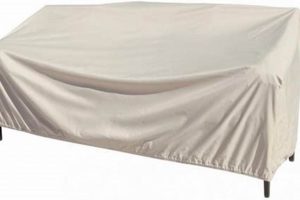
Tip 5: Proper Storage: During periods of inclement weather or non-use, store furnishings in a dry, sheltered location, such as a garage or shed. If storage is not feasible, cover the pieces with waterproof covers to protect them from the elements.
Tip 6: Addressing Moisture: After rainfall or exposure to moisture, ensure adequate air circulation around the furnishings to allow for complete drying. Standing water can promote decay and mildew growth.
Tip 7: Inspecting for Damage: Regularly inspect the pieces for signs of damage, such as cracks, splits, or insect infestations. Address these issues promptly to prevent further deterioration. Small cracks can often be repaired with wood filler, while more significant damage may require professional repair.
Adhering to these guidelines will contribute to the longevity, durability, and aesthetic preservation of outdoor timber furnishings, ensuring years of enjoyment and value.
The subsequent sections will delve into specific product reviews and case studies, providing further insights into the real-world performance and long-term care of different timber furnishing options.
1. Material Durability

Material durability is a primary determinant of the lifespan and overall value of outdoor timber furnishings. The inherent characteristics of the wood species employed directly influence its capacity to withstand the rigors of external environments. Exposure to moisture, temperature fluctuations, ultraviolet radiation, and biological agents necessitates the selection of naturally durable wood or the application of protective treatments. Failure to address material durability concerns results in premature degradation, structural failure, and increased replacement costs. Teak, renowned for its high oil content, exemplifies a durable choice, exhibiting exceptional resistance to rot, decay, and insect infestation, often lasting decades with minimal maintenance. Conversely, untreated pine, a less durable option, is susceptible to rapid deterioration when exposed to prolonged moisture or direct sunlight, requiring frequent treatments and exhibiting a significantly shorter lifespan.
The impact of material durability extends beyond simple longevity. The structural integrity of outdoor timber furniture is paramount for safety and functionality. Chairs, benches, and tables constructed from inferior or improperly treated wood may become unstable, posing a risk of injury. Furthermore, aesthetic appeal is directly linked to material durability. Warping, cracking, and discoloration caused by environmental exposure detract from the visual quality of the pieces, diminishing the overall value of the outdoor living space. For example, cedar, while less durable than teak, possesses inherent resistance to moisture and insects, and its attractive grain and aromatic qualities contribute to its desirability. However, proper sealing and maintenance are crucial to prevent weathering and maintain its aesthetic appeal over time. Another example is Ipe wood (Brazilian Walnut) often used for furniture, as it’s very durable and weather-resistant, able to withstand heavy use and harsh outdoor conditions for many years with minimal maintenance.
In conclusion, the choice of durable materials is a fundamental prerequisite for acquiring long-lasting and aesthetically pleasing outdoor timber furnishings. While initial cost considerations may influence material selection, the long-term benefits of durability, including reduced maintenance, enhanced safety, and sustained aesthetic appeal, outweigh the initial investment. Understanding the inherent properties of different wood species and the importance of protective treatments is essential for making informed purchasing decisions. Challenges remain in sourcing sustainable and ethically harvested durable wood, highlighting the importance of prioritizing responsible sourcing practices when investing in outdoor timber furniture.
2. Weather Resistance

Weather resistance is a paramount attribute of timber utilized in outdoor furnishings. These items are perpetually exposed to environmental elements, including precipitation, solar radiation, and temperature fluctuations. The susceptibility of timber to these conditions necessitates careful consideration of material selection and protective treatments. Inadequate weather resistance leads to deterioration, diminished structural integrity, and a reduced lifespan for the furnishings. For instance, untreated timber subjected to repeated wetting and drying cycles is prone to warping, cracking, and fungal decay. Prolonged exposure to ultraviolet radiation causes fading and discoloration, impacting the aesthetic appeal. The selection of timber with inherent resistance to these factors, coupled with the application of appropriate sealants and protective coatings, is therefore critical for ensuring the longevity and performance of outdoor furniture.
The practical implications of weather resistance are readily observable in the performance of various timber species under outdoor conditions. Teak, with its high oil content, naturally resists water absorption and fungal growth, making it a preferred choice for marine applications and premium outdoor furniture. Cedar, while less durable than teak, contains natural oils that repel insects and resist moisture damage, contributing to its suitability for outdoor use. Conversely, less durable species such as pine require extensive pressure treatment with chemical preservatives to enhance their resistance to decay and insect infestation. These treatments, while effective in extending the lifespan of the timber, may raise environmental concerns regarding chemical leaching and disposal. The choice of protective coatings also plays a significant role in weather resistance. Penetrating oil finishes protect the wood from within, while film-forming coatings provide a barrier against moisture and ultraviolet radiation. Regular maintenance, including cleaning and reapplication of protective finishes, is essential for preserving the weather resistance of outdoor timber furnishings.
In conclusion, weather resistance constitutes a critical factor in the design, selection, and maintenance of outdoor timber furniture. The inherent properties of the wood species, the application of protective treatments, and ongoing maintenance efforts collectively determine the ability of these furnishings to withstand environmental stressors and maintain their structural integrity and aesthetic appeal over time. Challenges remain in balancing cost considerations with the desire for durable and sustainable materials. Selecting timber from responsibly managed forests and utilizing environmentally friendly protective treatments are crucial for minimizing the environmental impact of outdoor timber furniture. Understanding the principles of weather resistance empowers consumers to make informed purchasing decisions and implement effective maintenance strategies, ensuring the long-term value and enjoyment of their outdoor living spaces.
3. Design Aesthetics
Design aesthetics significantly influence the perception and utilization of wooden garden patio furniture. The visual appeal directly impacts the perceived value, comfort, and overall integration of the furniture within the outdoor environment. A well-designed set enhances the aesthetic of the garden or patio, contributing to a cohesive and inviting atmosphere. Conversely, poorly designed pieces can detract from the space, making it feel disjointed and unappealing. For example, furniture with clean lines and a minimalist design can complement a modern garden, while rustic, weathered pieces may better suit a traditional or cottage-style setting. The choice of wood, finish, and hardware further contributes to the overall design aesthetic, creating a unified and harmonious outdoor living space.
The impact of design aesthetics extends beyond mere visual appeal. Ergonomics and functionality are integral components of successful design. A beautifully designed chair that is uncomfortable to sit in is ultimately impractical. Considerations such as seat height, back support, and armrest placement influence the usability of the furniture. Furthermore, the design should account for the practicalities of outdoor use. For instance, open slat designs can allow rainwater to drain through, preventing pooling and potential damage. Similarly, foldable or stackable designs offer convenient storage options during inclement weather or off-season periods. Real-world examples showcase this principle; the Adirondack chair, with its angled back and wide armrests, exemplifies both aesthetic appeal and ergonomic design, making it a popular choice for relaxation in outdoor settings. A modern set of outdoor tables with an integrated system for managing electrical cables for powering outdoor electronics, showcases advanced functional design with outdoor lifestyle consideration.
In summary, design aesthetics are an essential component of wooden garden patio furniture, influencing both visual appeal and functional usability. Understanding the principles of design, considering the specific context of the outdoor environment, and prioritizing both form and function are crucial for selecting furniture that enhances the aesthetic and usability of outdoor living spaces. Challenges remain in balancing design considerations with durability, cost, and sustainability. Prioritizing furniture crafted from sustainably sourced wood, employing durable construction techniques, and selecting timeless designs ensures lasting value and minimizes environmental impact.
4. Construction Quality

The robustness and longevity of wooden garden patio furniture are intrinsically linked to the quality of its construction. Superior construction methods and materials directly translate into enhanced durability, stability, and overall value. Compromises in construction quality invariably lead to premature failure, increased maintenance requirements, and diminished aesthetic appeal. The following points outline key facets of construction quality critical to the performance of wooden garden patio furniture.
- Joinery Techniques
The method of joining individual wooden components significantly impacts structural integrity. Dovetail joints, mortise-and-tenon joints, and precisely fitted dowel joints represent superior construction techniques, providing exceptional strength and resistance to stress. Conversely, simple butt joints secured with screws or staples are inherently weaker and more prone to failure under load or environmental stress. For instance, a chair utilizing mortise-and-tenon joints at critical stress points will exhibit far greater stability and longevity compared to one relying solely on screwed butt joints. A high-quality table would feature solid joinery able to deal with constant use in outdoor setting.
- Hardware Selection
The quality and material of hardware used in assembly directly influence the furniture’s resistance to corrosion and structural integrity. Stainless steel hardware, known for its exceptional corrosion resistance, is essential for outdoor applications. Inferior hardware, such as plated steel or low-grade fasteners, is susceptible to rust and degradation, compromising the structural integrity of the furniture over time. Hinges, screws, and bolts must be appropriately sized and securely fastened to withstand the forces exerted during normal use. An example is high-quality benches, where they utilize stainless steel hinges to provide long lasting rust-free usage.
- Wood Preparation and Treatment
Proper preparation and treatment of the wood prior to assembly contribute significantly to its long-term durability. Kiln-drying the timber reduces moisture content, minimizing the risk of warping, cracking, and fungal growth. Application of sealants, stains, or paints designed for outdoor use provides a protective barrier against moisture, ultraviolet radiation, and insect infestation. An example is furniture made from pressure treated wood for resisting moisture and decay. Such applications enhances its lifespan dramatically.
- Finishing and Detailing
The quality of the finishing process impacts both the aesthetic appeal and protective qualities of the furniture. A smooth, even finish enhances the beauty of the wood grain and provides a barrier against moisture penetration. Multiple coats of sealant or paint, properly applied, offer superior protection compared to a single, thin coat. Attention to detail, such as rounded edges and carefully sanded surfaces, enhances both comfort and aesthetic appeal, while also minimizing the risk of splinters or injuries.
In conclusion, construction quality is a critical determinant of the long-term performance and value of wooden garden patio furniture. Investing in furniture constructed using high-quality materials, superior joinery techniques, and appropriate protective treatments ensures years of enjoyment and minimizes the need for costly repairs or replacements. Prioritizing construction quality is an essential step in making informed purchasing decisions and maximizing the value of outdoor living spaces. For example, examining corner blocks of chairs, benches, or tables for construction. These corner blocks are attached to each leg of a seat to provide added support and durability.
5. Maintenance Requirements

The correlation between maintenance requirements and outdoor timber furnishings is a significant determinant of their longevity, aesthetic preservation, and overall cost of ownership. The degree of maintenance required is directly proportional to the wood species’ inherent durability and the environmental conditions to which the furniture is exposed. Neglecting these requirements precipitates premature deterioration, structural instability, and a substantial reduction in service life. For instance, untreated softwood furniture situated in a humid climate necessitates frequent applications of preservatives and sealants to mitigate fungal decay and insect infestation. Conversely, teak furniture, owing to its natural oil content, requires less frequent maintenance but still benefits from periodic cleaning and oiling to preserve its aesthetic appeal. Regular maintenance, irrespective of wood type, addresses accumulated dirt, debris, and mildew, preventing the potential for damage and preserving the furniture’s structural integrity. Failure to adhere to prescribed maintenance routines renders the initial investment less cost-effective, as the need for repairs or replacements arises sooner.
Specific maintenance procedures vary based on the type of wood and the finish applied. Cleaning protocols typically involve the use of mild soap and water solutions, followed by thorough rinsing and drying. Abrasive cleaners and harsh chemicals should be avoided, as they can damage the wood surface and strip protective finishes. Oiling or sealing is recommended periodically to replenish natural oils lost through weathering and to provide a barrier against moisture penetration. Inspection for loose joinery, cracks, or insect activity is also crucial. Prompt attention to these issues prevents minor problems from escalating into more significant and costly repairs. Real-world examples include the application of teak oil to teak furniture every six months to maintain its rich color and prevent drying, or the use of a specialized wood cleaner and protectant on painted wooden furniture to prevent fading and cracking caused by UV exposure.
In summary, the maintenance requirements of outdoor timber furnishings are integral to their long-term performance and value. The extent of maintenance is influenced by factors such as wood species, climate, and finish type. Consistent adherence to recommended maintenance procedures mitigates the risk of deterioration, preserves aesthetic appeal, and extends the lifespan of the furniture. Prioritizing low-maintenance options and establishing a regular maintenance schedule are essential for maximizing the return on investment and ensuring the long-term enjoyment of outdoor living spaces. Challenges persist in educating consumers about appropriate maintenance practices and in providing access to effective and environmentally friendly maintenance products.
6. Cost Considerations

The acquisition of wooden garden patio furniture necessitates a comprehensive evaluation of cost considerations, encompassing initial purchase price, long-term maintenance expenses, and potential replacement costs. The selection of timber type exerts a primary influence on the initial investment. Hardwoods, exemplified by teak and ipe, command higher prices owing to their inherent durability and resistance to environmental degradation. Softwoods, such as pine and fir, represent more economical options but necessitate increased maintenance and exhibit a reduced lifespan, impacting the total cost of ownership. Construction quality also contributes significantly to the initial price point, with superior joinery techniques and high-grade hardware augmenting the upfront expenditure. The practical significance of understanding these initial costs lies in aligning the purchase with budgetary constraints while acknowledging the long-term financial implications of material selection and construction quality. For example, a complete teak dining set for a patio may represent a substantial initial investment, yet its longevity and minimal maintenance requirements may render it more cost-effective over a 20-year period compared to a less expensive pine set requiring frequent repairs and eventual replacement.
Maintenance expenses constitute a crucial element within the overall cost considerations framework. Wooden garden patio furniture demands routine cleaning, periodic sealing, and potential repairs to counteract the effects of weathering and wear. The frequency and complexity of these maintenance procedures vary depending on the timber species and environmental exposure. Softwood furniture, due to its inherent susceptibility to moisture and decay, requires more frequent applications of protective finishes and may necessitate repairs to address structural damage. Hardwood furniture, while more resistant to environmental degradation, still benefits from periodic maintenance to preserve its aesthetic appeal and structural integrity. Real-world scenarios highlight the practical implications of maintenance costs; the annual expenditure on preservatives and sealants for softwood furniture may cumulatively exceed the initial price difference compared to a hardwood alternative. Likewise, the labor costs associated with frequent repairs can significantly increase the long-term cost of ownership. High end modern wooden chair that includes metal components can require professional maintenance.
Ultimately, the assessment of cost considerations for wooden garden patio furniture requires a holistic perspective, encompassing initial purchase price, ongoing maintenance expenses, and potential replacement costs. Opting for durable materials and superior construction, despite the higher upfront investment, can often result in lower long-term expenses due to reduced maintenance and increased longevity. Challenges lie in accurately forecasting long-term maintenance expenses and accounting for unforeseen repairs. However, informed decision-making, based on a thorough understanding of material properties, construction techniques, and maintenance requirements, empowers consumers to make cost-effective choices that maximize the value and enjoyment of their outdoor living spaces. It is crucial to understand whether the product has a warranty or not.
7. Environmental Impact
The environmental implications associated with wooden garden patio furniture warrant careful consideration, encompassing resource extraction, manufacturing processes, and end-of-life disposal. Sustainable practices are crucial for mitigating negative impacts and promoting responsible consumption.
- Deforestation and Sustainable Forestry
The sourcing of timber for furniture production can contribute to deforestation, habitat loss, and biodiversity decline if not managed responsibly. Sustainable forestry practices, such as those certified by the Forest Stewardship Council (FSC), ensure that timber is harvested from forests managed to maintain ecological integrity and long-term timber yields. Purchasing furniture made from FSC-certified wood reduces the risk of contributing to deforestation. An alternative is furniture from reclaimed wood, such as old barns, warehouses, or factories, helping to minimize new tree harvesting.
- Carbon Footprint of Manufacturing and Transportation
The manufacturing of wooden furniture involves energy consumption for processing, shaping, and finishing the timber. Transportation from the forest to the manufacturing facility and from the facility to the consumer also contributes to greenhouse gas emissions. Selecting locally sourced furniture reduces transportation distances and supports regional economies, minimizing the carbon footprint. Choosing designs that minimize material waste can also reduce the overall environmental impact. Furthermore, some manufacturers are implementing carbon-neutral or carbon-negative production practices, using renewable energy and offsetting their emissions.
- Chemical Use in Treatments and Finishes
Preservatives, sealants, and finishes used to protect outdoor furniture from the elements can contain volatile organic compounds (VOCs) and other harmful chemicals that pollute the air and water. Selecting furniture treated with low-VOC or water-based finishes reduces the release of harmful pollutants into the environment. Natural oil finishes and waxes offer alternatives to synthetic coatings, minimizing the environmental impact of furniture maintenance. Consumers can be mindful of proper disposal methods for any chemicals used in upkeep and ensure proper ventilation during application.
- End-of-Life Disposal and Recycling
The disposal of wooden garden patio furniture presents environmental challenges if not handled responsibly. Landfilling timber contributes to greenhouse gas emissions as the wood decomposes. Recycling or repurposing old furniture reduces the demand for new timber and minimizes waste. Donating used furniture to charities or community organizations extends its useful life. Composting untreated wood is another environmentally sound disposal option. Promoting furniture designs that prioritize disassembly and material recovery can facilitate recycling and reduce waste.
The cumulative effect of these environmental considerations underscores the importance of making informed purchasing decisions. Choosing furniture made from sustainably sourced materials, manufactured with eco-friendly processes, and designed for longevity minimizes the negative environmental impact. Consumers, retailers, and manufacturers share a responsibility to promote sustainable practices in the wooden garden patio furniture industry. Making eco-conscious purchase help reduce carbon footprint.
Frequently Asked Questions
The following questions address common inquiries regarding the selection, care, and longevity of outdoor furnishings crafted from timber. This information provides essential guidance for informed purchasing decisions.
Question 1: What timber species are most suitable for outdoor furniture construction?
Durable hardwoods such as teak, cedar, shorea, and ipe exhibit natural resistance to decay, insects, and moisture, rendering them ideal choices. Softwoods, while more affordable, necessitate extensive treatments and exhibit reduced lifespans.
Question 2: How frequently should wooden garden patio furniture be cleaned and treated?
Cleaning frequency depends on environmental conditions. Generally, cleaning with mild soap and water is recommended every few months. Protective finishes should be reapplied annually or as directed by the manufacturer.
Question 3: How does moisture affect wooden garden patio furniture, and what preventative measures can be taken?
Excessive moisture promotes fungal growth, warping, and decay. Ensure adequate drainage, store furniture in a dry location during inclement weather, and apply water-repellent sealants to mitigate moisture damage.
Question 4: What are the signs of wood rot, and how can it be addressed?
Signs of wood rot include discoloration, softening of the wood, and a musty odor. Affected areas should be removed and replaced with treated lumber. Apply a wood preservative to prevent further decay.
Question 5: What are the advantages of purchasing furniture with mortise-and-tenon joinery?
Mortise-and-tenon joints provide exceptional strength and stability compared to simpler joinery methods, enhancing the furniture’s ability to withstand stress and environmental factors. This construction method extends lifespan.
Question 6: How can the environmental impact of wooden garden patio furniture be minimized?
Select furniture crafted from sustainably sourced timber certified by the FSC, opt for low-VOC finishes, and prioritize furniture designed for longevity and recyclability. Consider reclaimed wood options.
These responses offer a concise overview of key considerations when investing in and maintaining outdoor timber furnishings. Diligent adherence to these guidelines maximizes value and ensures long-term enjoyment.
The following section delves into case studies that illustrate the practical application of these principles and provide real-world examples of successful outdoor furniture maintenance.
Conclusion
The preceding exploration has comprehensively examined diverse facets of wooden garden patio furniture, encompassing material selection, construction methodologies, design aesthetics, maintenance protocols, cost implications, and environmental considerations. This analysis underscores the importance of informed decision-making to ensure both longevity and value optimization.
The judicious selection and responsible stewardship of wooden garden patio furniture contribute to sustainable resource utilization and enhanced outdoor living spaces. Continued advancements in sustainable forestry and material science will further refine the future of these furnishings, promoting both ecological responsibility and enduring quality.

![Protect & Extend: Garden Furniture Feet Protectors [Buy Now] | The Ultimate Gardening Guide: Grow a Thriving Garden Year-Round](https://MyGardenPatch.com/wp-content/uploads/2025/07/th-3169-300x200.jpg "Protect & Extend: Garden Furniture Feet Protectors [Buy Now] The Ultimate Gardening Guide: Grow a Thriving Garden Year-Round")