Outdoor seating arrangements featuring a dark-hued, woven material designed for exterior use represent a popular choice for enhancing patios, decks, and gardens. These furnishings, typically constructed with synthetic fibers to resist weather damage, offer a blend of aesthetic appeal and functional resilience, providing a comfortable and stylish area for relaxation and entertainment in outdoor spaces.
The appeal of dark-colored, woven-style outdoor furnishings stems from several factors. Their color often complements diverse architectural styles and garden designs, offering a sophisticated and contemporary look. Moreover, the woven construction provides a lightweight yet sturdy structure, making the furniture easy to move and maintain. Historically, wicker has been used for furniture construction for centuries, with modern adaptations utilizing durable synthetic materials to improve longevity and weather resistance.
Subsequent sections will delve into the various materials used in crafting these outdoor sets, the styles available, maintenance techniques to prolong their lifespan, and factors to consider when selecting the ideal pieces for specific outdoor environments.
Selecting and Maintaining Dark Woven Outdoor Furnishings
The following guidelines provide practical advice for choosing and caring for dark woven furniture intended for outdoor use. Adhering to these recommendations will help ensure long-term satisfaction and durability.
Tip 1: Material Assessment: Prioritize synthetic wicker materials such as resin or high-density polyethylene (HDPE). These options offer superior resistance to moisture, UV degradation, and cracking compared to natural wicker, extending the furniture’s lifespan.
Tip 2: Frame Construction Evaluation: Opt for frames constructed from powder-coated aluminum or rust-proof steel. These materials provide a stable and durable base that withstands outdoor elements and prevents corrosion, unlike wrought iron which can be prone to rust.
Tip 3: Cushion and Fabric Selection: Choose cushions made with water-resistant and UV-resistant fabrics like Sunbrella or Olefin. These materials prevent water damage, resist fading, and are easy to clean, minimizing maintenance efforts.
Tip 4: Regular Cleaning Practices: Implement a routine cleaning schedule using mild soap and water. This removes dirt, grime, and mildew, preventing the build-up of debris that can damage the woven material and fabric over time. Avoid harsh chemicals or abrasive cleaners.
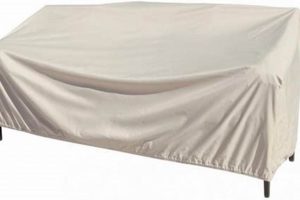
Tip 5: Protective Cover Usage: Utilize furniture covers during periods of inclement weather or when the furniture is not in use for extended periods. This shields the furniture from rain, snow, and direct sunlight, prolonging its aesthetic appeal and structural integrity.
Tip 6: Storage Considerations: During the off-season, store the furniture indoors or in a covered area, such as a garage or shed. This minimizes exposure to harsh weather conditions and prevents potential damage from freezing temperatures or excessive moisture.
These strategies enable consumers to make informed purchasing decisions and properly maintain woven outdoor furniture, thereby maximizing its longevity and visual appeal.
The subsequent segment will explore the stylistic considerations involved in integrating dark woven seating into various outdoor living spaces.
1. Material Durability
The correlation between material durability and dark woven outdoor seating directly impacts the longevity and overall value of the product. The selection of resilient materials is paramount, as these furnishings are consistently exposed to environmental stressors such as sunlight, rain, temperature fluctuations, and potential physical impacts. Inferior materials degrade rapidly, leading to structural failure, color fading, and an increased need for replacement, thus offsetting any initial cost savings.
For example, dark resin wicker, typically constructed from high-density polyethylene (HDPE), exhibits superior resistance to UV degradation compared to natural wicker or lower-grade plastics. This resistance prevents the material from becoming brittle and cracking over time, maintaining its aesthetic appeal and structural integrity. Furthermore, the colorfastness of the dark pigment is contingent on the quality of the dye and the stability of the polymer matrix. Substandard dyes are prone to fading, resulting in an uneven and unsightly appearance. Similarly, the framing material, often aluminum, must be adequately treated to prevent corrosion, which can weaken the structure and compromise the furniture’s load-bearing capacity. Selecting furniture with inferior components will have high cost in the long term.
In conclusion, a thorough understanding of material properties and their respective vulnerabilities to environmental factors is critical for selecting dark woven outdoor seating that offers both aesthetic value and long-term durability. The investment in higher-quality materials translates to reduced maintenance costs, extended product lifespan, and sustained aesthetic appeal, ultimately representing a more pragmatic and economically sound choice.
2. Frame Strength

The structural integrity of dark woven outdoor furnishings hinges significantly on the strength of the frame. Frame strength directly impacts the furniture’s load-bearing capacity, stability, and overall lifespan. Inferior frame construction inevitably leads to premature failure, posing potential safety hazards and necessitating costly repairs or replacements. The frame serves as the skeletal support for the woven material, distributing weight and withstanding external forces such as wind and impact. Consequently, a robust frame is paramount for ensuring the furniture’s long-term performance and resilience in outdoor environments.
Powder-coated aluminum and rust-proof steel are commonly employed as frame materials due to their advantageous strength-to-weight ratios and resistance to corrosion. Aluminum offers a lightweight yet durable option, ideal for furniture that requires frequent relocation. Steel, while heavier, provides superior strength and stability, particularly beneficial for larger pieces or those intended for high-traffic areas. The welding techniques used in frame assembly are equally critical; weak or improperly executed welds create points of stress concentration, predisposing the frame to fracture under load. A real-world example illustrates this point: outdoor seating with inadequately welded frames exhibiting failure points at the joints within a single season of normal use, demonstrating the tangible consequences of compromised frame strength.
In summation, understanding the crucial role of frame strength in dark woven outdoor furniture is essential for making informed purchasing decisions. Opting for furnishings with robustly constructed frames using high-quality materials translates to enhanced durability, improved safety, and a prolonged lifespan. This proactive approach ensures that the investment in outdoor seating yields sustained value and contributes to a secure and aesthetically pleasing outdoor living space.
3. Style Versatility

The adaptability of dark woven outdoor furniture to various design aesthetics significantly enhances its appeal and applicability across diverse outdoor settings. This stylistic flexibility stems from its ability to complement a range of architectural styles and landscape designs, offering a cohesive and visually pleasing integration with the surrounding environment.
- Color Neutrality and Contrast
The inherent neutrality of the dark color palette provides a versatile foundation for both blending with and contrasting against diverse color schemes. It seamlessly integrates into monochromatic settings while also serving as a striking counterpoint to vibrant floral arrangements or brightly colored architectural elements. This adaptability allows it to function as both a subtle backdrop and a focal point, depending on the surrounding design elements. Examples include dark seating paired with light-colored cushions and brightly colored throw pillows to create a balance of sophistication and vibrancy or a dark furniture set with natural wood accents in a minimalist space.
- Textural Compatibility
The woven texture offers a tactile richness that complements a wide array of materials, from smooth stone patios to rustic wooden decks. This compatibility enables it to enhance the overall sensory experience of the outdoor space, adding depth and visual interest. The woven texture juxtaposes effectively against the smooth surfaces of glass tabletops or the rough textures of natural stone, providing a balanced and harmonious design composition.
- Adaptability to Design Themes
Dark woven furniture seamlessly adapts to various design themes, ranging from contemporary minimalist to traditional and even bohemian styles. Its clean lines and understated elegance align with modern aesthetics, while its inherent warmth and texture complement more traditional or rustic settings. In a modern setting, it could be paired with stainless steel accents and geometric planters. In a bohemian setting, it could be combined with colorful textiles, lanterns, and natural elements like bamboo and rattan.
- Cushion and Accessory Customization
The potential for customization through cushions and accessories further enhances the style versatility. By altering the colors, patterns, and textures of these elements, the overall aesthetic can be transformed to align with specific design preferences or seasonal trends. This adaptability allows for a dynamic and evolving outdoor space that reflects personal style and preferences. Cushions and throw pillows in vibrant colors can add a playful touch, while those in muted tones can create a more sophisticated and understated ambiance.
In conclusion, the stylistic versatility of dark woven outdoor furniture stems from its color neutrality, textural compatibility, adaptability to design themes, and potential for customization. These attributes collectively enable it to seamlessly integrate into diverse outdoor settings, enhancing the aesthetic appeal and overall functionality of the space. Its ability to adapt to varying design preferences makes it a valuable addition to any outdoor living area.
4. Weather Resistance
Weather resistance is a critical attribute of dark woven outdoor furniture, directly influencing its longevity and aesthetic integrity when exposed to environmental elements. The prolonged outdoor use necessitates the ability to withstand various weather conditions, including intense sunlight, rain, humidity, and temperature fluctuations. The absence of adequate weather resistance mechanisms leads to material degradation, structural weakening, and ultimately, premature failure of the furniture. For example, prolonged exposure to ultraviolet (UV) radiation can cause the dark pigment in the woven material to fade, resulting in an uneven and unsightly appearance. Similarly, repeated exposure to moisture can promote the growth of mold and mildew, compromising the aesthetic appeal and potentially posing health hazards. Freeze-thaw cycles can also cause materials to expand and contract, leading to cracking and structural damage.
The selection of appropriate materials and construction techniques plays a pivotal role in achieving effective weather resistance. Synthetic wicker, particularly that made from high-density polyethylene (HDPE), exhibits superior resistance to UV radiation, moisture, and temperature fluctuations compared to natural wicker or lower-grade plastics. The addition of UV inhibitors during the manufacturing process further enhances the material’s resistance to fading and degradation. Frame materials such as powder-coated aluminum or rust-proof steel provide a stable and corrosion-resistant base, preventing structural weakening due to moisture exposure. Additionally, the use of water-resistant fabrics for cushions and pillows minimizes water damage and prevents the growth of mold and mildew. Routine maintenance practices, such as regular cleaning and the application of protective coatings, further enhance the furniture’s weather resistance capabilities.
In conclusion, the weather resistance of dark woven outdoor furniture is not merely a desirable feature but a fundamental requirement for ensuring its long-term performance and aesthetic appeal. The careful selection of weather-resistant materials and the implementation of appropriate maintenance practices are essential for mitigating the damaging effects of environmental exposure. A proactive approach to weather resistance ensures that the investment in outdoor furniture yields sustained value and contributes to a functional and aesthetically pleasing outdoor living space.
5. Maintenance Simplicity
The appeal of dark woven outdoor furniture is intrinsically linked to its ease of maintenance. The materials and construction methods employed in its creation directly contribute to its ability to resist dirt, stains, and environmental damage, thereby minimizing the time and effort required for upkeep. This attribute is particularly relevant in outdoor settings where furniture is exposed to a multitude of elements, ranging from precipitation and sunlight to pollen and debris. The reduced maintenance burden associated with this type of furniture translates to a more practical and enjoyable outdoor living experience.
The selection of synthetic materials, such as high-density polyethylene (HDPE) wicker and powder-coated aluminum frames, plays a crucial role in simplifying maintenance. These materials are inherently resistant to moisture, UV radiation, and corrosion, which are common causes of deterioration in outdoor furniture. Unlike natural materials, synthetic wicker does not require regular sealing or staining to prevent water damage or fading. Similarly, powder-coated aluminum frames resist rust and corrosion, eliminating the need for frequent painting or refinishing. These properties significantly reduce the need for intensive cleaning and restoration efforts. For instance, routine cleaning can be accomplished with mild soap and water, and stubborn stains can often be removed with a gentle scrubbing brush. The absence of specialized cleaning products or techniques further streamlines the maintenance process, making it accessible to a broad range of consumers.
In summary, the maintenance simplicity of dark woven outdoor furniture is a direct consequence of the materials used and the design considerations implemented. This attribute not only enhances the convenience of outdoor living but also contributes to the long-term value and sustainability of the furniture. While challenges such as the accumulation of dirt in intricate weave patterns may exist, the overall ease of maintenance remains a key factor driving the popularity of this type of furniture. Understanding the connection between material properties and maintenance requirements allows consumers to make informed purchasing decisions, ensuring a lasting and enjoyable outdoor experience.
Frequently Asked Questions About Black Wicker Garden Furniture
The following questions address common concerns and misconceptions regarding the selection, care, and usage of dark woven outdoor furniture. The responses aim to provide clear and informative guidance for consumers.
Question 1: What is the typical lifespan of dark woven outdoor furniture?
The lifespan of dark woven outdoor furniture is contingent upon the quality of materials, construction methods, and maintenance practices. Furnishings constructed with high-density polyethylene (HDPE) wicker and powder-coated aluminum frames, coupled with regular cleaning and proper storage, can reasonably be expected to last for 5 to 10 years or more.
Question 2: Is dark woven furniture prone to fading in direct sunlight?
The likelihood of fading depends on the UV resistance of the synthetic wicker material. High-quality HDPE wicker, treated with UV inhibitors, exhibits a significantly lower susceptibility to fading compared to lower-grade plastics or natural materials. Regular cleaning and the use of protective covers can further mitigate the effects of sunlight exposure.
Question 3: How should dark woven outdoor furniture be cleaned?
Routine cleaning involves washing the furniture with mild soap and water. A soft brush can be used to remove dirt and debris from the weave. For stubborn stains or mildew, a solution of diluted bleach can be applied cautiously, followed by thorough rinsing. Harsh chemicals and abrasive cleaners should be avoided.
Question 4: Is dark woven furniture suitable for all climates?
Dark woven furniture is generally suitable for a wide range of climates, provided that appropriate materials are selected. HDPE wicker and powder-coated aluminum frames exhibit excellent resistance to moisture, UV radiation, and temperature fluctuations. However, in regions with extreme weather conditions, such as prolonged exposure to intense sunlight or freezing temperatures, protective measures such as covering or storing the furniture indoors may be necessary.
Question 5: How does the weight of dark woven furniture compare to other types of outdoor furniture?
Dark woven furniture is often lighter than comparable pieces constructed from wood or wrought iron, but heavier than some plastic alternatives. The combination of a lightweight frame material, such as aluminum, with a woven surface results in a manageable weight that facilitates easy rearrangement and storage. The exact weight will vary based on the size and design of the individual pieces.
Question 6: Can dark woven outdoor furniture be left outside during the winter months?
While dark woven outdoor furniture is designed to withstand exposure to the elements, leaving it uncovered during the winter months can accelerate wear and tear. Ideally, the furniture should be stored indoors or in a covered area to protect it from snow, ice, and prolonged exposure to moisture. If storage is not feasible, the furniture should be covered with a waterproof and breathable cover.
Understanding these frequently asked questions facilitates informed decision-making, promoting the longevity and aesthetic appeal of dark woven outdoor settings.
The subsequent discussion will explore the implications of cost and budget considerations in relation to dark woven outdoor furniture.
Black Wicker Garden Furniture
The preceding exploration of black wicker garden furniture underscores its multifaceted nature, encompassing considerations of material composition, structural integrity, stylistic integration, weather resistance, and maintenance requirements. An informed understanding of these elements is paramount for consumers seeking durable, aesthetically pleasing, and practically sustainable outdoor furnishings. The optimal selection involves a careful assessment of individual needs, environmental conditions, and budget constraints.
Future developments in material science and manufacturing processes may further enhance the durability and sustainability of outdoor furniture options. Continued research and development, coupled with informed consumer choices, will drive the evolution of outdoor living spaces, prioritizing both aesthetic appeal and long-term value.

![Protect & Extend: Garden Furniture Feet Protectors [Buy Now] | The Ultimate Gardening Guide: Grow a Thriving Garden Year-Round](https://MyGardenPatch.com/wp-content/uploads/2025/07/th-3169-300x200.jpg "Protect & Extend: Garden Furniture Feet Protectors [Buy Now] The Ultimate Gardening Guide: Grow a Thriving Garden Year-Round")