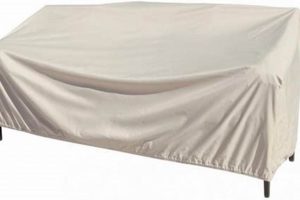
Outdoor furnishings constructed from tightly bound dried grasses offer an alternative to traditional materials like wood or metal. These items, often including seating and tables, provide a rustic aesthetic and can be relatively lightweight. As an illustration, a bench composed of layered and compressed hay bales provides seating in a garden setting.
The appeal of such furnishings stems from their biodegradability and utilization of readily available resources. Their presence evokes a connection to natural landscapes, complementing garden environments. Historically, utilizing natural materials for temporary structures and seating has been prevalent in agricultural communities and outdoor events.
The subsequent discussion will delve into the material sourcing, construction techniques, design considerations, and environmental impact associated with selecting outdoor furnishings made of dried grasses, ultimately exploring the factors involved in their longevity and maintenance within different climates.
Considerations for Dried Grass Outdoor Furnishings
The following provides essential guidelines for selecting and maintaining outdoor furniture crafted from dried grasses, ensuring longevity and sustained aesthetic appeal.
Tip 1: Material Selection: Opt for tightly bound, high-quality dried grasses such as rye or wheat straw. The density of the material directly impacts durability and resistance to moisture. Improper material choice can lead to premature degradation.
Tip 2: Protective Treatment: Apply a water-resistant sealant or varnish specifically designed for natural fibers. This minimizes water absorption and prevents the growth of mold and mildew, extending the lifespan of the furniture.
Tip 3: Placement Considerations: Position furnishings in areas with adequate drainage and avoid prolonged exposure to standing water. Direct contact with damp soil accelerates decomposition. Raised platforms or gravel bases offer improved drainage.
Tip 4: Regular Inspection: Conduct routine visual inspections for signs of damage, such as unraveling, insect infestation, or fungal growth. Early detection allows for timely intervention and prevents further deterioration.
Tip 5: Seasonal Storage: During periods of inclement weather or off-season use, store the furniture in a dry, well-ventilated area. Covering the items with breathable fabric can further protect them from the elements.
Tip 6: Reinforcement Techniques: Consider incorporating internal framing using durable materials like bamboo or treated wood. This provides structural support and enhances the overall stability of the furniture.
Tip 7: UV Protection: Implement shade solutions or use UV-resistant coatings to mitigate the effects of prolonged sun exposure. Excessive UV radiation can cause fading and weakening of the dried grass fibers.
Adherence to these guidelines can significantly improve the resilience and aesthetic appeal of outdoor furniture made from dried grasses, providing a sustainable and visually appealing addition to outdoor spaces.
The subsequent section will address design principles and aesthetic considerations associated with this type of outdoor furnishing, exploring the integration of these pieces within various garden landscapes.
1. Material Density

Material density is a critical factor determining the structural integrity and longevity of outdoor furniture constructed from dried grasses. Increased density directly correlates with enhanced load-bearing capacity and resistance to deformation under stress. The compaction process used to form seating and tables influences density; insufficient compaction results in a less stable structure prone to collapse or sagging. An example includes the difference between loosely stacked hay bales, unsuitable for seating, and tightly compressed hay bale benches used at outdoor events; the latter exhibiting significantly higher material density and structural stability.
Higher density also reduces the ingress of moisture, minimizing the risk of microbial growth and subsequent material degradation. A loosely packed structure offers numerous voids where water can accumulate, fostering conditions conducive to rot and mold. Conversely, a densely packed structure presents a more impermeable barrier, slowing water absorption and extending the lifespan of the furniture. Proper compaction techniques are therefore essential during the manufacturing process. These techniques may include hydraulic pressing and binding with durable materials, impacting initial density.
In summary, material density is paramount for ensuring the functionality and durability of dried grass outdoor furnishings. Adequate compaction and proper binding techniques are essential for achieving the desired density. The level of material density influences the furnitures resistance to environmental factors and determines its suitability for long-term outdoor use. Future research should focus on optimizing compaction methods and exploring alternative binding materials to further enhance density and overall performance.
2. Moisture Resistance

Moisture resistance represents a critical factor influencing the longevity and structural integrity of outdoor furniture constructed from dried grasses. The hygroscopic nature of these materials renders them inherently susceptible to water absorption, initiating a cascade of detrimental effects. Unmitigated moisture penetration promotes the proliferation of mold, mildew, and other microorganisms, leading to decomposition of the organic matter and eventual structural failure. The effectiveness of furniture crafted from dried grasses hinges directly on the degree to which it resists moisture ingress. For example, untreated hay bales exposed to rainfall will rapidly deteriorate, while those treated with a water-repellent sealant exhibit significantly extended lifespans, illustrating the practical significance of moisture resistance.
Furthermore, absorbed moisture contributes to dimensional instability, causing swelling and warping of the materials. This compromises the furniture’s aesthetic appeal and structural integrity, potentially leading to cracks, splits, and uneven surfaces. To combat this, manufacturers often employ various strategies, including the application of hydrophobic coatings, impregnation with preservatives, and the implementation of design features that promote drainage and airflow. Consider the construction of a hay bale bench: without a moisture barrier between the ground and the hay, capillary action will draw moisture into the bale, accelerating decay, versus a bench elevated on a gravel base and treated with a protective coating, significantly inhibiting moisture uptake and prolonging its use.
In summary, moisture resistance is not merely a desirable attribute, but an indispensable requirement for the successful utilization of dried grasses in outdoor furniture applications. Its mitigation involves a multifaceted approach, encompassing material selection, protective treatments, and thoughtful design considerations. Addressing moisture susceptibility is crucial for achieving durable, aesthetically pleasing, and environmentally sustainable furnishings that can withstand the rigors of outdoor environments. Future development might explore innovative bio-based sealants and composite materials that further enhance moisture resistance while minimizing environmental impact.
3. Structural Integrity
Structural integrity is a fundamental consideration in the design and application of outdoor furniture utilizing dried grasses. The inherent properties of hay, straw, and similar materials necessitate careful engineering to ensure stability, load-bearing capacity, and resistance to environmental stressors.
- Material Compaction and Binding
The density and binding methods employed directly influence the structural integrity of dried grass furniture. Loose hay bales offer negligible structural support, while tightly compressed and bound bales or panels exhibit significantly improved load-bearing capabilities. Examples include the use of twine, wire, or specialized adhesives to maintain compression and prevent material displacement under weight or stress. Improper compaction or inadequate binding leads to deformation, sagging, and eventual failure.
- Internal Framing and Support Systems
Incorporating internal framing elements made from wood, bamboo, or metal can significantly enhance structural integrity. These frames provide a rigid skeleton that distributes weight evenly and prevents collapse. Consider a hay bale bench with an internal wooden frame: the frame bears the primary load, while the hay serves as cushioning and aesthetic cladding. Absence of such a frame compromises the load-bearing capacity and overall stability of the furniture.
- Joint Design and Connection Methods
The design and execution of joints are critical for maintaining structural integrity, particularly in multi-component furniture items. Weak or poorly executed joints represent points of vulnerability where stress concentrates, leading to premature failure. Dovetail joints, mortise-and-tenon joints, or metal fasteners are commonly used to create robust connections. An example is a hay bale table with a wooden tabletop secured to the hay base using strategically placed bolts and reinforcing plates, ensuring a stable and level surface.
- Environmental Resistance and Degradation Mitigation
Environmental factors, such as moisture, temperature fluctuations, and UV radiation, can degrade the structural integrity of dried grass furniture over time. Moisture promotes decay and microbial growth, while UV radiation weakens the fibers. Protective coatings, sealants, and the implementation of drainage systems are employed to mitigate these effects. Regularly treating furniture with a water-repellent sealant, for instance, slows down moisture absorption and prevents the decomposition process, prolonging its lifespan.
These facets underscore the multifaceted nature of structural integrity in dried grass furniture. Combining robust construction techniques with thoughtful design and appropriate protective measures ensures the creation of functional, durable, and aesthetically pleasing outdoor furnishings capable of withstanding the demands of exterior use. Furthermore, exploration of novel materials and construction methods may lead to further improvements in the structural performance of dried grass furniture, expanding its potential applications and enhancing its long-term sustainability.
4. Aesthetic Integration

Aesthetic integration, concerning dried grass garden furnishings, refers to the harmonious blending of these items with their surrounding environment. It extends beyond mere placement, encompassing considerations of form, texture, color, and overall stylistic coherence with the landscape.
- Contextual Harmony with Garden Styles
The design of dried grass furniture should complement the prevalent garden style. A rustic, informal garden may benefit from the addition of simple hay bale seating, while a more formal garden might require refined designs incorporating elements such as smooth, sculpted forms and neutral color palettes. For instance, unadorned hay bale benches are appropriate for cottage gardens, while more stylized designs utilizing treated and shaped straw may suit contemporary landscapes.
- Material Texture and Visual Contrast
The texture of dried grasses introduces a unique visual element to the garden. Rough, textured surfaces can create contrast against smoother elements like paving stones or manicured lawns. Strategic placement of these textures can draw the eye and create visual interest. Consider the contrast between the coarse texture of a hay bale table and the smooth surface of a glass tabletop, providing a tactile and visual interplay.
- Color Palette Considerations
The natural tones of dried grasses range from golden yellows to light browns. These colors are generally considered neutral and can blend well with a variety of garden settings. However, selective use of colored paints or stains can introduce subtle accents and enhance aesthetic integration. For example, staining a hay bale bench with a muted green tone can help it blend seamlessly with surrounding foliage.
- Scale and Proportion within the Landscape
The scale of dried grass furniture must be proportionate to the size of the garden and the surrounding elements. Overly large furniture can overwhelm a small space, while undersized pieces may appear insignificant in a larger setting. Careful consideration of dimensions is crucial for achieving visual balance. A sprawling estate might accommodate a large hay bale sectional sofa, whereas a compact urban garden may be better suited to a smaller, more refined dried grass chair.
Effective aesthetic integration elevates dried grass garden furniture from functional items to integral components of the landscape design. By carefully considering context, texture, color, and scale, these furnishings can contribute to a cohesive and visually appealing outdoor environment. Thoughtful placement enhances the overall garden experience, creating inviting and harmonious spaces.
5. Environmental Impact

The environmental impact of hay garden furniture is a multifaceted consideration, encompassing resource utilization, biodegradability, and potential contributions to carbon sequestration. The primary environmental benefit stems from the use of a rapidly renewable resource: agricultural byproducts. Utilizing hay and straw diverts these materials from potential disposal through burning or landfilling, thereby reducing greenhouse gas emissions and minimizing waste. For instance, a farm that sells its surplus straw for furniture production reduces its reliance on traditional disposal methods, decreasing its carbon footprint. The positive effect, however, depends on the source: sourcing from farms employing sustainable agricultural practices is crucial.
Further analysis necessitates evaluating the entire lifecycle of hay garden furniture. The production process, involving harvesting, compacting, and binding, requires energy input. However, compared to the energy-intensive manufacturing of plastic or metal furniture, the energy footprint is generally lower. The biodegradability of hay offers an environmentally sound disposal option at the end of its useful life. When properly composted, the material returns to the soil, enriching it with organic matter. However, treatments applied to enhance durability, such as chemical sealants, may impede biodegradability and introduce harmful substances into the environment. A practical application of environmentally conscious practices involves using natural, biodegradable sealants like linseed oil, thereby minimizing the negative impact on soil and water resources.
In summary, the environmental impact of hay garden furniture presents a nuanced picture. While it offers the advantage of utilizing a renewable resource and biodegradability, it is imperative to consider the sourcing practices, production methods, and end-of-life management. Challenges include ensuring sustainable sourcing and mitigating the environmental impact of any treatments used to enhance durability. Understanding these interconnected factors is crucial for maximizing the environmental benefits and minimizing the potential drawbacks, ultimately contributing to a more sustainable approach to outdoor furnishing.
Frequently Asked Questions
The following section addresses common inquiries regarding the selection, use, and maintenance of outdoor furnishings crafted from dried grasses.
Question 1: What is the typical lifespan of hay garden furniture?
The lifespan varies depending on environmental conditions, material quality, and maintenance practices. With proper care, these items can last several seasons. Untreated and exposed furniture may degrade within a single season, while treated and sheltered items can endure for multiple years.
Question 2: Is hay garden furniture susceptible to pest infestations?
Yes, dried grasses can attract insects and rodents. Implementing pest control measures, such as regular cleaning and the application of insect repellents, is advisable. Selecting properly dried and treated materials can also mitigate the risk of infestation.
Question 3: How does moisture affect hay garden furniture, and how can it be prevented?
Moisture promotes decay and microbial growth. Prevention strategies include applying water-resistant sealants, elevating furniture off the ground, and storing items in dry environments during inclement weather. Regularly inspecting the furniture for signs of dampness or mold is also recommended.
Question 4: Can hay garden furniture support significant weight?
Weight-bearing capacity depends on the density and structural design of the furniture. Densely packed and reinforced structures can support considerable weight. However, overloading the furniture can lead to deformation or collapse. It is imperative to adhere to weight limits specified by the manufacturer or designer.
Question 5: What are the environmental considerations associated with hay garden furniture?
The primary environmental benefits stem from the use of renewable resources and biodegradability. However, the environmental impact depends on sustainable sourcing practices and the use of non-toxic treatments. Responsible disposal through composting is crucial for minimizing environmental harm.
Question 6: What maintenance practices are recommended for preserving hay garden furniture?
Regular cleaning to remove dirt and debris, application of water-resistant sealants, pest control measures, and seasonal storage in dry environments are recommended. Promptly addressing any signs of damage or deterioration is essential for extending the lifespan of the furniture.
In summary, the durability and aesthetic appeal of outdoor furnishings crafted from dried grasses hinge on diligent maintenance, appropriate material selection, and proactive mitigation of environmental stressors.
The subsequent section will delve into design innovations and emerging trends within the field of hay garden furniture.
Conclusion
This exploration of hay garden furniture has illuminated key aspects: material considerations, structural needs, aesthetic integration, and environmental ramifications. Durability requires high material density and protection against moisture. Designs must harmonize with garden styles while ensuring structural integrity. Environmental responsibility dictates sustainable sourcing and biodegradable treatments.
The future of outdoor furnishing made from hay rests on continued innovation in material science and design. Further research into sustainable treatments and structural enhancements will be vital. Responsible utilization of agricultural byproducts holds potential, requiring informed choices and proactive commitment to environmental stewardship.

![Protect & Extend: Garden Furniture Feet Protectors [Buy Now] | The Ultimate Gardening Guide: Grow a Thriving Garden Year-Round](https://MyGardenPatch.com/wp-content/uploads/2025/07/th-3169-300x200.jpg "Protect & Extend: Garden Furniture Feet Protectors [Buy Now] The Ultimate Gardening Guide: Grow a Thriving Garden Year-Round")